

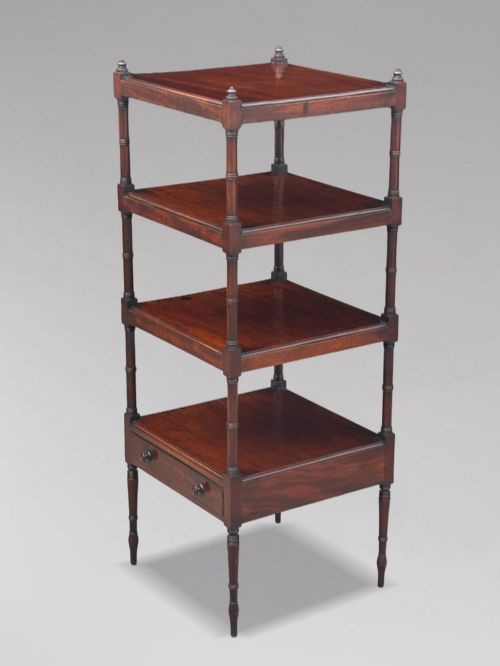
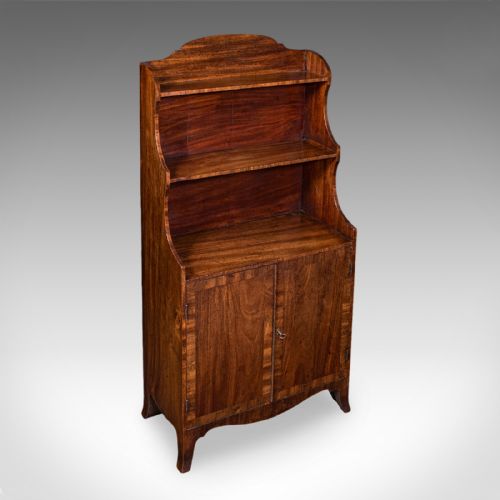
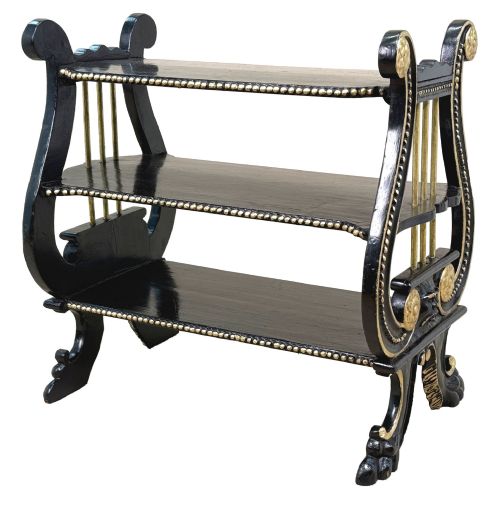
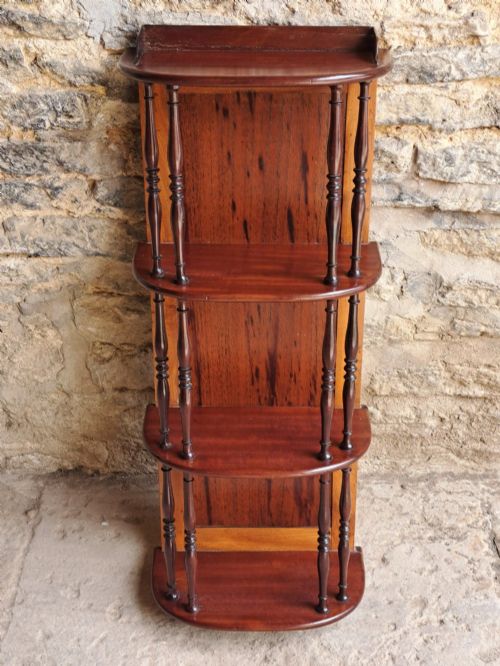

19th Century Tiered Shelves
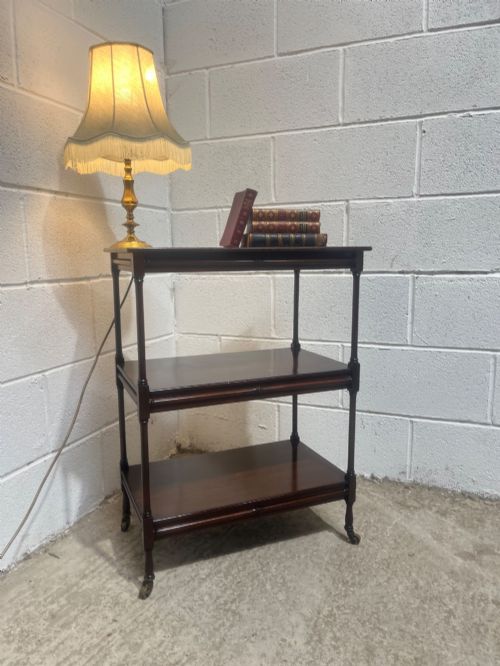
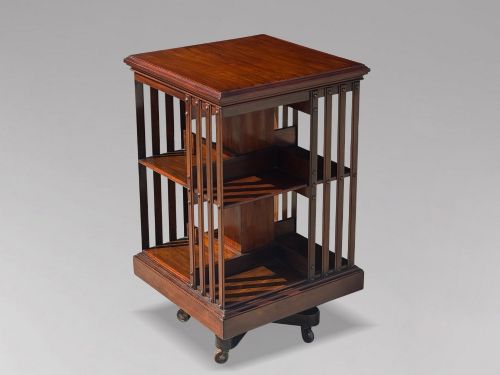
These 19th century tiered shelves deliver open display and compartment storage in vertical formats built for period drawing rooms and libraries.
19th Century Tiered Shelves
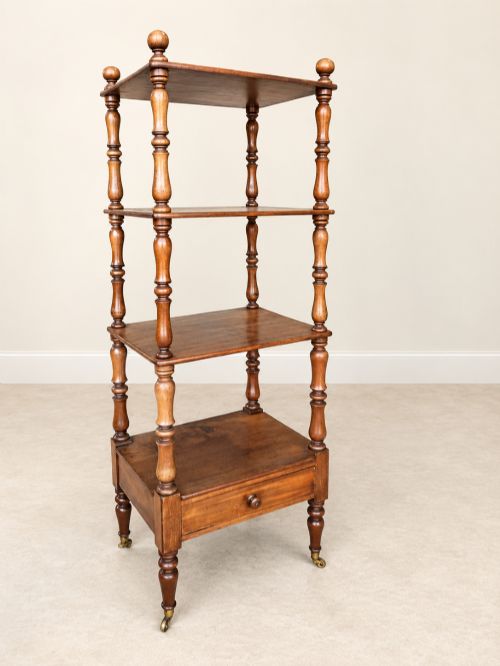
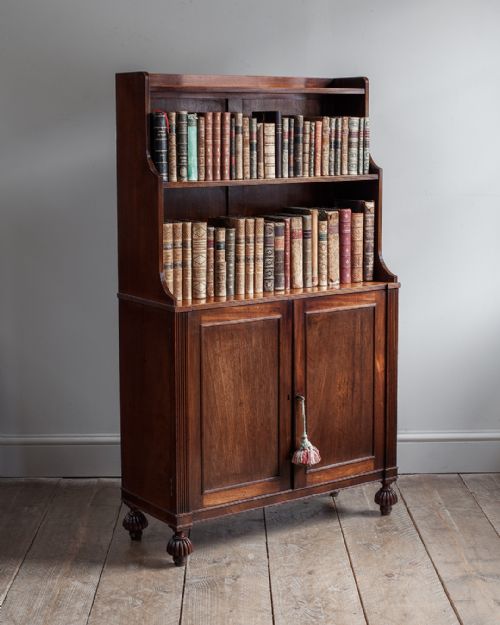
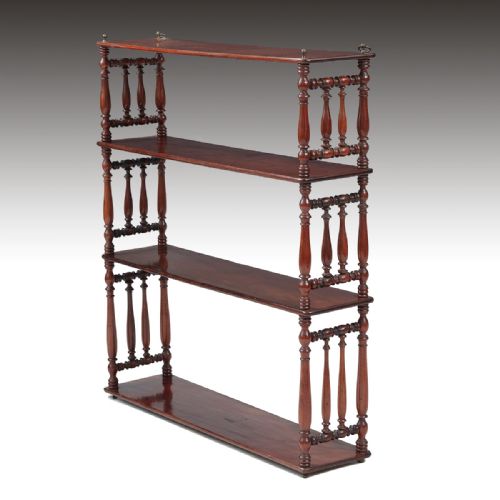
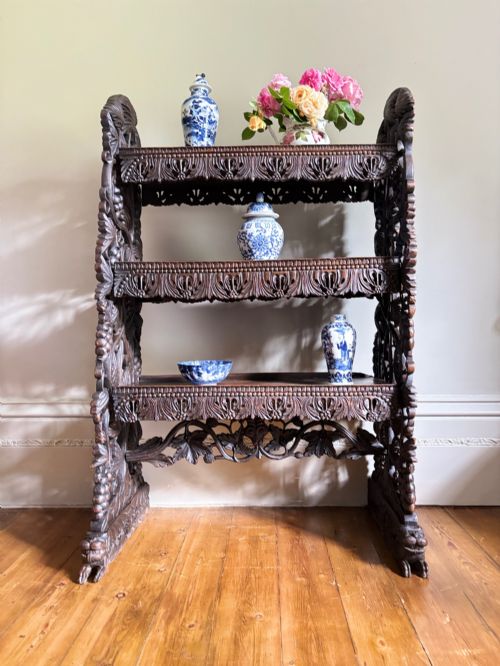
When you search for 19th century tiered shelves, you encounter pieces designed for display and storage, ranging from towering étagères to compact hanging brackets. The selection spans distinct eras including the Regency, Victorian, and Georgian periods, each bringing specific architectural proportions to the domestic interior.
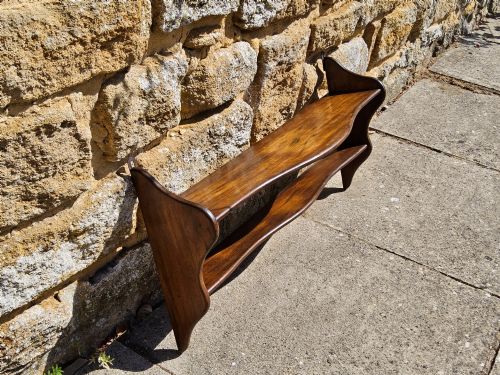
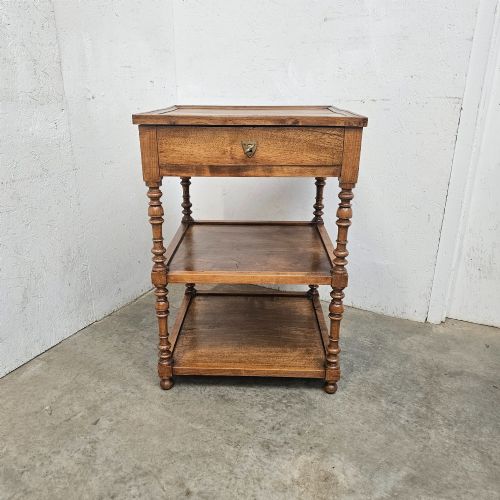
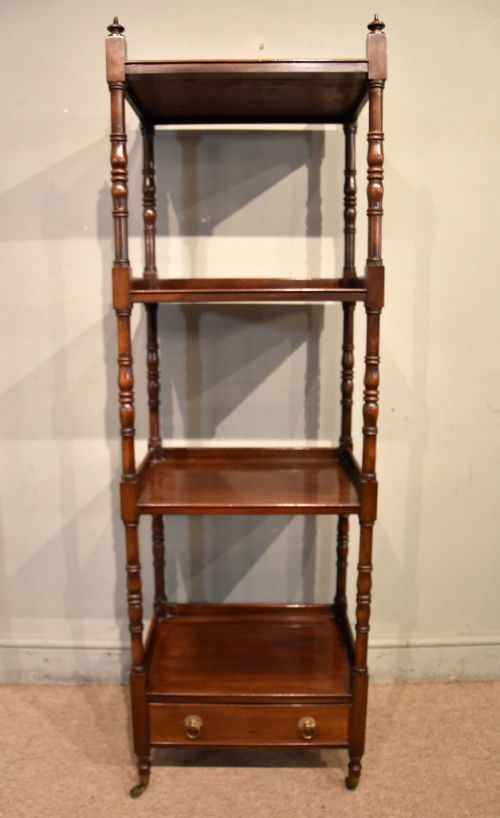
You meet multiple variations on this page, dominated by freestanding whatnots and tiered bookcases alongside wall-mounted shelves and corner units. These items served specific functional roles for holding books, ceramics, and ornaments in nineteenth-century homes, utilising vertical space efficiently.
The objects originate from diverse cabinet-making traditions, incorporating English mahogany and rosewood designs alongside French and Anglo-Indian variants. Makers utilised multiple tiers supported by turned uprights, columns, or brackets to create structured displays for precious objects.
Materials and Construction
Cabinet makers relied heavily on dense hardwoods such as mahogany, walnut, rosewood, and padauk, often selecting figured veneers like burr walnut or birdseye maple for visible surfaces. These timbers provided the structural strength required to support multiple stacked shelves without sagging under the weight of books or porcelain.
Joinery methods involved precise turning for vertical supports, dovetailing for drawer construction where integrated cupboards appeared, and secure bracket fixings for wall-hung variants. Metal elements such as brass mounts, galleries, and castors added structural reinforcement and decorative contrast to the timber frames.
Judging Quality
The caliber of a piece rests upon the selection of timber veneers and the crispness of turned columns or carved details. Finer examples display carefully matched grain patterns across every tier and solid brass fittings rather than plated base metals.
Structural integrity dictates the standing of an item, distinguishing sturdy multi-tiered pieces with tight joints from examples that have suffered timber shrinkage or loose uprights. The precision in joinery where shelves meet supports reveals the original maker's skill.
Maison Giroux·Robert Strahan·E.W Godwin
The 19th Century Tiered Shelves Glossary
- Whatnot
- A piece of furniture consisting of a set of open shelves for displaying small objects. These tiered stands appeared frequently in nineteenth-century interiors.
- Étagère
- A piece of furniture with a number of open shelves for displaying ornaments. Originating in France, these decorative stands utilised tiered platforms.
- Waterfall bookcase
- A set of open shelves where each tier steps back progressively from the one below. This design profile creates a cascade effect popular in Regency and Victorian rooms.
- Ebonised
- Wood treated to imitate ebony through staining or painting. This dark finish gained widespread popularity during the Victorian era for decorative display pieces.
- Dumb waiter
- A tiered piece of freestanding furniture used for serving food or holding tableware. Examples from the nineteenth century often incorporated multiple revolving or fixed circular trays.
19th Century Tiered Shelves: Frequently Asked Questions
Where were tiered shelves placed in period homes?
Nineteenth-century households positioned these open storage units in drawing rooms, parlours, and libraries where books and decorative ornaments needed to be visible and accessible.
Freestanding models often stood against walls or in corners, while smaller variants hung directly on wall fixings to utilise restricted spaces.
How do I tell a Regency whatnot from a Victorian one?
Regency pieces typically display classical restraint with cleaner architectural lines, using mahogany or rosewood with delicate brass details. Victorian iterations often embrace heavier proportions, incorporating burr walnut veneers, elaborate turnings, or ebonised finishes.
Examining the secondary timbers and the style of the turned uprights helps clarify the manufacturing decade.
Can these antique shelves support heavy books?
Many tiered bookcases and whatnots were engineered to hold heavy volumes, particularly library editions and bound journals. However, slender hanging shelves or delicate étagères suit lighter decorative objects and ceramics better than dense libraries.
What is the difference between an étagère and a whatnot?
While both terms describe multi-tiered shelving units, étagères historically lean towards decorative French styling for displaying ornaments and porcelain. Whatnots frequently served more utilitarian roles in English rooms, accommodating a mix of books, tea equipment, and general household items.