





Brown Wood Display Rack
A brown wood display rack organises books and small items on shelves, bringing functional timber architecture into domestic rooms.
Brown Wood Display Rack
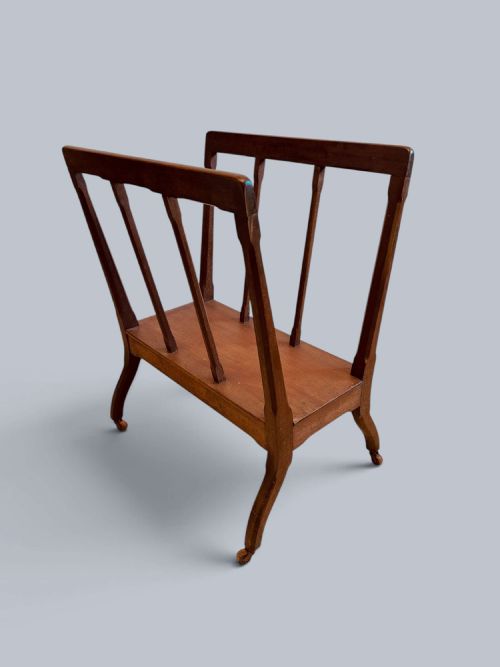
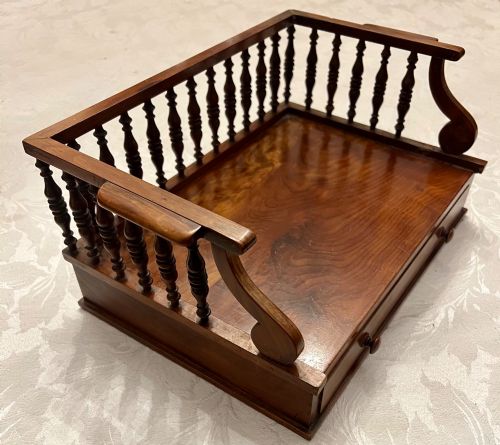
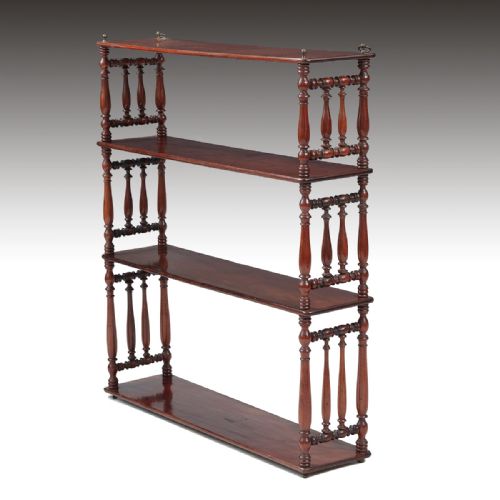
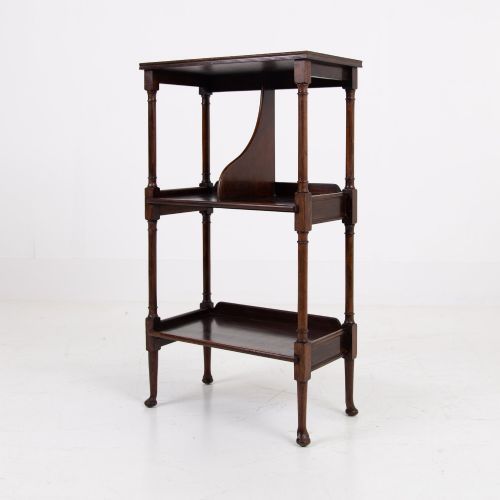
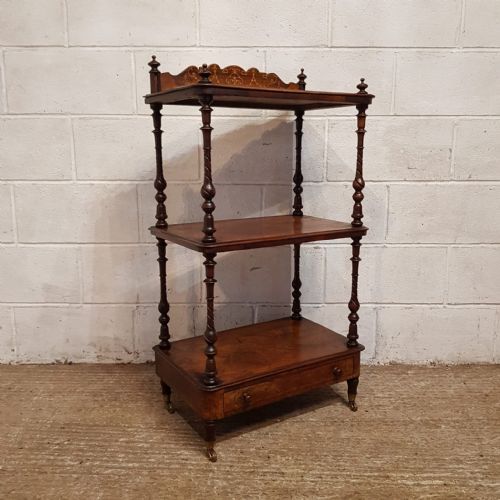
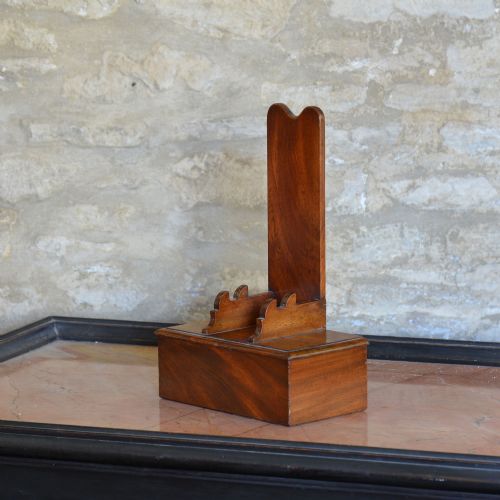
A brown wood display rack encompasses wall shelves, bookcases, dressers, whatnots, folio stands, and display stands. When exploring this selection, buyers encounter timber structures originating from the 18th century, the Regency and Victorian eras, up to the Edwardian period and the early 20th century.
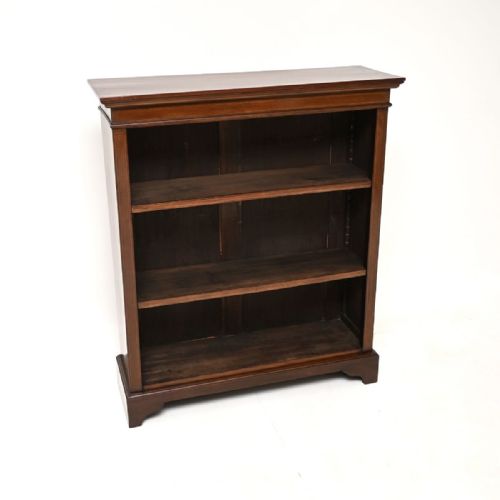
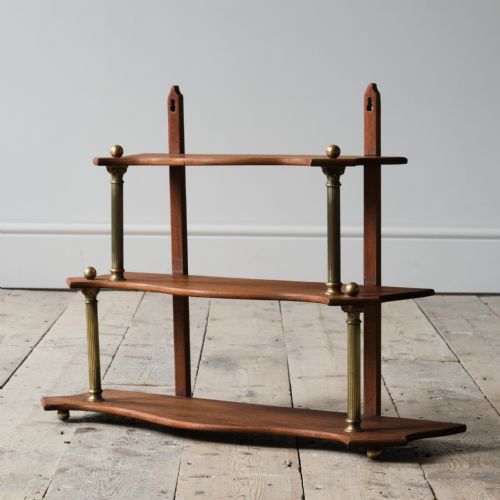
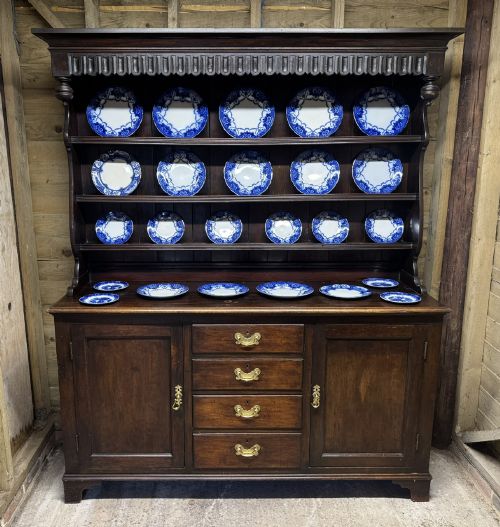
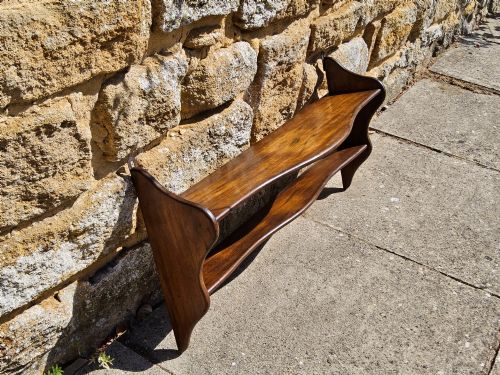
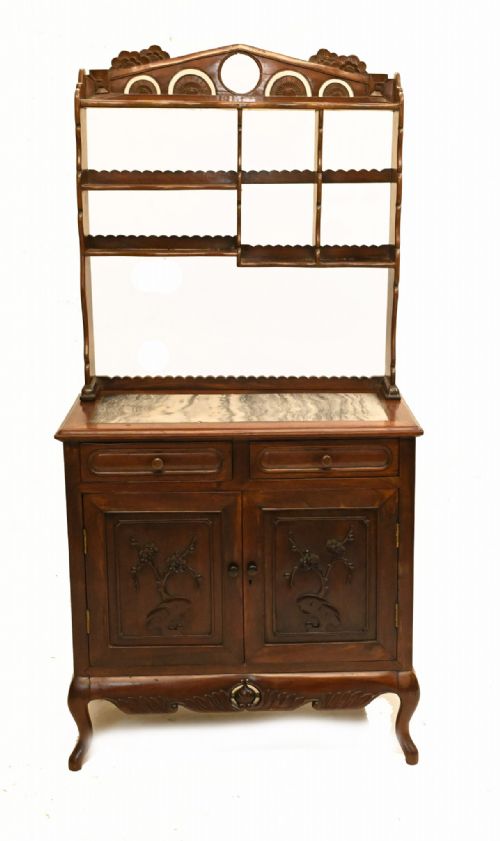
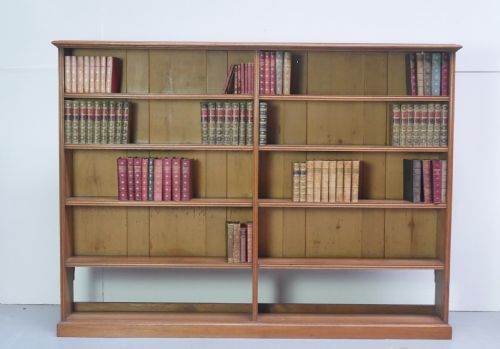
The dominant forms present on this page are wall hanging shelves, open bookcases, and large or small dressers with racks. These pieces serve to hold books, plates, and decorative objects in living spaces.
Origins range widely across eras, taking in Georgian, Victorian, and Edwardian examples alongside specific regional designs like Welsh and Ipswich oak furniture.
Materials and construction
Makers utilised various brown timbers including mahogany, oak, walnut, cherry wood, satinwood, flame mahogany, maple, and chestnut. Brass fittings and iron hardware frequently appear alongside these hardwoods to support shelves and secure joints.
Construction methods vary from multi-tiered whatnots and étagères to wall-mounted shelves and large dresser bases paired with upper plate racks. Carving, inlay work, and adjustable mechanisms appear on specific bookcases, music stands, and artist folio stands.
Brown Wood Display Rack Retail Price Guide 2026
Typical asking prices for brown wood display rack among the pieces listed under this phrase on Sellingantiques today, from the lower quarter to the upper quarter. They describe what is for sale here now, not the wider market.
Periods represented span from the 18th century and Georgian era through Regency, Victorian, Edwardian, and into the early 20th century.
Assessing the timber and form
Quality separates through the selection and figure of the timber, such as flame mahogany or burr walnut, matched with the precision of the joinery. Pieces exhibiting integrated carving, brass details, or adjustable tiers demonstrate superior craftsmanship.
The integrity of the structural frame, whether a multi-tiered whatnot or a substantial oak dresser, dictates the enduring utility of the furniture.
The Brown Wood Display Rack Glossary
- Whatnot
- A multi-shelved piece of standing furniture designed for displaying ornaments or books. These tier structures became popular during the 19th century.
- Delft Rack
- An open wall-mounted shelving unit specifically designed for displaying plates and ceramics. Examples often appear above oak dresser bases.
- Folio Stand
- An adjustable rack or stand built to hold large artist folios, prints, or architectural drawings. Regency examples often feature pivoting frames.
- Étagère
- A French term for an open tiered display stand or cabinet. These pieces provide multiple levels for showing small decorative objects.
- Plate Stand
- A specialised rack or small furniture form configured to hold plates upright for viewing. Georgian pieces often utilise mahogany.
Brown Wood Display Rack: Frequently Asked Questions
What is the difference between a whatnot and a bookcase?
A whatnot is typically an open, multi-tiered stand designed for displaying various decorative objects and small items across several levels. Bookcases are primarily built with deeper horizontal shelves specifically meant for storing books.
While both utilise brown woods like mahogany and oak, their proportions and primary functions distinguish them within a room.
Where should I place a wall hanging shelf?
Wall hanging shelves suit dining rooms, kitchens, or studies where vertical space allows for the display of plates, books, or small collections. They require secure attachment to wall studs to safely bear the weight of timber and objects.
Smaller mahogany or cherry wood versions fit well above sideboards or desks.
Can these racks support heavy books?
Sturdy open bookcases and solid oak or mahogany dressers easily support heavy volumes across their fixed or adjustable shelves. Lighter wall shelves and smaller whatnots suit lighter books and decorative ornaments rather than heavy folios.
Checking the depth of the shelves and the strength of the wall fixings ensures safe daily use.