


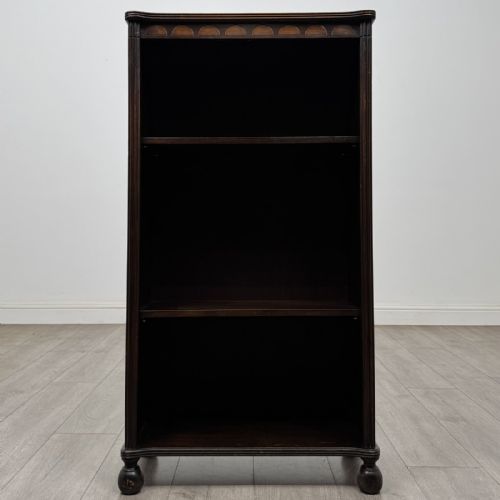

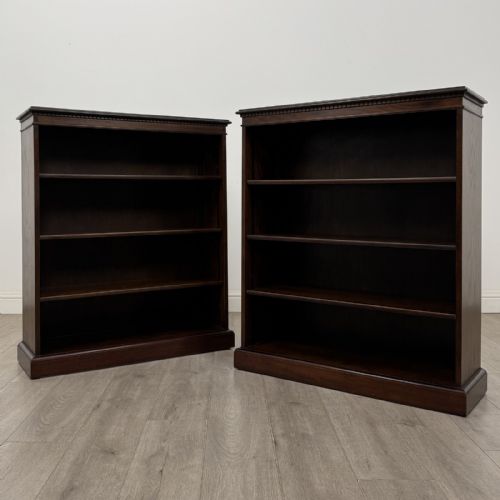
Antique Open Shelf
An antique open shelf provides accessible display and storage, bringing period character and practical utility to any room.
Antique Open Shelf
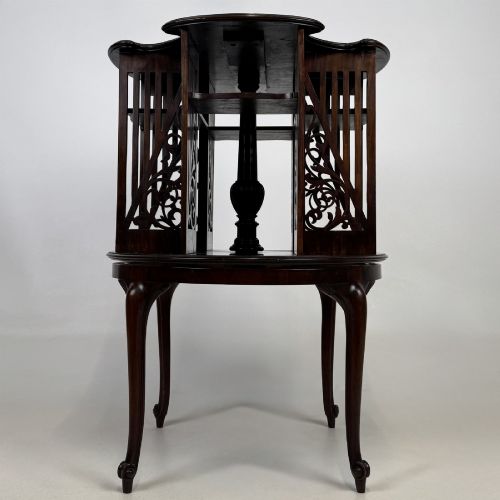
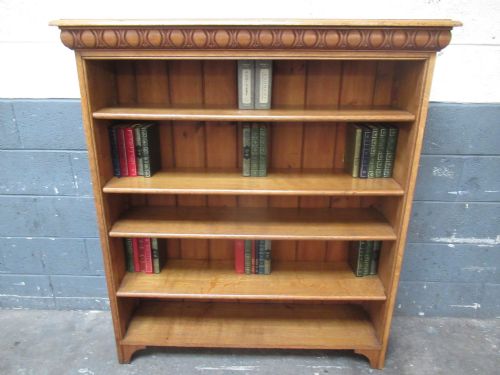
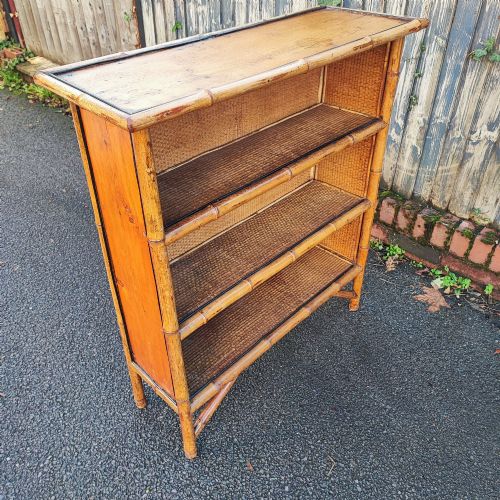
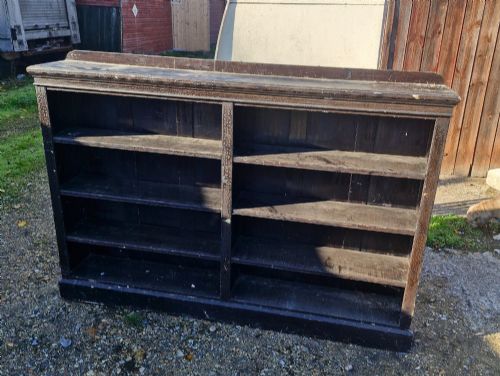
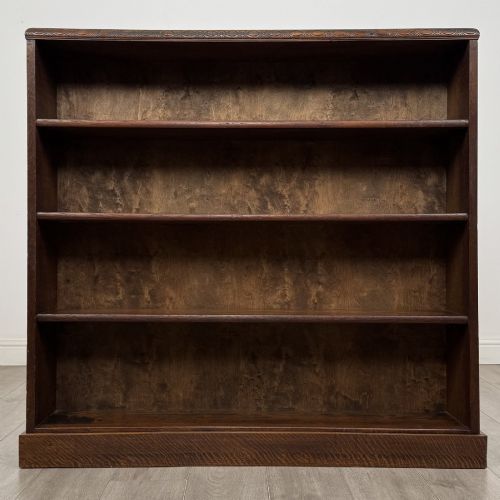
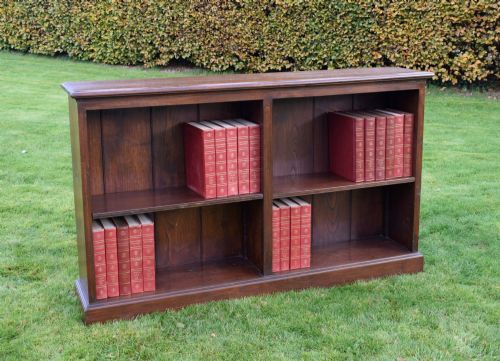
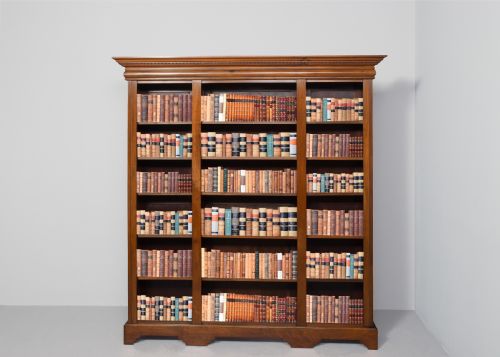
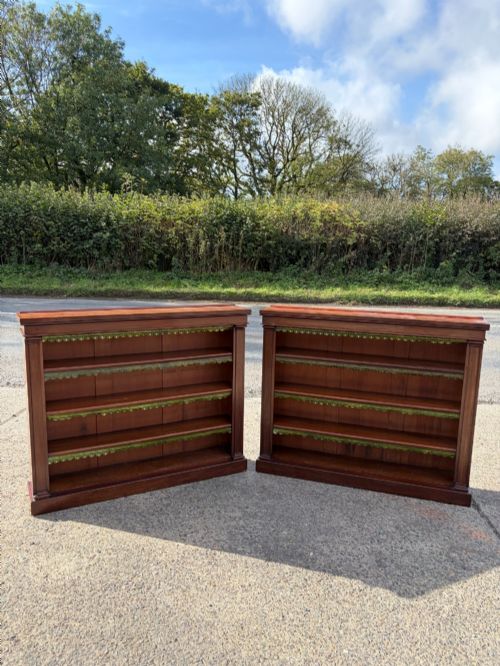
An antique open shelf encompasses bookcases, wall shelves, dressers, and whatnots designed for accessible storage and display. The pieces span the nineteenth and early twentieth centuries, reflecting changing domestic habits across the Victorian, Edwardian, and Arts and Crafts periods.
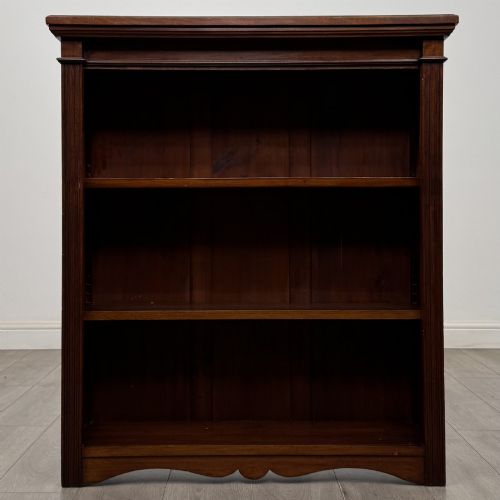
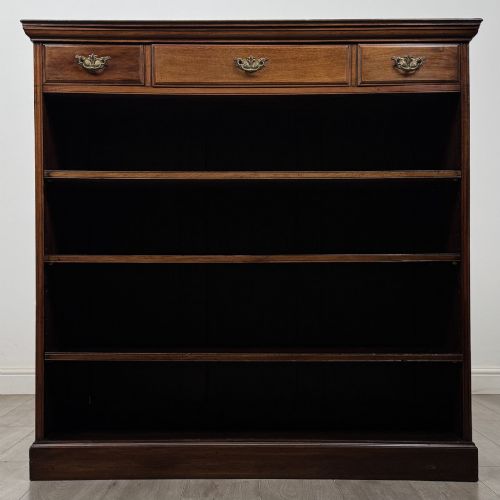
Bookcases dominate the selection, appearing in forms ranging from compact table models to large library editions with adjustable shelves. Alongside these stand tiered stands, corner cabinets, and rustic country dressers intended for everyday utility.
Origins stretch across English workshops, Scottish farmhouses, and continental design influences such as Neoclassical Empire and Moorish styles. This variety ensures an open shelf fits domestic spaces of differing proportions and periods.
How they were made
Makers utilised solid timbers like oak, mahogany, walnut, and pine, frequently selecting burr walnut and rosewood veneers for decorative impact. Brass fittings, ormolu mounts, and painted finishes provided surface contrast and ornamentation.
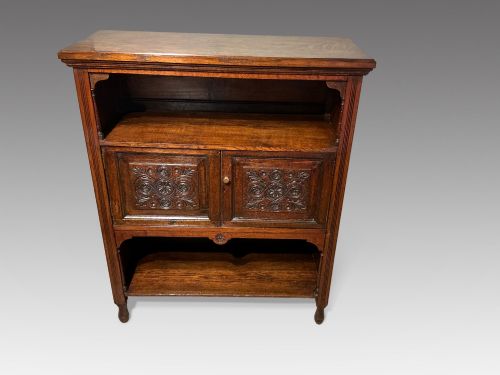
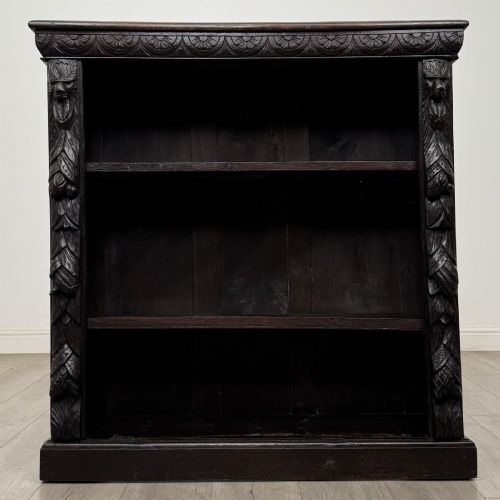
Construction relied on traditional joinery techniques suited to the weight of books and display objects, incorporating fixed or adjustable shelving systems. Carved details, barley twist supports, and inlaid motifs appeared across Victorian and Edwardian examples.
Antique Open Shelf Retail Price Guide 2026
Typical asking prices for open shelf among the pieces listed under this phrase on Sellingantiques today, from the lower quarter to the upper quarter. They describe what is for sale here now, not the wider market.
Formats range from compact wall-hanging cabinets and whatnots to large freestanding library bookcases.
What varies in quality
The selection of timber underpins the distinction between standard utility items and finer pieces, with figured burr walnut and rich rosewood commanding attention. The choice of solid oak or mahogany also dictates the structural integrity and visual weight of the bookcase.
Refinement in carving, the integration of ormolu mounts, and thoughtful proportions separate workshop pieces from mass-produced items. Details such as adjustable shelving mechanisms and balanced architectural lines elevate a piece from simple storage to accomplished cabinet making.
Gabriel Viardot·Johnstone and Jeanes
The Antique Open Shelf Glossary
- Whatnot
- A tiered set of open shelves used for displaying ornaments and small objects, popular during the Victorian period. These pieces often feature turned uprights or barley twist supports.
- Waterfall bookcase
- A graduated set of open shelves where each tier recedes from the one below, creating a stepped profile. This style gained popularity during the Regency era.
- Ormolu
- Gilt bronze ornamentation applied to furniture, frequently seen enhancing nineteenth-century walnut and mahogany pieces. The technique adds a metallic lustre to the timber framework.
- Potboard dresser
- A traditional kitchen or dining room dresser featuring an open lower shelf beneath the main surface, originally designed for storing heavy earthenware pots. Scottish and regional English examples often show robust oak construction.
- Adjustable shelves
- Shelving supported by racks, pins, or ratchet mechanisms that allow the height between tiers to be altered. This feature appears frequently in larger Victorian and later bookcases.
Antique Open Shelf: Frequently Asked Questions
What is an open shelf bookcase?
An open shelf bookcase is a piece of furniture without doors, designed for the immediate display and retrieval of books or decorative items.
These pieces range from small wall-mounting units to large freestanding library bookcases spanning the Victorian and Edwardian eras.
How do I date an open shelf?
Dating relies on observing the prevailing timber choices, stylistic markers, and construction methods characteristic of periods like the Georgian era, Victorian period, or Arts and Crafts movement.
Details such as carved oak motifs, mahogany veneers, or painted pine finishes help place a piece within its manufacturing decade.
Were these pieces used only for books?
While primarily built for libraries and studies, open shelves served diverse domestic functions including display cabinets, kitchen dressers, and bedside storage.
Whatnots and tiered stands were specifically intended for displaying ornaments, ceramics, and music volumes in drawing rooms.
Are the shelves adjustable on older bookcases?
Many nineteenth and early twentieth-century open bookcases feature adjustable shelving systems utilising wooden ratchets, metal pins, or sliding tracks.
This adaptability allowed owners to accommodate books of varying heights within the same cabinet.