
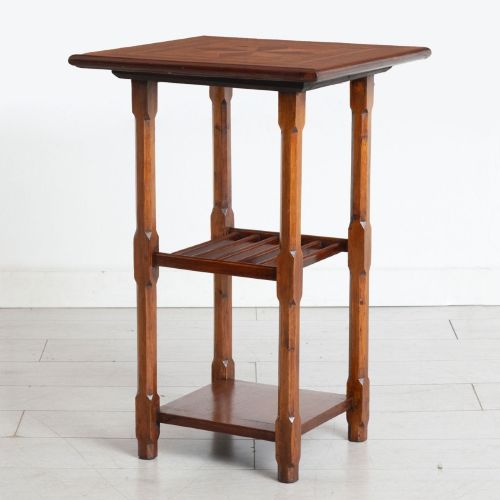
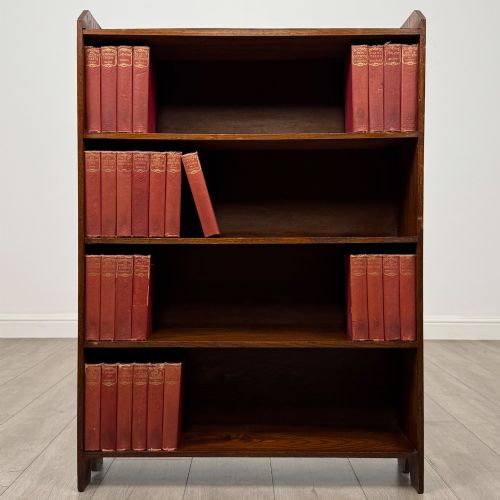
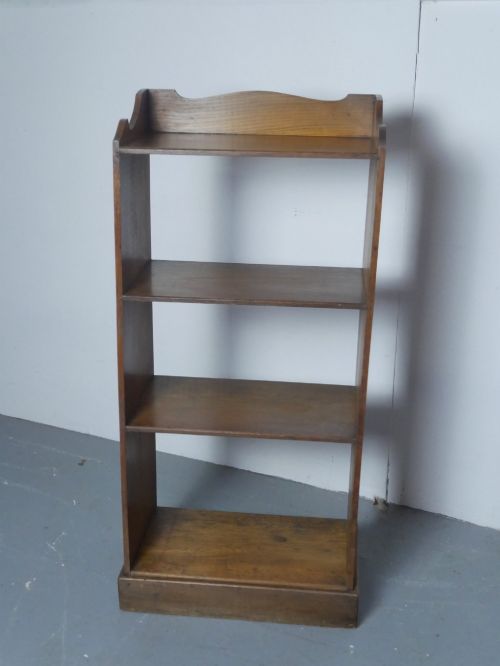
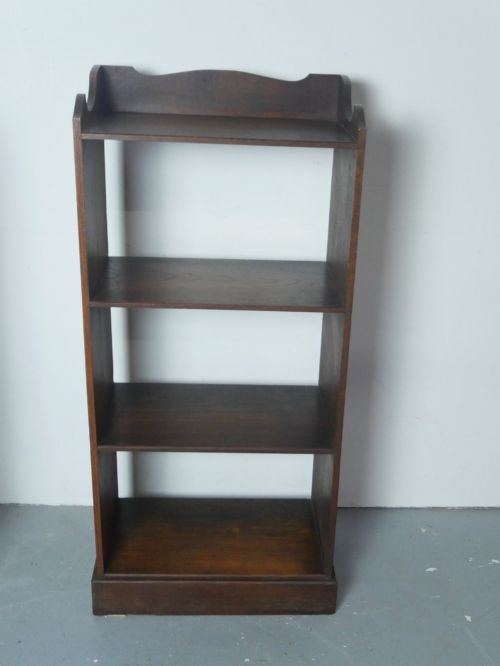
Standing Oak Display Shelves
Standing oak display shelves combine practical storage with robust timber construction, serving as versatile furniture for books and display items across various interior settings.
Standing Oak Display Shelves
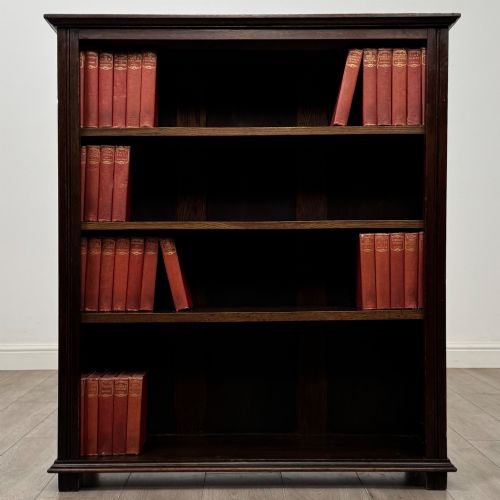
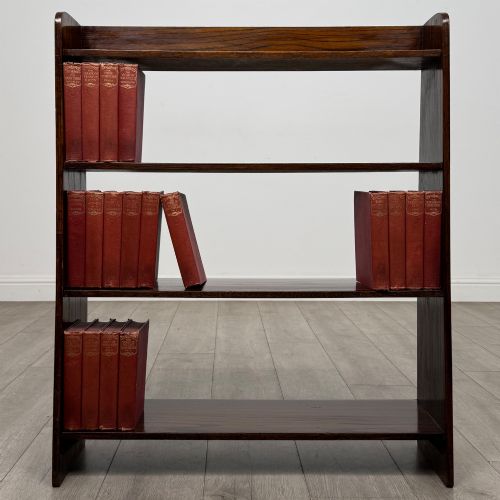
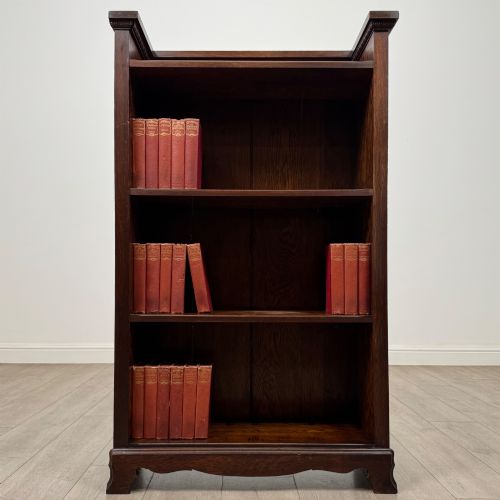
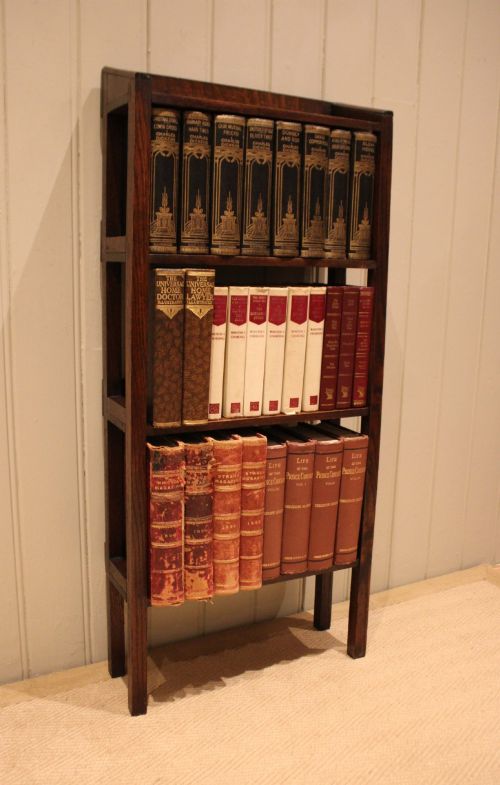
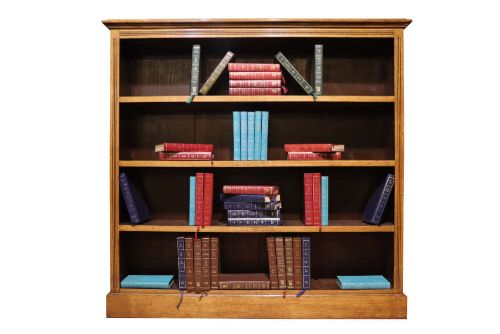
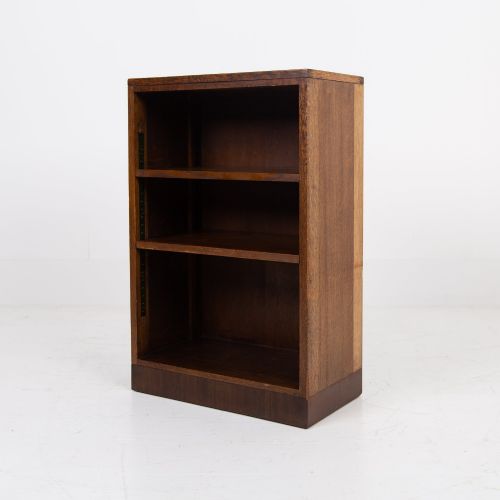
Standing oak display shelves take the form of open bookcases, shelving units, and cabinets designed to stand freely against a wall. The pieces met here span periods from the eighteenth century through the nineteenth and twentieth centuries, encompassing Edwardian, Victorian, and Art Deco designs.
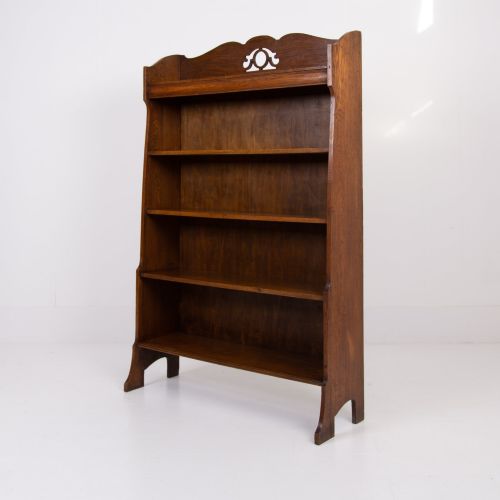
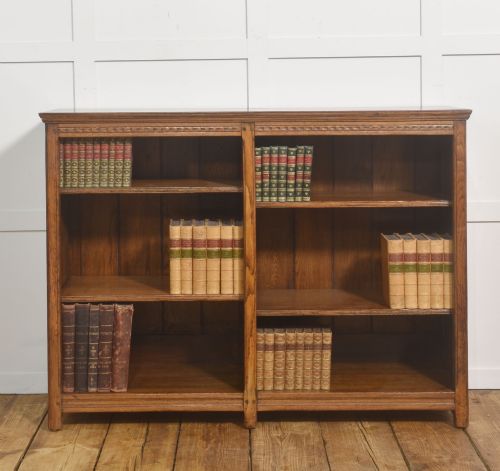
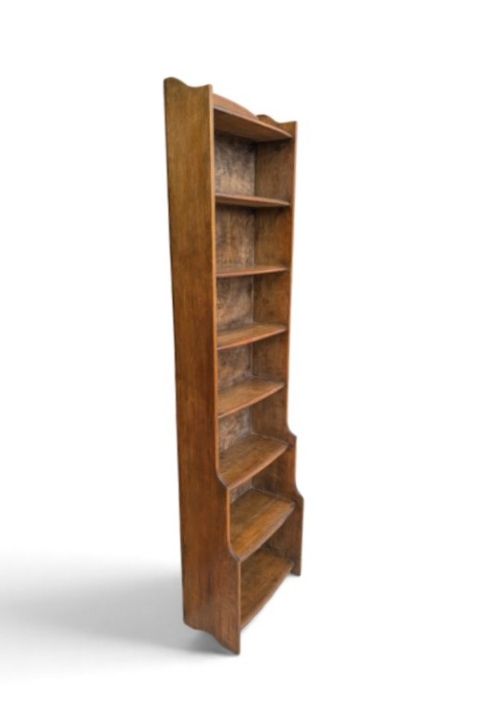
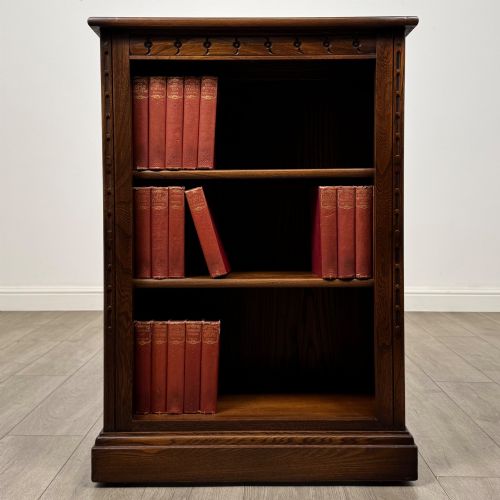
The most common examples on this page date from the Edwardian era and the early twentieth century, typically constructed as open bookcases in oak. Alongside standard rectangular bookcases, variants include waterfall formats, pieces with adjustable shelves, and related forms like side tables and cupboards.
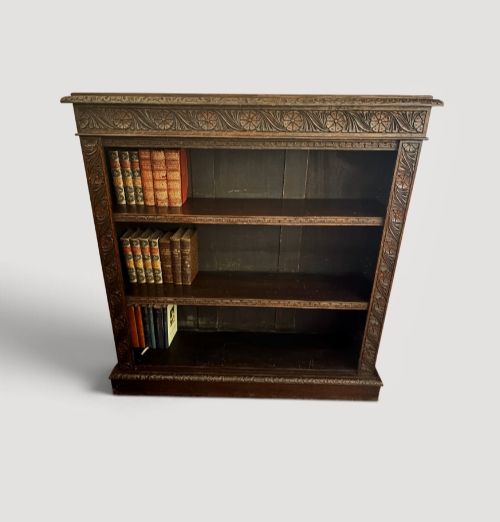
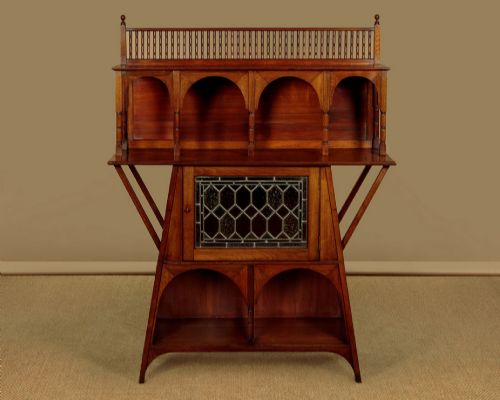
Origins range across English craftsmanship and continental styles such as French Provincial, incorporating decorative details like fret-cuts, mouldings, and carved elements. These standing units provide accessible storage whilst displaying volumes and decorative objects.
Judgement of Quality
Quality in these pieces rests upon the selection of the oak timber and the precision of the construction, where tighter grain and sound joints distinguish finer examples from plain utilitarian shelving. The integration of decorative elements, such as carved mouldings, fret-cuts, or adjustable shelf mechanisms, separates standard workshop production from more considered pieces.
Proportion and balance also define the upper tier of the range, ensuring that standing shelves maintain visual stability alongside their physical utility. The preservation of original surface finishes and secondary materials like brass hardware contributes significantly to the standing of an individual piece.
Listings feature oak construction spanning Edwardian, Victorian, Arts and Crafts, and Art Deco styles.
Liberty & Co.·Heals
The Standing Oak Display Shelves Glossary
- Open bookcase
- A piece of standing furniture featuring horizontal shelves without front doors, designed for the display and storage of books.
- Waterfall bookcase
- A standing shelving unit where each successive shelf is narrower or set back from the one below, creating a stepped profile.
- Arts and Crafts
- A design movement of the late nineteenth and early twentieth centuries emphasising craftsmanship, simple forms, and visible construction.
- Adjustable shelves
- Shelves resting on supports that allow their height to be altered within the bookcase interior.
- Fret-cut
- A decorative technique involving patterns pierced through thin wood or metal using a fine saw.
Standing Oak Display Shelves: Frequently Asked Questions
What periods do these shelves date from?
The selection includes pieces spanning from the eighteenth century through the nineteenth and twentieth centuries.
Edwardian and early twentieth-century examples appear most frequently among the listings.
Are the shelves adjustable?
Many of the open bookcases feature adjustable shelves to accommodate books of varying heights.
This practical adaptation allows for flexible arrangement of volumes and display objects.
What wood is used?
Oak is the primary timber across these standing units, frequently seen in golden and standard tones.
Some pieces incorporate specimen woods, inlaid timber, and secondary materials like brass or leather.
How do I place them in a room?
These standing units function well against living room or study walls for holding books and collections.
Open front designs provide immediate access to contents whilst displaying the timber grain.