
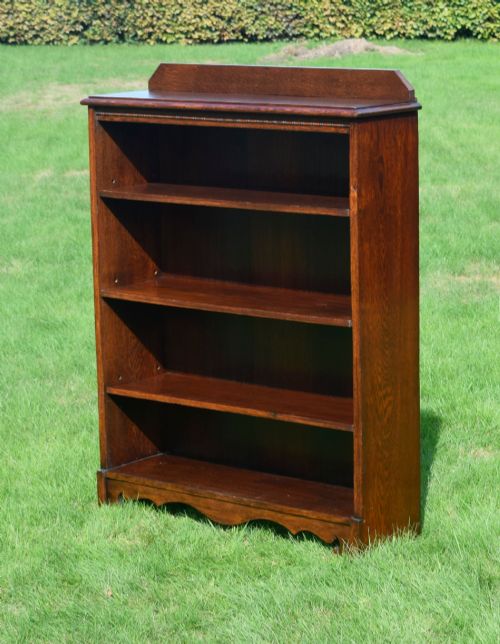
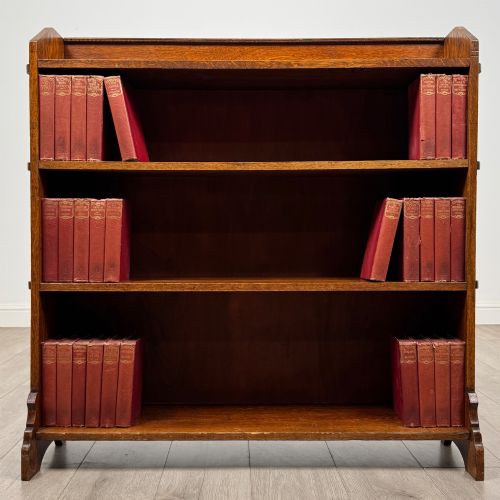
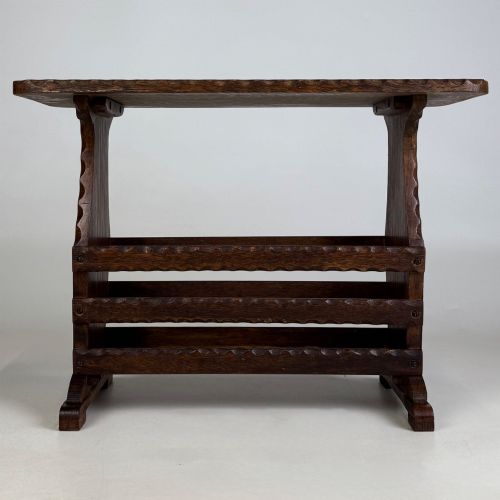
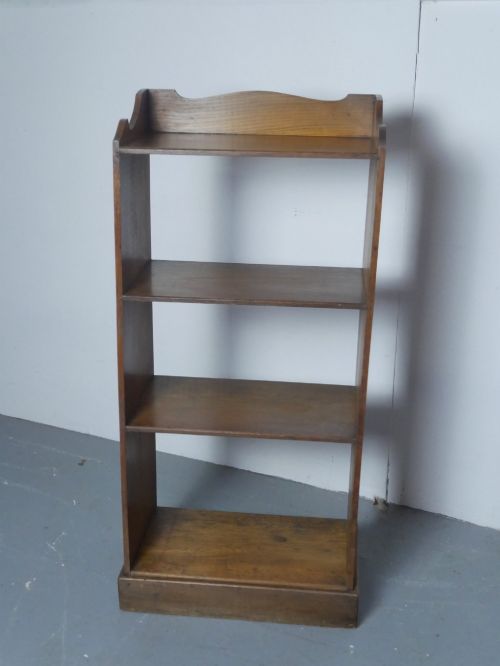


Vintage Oak Book Rack
These vintage oak book rack pieces offer sturdy utility and timber warmth, making them essential for organising home libraries.
Vintage Oak Book Rack
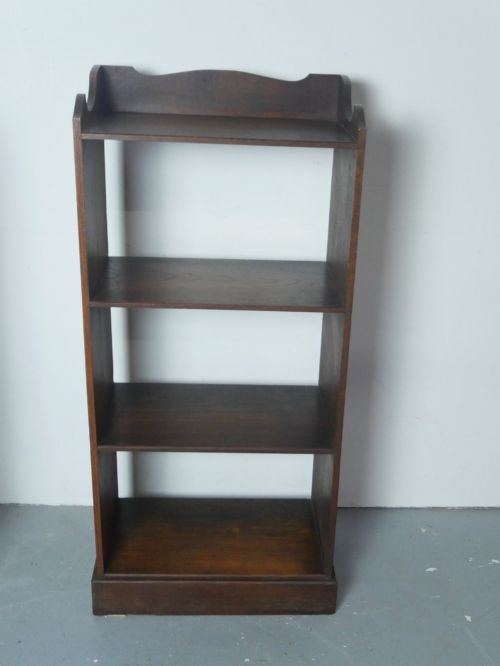
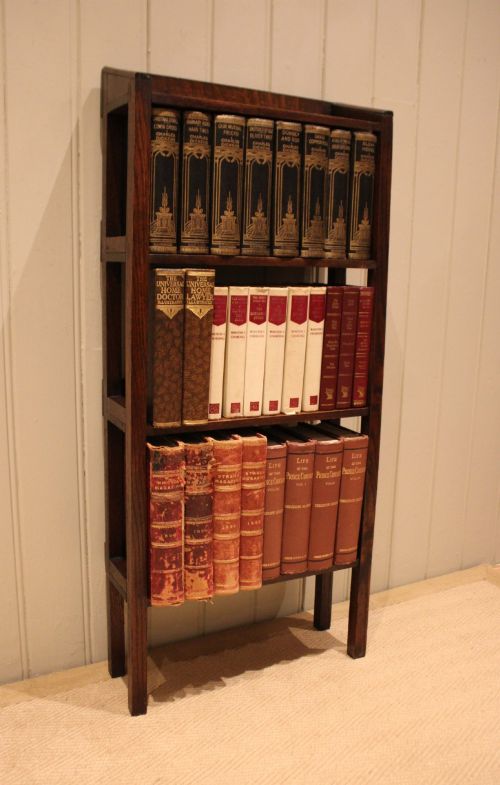
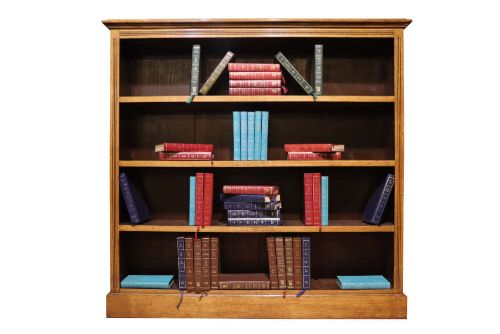
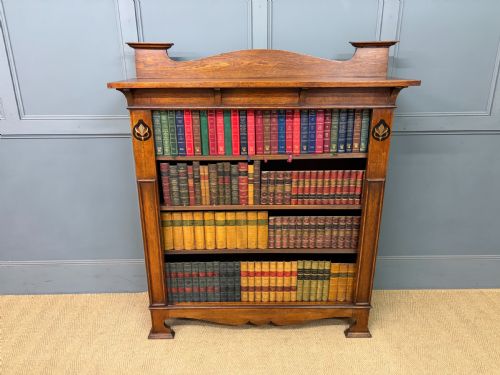
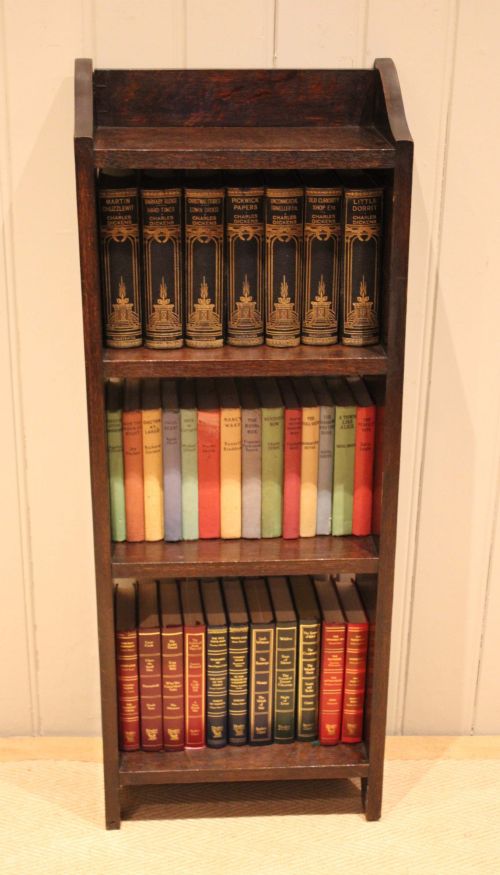
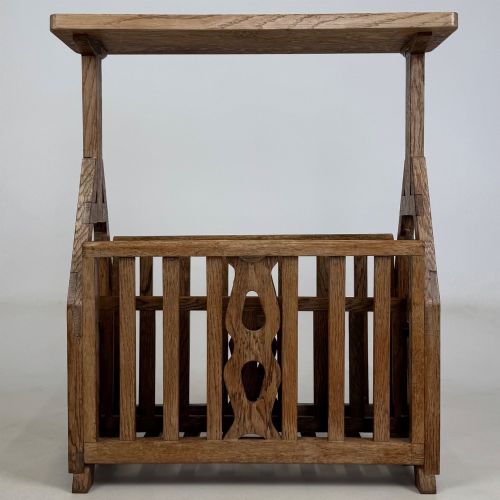
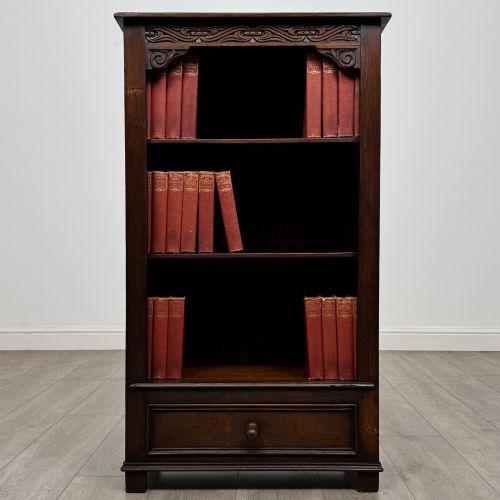
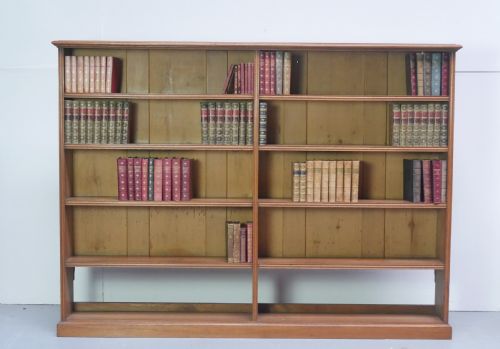
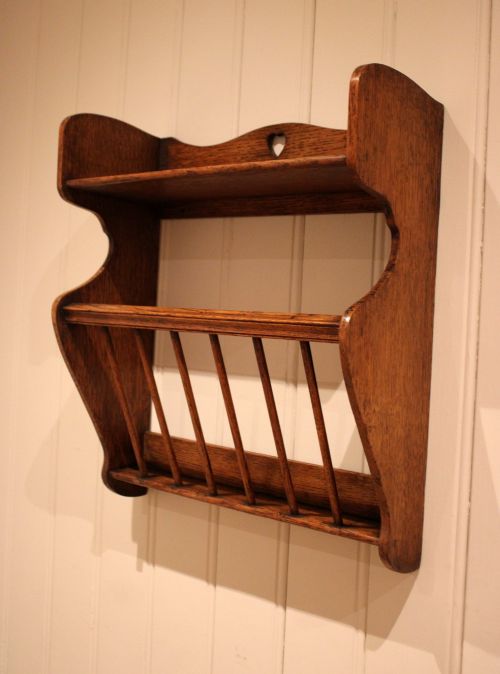
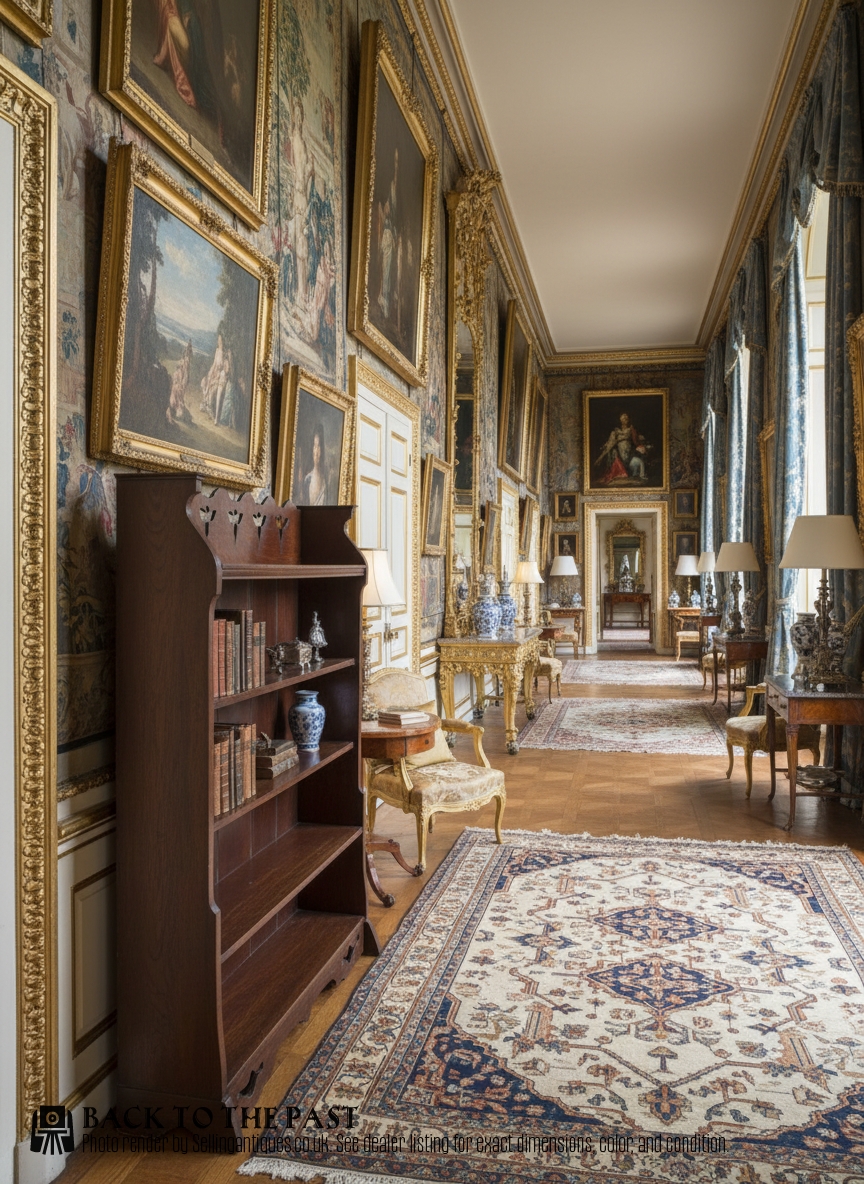
A vintage oak book rack combines solid timber construction with practical shelving or compartmentalised storage for domestic volumes. When searching for a vintage oak book rack, buyers encounter formats spanning open bookcases, magazine racks, and extending book slides.
The selection ranges from compact desktop revolving bookcases and wall shelves to tall standing units. Edwardian and early twentieth-century examples dominate the current availability, alongside Victorian and later pieces.
Makers utilised established workshop methods to produce items suited for studies, parlours, and sitting rooms. The forms reflect regional British cabinet-making traditions adapted for everyday reading habits.
Materials and Construction
Makers relied primarily on oak, selecting both golden tones and darker finishes to suit prevailing domestic tastes. Brass and iron fixtures appear frequently as hinges, handles, and extending mechanisms on slides and revolving stands.
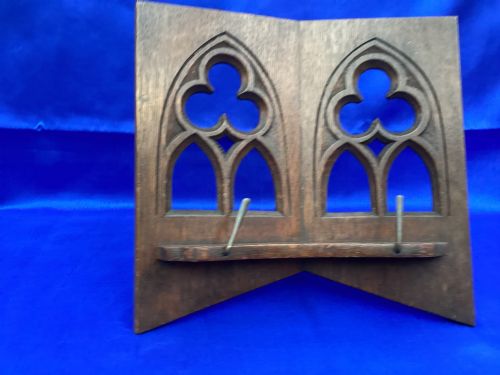
Joinery methods include traditional pegging, dovetailed joints, and beaded edges designed to withstand daily wear. Decorative touches involve carved details, marquetry, and cut-outs typical of Arts and Crafts and Art Nouveau aesthetics.
Listings span periods from the nineteenth century through the 1930s, featuring oak alongside brass, iron, and marquetry.
Assessing Quality and Craftsmanship
Quality rests upon timber selection, timber thickness, and the integrity of the joinery rather than surface ornamentation alone. Superior items display tight grain matching, robust framing, and smooth operation in moving parts such as extending book slides or revolving stands.
Proportion and restrained decorative detailing distinguish finer workshop output from utilitarian utility pieces. Original brass hardware and well-preserved patination elevate the standing of a piece within its period.
The Vintage Oak Book Rack Glossary
- Book slide
- An adjustable rack designed to sit on a desk or table, expanding to hold a varying number of volumes upright between end supports.
- Revolving bookcase
- A compact shelving unit mounted on a rotating base, allowing access to books from multiple angles in a limited space.
- Canterbury
- A compartmentalised stand originally intended for sheet music or periodicals, often adapted to serve as a magazine rack.
- Arts and Crafts
- A design movement prioritising traditional craftsmanship, simple forms, and visible structural honesty over mass-produced ornamentation.
- Open bookcase
- A piece of furniture featuring accessible shelves without doors, common in domestic libraries from the Victorian period onward.
Vintage Oak Book Rack: Frequently Asked Questions
Where should I place an oak book rack?
These pieces suit studies, living rooms, and hallways where books or periodicals require accessible storage. Compact versions fit neatly on desks or tabletops.
Larger standing bookcases or revolving units work effectively in corners or beside seating areas to keep reading material close at hand.
How do I identify an Edwardian oak book rack?
Edwardian examples often feature lighter golden oak finishes, simple linear forms, and occasional Arts and Crafts cut-outs or carving. They date from the early twentieth century.
Makers during this period combined functional utility with restrained decorative elements suitable for middle-class homes.
What is an extending book slide?
An extending book slide uses a sliding mechanism to adjust the space available for holding a row of volumes upright. These were popular desk accessories.
Victorian and Edwardian versions frequently incorporate brass mounts and decorative end supports depicting animals or architectural motifs.
How do I care for vintage oak furniture?
Maintain oak surfaces by dusting regularly with a soft, dry cloth and avoiding placement near direct heat sources or strong sunlight. Conditioning the timber periodically preserves the finish.
Harsh chemical cleaners should be avoided to protect the natural patination built up over decades of domestic use.