


Narrow Wooden Shelving Unit
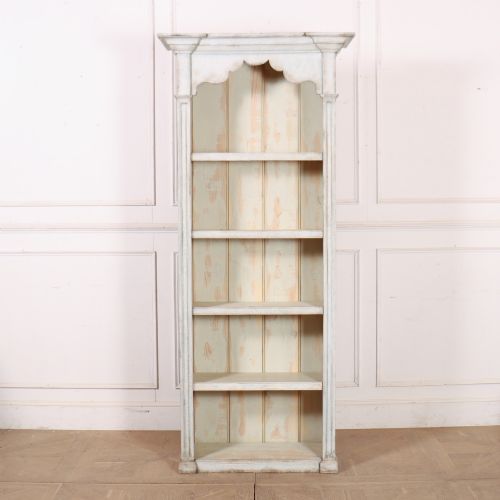
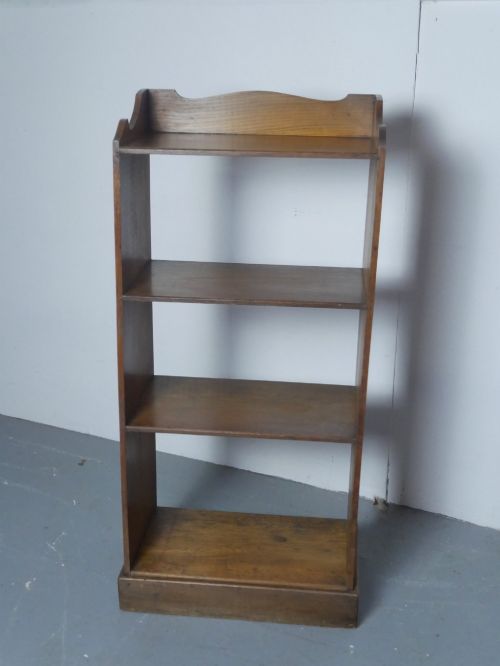
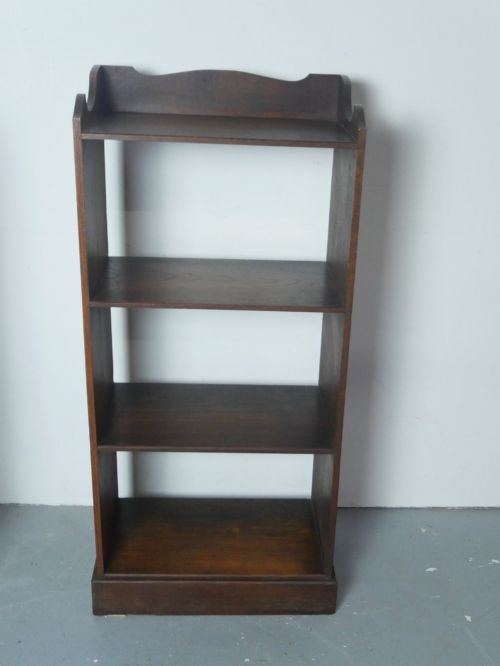
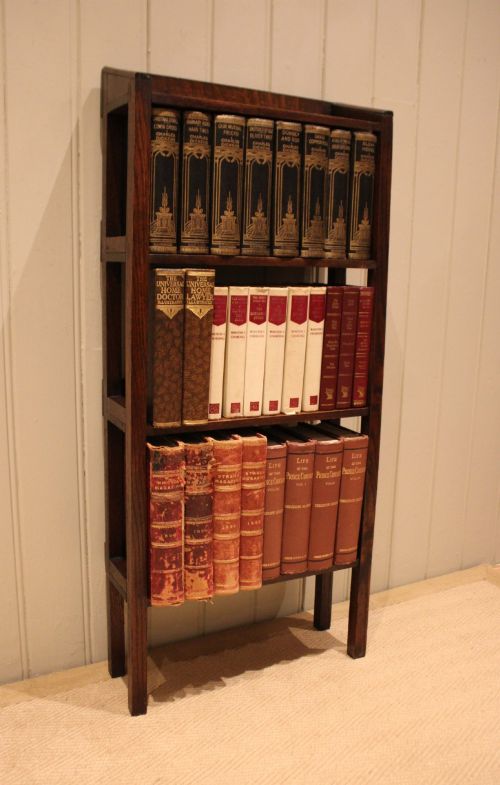
A narrow wooden shelving unit gives compact floor space a vertical line to display books and small objects in any tight corner.
Narrow Wooden Shelving Unit
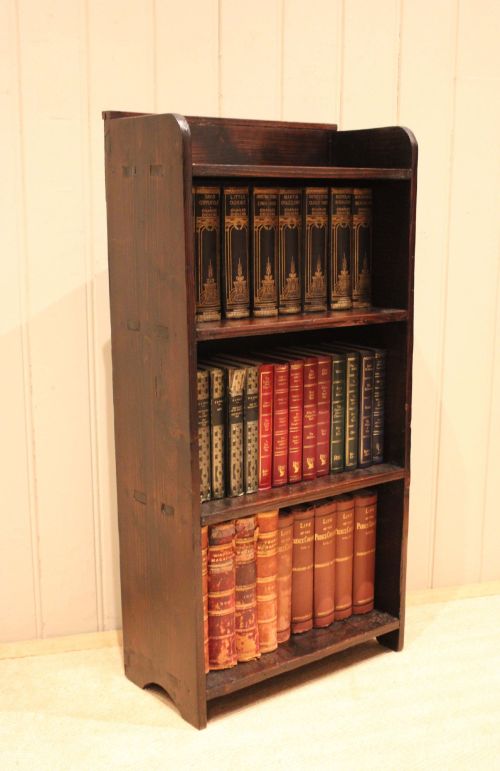
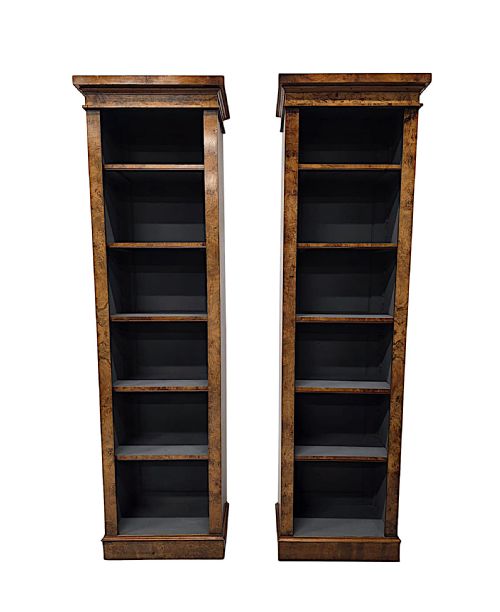
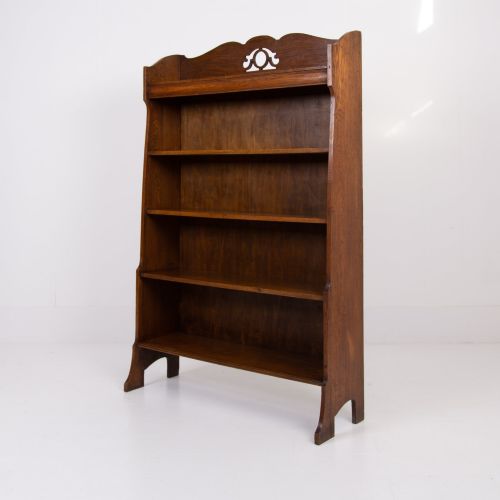
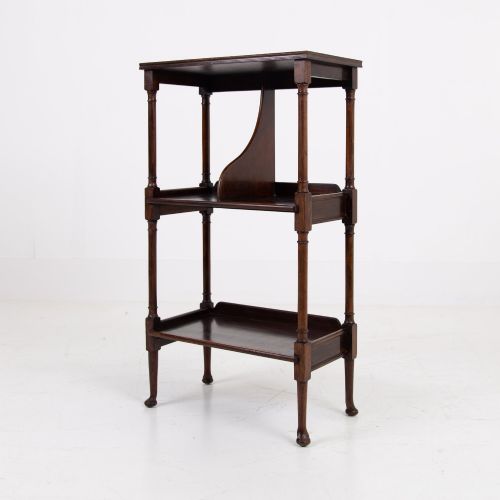
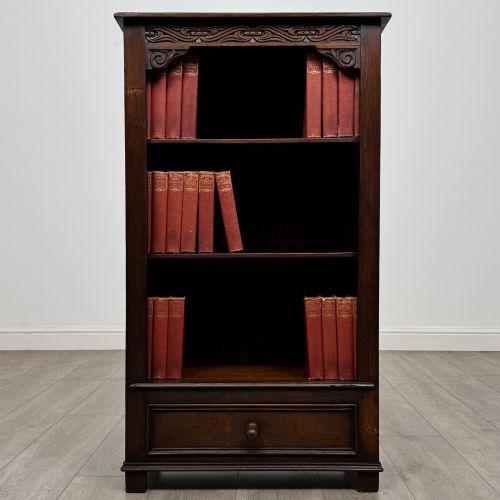
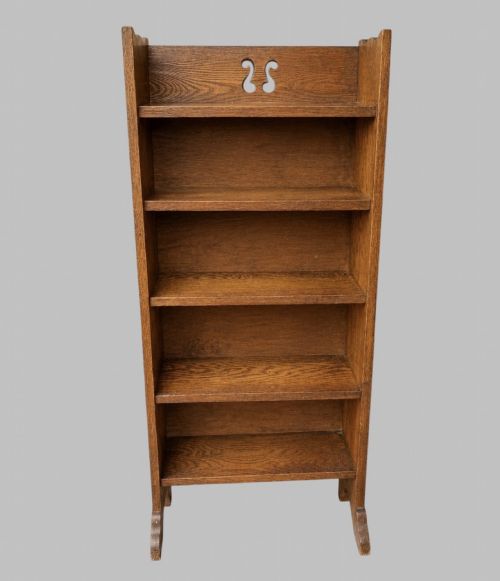
A narrow wooden shelving unit appears in various forms on this page, including open bookcases, slim bookshelves, whatnots, and waterfall bookcases. These pieces serve to organise volumes or display decorative items without dominating a room.
The periods represented span the nineteenth century, Victorian era, Edwardian period, and the nineteen-thirties. Buyers encounter styles ranging from Arts and Crafts and Art Deco to rustic country and French provincial.
Makers produced these slim storage pieces primarily to fit compact alcoves and narrow passages. The selection centres on upright forms designed to hold moderate libraries or collections.
Materials and construction
Carpenters constructed these units using hardwoods such as oak, mahogany, walnut, burr walnut, yew, and rosewood, alongside softer woods like pine. Some pieces feature painted surfaces or ebonised details.
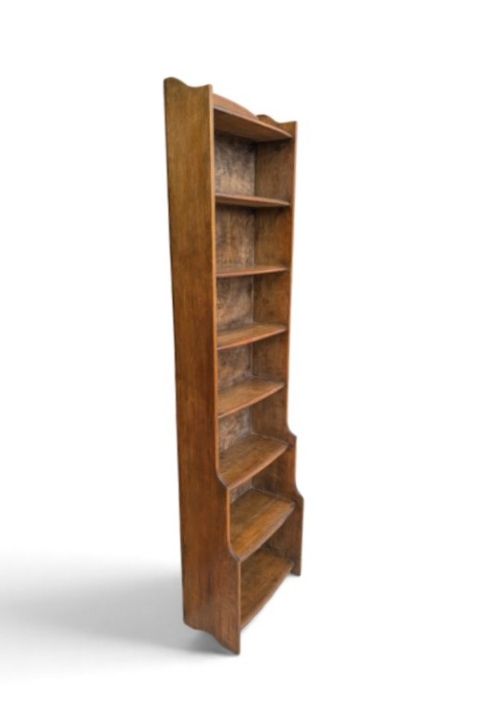
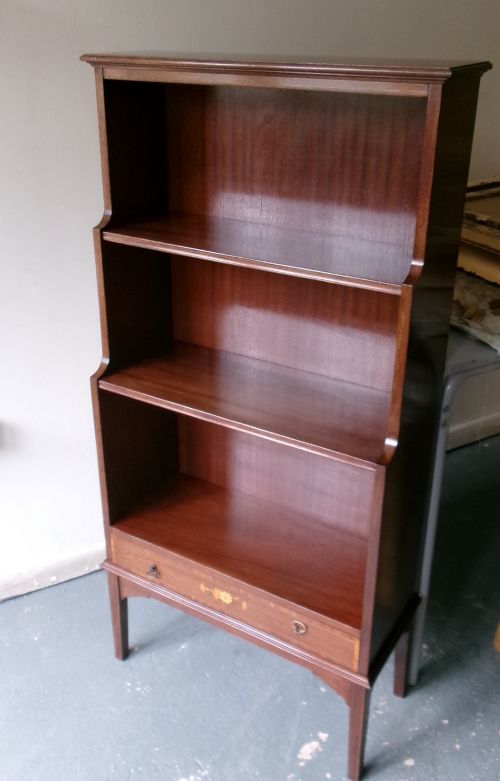
Joinery methods include open-back construction, decorative cut-outs, mouldings, and occasional inlaid woodwork or brass accents. Waterfall designs slope back progressively from bottom to top.
Listings feature woods including oak, mahogany, walnut, burr walnut, yew, rosewood, and pine, alongside painted and ebonised finishes.
What separates the tiers of quality
The choice of timber defines the grade of a piece, with figured grains like burr walnut and dense hardwoods such as mahogany or rosewood sitting apart from simpler pine or standard oak. Faux finishes also appear as an alternative treatment.
Refinement of detail distinguishes the work, seen in deliberate mouldings, inlaid decorative lines, and thoughtful joinery such as decorative cut-outs rather than plain utility framing.
The Narrow Wooden Shelving Unit Glossary
- Whatnot
- A set of open shelves for displaying small objects or books, typically standing upright on legs. These pieces emerged in popularity during the nineteenth century.
- Waterfall bookcase
- A shelving unit where each upper shelf is narrower than the one below, creating a stepped, receding profile. This form appeared frequently in Edwardian and earlier periods.
- Open bookcase
- A bookcase without doors, allowing direct access to the volumes stored within. Such units prioritise immediate visibility of book spines.
- Ebonised
- Wood treated with a dark finish to imitate ebony. This technique provided a contrasting, formal appearance on Victorian and later small furniture.
Narrow Wooden Shelving Unit: Frequently Asked Questions
Where should I place a narrow shelving unit?
These slim units suit hallways, alcoves, and compact corners where a standard bookcase proves too wide. They provide storage without crowding floor space.
Position them away from direct heat sources and strong sunlight to protect the wood and any polished finishes over time.
How do I care for wooden shelves?
Dust the timber regularly with a dry cloth and apply occasional appropriate wax or polish to maintain the sheen. Avoid excessive moisture on any surface.
Keep shelves evenly loaded to prevent unnecessary strain on the upright supports and fixed or adjustable tiers.
What is an Edwardian bookcase?
An Edwardian bookcase dates from the reign of King Edward VII, spanning the early years of the twentieth century. These pieces often utilise oak or mahogany.
Design elements from this era frequently reflect simpler domestic requirements while retaining traditional cabinetmaking techniques.
How do I identify a whatnot?
A whatnot is characterised by multiple open tiers supported by slender uprights or columns, designed specifically for display. They often occupy corners or narrow wall spaces.
Victorian and revival examples frequently incorporate turned woodwork or decorative detailing on the uppermost tier.