
Brown Oak Shelf
A brown oak shelf brings a deep, rich grain and quiet authority to any room.
Brown Oak Shelf
When you search for a brown oak shelf, you encounter sturdy pieces primarily rooted in the nineteenth and early twentieth centuries. These items draw their character from the natural figures of oak, spanning styles from Victorian and Edwardian periods to Arts and Crafts designs.
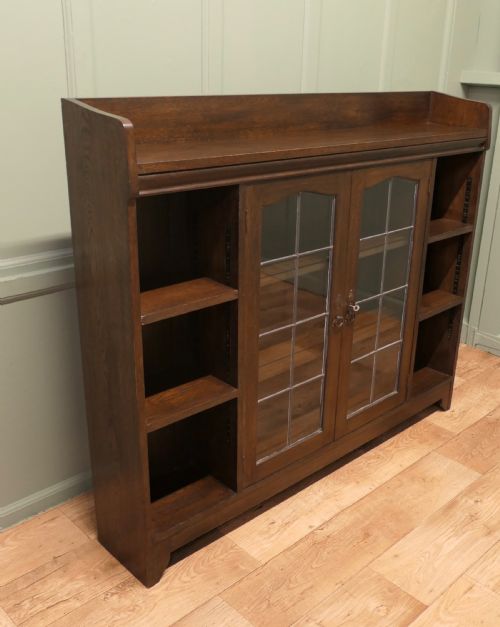
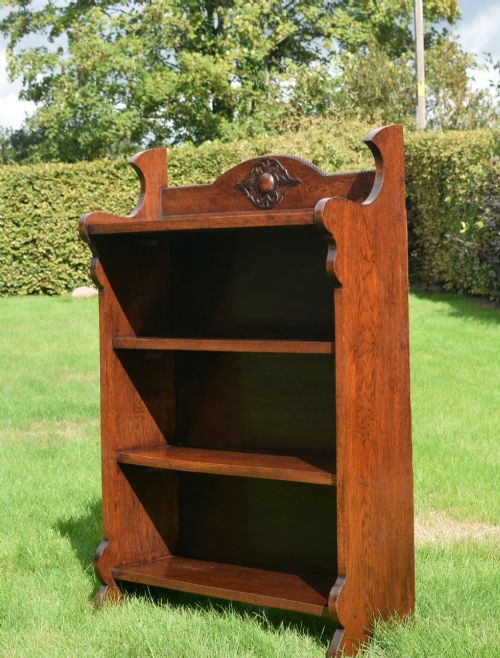
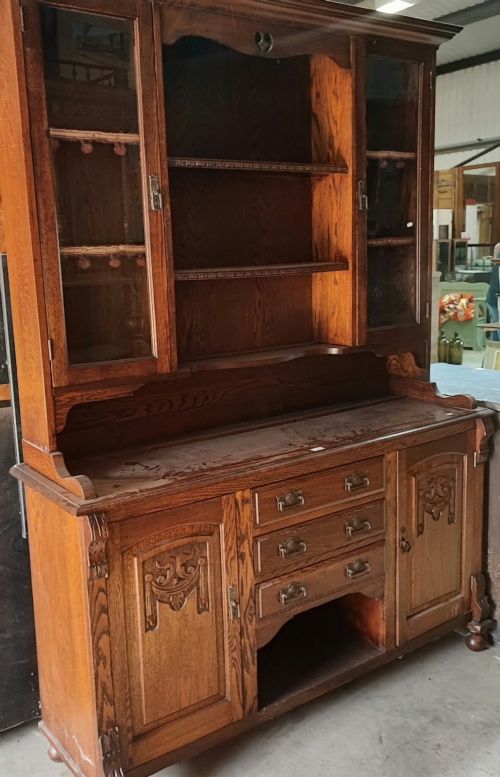
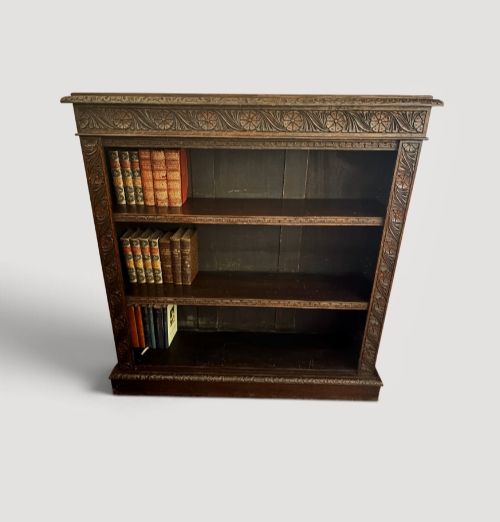
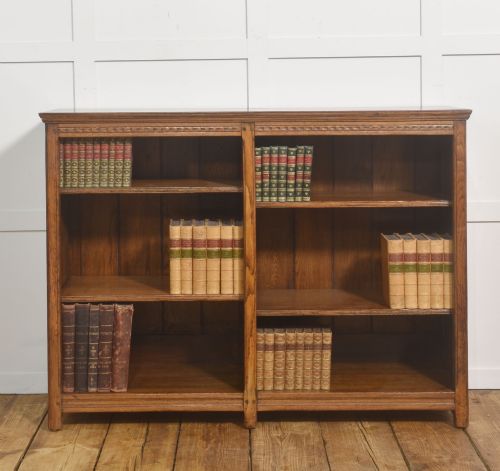
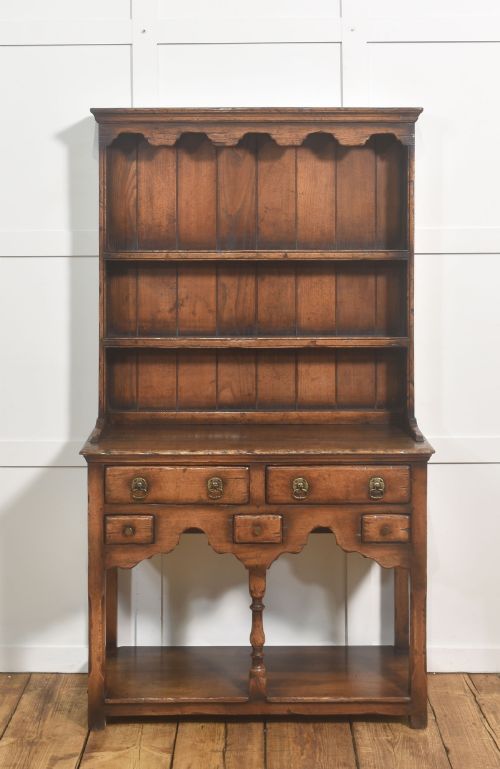
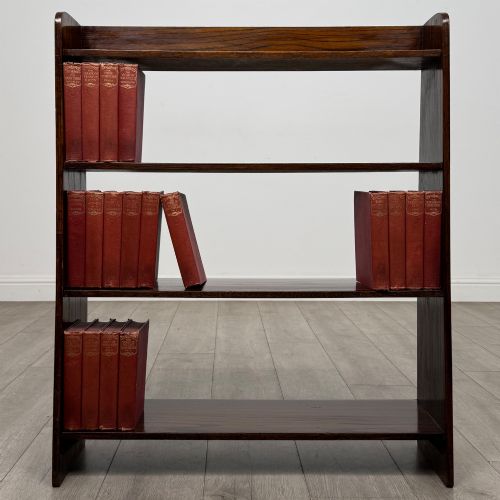
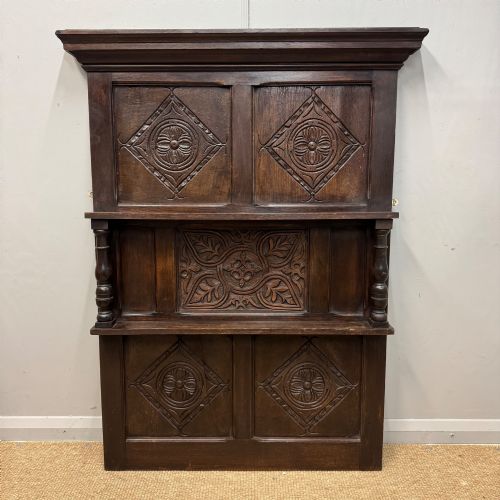
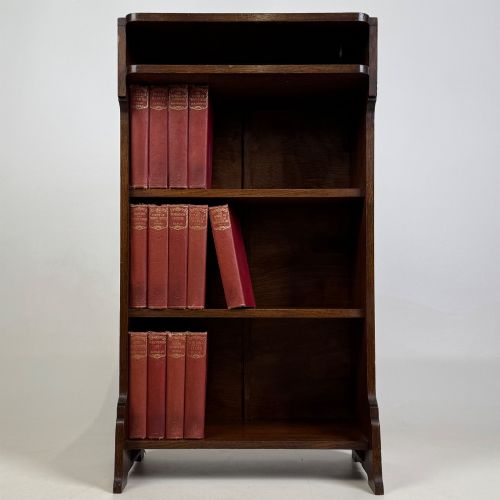
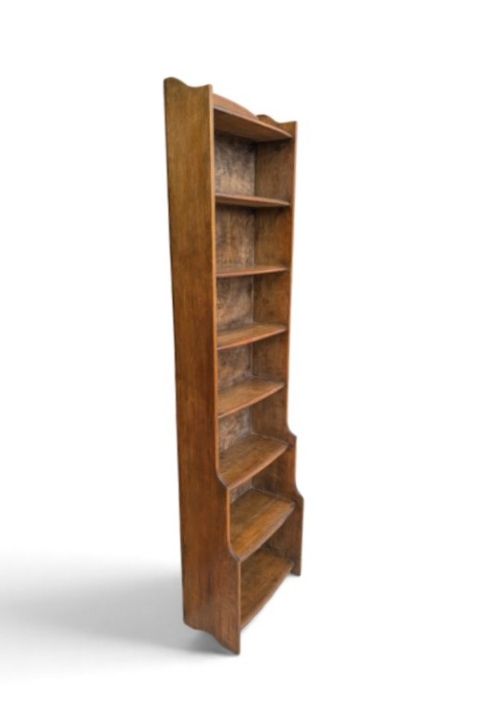
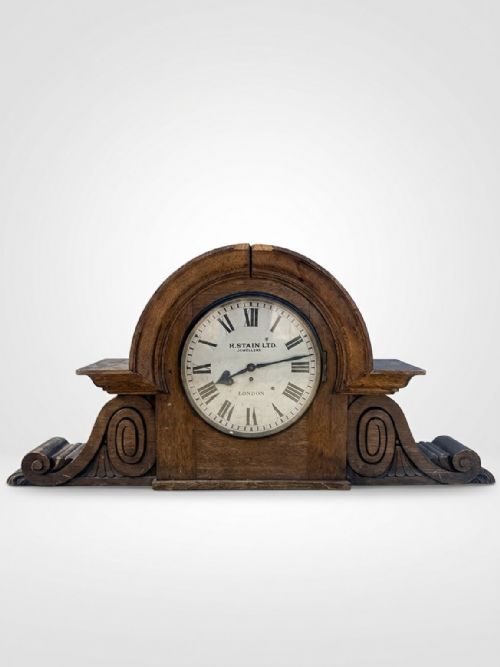
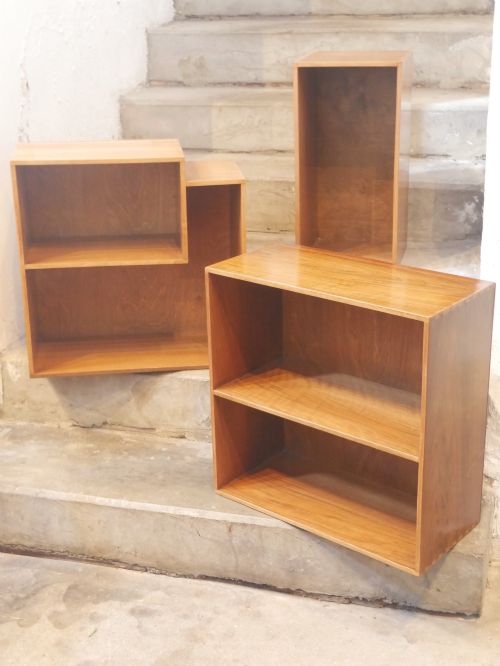
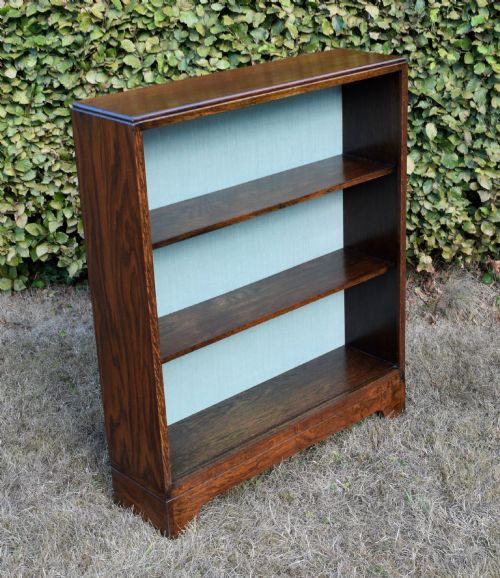
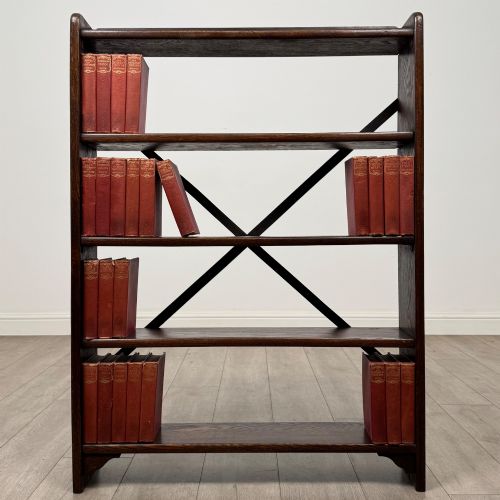
The pieces appearing on this page take various forms, most notably open bookcases, dressers with plate racks, and wall-mounted panels. You are most likely to meet straightforward open bookcases and compact shelving units produced during the Edwardian era or the 1920s.
The origins of these brown oak pieces reflect traditional British and European cabinetmaking traditions, favouring utility combined with honest craftsmanship. They serve practical domestic storage needs while displaying the warm tones inherent in mature timber.
Materials and construction
Makers utilised solid oak alongside oak veneers, sometimes incorporating brass fittings, iron hardware, or glass panels to complete the structure. The timber was selected for its distinctive grain patterns, which range from straight figuring to rich tiger oak variations.
Joinery methods relied on traditional techniques appropriate to the period, ensuring sturdy frames for domestic storage. Surfaces were finished to highlight the natural colour and texture of the wood without masking its inherent grain.
Library carts originally designed to wheel heavy volumes down narrow institutional aisles now happily ferry teacups across domestic floors.
Assessing quality and finish
The distinction between standard examples and finer items rests in the selection of the timber and the depth of the grain figure. Richly figured tiger oak and carefully matched boards elevate a piece beyond basic utility.
Proportion and the crispness of any carved detailing also define the upper tier of these items. Pieces that balance unpretentious utility with refined surface finishing demonstrate the maker's competence.
Heal s·Arthur Simpson of Kendal
The Brown Oak Shelf Glossary
- Tiger oak
- A descriptive term for oak timber featuring prominent medullary rays that create a striped, shimmering pattern. This figure appears frequently in high-end Victorian and Edwardian furniture.
- Plate rack
- A wall-mounted or dresser-integrated frame fitted with horizontal slats designed to hold plates upright. These functional elements are common on traditional kitchen and dining dressers.
- Arts and Crafts
- A design movement originating in the late nineteenth century that emphasised handcrafting, simple forms, and honest materials. It rejected mass production in favour of traditional joinery.
- Overmantel
- A decorative panel, mirror, or shelf designed to sit directly above a fireplace mantel. These architectural elements often feature carved wooden frames.
- Open bookcase
- A shelving unit enclosed at the back and sides but left open at the front without doors. This form allows for easy access to books and display items.
Brown Oak Shelf: Frequently Asked Questions
What periods do these shelves come from?
The pieces span from the eighteenth century through the Victorian and Edwardian eras into the 1920s and 1930s. Most examples date from the late nineteenth and early twentieth centuries.
Earlier pieces often display Georgian proportions, while later items embrace Arts and Crafts simplicity or Art Deco geometry.
How do I care for brown oak furniture?
Keep wooden shelves away from direct heat sources and strong sunlight to prevent the timber from drying out or fading. Regular dusting with a soft, dry cloth preserves the finish.
Occasional application of suitable beeswax helps nourish the grain without building up heavy residues.
Are the shelves adjustable?
Many bookcases and shelving units from the Edwardian period onwards feature adjustable shelf heights supported by wooden racks or metal pins. This adaptability makes them practical for modern library use.
Earlier Georgian and Victorian pieces more commonly feature fixed shelves secured directly into the cabinet sides.
How do I identify tiger oak?
Tiger oak exhibits strong, dark markings across the grain caused by wide medullary rays intersecting the growth rings. When polished, these patches catch the light and resemble animal stripes.
This distinct figuring occurs naturally in quartersawn timber and is particularly prized in Victorian furniture.