




Carved Wood Wall Etagere
A carved wood wall etagere organises a room with vertical display, offering a neat platform for small treasures.
Carved Wood Wall Etagere
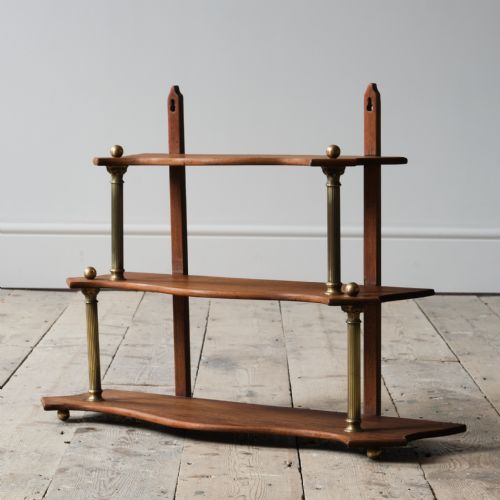
When you search for a carved wood wall etagere, you find wall hanging shelves, corner shelves, and portable bookcases dating from the nineteenth century. These hanging units lift storage off the floor, making them practical for smaller rooms or tight corners.
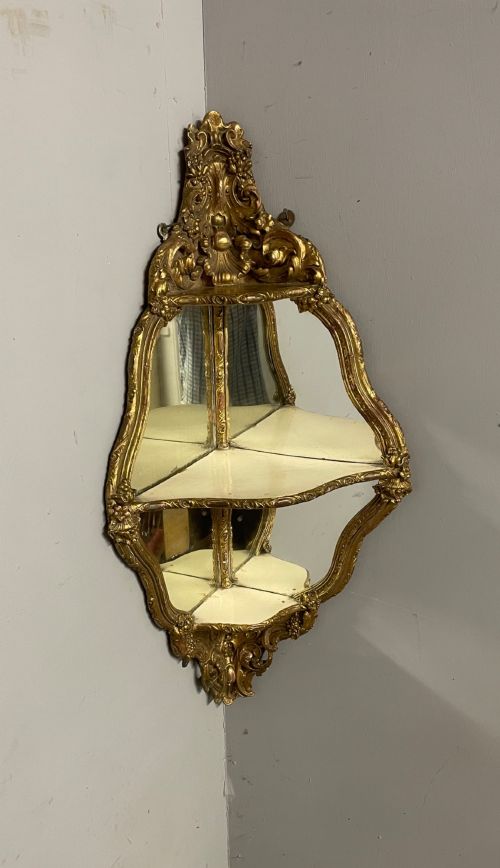
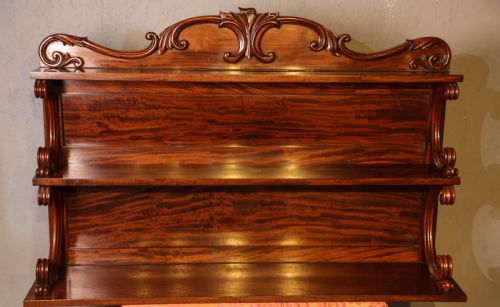
Makers utilised both native and exotic timbers, resulting in items ranging from simple mahogany shelves to decorative French walnut wall shelves and gilded surfaces. Each piece reflects the functional and decorative demands of nineteenth-century interiors.
How they were made
Cabinetmakers constructed these shelves using dense hardwoods like mahogany, walnut, and cherry wood, alongside decorative veneers such as flame mahogany and amboyna. Structural elements often integrated brass fittings and wall hanging fixtures to support the weight of books and ornaments safely.
Surface ornamentation relied on traditional carving techniques applied directly to the timber, complemented occasionally by giltwood and gesso details. Lighter woods like satin birch were selected for specific grain patterns, while contrasting materials added visual depth to the shelves.
Styles represented on this page include Victorian Gothic Revival, Rococo Revival, French Chateau, and Colonial designs.
What varies in quality
Quality in these wall shelves rests upon the selection of timber and the crispness of the carved details. Finer pieces display carefully matched veneers and robust structural joints, whereas simpler items rely on plain boards and minimal shaping.
The presence of secondary materials like brass mounts and gilded gesso finish indicates the original tier of the piece. Superior examples maintain intact surface finishes that highlight the natural grain of woods such as amboyna and walnut.
The Carved Wood Wall Etagere Glossary
- Etagere
- A piece of furniture consisting of a set of open shelves for displaying small objects. These hanging versions save floor space while providing tiered display.
- Giltwood
- Wood that has been covered with a thin layer of gold leaf or gold paint. This finish frequently highlights carved ornamentation on nineteenth-century decorative pieces.
- Satin birch
- A pale, lustrous hardwood favoured during the Victorian period for its distinct sheen. It offers a lighter alternative to dark mahoganies and walnuts.
- Gesso
- A plaster-like material applied to wood surfaces as a base for gilding or painting. It allows craftsmen to mould intricate relief decorations before applying gold leaf.
Carved Wood Wall Etagere: Frequently Asked Questions
How do I hang a wall etagere?
These pieces usually feature integrated hanging loops or brackets designed to secure directly onto wall screws. It is essential to fix them into wall studs or use appropriate cavity anchors to bear the weight.
Once secured, ensure the unit sits level before placing books or ornaments upon the shelves. Distributing weight evenly across the tiers keeps the structure stable.
What rooms suit a wall etagere?
Wall shelves and etageres work well in compact spaces like hallways, studies, and bedrooms where floor area is limited. They provide display space without cluttering the room layout.
In living areas, corner shelves utilise unused wall junctions effectively. They hold small collections, plants, or books within easy reach.
How do I identify Victorian shelving?
Victorian pieces often display characteristic revival styles such as Gothic or Rococo motifs carved into the wood. The use of timbers like satin birch, amboyna, and flame mahogany points towards nineteenth-century preferences.
Construction details, including hand-cut joints and period brass fixtures, help distinguish authentic nineteenth-century items from later reproductions.