

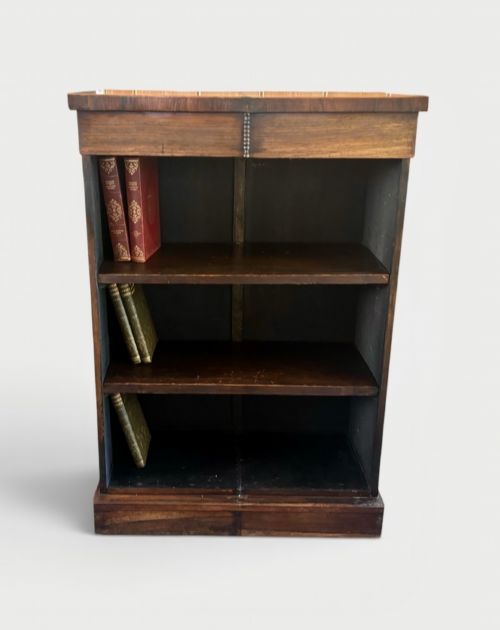

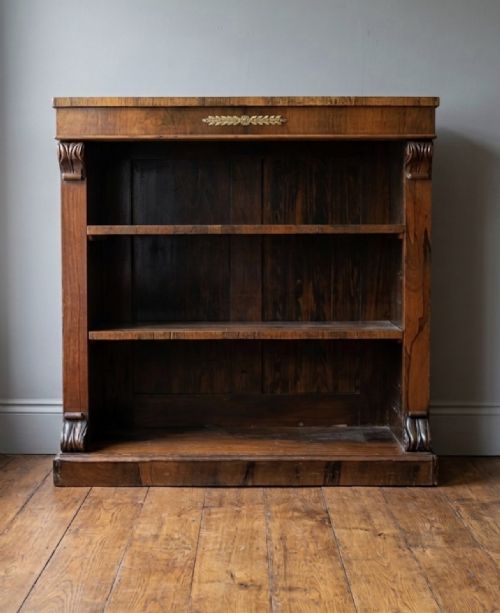
Rosewood Display Shelf
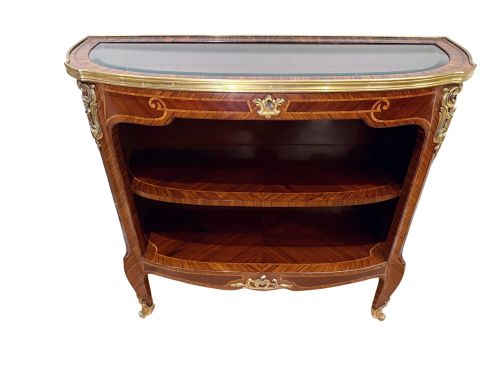
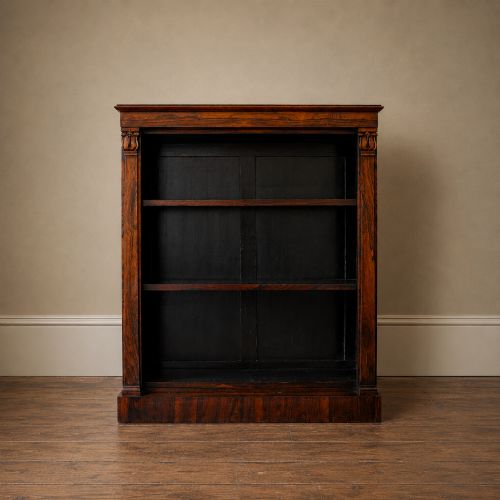
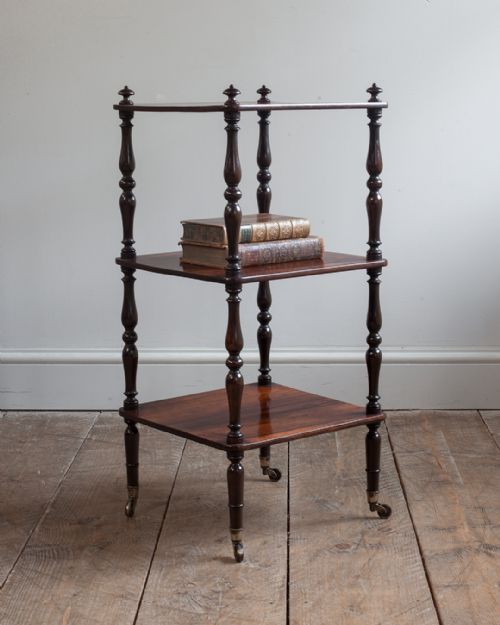
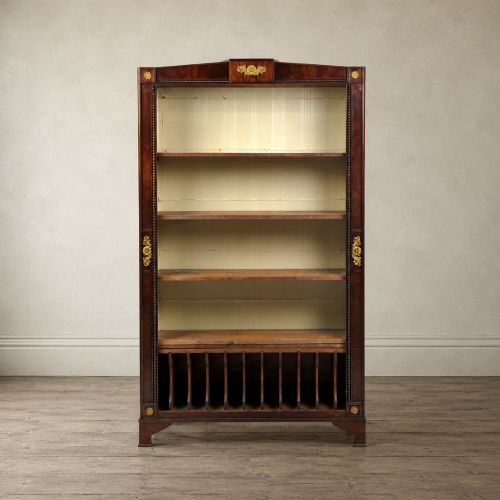
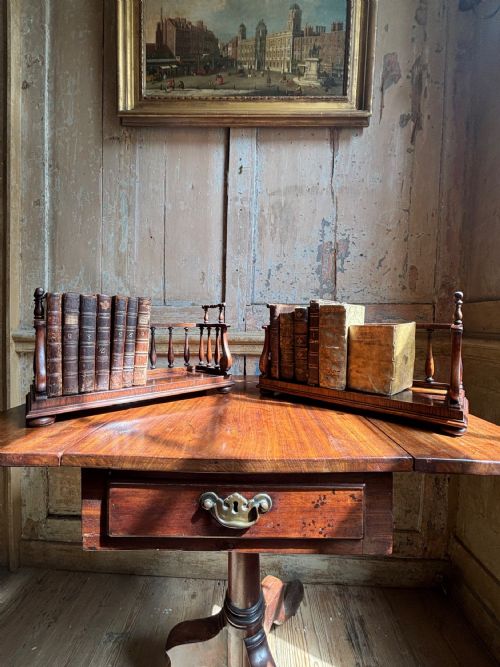
A rosewood display shelf brings rich timber grain and tiered staging to a room, holding books and small ornaments with refined presence.
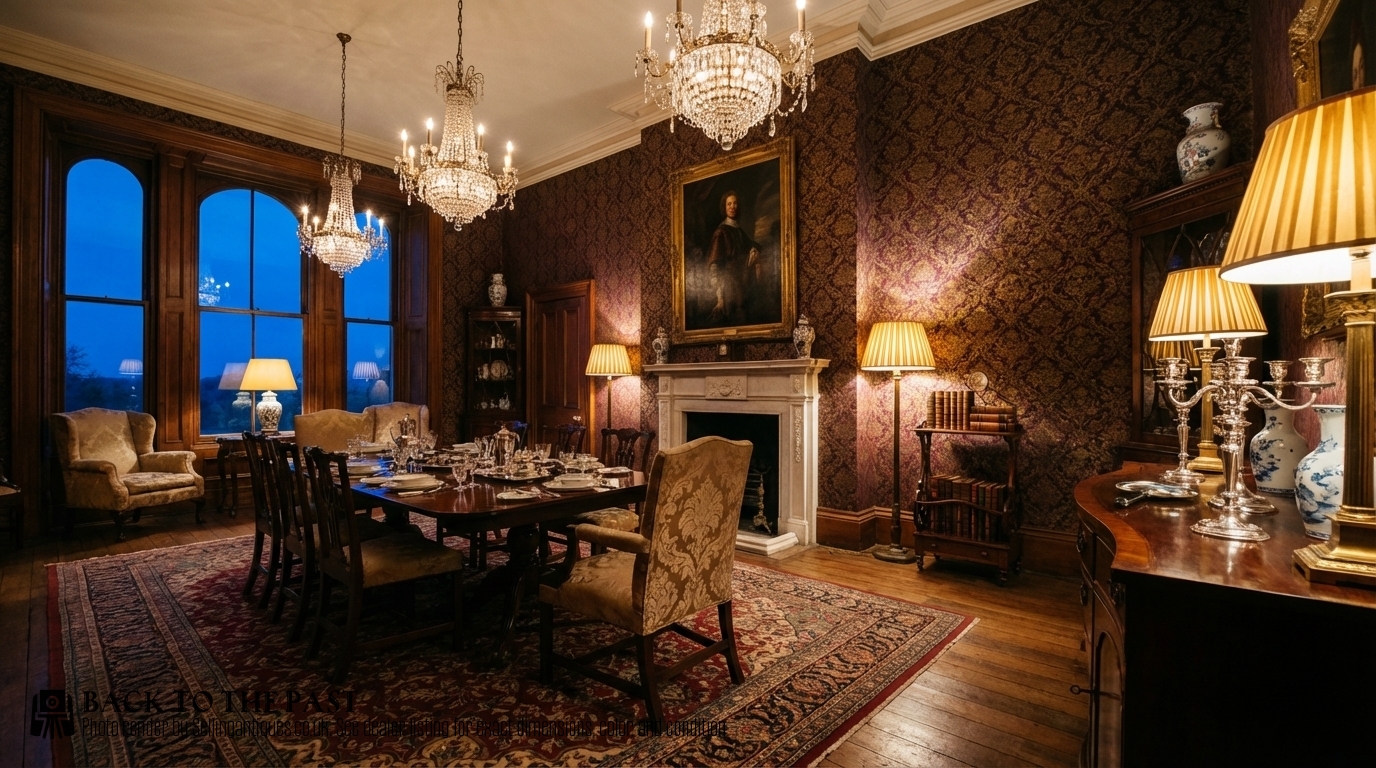
Rosewood Display Shelf
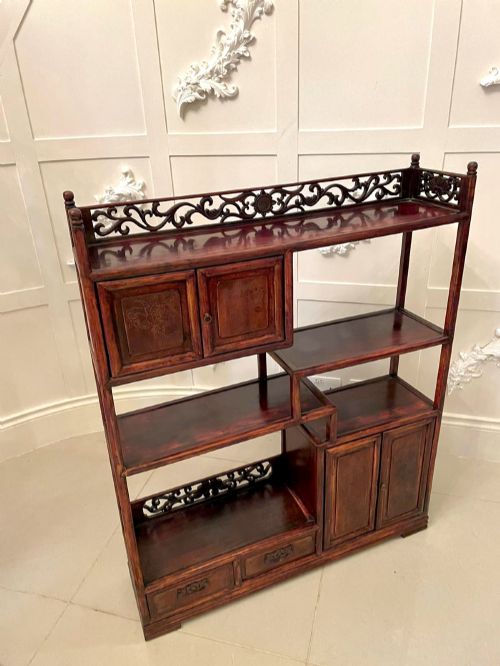
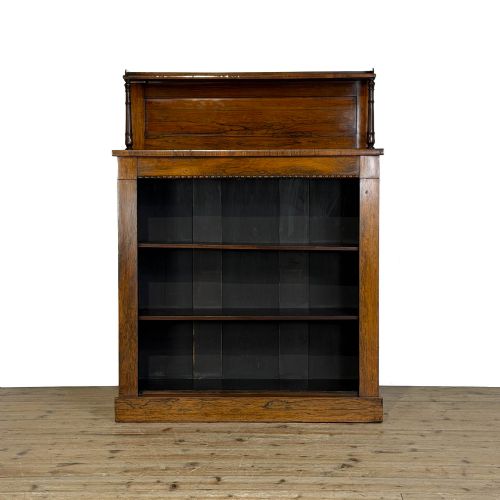
When searching for a rosewood display shelf, collectors encounter various open bookcases, tiered whatnots, and wall brackets spanning the nineteenth century. These pieces range from compact Regency side units to expansive Victorian standing cabinets designed to showcase prized objects.
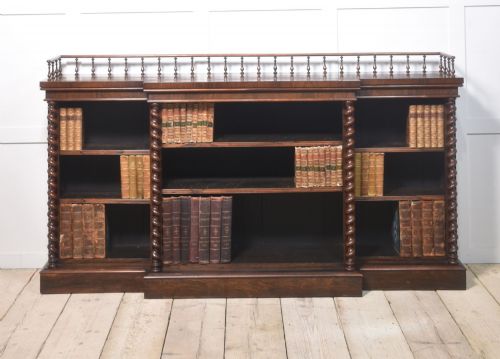
The most common examples on this page are Victorian and Regency open bookcases alongside multi-tiered étagères. Many incorporate specialised compartments, glass panels, or adjustable shelves suited for organising collections.
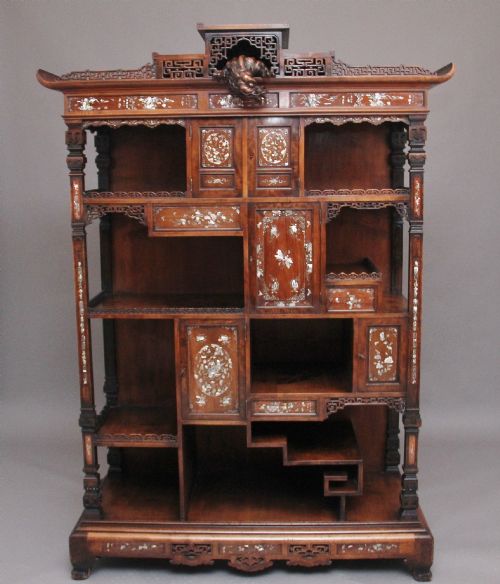
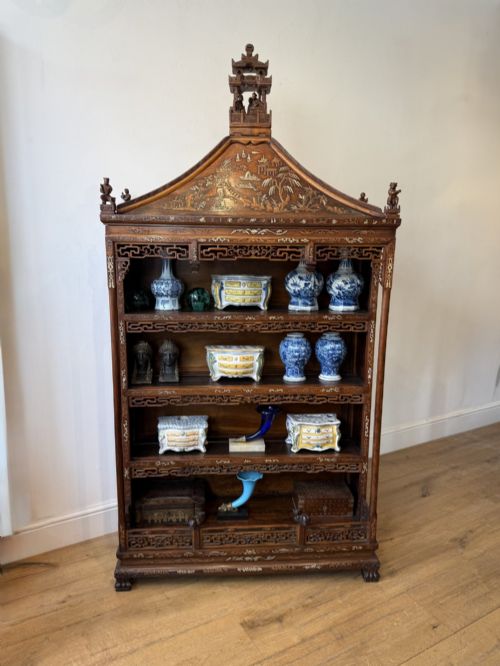
Origins stretch across British workshops, French ateliers, and Asian export studios. Pieces like Japanese Meiji shodanas and Chinese hardwood cabinets sit alongside domestic Regency and William IV furniture.
Materials and construction
Makers utilised dense rosewood, often applied as fine veneers over secondary timbers like pine or softwood, combined with structural hardwood. Surfaces frequently display contrasting brass inlay, mother-of-pearl details, or cast ormolu mounts.
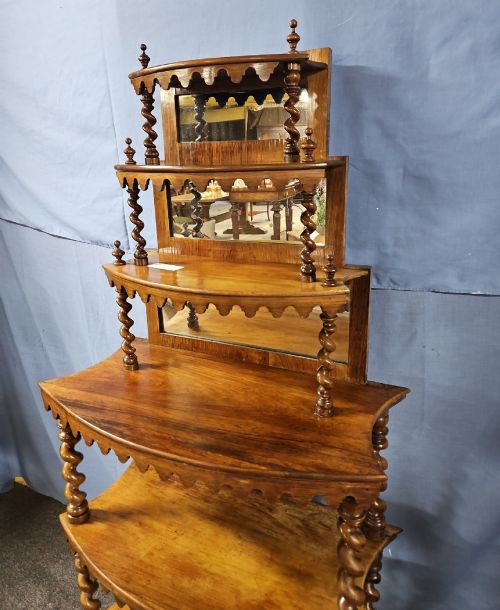
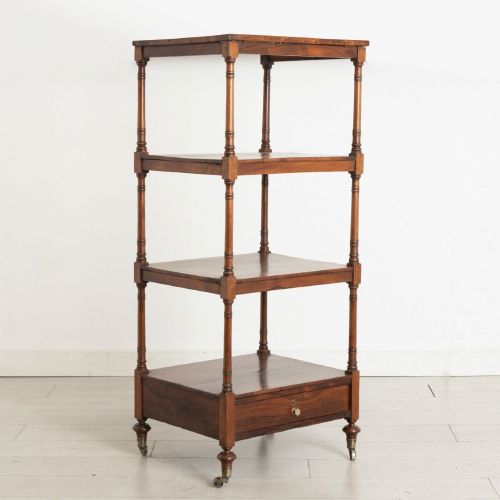
Structural complexity varies from simple stacked wall shelves to multi-tiered freestanding whatnots with turned uprights. Interiors and backing timbers often rely on traditional joinery, supported by glazed doors or open display tiers.
Some nineteenth-century makers packed multiple tiers and tiny drawers into surprisingly compact floor spaces.
Distinctions in craftsmanship
Quality rests in the selection of the rosewood grain and the crispness of carved details or inlaid brass and mother-of-pearl. Finer examples show precise joinery on tiered platforms and well-figured timber veneers across expansive surfaces.
Proportion and structural integrity separate standard utility pieces from exceptional decorative commissions. The weight of the timber and the refinement of turning on upright supports dictate the overall standing presence.
Gillows·Samson and Son
The Rosewood Display Shelf Glossary
- Whatnot
- A multi-tiered piece of freestanding furniture designed for displaying ornaments and small objects. These typically feature three to six open shelves supported by turned columns.
- Shodana
- A traditional Japanese multi-tiered display cabinet featuring asymmetrical shelving compartments. These pieces often showcase intricate joinery and fine decorative panels.
- Étagère
- A small movable set of open shelves used for ornamental display. French examples frequently incorporate delicate ormolu mounts and marquetry.
- Open bookcase
- A bookcase lacking doors, allowing immediate access to book collections and displayed items. Regency and Victorian variants often include adjustable shelving.
- Canterbury
- A low stand featuring sloped partitions traditionally used for holding sheet music or books. Some examples combine this function with tiered display sections above.
Rosewood Display Shelf: Frequently Asked Questions
How were these shelves used historically?
These pieces served primarily in drawing rooms and parlours to display ceramics, books, and curiosities. Tiered étagères and whatnots held small decorative items, while open bookcases accommodated household libraries.
Larger cabinets and shodanas provided enclosed or semi-enclosed storage for delicate objects. Their placement in formal rooms reflected the owner's cultural interests and collecting habits.
Where should I place a whatnot?
A whatnot suits corners or open wall spaces where its tiered shelving can be viewed from multiple angles. Freestanding versions work well away from direct sunlight to protect the rosewood finish.
Smaller tabletop versions sit comfortably on side cabinets or desks. Wall-mounted variants require secure fixing into solid masonry to support the weight of heavy timber.
How do I care for rosewood furniture?
Maintain the timber by keeping pieces away from direct heat sources and fluctuating humidity. Gentle dusting with a dry, soft cloth prevents surface accumulation without harming the polished grain.
Avoid chemical sprays or excessive moisture on veneered surfaces. Natural wax applied sparingly preserves the historic lustre of the nineteenth-century finish.
How can I distinguish Regency from Victorian pieces?
Regency items display restrained neoclassical lines, often featuring geometric brass inlay and architectural proportions. These pieces frequently date from the early nineteenth century.
Victorian examples tend toward heavier carving, ornate fretwork, and increased decorative complexity. Later nineteenth-century versions also embrace Japonisme influences and asymmetrical shelving layouts.