
Antique Staffordshire Ceramics
These robust figures, jugs and creamware vessels bring the rich texture of antique staffordshire ceramics directly into domestic life.
Antique Staffordshire Ceramics
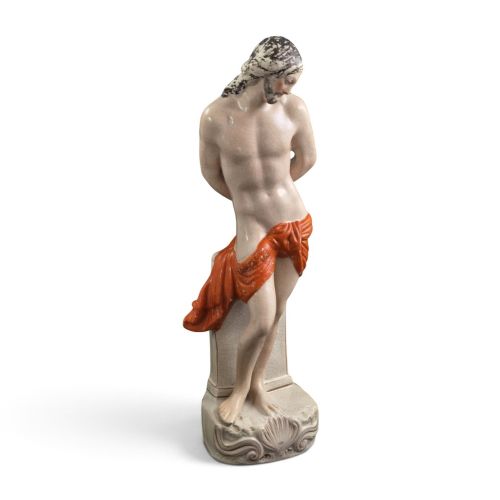
When you search for antique staffordshire ceramics, you encounter a diverse array of domestic earthenware and porcelain shaped by English potteries over several centuries. The selection spans utilitarian vessels and decorative mantel ornaments produced during the Georgian, Regency and Victorian eras.
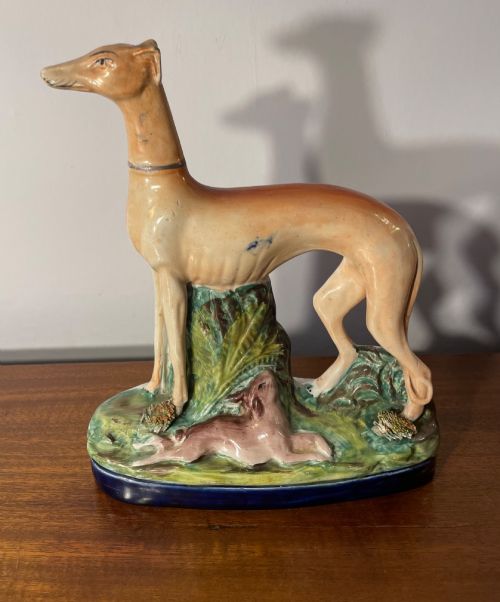
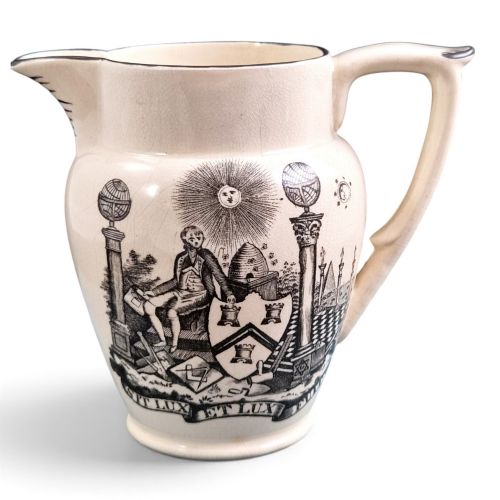
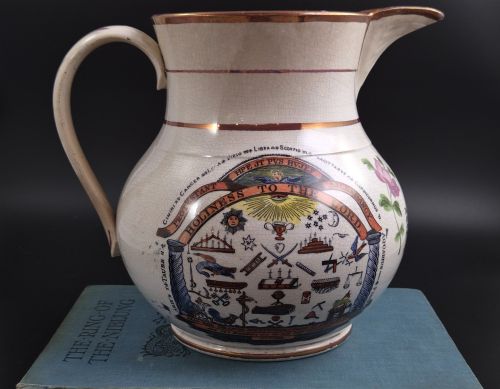
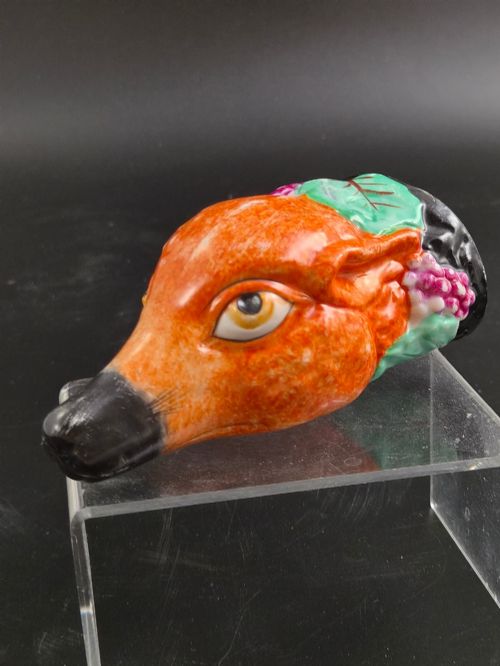
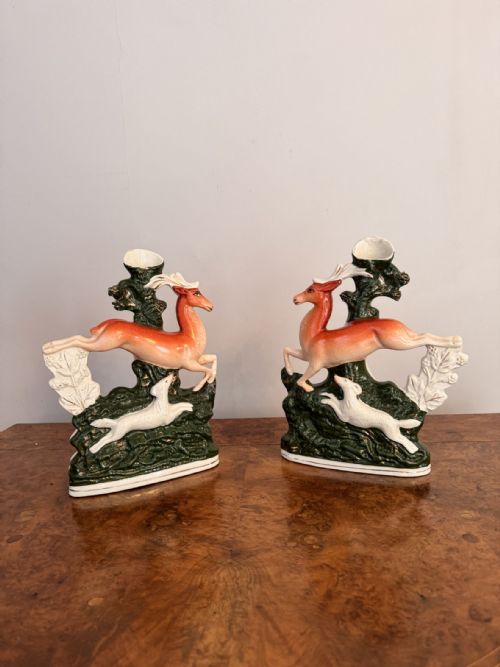
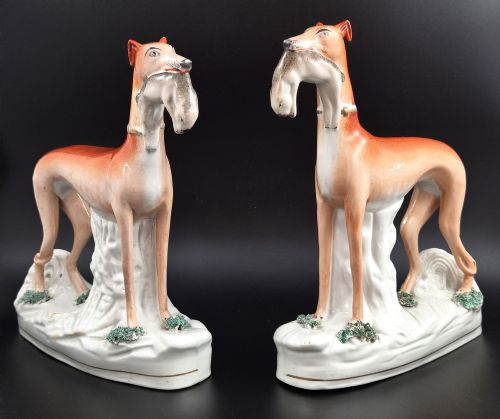
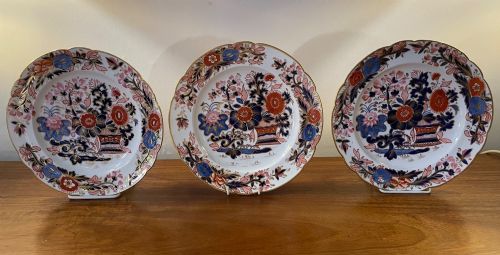
You are most likely to meet figures of animals such as dogs and deer, commemorative jugs bearing transfer prints, and tableware like creamware plates and chargers. These pieces reflect both everyday utility and the popular visual culture of the nineteenth century.
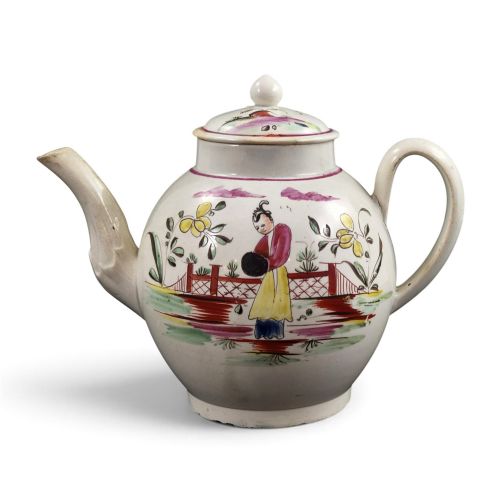
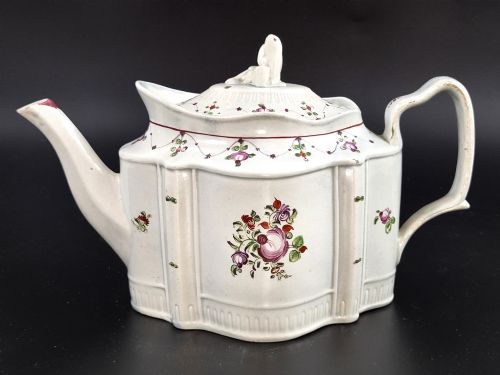
The tradition encompasses everything from spirited folk art figures to refined creamware tea wares and porcelain cabin trios. Each category demonstrates the versatility of Staffordshire clay and the evolving tastes of the British household.
How They Were Made
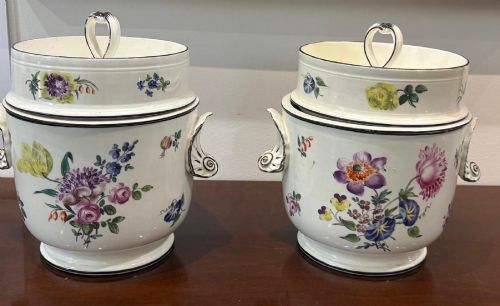
Potters utilised earthenware, creamware and porcelain bodies shaped through moulding or throwing on the wheel. Many forms received lead glazes or enamel painting to secure a durable surface.
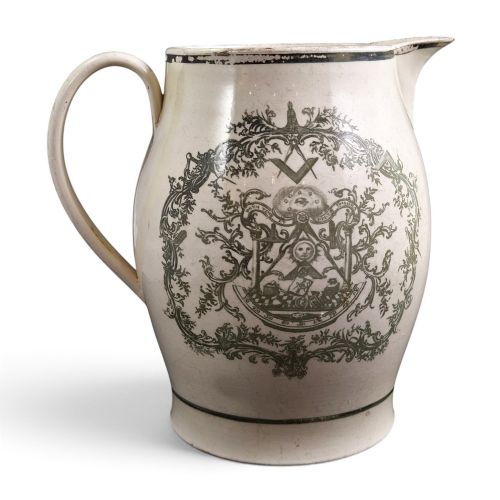
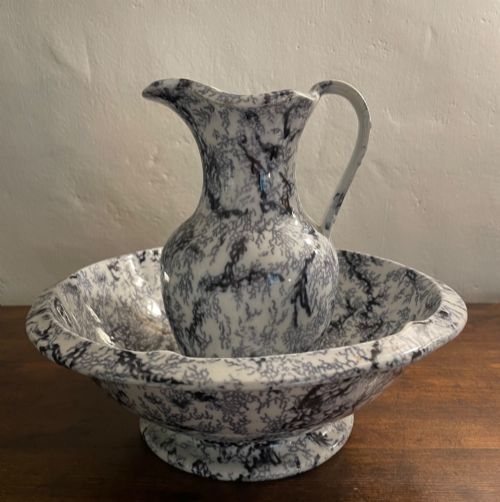
Decoration relied heavily on black and blue transfer printing, alongside hand-applied polychrome enamels and gilt highlights. Specific techniques like flow blue allowed colours to bleed softly into the glaze during firing.
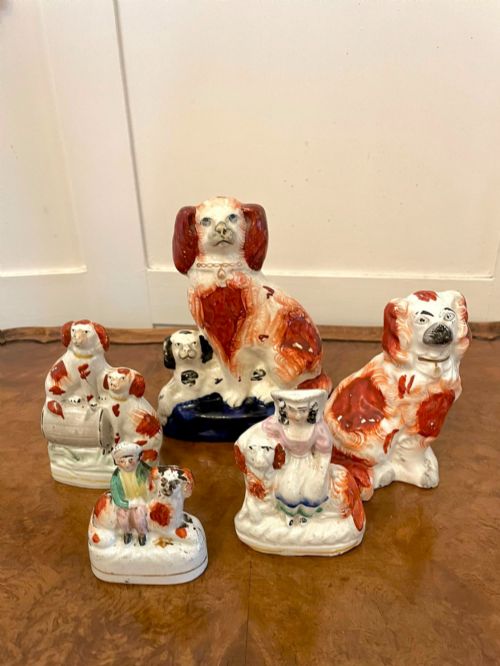
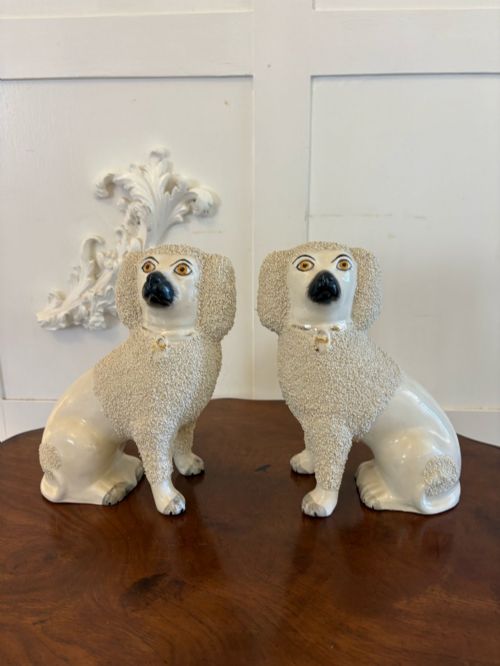
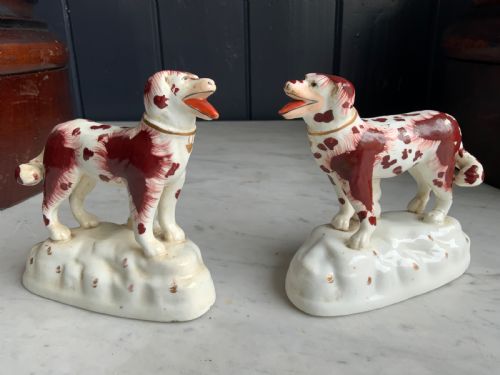
Victorian mantelpieces gained loyal sentinels through pairs of Staffordshire dogs gazing steadfastly across the hearth.
What Varies in Quality
The application of glaze and enamel dictates the visual appeal of each piece. Controlled brushwork in polychrome palettes or deep, even transfer printing elevates the finished ceramic.
Newhall·Spode·Masons
The Antique Staffordshire Ceramics Glossary
- Creamware
- A refined earthenware body with a pale yellowish lead glaze developed in the eighteenth century. It became a staple of English tablewares for its clean appearance.
- Transfer print
- A decorative technique where a design is inked from an engraved copper plate onto tissue paper and then pressed onto the ceramic body. This allowed intricate patterns to be reproduced efficiently.
- Flow blue
- A cobalt blue transfer printing style where lime or ammonia chloride was introduced during the kiln firing to make the blue colour bleed into the surrounding white glaze. It creates a hazy, atmospheric effect.
- Spill vase
- A hollow ceramic cylinder designed to hold wooden spills used for lighting candles and pipes. They were frequently paired with figures of animals or birds on the mantelpiece.
Antique Staffordshire Ceramics: Frequently Asked Questions
What are Staffordshire figures?
Staffordshire figures are ceramic ornaments produced by various potteries in the Staffordshire region, primarily during the nineteenth century. They often depict animals, famous people or literary scenes intended for display on mantelpieces.
These pieces capture the popular tastes and historical interests of the Victorian era. They range from simple earthenware dogs to elaborate sculptural groups.
How do you date creamware?
Dating creamware relies on observing the tone of the glaze, the weight of the ceramic body and the style of decoration. Earlier eighteenth-century pieces often feature a deeper buttery yellow hue.
As production moved into the nineteenth century, glazes became whiter and bodies thinner. Associated maker marks or specific transfer-printed subjects also help narrow down the period of manufacture.
What is flow blue pottery?
Flow blue pottery is a type of transfer-printed earthenware where the cobalt blue design intentionally blurs into the surrounding glaze during the kiln firing. This technique originated in Staffordshire and produces a soft, painterly finish.
Plates, jugs and basins were commonly produced in this style throughout the nineteenth century. The distinctive blurred effect was achieved by introducing volatile substances into the kiln atmosphere.
How were Staffordshire dogs displayed?
Staffordshire dogs were traditionally displayed as facing pairs on either side of a fireplace mantelpiece. They served as comforting domestic guardians in nineteenth-century homes.
Owners often arranged them looking inward toward each other. This symmetrical placement was a standard feature of Victorian interior decoration.