


Victorian Transferware Pottery
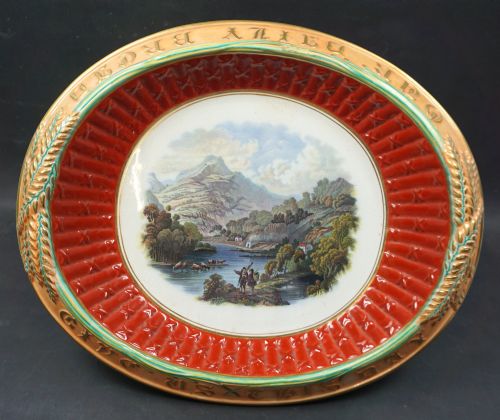
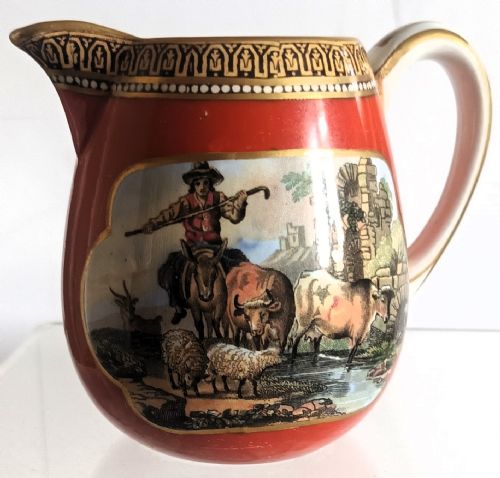
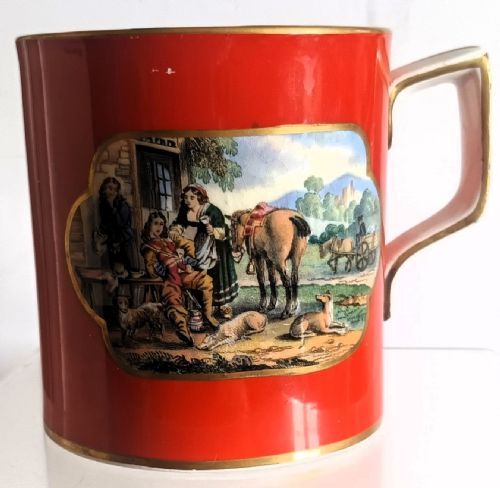
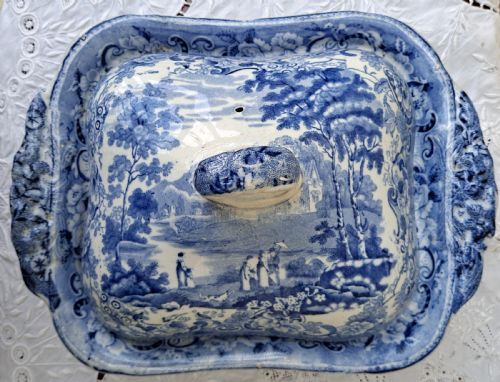
Victorian transferware pottery brings domestic tables alive with printed scenes ranging from quiet rural watermills to dramatic historical moments.
Victorian Transferware Pottery
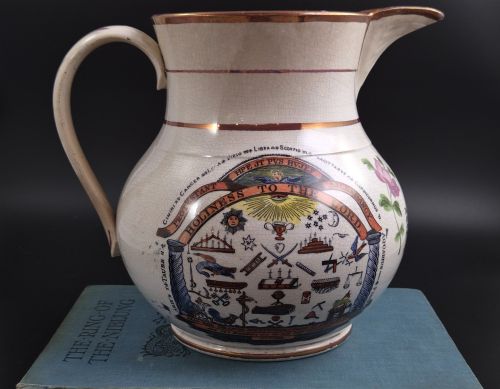
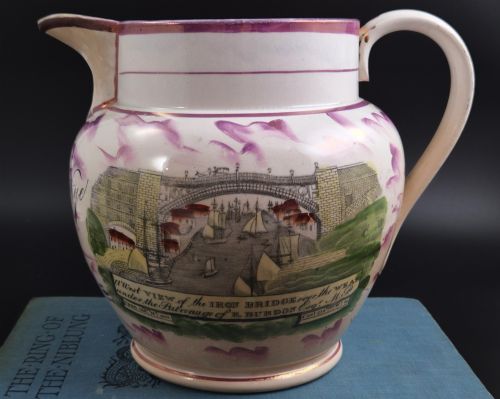
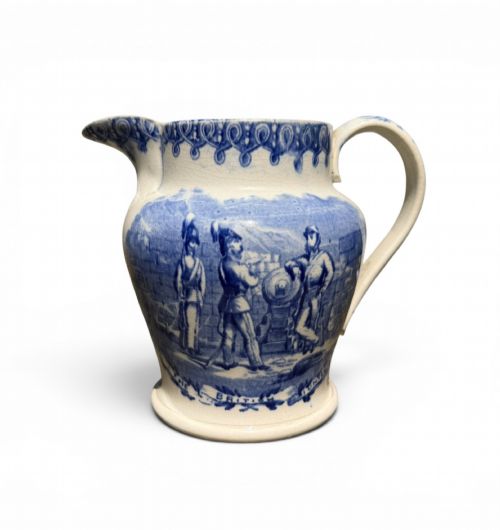
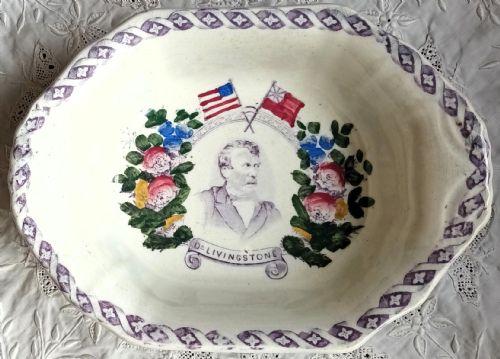
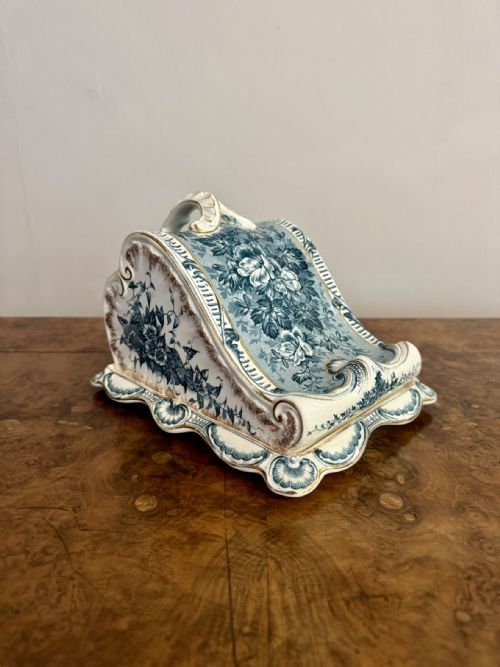
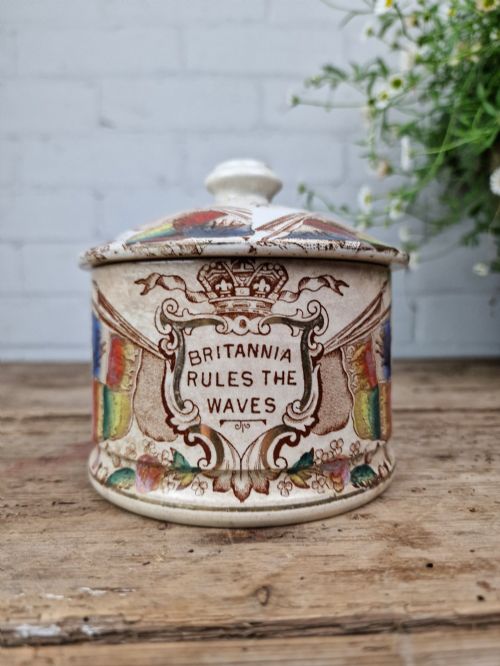
Victorian transferware pottery encompasses functional table vessels and decorative display pieces bearing printed monochromatic or polychrome patterns. When exploring victorian transferware pottery, buyers encounter items produced across the nineteenth century, including jugs, platters, footbaths, and commemorative mugs.
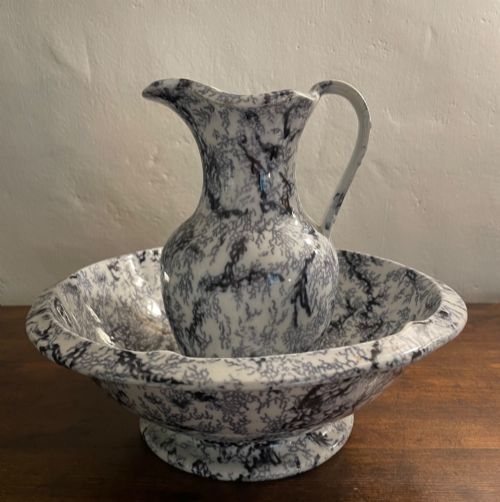
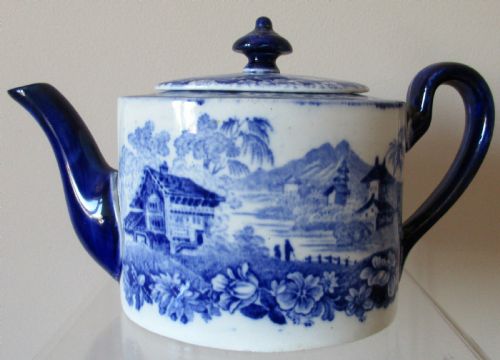
The domestic forms vary from everyday utilitarian tableware like soup ladles and meat plates to specialised items such as cheese dishes, butter dishes, and shaving mugs. Many pieces display distinct regional styles, incorporating blue and white landscapes, flow blue decoration, or pink splash lustre.
Makers utilised earthenware, ironstone, and stoneware as bodies for these transfers, drawing on styles that extend from early nineteenth-century Georgian production through Victorian commercial output and Arts and Crafts designs.
Materials and production methods
Potters formed bodies from earthenware, ironstone, or ceramic pastes before applying printed tissue designs transferred from copper engraved plates. This printed design was sealed beneath a transparent ceramic glaze, sometimes enhanced with hand-applied enamel colours or gilt highlights.
Specialised techniques produced characteristic effects, such as the blurred edges of flow blue prints where cobalt bled into the moist glaze during firing. Lustre wares incorporated metallic applications like pink splash or purple transfer decoration to achieve iridescent surfaces.
Several drinking mugs contain miniature ceramic frogs leaping up from the base to surprise thirsty drinkers.
Evaluating quality and execution
Quality rests upon the crispness of the transfer print and the smoothness of the underlying ceramic glaze. Superior pieces maintain clean registration without smudging, while lesser examples show blurred lines or pooling glaze.
The refinement of the ceramic body and the complexity of the subject matter distinguish standard utility wares from exhibition pieces. Additional hand-painted enamel work or silver plate mounts indicate higher manufacturing ambition.
James Wallace & Co·Mintons·Copeland·Doulton Burslem·John Ridgway·Copeland & Garrett·Adams
The Victorian Transferware Pottery Glossary
- Transferware
- Pottery decorated by applying a printed design from a copper plate onto paper and then onto the ceramic body. This technique enabled factories to produce intricate patterns efficiently.
- Flow blue
- A style where cobalt oxide bled into the surrounding glaze during the kiln firing, creating a soft, misty outline to the printed pattern. Potters achieved this effect by introducing volatile substances into the kiln atmosphere.
- Lustreware
- Pottery finished with a metallic glaze that reflects light with an iridescent sheen. Sunderland pink splash versions used this method for mottled pink effects.
- Pearlware
- A refined earthenware body perfected by Josiah Wedgwood featuring a bluish-white glaze that pooled in crevices. It bridged the technical gap between creamware and white earthenware.
- Ironstone
- A dense, durable type of ceramic patented in the nineteenth century to rival imported Chinese porcelain. It withstands heavy kitchen and dining usage.
Victorian Transferware Pottery: Frequently Asked Questions
What is flow blue pottery?
Flow blue is a nineteenth-century ceramic decoration style where the cobalt blue pigment intentionally blurred into the surrounding glaze during firing.
This chemical reaction created a hazy, atmospheric depth across landscapes and floral patterns rather than maintaining sharp, precise lines.
How were transfer prints applied?
Engravers etched designs onto copper plates, inked them, and pulled impressions onto thin tissue paper.
Workers then pressed this printed paper onto the bisqued ceramic surface, washed away the paper, and fired the piece beneath a protective glaze.
Are frog mugs safe to use?
Frog mugs feature a small ceramic figurine of a frog concealed inside the bottom, which revealed itself as the drinker finished their beverage.
While structurally sound, collectors generally treat these nineteenth-century pieces as display objects rather than functional drinking vessels.
What distinguishes ironstone from earthenware?
Ironstone is a heavier, harder, and more vitrified ceramic body designed to resist chipping during daily household service.
Earthenware tends to be more porous and lighter, requiring a protective glaze to remain completely water-resistant.