
Antique Sports Picture
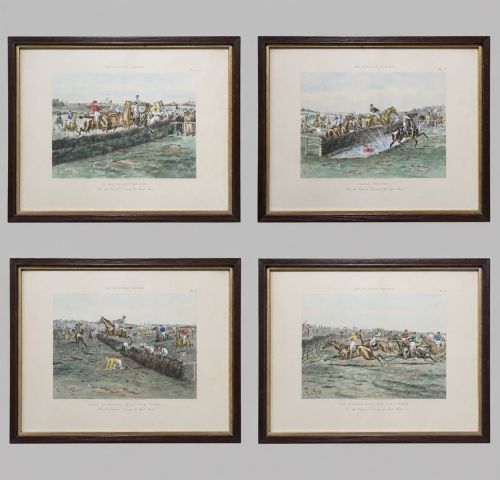
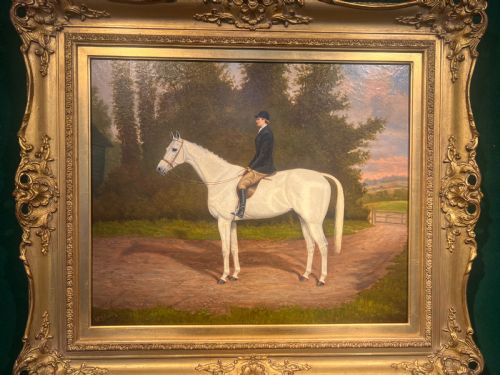
An antique sports picture captures nineteenth and early twentieth century pursuits, from horse racing to field sports, framed in wood and gilt for domestic display.
Antique Sports Picture
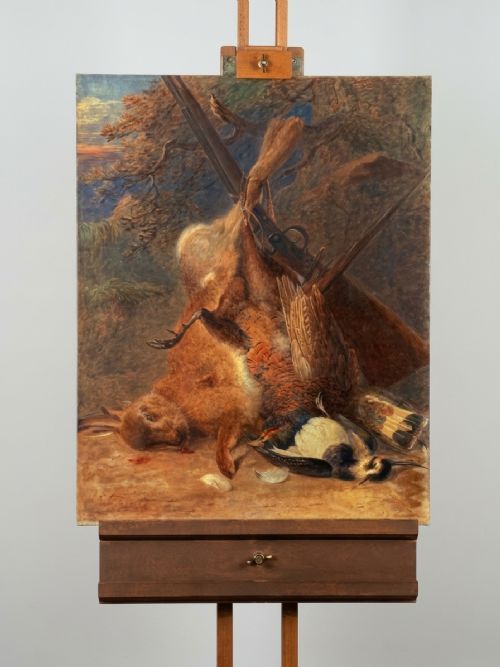
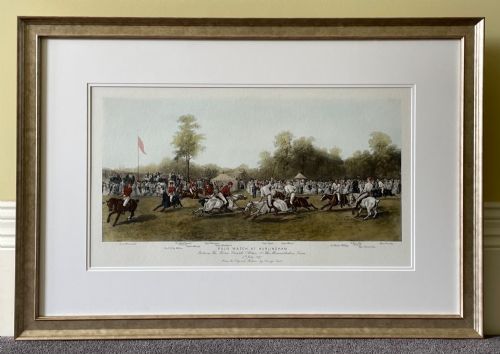
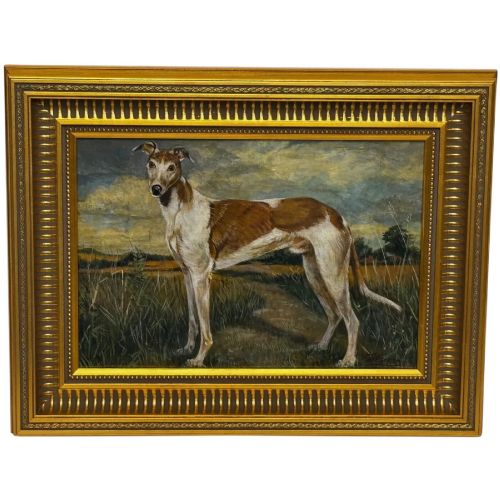
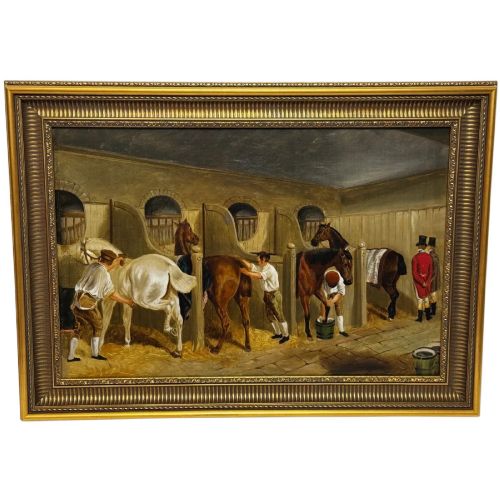
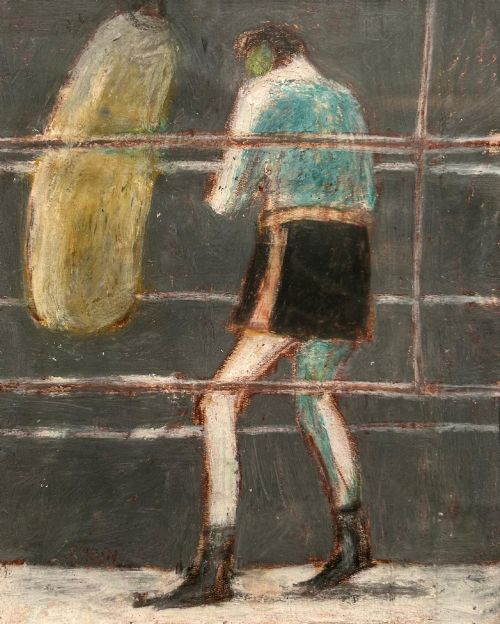
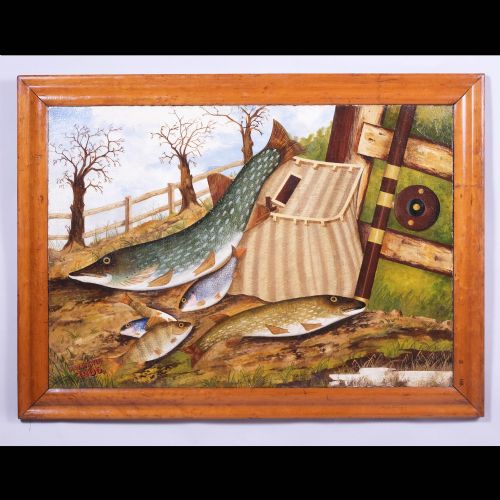
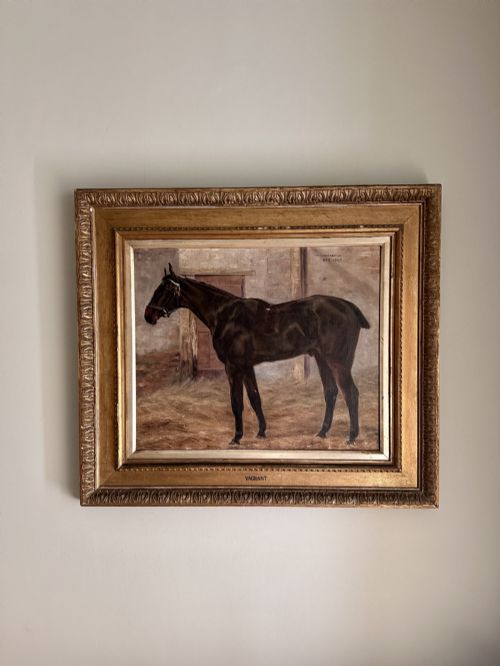
An antique sports picture encompasses oil paintings, watercolours, lithographs, and engravings depicting horses, hounds, game, and field pursuits across the nineteenth and early twentieth centuries. These works record historic equestrian events, hunting scenes, and canine portraits created during the Victorian and Edwardian eras.
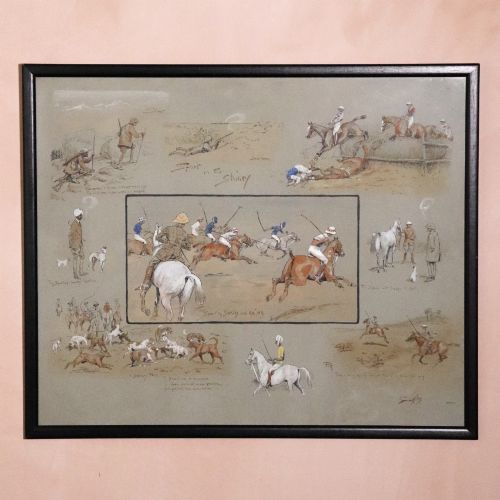
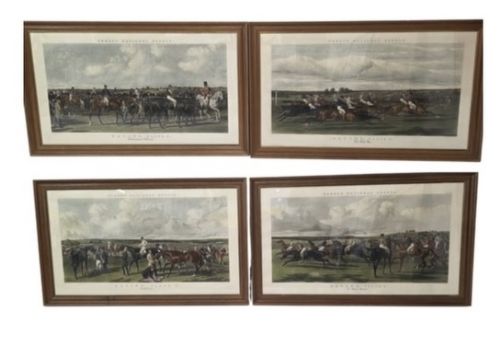
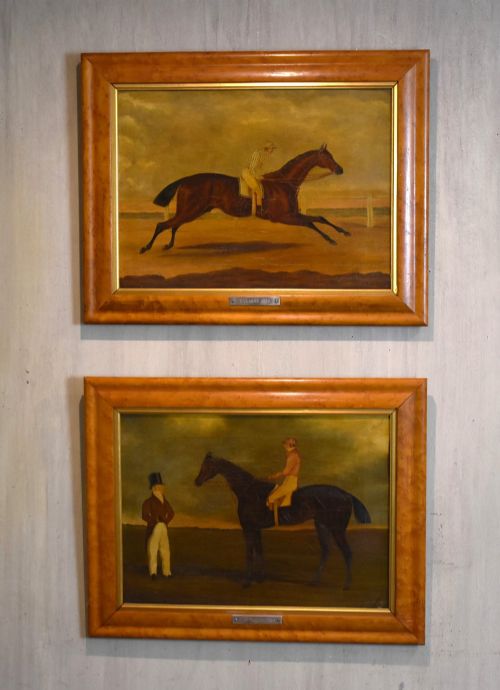
The most common examples on this page are framed prints and oil on canvas paintings originating from the nineteenth century. Buyers encounter depictions of polo matches, horse racing, and hunting dogs rendered by British artists working in traditional styles.
How they were made
Artisans and painters utilised oil paint on canvas or pine panels, alongside watercolour and bodycolour on paper, to build detailed sporting subjects. Printmakers employed lithography, etching, and aquatint techniques, often applying hand colouring to finished impressions.
Framing typically involved wood and gilt wood surrounds that complemented the domestic display of these works. Protective glazing frequently covered paper works, including watercolours, lithographs, and photographs.
A nineteenth century pear soap annual print ensures a Victorian cricket captain watches over contemporary rooms.
What varies in quality
The distinction between standard and superior works rests on the skill of the draughtsmanship and the fidelity of the animal anatomy. Master painters capture movement and musculature with precision, whereas lesser examples produce stiff or generalised representations of horses and hounds.
Provenance and documentation elevate certain pieces, particularly when a work identifies specific horses, historical events, or recognised artists. The quality of the original frame, whether gilt wood or walnut, also contributes to the overall standing of the piece.
George Sydney Shepherd·Fred Fitzpatrick·C. H. Weigall·George Rankin·John Frederick Herring Snr·John Emms·John Ferneley Senior·Benjamin Blake·Alfred Munnings·Cecil Charles Windsor Aldin·John Arthur Lomax·Arthur Wardle·Basil Nightingale·William Williams·Abraham Cooper·Samuel Raven·Edward Lloyd of Ellesmere
The Antique Sports Picture Glossary
- Aquatint
- An intaglio printmaking technique that produces tonal areas resembling watercolour washes. This method was frequently utilised for nineteenth century sporting prints.
- Lithograph
- A planographic printing process using a stone or metal plate. Nineteenth century publishers employed this technique to distribute racing and hunting scenes.
- Gilt wood
- Wood carved and coated with gold leaf or a metallic substitute. These frames surround many Victorian oil paintings and prints.
- Bodycolour
- Watercolour mixed with a white pigment to render it opaque. Artists used this medium to add highlights and density to paper works.
- Provenance
- The documented history of ownership of an artwork. Records often link nineteenth century equestrian portraits to specific estates or galleries.
Antique Sports Picture: Frequently Asked Questions
What subjects appear in these pictures?
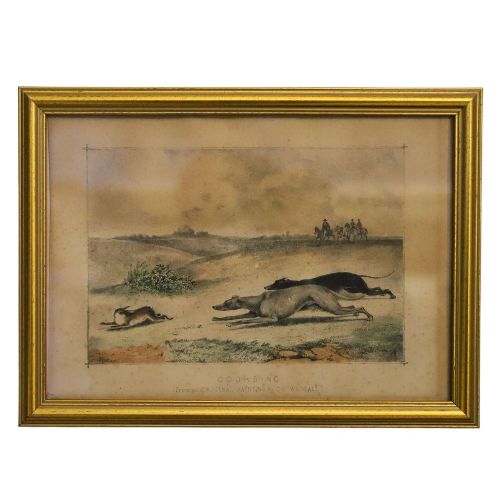
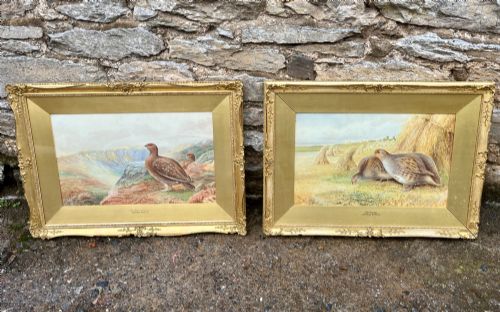
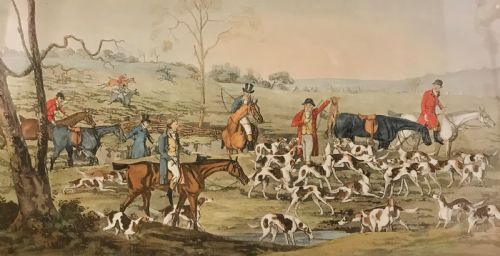
The works depict equestrian subjects, horse racing, hunting dogs, game birds, and field sports such as hare coursing and polo. Scenes range from stable portraits of individual horses to expansive hunt packs in landscape settings.
Artists also recorded specific sporting events, matches, and human participants, capturing the active pursuits of the nineteenth and early twentieth centuries.
Are these works original paintings or prints?
This selection includes both original hand-painted works and mass-produced or limited edition prints. Original pieces feature oil on canvas, oil on panel, watercolour, and chalk drawing.
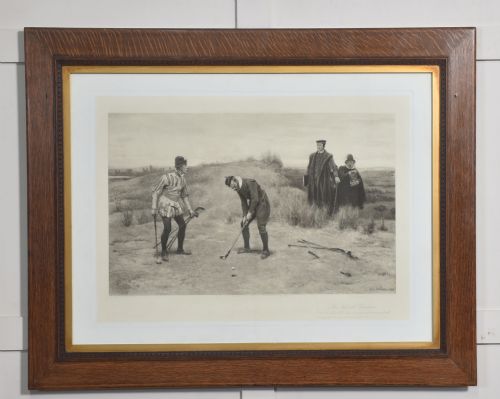
Printed works comprise lithographs, engravings, and aquatints, some of which received hand colouring after printing to enhance their visual appeal.
How should I frame and display them?
Many pieces retain their period frames, such as gilt wood or walnut mouldings, which complement the age of the artwork. Displaying these works away from direct sunlight protects paper items and watercolours from fading.
Wall placement should account for the weight of larger framed oil paintings and ensure stable indoor humidity levels for wood panels.
How do I identify the period of a piece?
Dating relies on stylistic clues, artist signatures, framing materials, and printed publication dates on engravings and lithographs. Victorian and Edwardian works often exhibit specific clothing, tack, and artistic conventions typical of those decades.
Inscribed titles on mounts or canvas reverse sides frequently record the date of creation, the subject's name, or the exhibiting gallery.