




Regency Sporting Artwork
Regency sporting artwork captures horses, hounds and field pursuits across canvas, paper and wood from the Georgian and nineteenth-century periods.
Regency Sporting Artwork
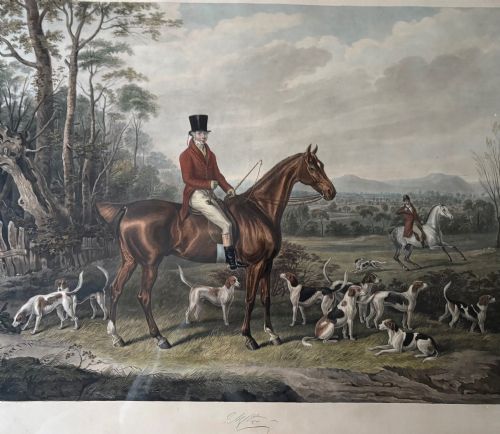
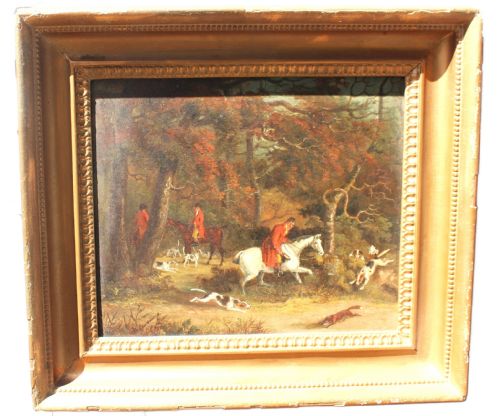
Regency sporting artwork encompasses oil paintings, watercolours, engravings and prints depicting horses, dogs, hunting, coaching and rural games. These works record the animals and pastimes valued by country house owners and sportsmen during the early nineteenth century.
Oil paintings on canvas or wood panels and framed prints represent the most common formats met on this page. Subjects range from individual portraits of prize horses and hounds to multi-figure shooting scenes and coaching journeys.
The objects span the Georgian, Regency and broader nineteenth-century periods, reflecting the shift from intimate country house commissions to more widely circulated printed plates.
Assessing quality
Quality rests in the anatomical accuracy of the animals, the handling of light within the landscape, and the fidelity of the maker's hand. Works by recognised painters command attention through superior draftsmanship and composition.
Prints and engravings vary according to the crispness of the plate impression and the skill applied in subsequent hand-colouring. The integration of period frames and the survival of clean paper or stable paint surfaces also govern the standing of each piece.
Listings feature works spanning the Georgian, Regency, and nineteenth-century periods, executed in oil on canvas, paper, wood, and glass.
John Ferneley Senior·Samuel Raven·Clifton Tomson·James Ward·John Nost Sartorius·H. Alken·Samuel John Egbert Jones·Dean Wolstenholme·Benjamin Marshall
The Regency Sporting Artwork Glossary
- Aquatint
- An intaglio printmaking technique that produces tones resembling watercolours. It allows artists to achieve subtle gradations of shade behind etched lines.
- Engraving
- A printmaking method where an artist cuts lines directly into a metal plate with a burin. The resulting sharp lines hold ink for transfer under pressure.
- Oil on canvas
- Pigment bound in drying oil applied to a stretched woven fabric support. This combination offers durability and rich colour depth.
- Oil on wood
- Pigment bound in drying oil applied to a wooden panel. This rigid support often appears in earlier or smaller cabinet paintings.
- Watercolour
- A paint consisting of colourants suspended in a water-soluble vehicle, typically applied to paper. It yields transparent washes prized for luminosity.
- Gold leaf
- Beat gold applied to frames or surfaces for decoration. It provides a reflective border that enhances framed artworks.
Regency Sporting Artwork: Frequently Asked Questions
What subjects appear in these artworks?
The subjects focus primarily on horses, hounds, shooting parties, coaching scenes and traditional rural pastimes. Individual animal portraits and wider hunting landscapes predominate.
Many works record specific named animals, estates or sporting events of the period.
How do oil paintings differ from prints?
Oil paintings are unique works created directly on canvas or wood panels using pigmented oils. Prints and engravings are multiple impressions pulled from inked plates on paper.
Prints often provided more accessible wall decoration for nineteenth-century homes.
Where were these pieces displayed?
Original oil paintings and framed watercolours hung primarily in English country houses, libraries and reception rooms. They reflected the sporting interests and social standing of the owners.
Smaller prints decorated similar domestic interiors or were bound into commemorative books.
How can I tell the period?
Dating relies on costume details, the style of the frame, print publishing dates and the working lifespan of the recorded artist. Georgian and Regency pieces show specific shifts in clothing and artistic convention.
Inscriptions on the reverse or lower margin often record the date or subject.