



Antique Spirit Tantalus
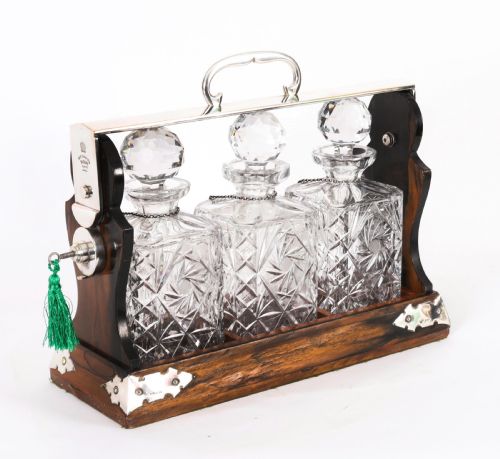
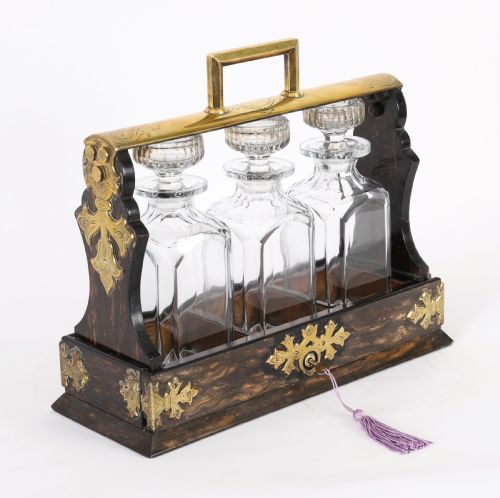
An antique spirit tantalus is a secure locking frame designed to keep expensive liquor safe from servants and guests, holding cut crystal decanters in polished timber.
Antique Spirit Tantalus
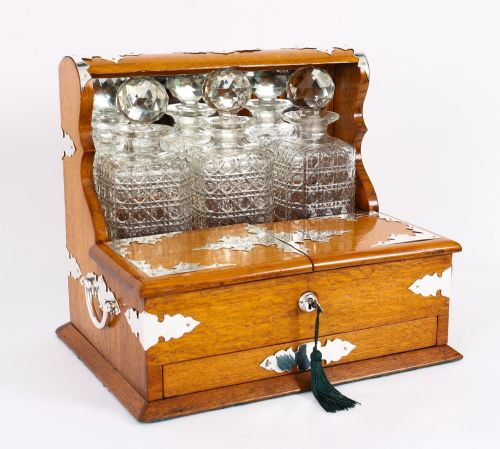
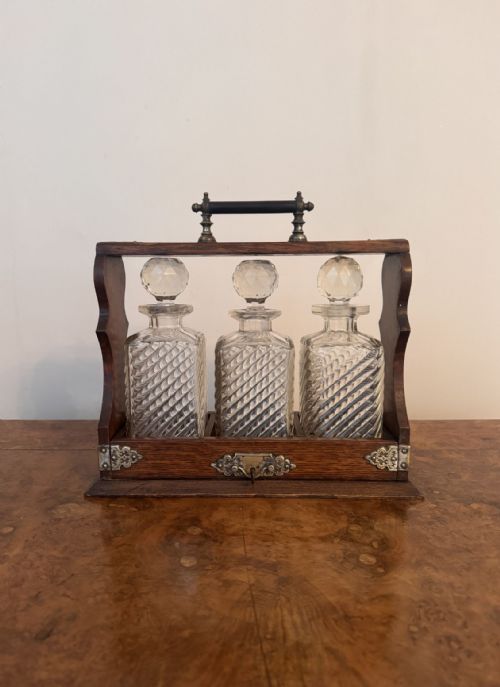
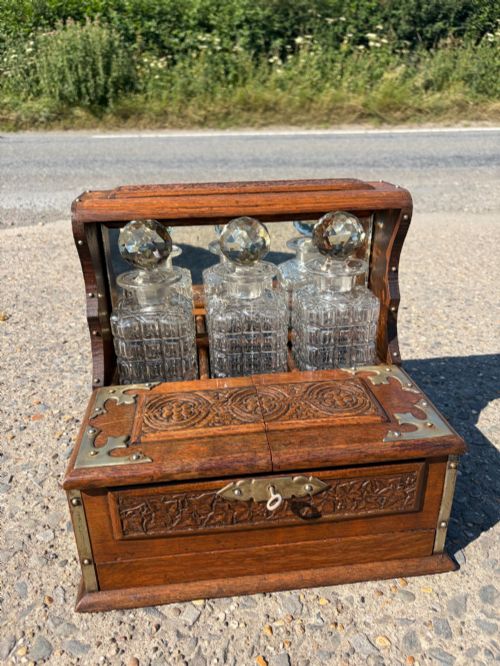
The antique spirit tantalus is primarily a Victorian or Edwardian barware piece designed to secure alcoholic drinks behind a locking metal bar. Most examples found on this page take the form of an oak or mahogany frame housing three cut crystal decanters.
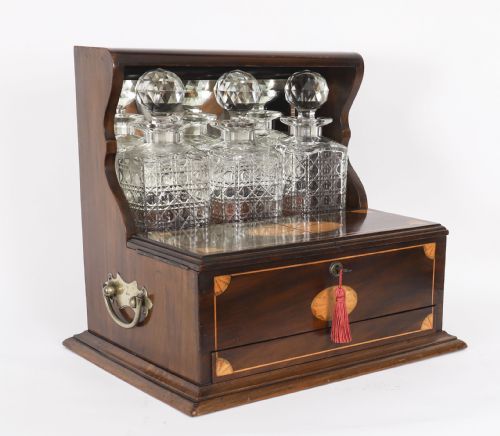
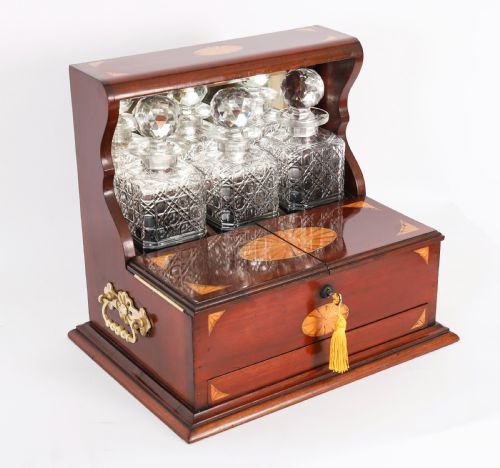
Makers adapted these locking frames to include games compendiums, secret drawers, and lift-out trays for after-dinner entertaining. Alongside standard tantalus models, the listings encompass decanter boxes, cruet stands, and fitted liqueur sets spanning the nineteenth century through the early twentieth century.
The dominant material combination pairs dark hardwoods with silver plated mountings and heavy glass bottles. While the single bottle and four bottle variations appear, the three bottle oak or coromandel configuration remains the standard form met by collectors.
How They Were Made
Cabinetmakers constructed the frames using solid timbers such as oak, mahogany, walnut, and coromandel, frequently incorporating marquetry stringing, satinwood inlay, and brass mountings. The mechanisms relied on sturdy metal locking bars operated by a key, which engaged the stoppers to prevent removal of the decanters while the frame remained locked.
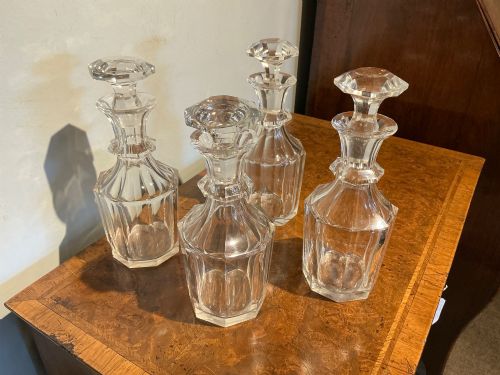
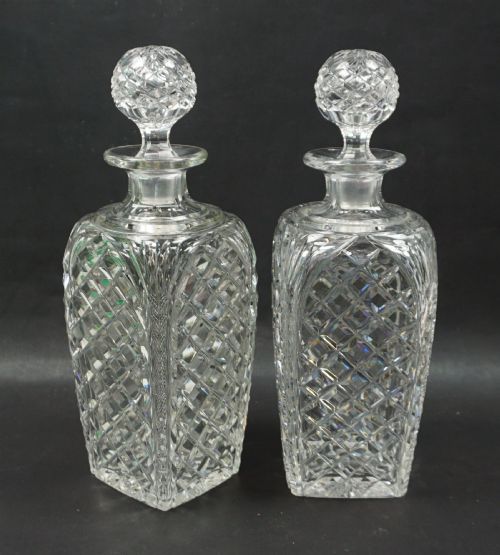
The bottles themselves utilise heavy cut crystal and cut glass, often paired with silver plated handles, frames, and sterling silver bottle necks. Artisans shaped these glass vessels with deep geometric cutting to catch the light, matching the ornate metalwork of the stands.
Periods represented span from George III and the Regency era through Victorian, Edwardian, and Art Deco movements.
What Varies in Quality
Quality separates standard production barware from exceptional pieces through the choice of exotic carcass timbers like coromandel and walnut compared to plain oak. Finer examples incorporate integrated games compendiums, heavy cast brass hardware, and fully functioning locking mechanisms with original keys.
The standard of the glass elevates a piece, distinguishing deep hand-cut crystal decanters from simpler moulded glass bottles. Additionally, the presence of original silver plating, maker signatures on the locking mechanism, and matching sets of stoppers define the upper tier of the range.
Betjemann’s·Betjemann Brothers·Elkington
The Antique Spirit Tantalus Glossary
- Tantalus
- A locking frame that holds spirit decanters visible yet inaccessible without a key. This clever device derived its name from the mythological figure of Tantalus, who was punished by being placed within reach of water that receded when he tried to drink.
- Compendium
- A fitted box containing multiple pastimes such as cards, dominoes, and board games alongside a liquor service. These multi-functional pieces were popular in Victorian drawing rooms.
- Coromandel
- A dense, heavily variegated exotic timber from Asia utilised for luxury nineteenth century cabinet work. Its dark grain and rich colour made it a favoured material for high-end tantalus frames.
- Old Sheffield Plate
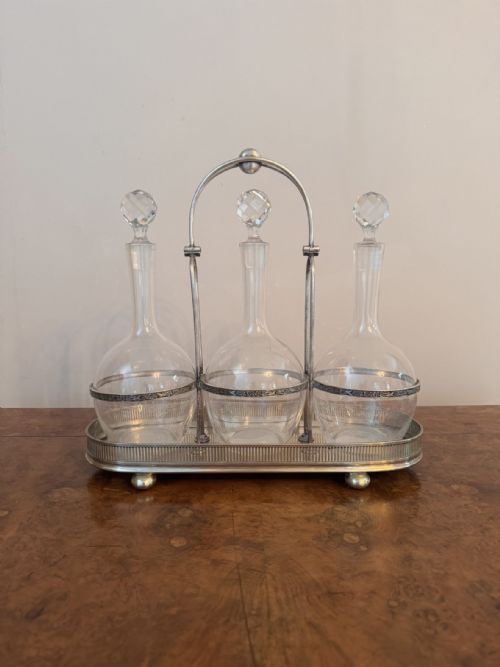
- A composite material formed by fusing a thin sheet of silver to a thicker copper base before rolling. This technique predates modern electroplating and appears on nineteenth century barware stands.
- Decanter
- A heavy glass vessel designed for holding and serving wine or spirits. In these frames, they feature custom-cut necks and matching stoppers.
Antique Spirit Tantalus: Frequently Asked Questions
How do you open a tantalus?
Unlocking the mechanism requires the correct key to lower or slide the retaining metal bar that holds the decanter stoppers in place. Once the bar clears the glass necks, the bottles lift straight out of their fitted wooden base.
Many antique locks remain functional, though replacement keys are sometimes fitted by later restorers. Turning the key releases the tension on the locking arm, allowing access to the spirits.
What periods do these pieces come from?
The pieces span the Victorian and Edwardian eras, with many examples dating from the 1870s to the early 1900s. Earlier Georgian decanter boxes and George III pieces also form part of the historical range.
Late Victorian production saw the highest volume of locking frames manufactured in oak and coromandel. Edwardian examples continued the tradition with lighter woods and refined silver plated mountings.
How were tantalus sets used?
Hosts placed spirits in the locking frames during the nineteenth century to control access to expensive imported liquors and wines. The master of the house kept the key, preventing household staff or unauthorized guests from pouring drinks.
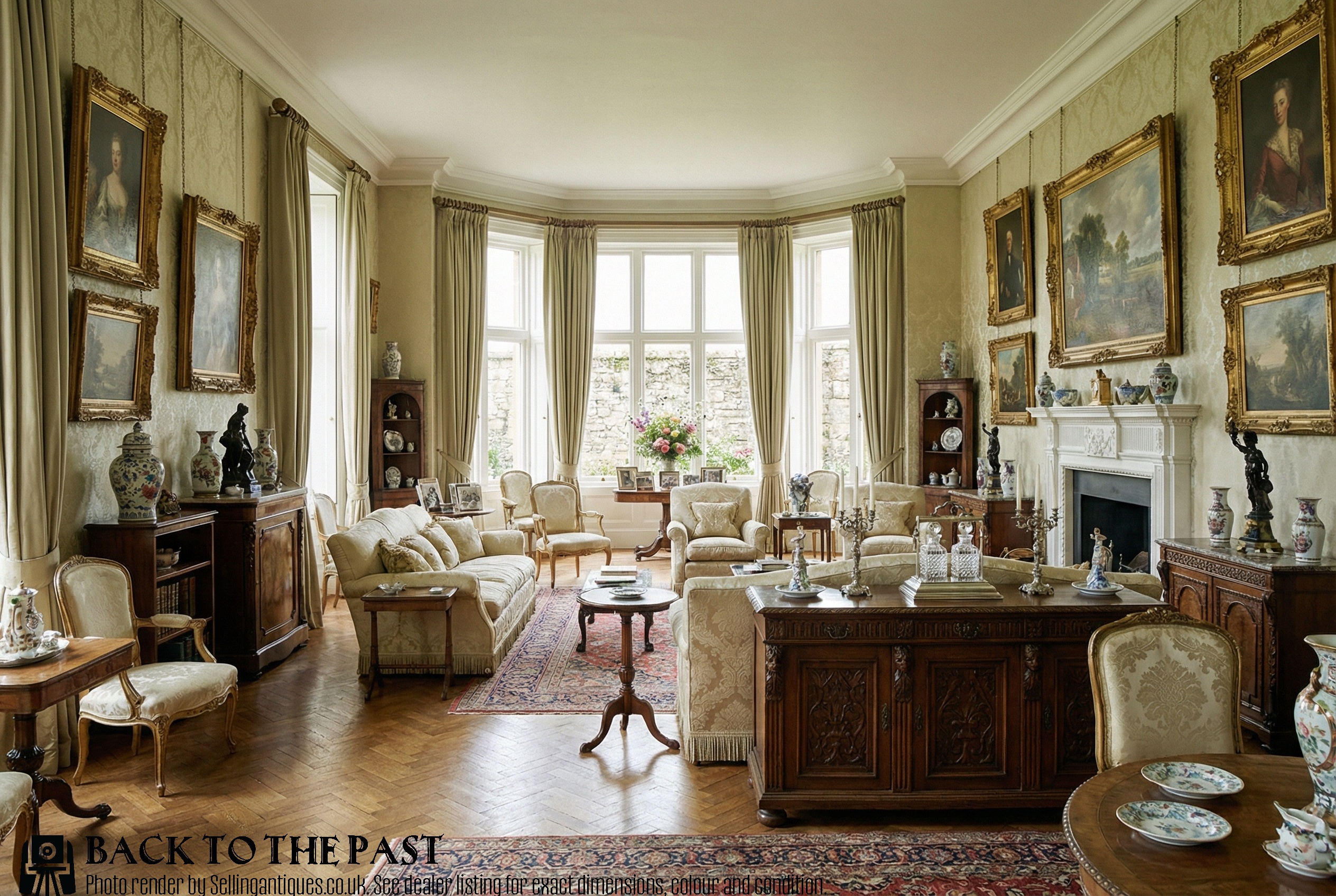
They sat on sideboards or in dining rooms, combining practical security with ornamental display. When entertaining after dinner, the unlocked bottles provided whiskey, brandy, or liqueurs to guests.
How do you clean cut crystal decanters?
Cleaning antique crystal requires lukewarm water and mild detergent, avoiding sudden temperature changes that can crack historical glass. Soft bottle brushes help reach interior residue without scratching the heavy cut patterns.
Stoppers should be washed separately and stored loosely to prevent them from sticking inside the decanter necks. Silver plated stands require gentle polishing with appropriate cloths to protect the metallic finish.