


Edwardian Decanter Stand
An edwardian decanter stand holds spirits and wine for formal dining, bringing period charm and functional display to a sideboard.
Edwardian Decanter Stand
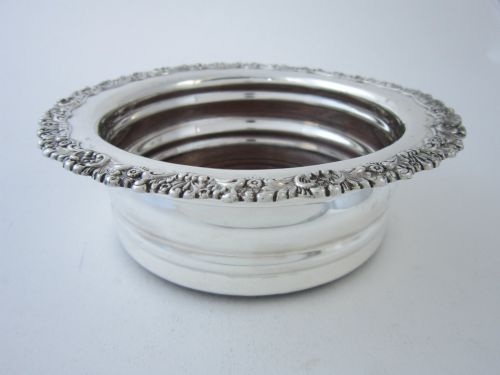
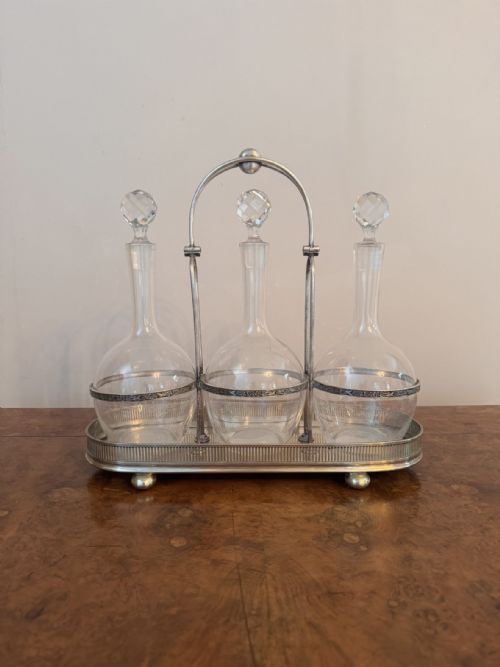
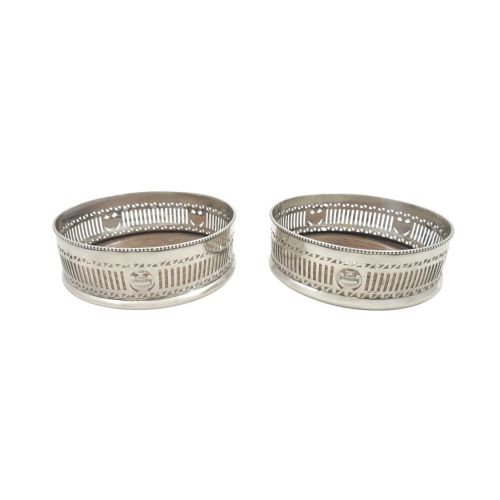
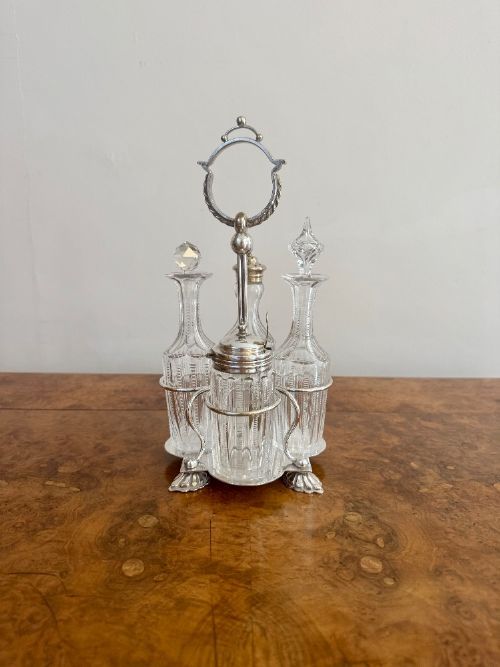
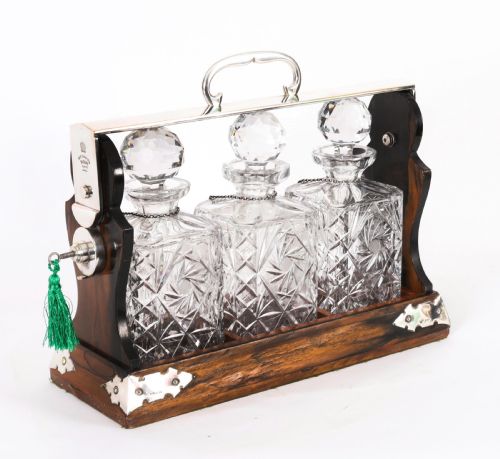
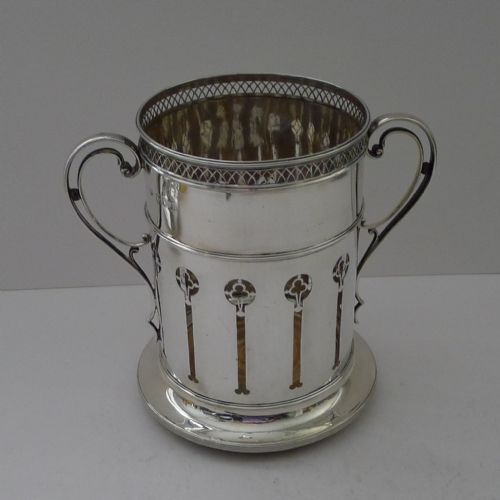
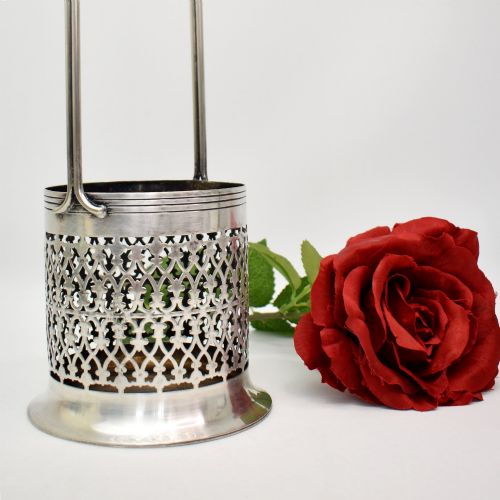
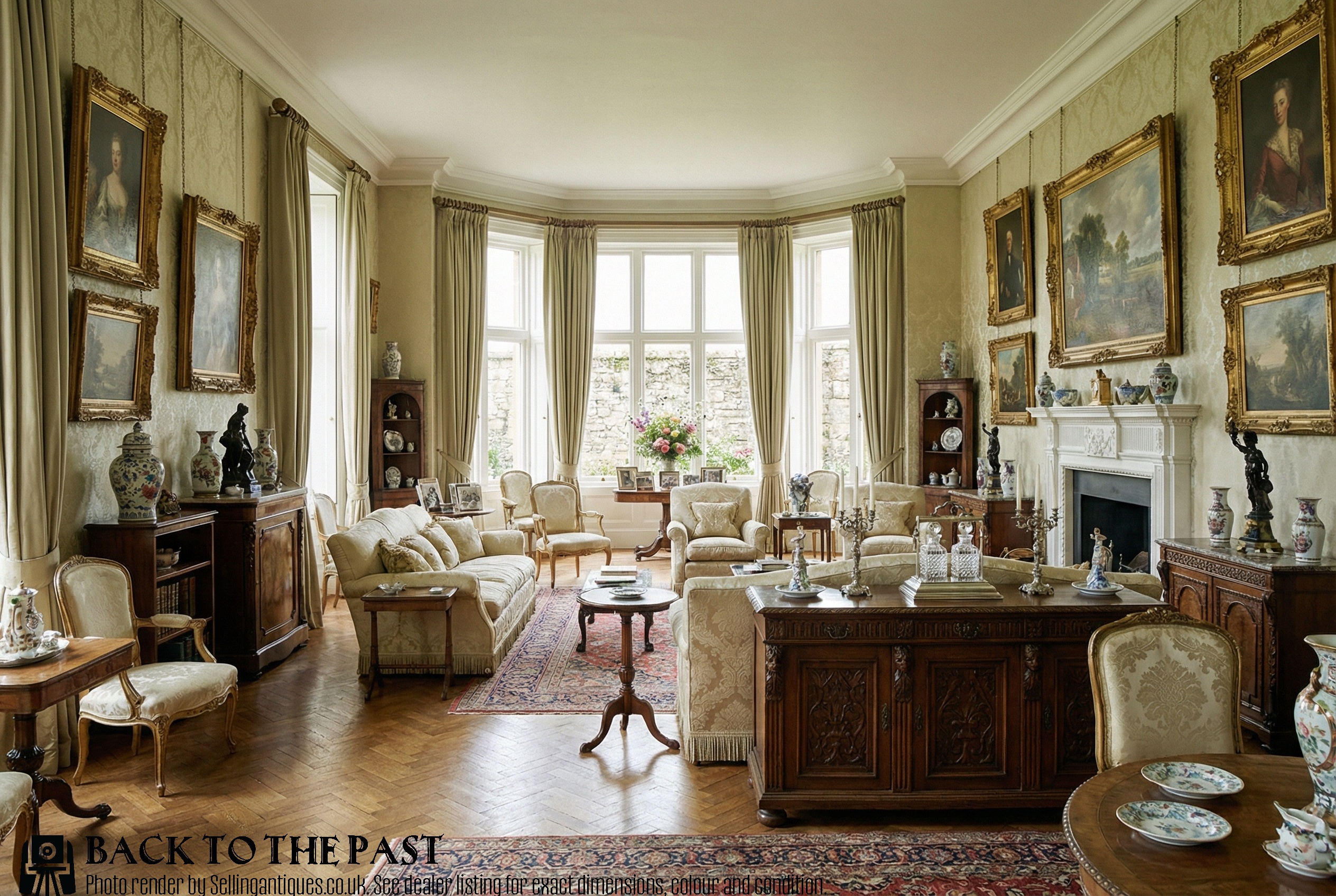
An edwardian decanter stand gathers drinkware and bottles into a single structured frame for easy serving during the early twentieth century. These pieces range from simple single-bottle holders and wine coasters to elaborate locking tantalus frames and multi-bottle sets.
How they were made
Makers shaped sturdy hardwoods such as oak, mahogany, coromandel, and walnut to form the structural frames, often finishing them with brass mounts, marquetry stringing, or central shields. These wooden bodies provide the weight needed to support heavy crystal bottles securely.
Metalwork involved silver plating or fashioning solid sterling silver for coasters, bottle holders, and locking mechanisms, paired with cut glass and cut crystal decanters that caught the dining room light.
Listings span multiple decades, incorporating Victorian, Edwardian, and George V periods alongside later revivals.
What varies in quality
The distinction between standard items and superior examples lies in the heft of the silver plate or the purity of the sterling silver, alongside the depth and crispness of the cut crystal patterns on the decanters. Heavier timber construction and refined joinery mark out the better workshops.
Complexity of function also elevates a piece, shifting quality from simple open coasters and bottle frames to intricate locking tantalus mechanisms with functioning keys, complete matched decanter sets, and integrated games compendiums.
Betjemann·Brook and Son·Hukin and Heath·Asprey
The Edwardian Decanter Stand Glossary
- Tantalus
- A locking drink stand that secures spirit decanters behind a metal bar to prevent unauthorized access. The bottles remain visible yet out of reach until the lock is opened with a key.
- Wine coaster
- A small circular tray or stand designed to hold a wine bottle on the dining table. They often feature a wooden base lined with felt and a metal rim in silver plate or sterling silver.
- Cruet set
- A matched collection of small condiment bottles or castors held within a metal frame. These sets are often grouped with broader barware and tabletop serving stands.
- Silver plate
- A layer of silver fused to a base metal such as copper or brass. This technique allowed makers to achieve the appearance of solid silver at a lower cost.
- Cut crystal
- Glass that has been deeply faceted and patterned by wheel-cutting. It produces sparkling refractions that define high-end decanters from the period.
Edwardian Decanter Stand: Frequently Asked Questions
What is a tantalus?
A tantalus is a locking frame designed to hold spirit decanters securely. A metal bar drops across the stoppers, preventing anyone from pouring a drink without the key.
This invention kept expensive whiskey and brandy safe from household staff while displaying the bottles clearly on a sideboard.
How do I clean silver plate?
Silver plate requires gentle cleaning with a dedicated silver cloth or mild polish to remove tarnish. Avoid harsh abrasives that can wear away the thin silver layer over the base metal.
Wooden frames benefit from occasional waxing to nourish the grain and protect the finish from moisture.
Are the decanters original?
Many surviving stands retain their matching cut glass or crystal decanters, often shaped with faceted stoppers designed specifically for the frame. Some pieces appear with replacement bottles gathered later.
Matching the neck size and stopper style helps determine if the glassware belongs to the original stand.
How were these stands used?
These stands served drinks in dining rooms and parlours during the late Victorian and Edwardian eras. Guests or hosts poured wine and spirits directly from the bottles at the table or sideboard.
Locking versions secured the liquor once the evening ended, protecting the contents until the next gathering.