
Antique Spirit Glasses
These antique spirit glasses and associated decanters range from Georgian drams to Edwardian noggins, offering tactile history for a home bar.
Antique Spirit Glasses
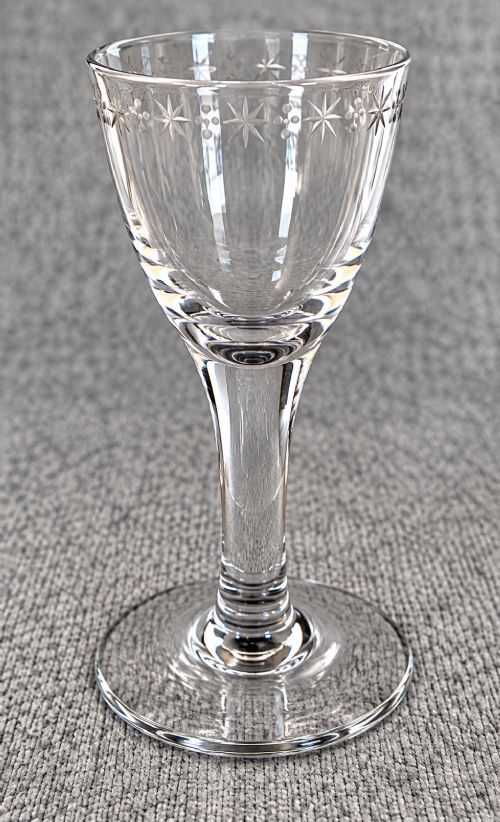
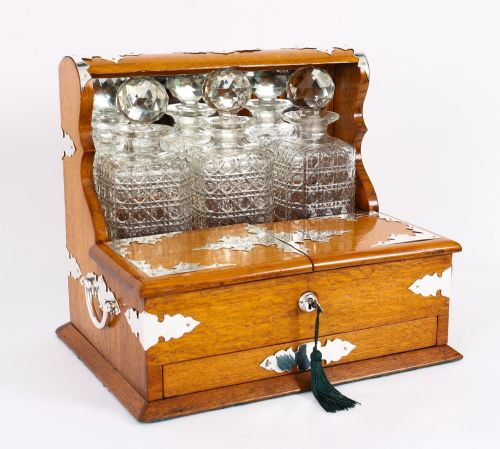
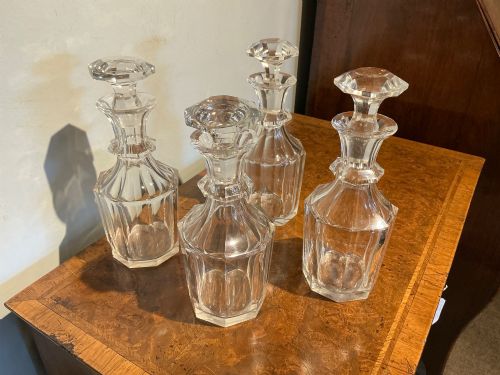
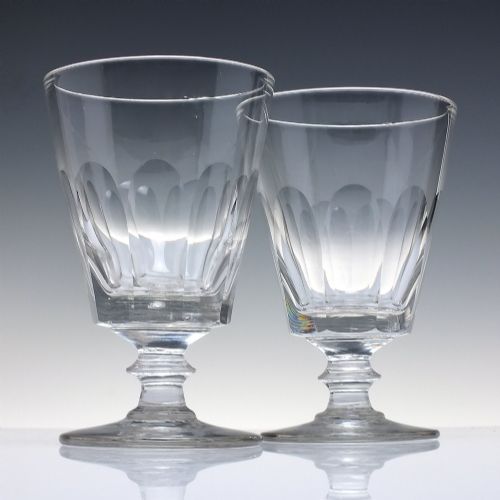
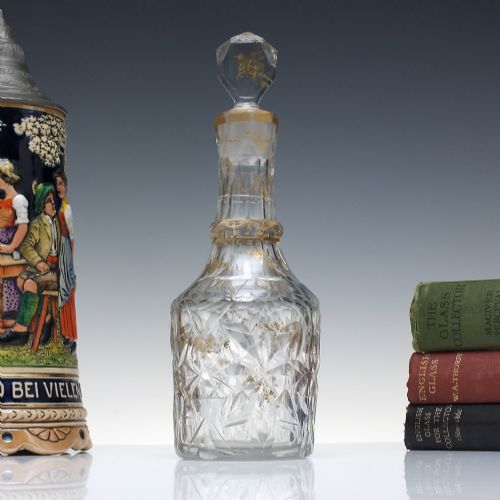
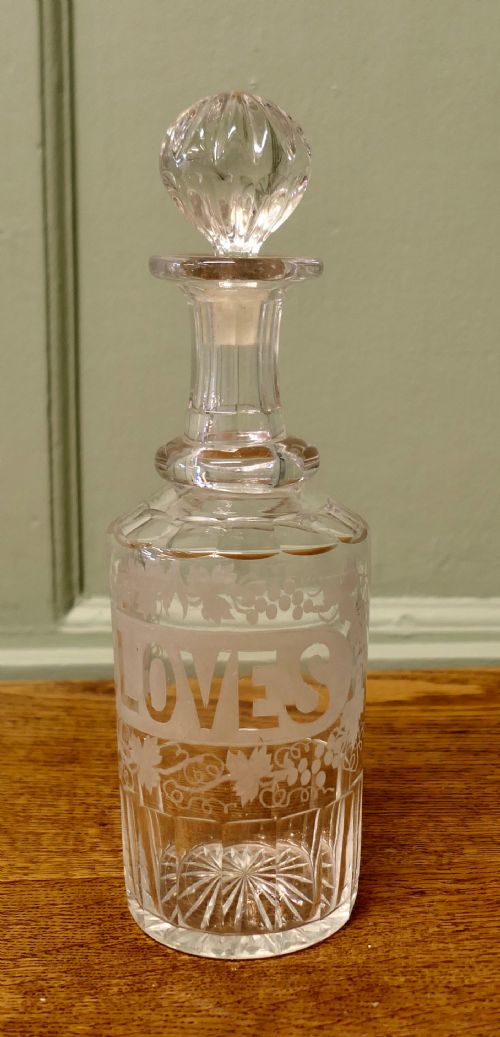
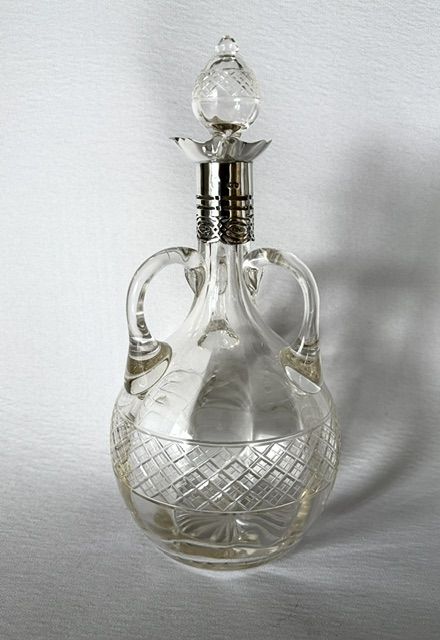
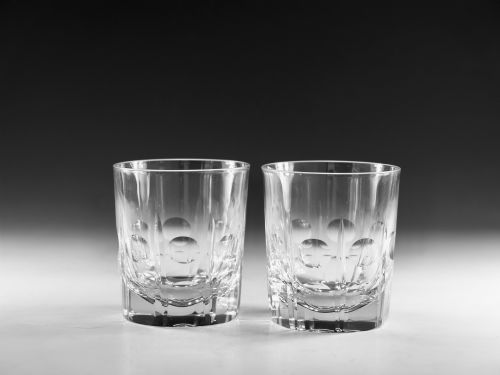
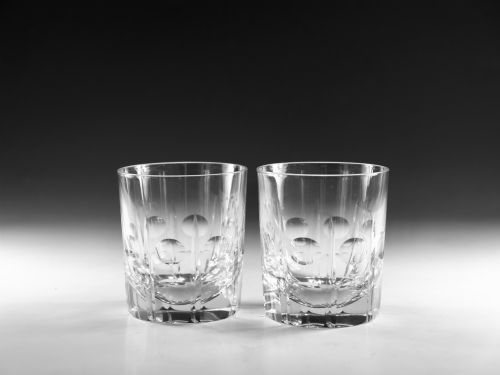
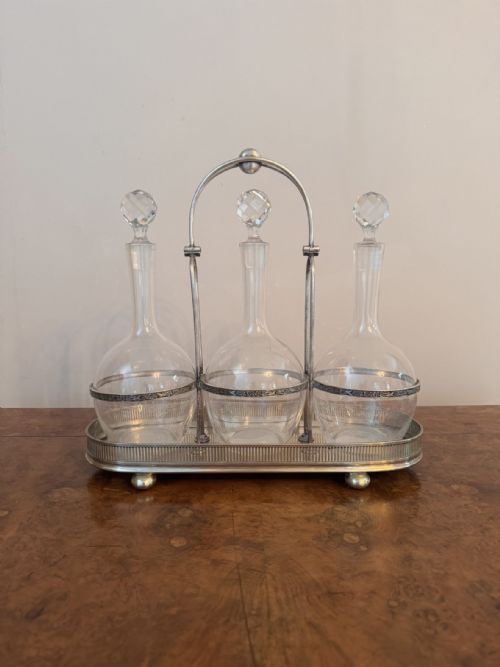
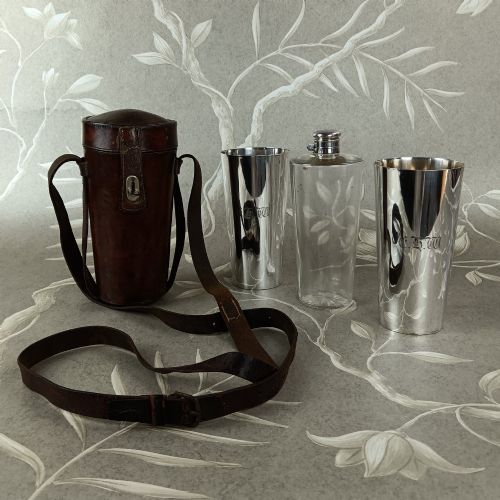
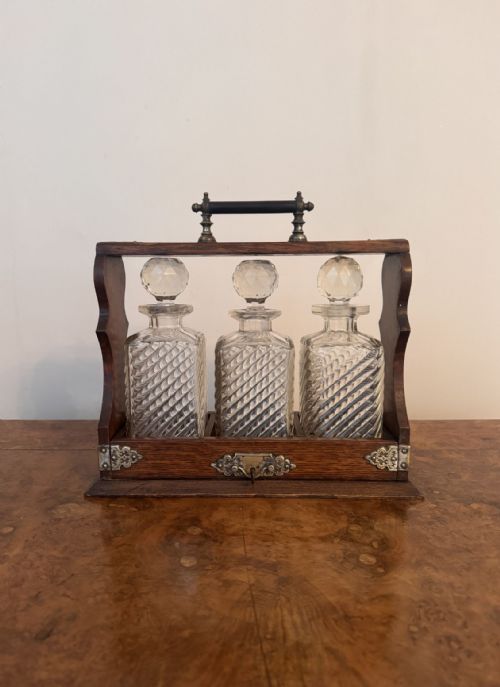
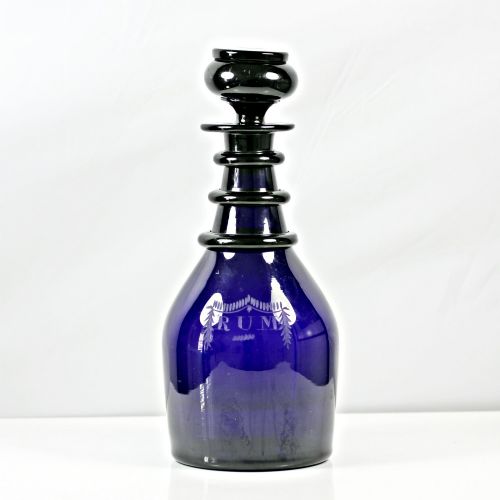
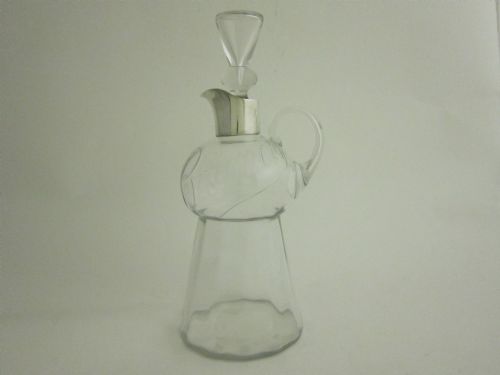
When you search for antique spirit glasses, you encounter a varied selection of drinking vessels, carafes, decanters, and tantalus sets designed for serving liquors. The items span the Georgian, Victorian, and Edwardian periods, with pieces originating from English, Irish, and continental workshops.
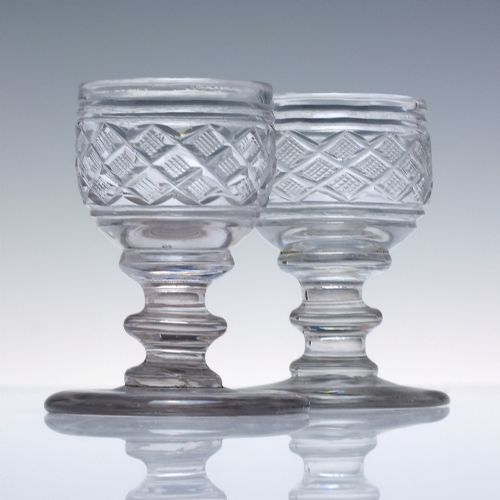
You are most likely to meet heavy lead crystal tumblers, cut glass whiskey drams, and rummers dating from the nineteenth century alongside matching decanter sets. These survivals reflect the social drinking habits of past centuries, encompassing everything from personal campaign sets to elaborate oak tantalus cabinets.
How they were made
Glassmakers utilised lead crystal and soda glass, shaping vessels through free-blowing, mould-blowing, or cutting facets by hand on a wheel. The resulting weight and clarity distinguish the handle of early pieces.
Mounts and collars incorporate sterling silver, silver plate, and occasionally gilt decoration, while timber cases utilise oak, coromandel, and blonde mahogany fitted with secure locks.
Listings incorporate lead crystal, cut glass, sterling silver, and silver plate across periods spanning from Georgian times through to the early twentieth century.
What varies in quality
Depth and crispness of wheel-cut facets separate superior vessels from softer, later press-moulded iterations. Sharp edges that catch the light denote skilled glass cutting.
The integration of metalwork matters significantly, where hallmarks on silver collars and substantial locking mechanisms on timber tantalus sets indicate higher atelier standards.
James Dixon And Sons·James Giles
The Antique Spirit Glasses Glossary
- Tantalus
- A locked wooden cabinet holding decanters with their stoppers secured in place, preventing unauthorized pouring while displaying the contents through glass or timber bars.
- Rummer
- A large, sturdy drinking glass popular in the eighteenth and nineteenth centuries, typically featuring a short stem and a capacious bowl used for punch or spirits.
- Noggin
- A small vessel or miniature decanter designed for a single measure of spirits, often fitted with a sterling silver lip and a sturdy handle.
- Anglo-Irish
- A term describing glass made in Ireland or England during periods of overlapping tax laws and production techniques, noted for deep, brilliant cutting.
- Mell decanter
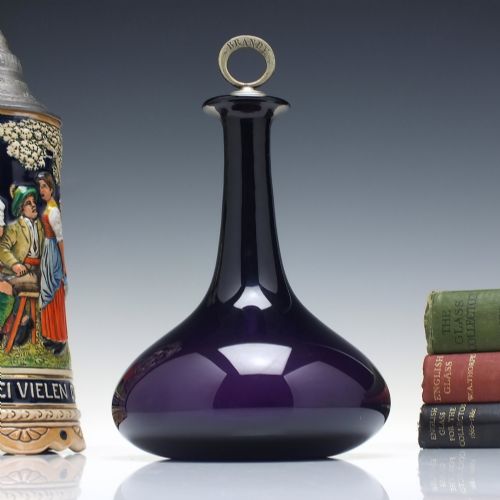
- A serving bottle with a heavy, bulbous lower body tapering towards the neck, designed to remain stable on ships at sea.
Antique Spirit Glasses: Frequently Asked Questions
Were these glasses meant for neat spirits?
Georgian and Victorian dram glasses and rummers accommodated spirits that were frequently diluted with water or mixed into punches rather than consumed strictly neat. The robust walls of these glasses suited the heavier toast-drinking customs of the period.
As tastes shifted towards distinct spirits like whiskey and brandy by the Edwardian era, smaller noggins and dedicated tumblers became standard for serving individual measures.
How can I tell Georgian glass from Victorian pieces?
Georgian glass often displays a darker metal tone with subtle surface imperfections, featuring hand-polished pontil marks on the underside of the base. Cutting tends to be shallower and more geometric, reflecting earlier manufacturing restrictions and tax laws.
Victorian pieces generally exhibit heavier lead crystal with brighter clarity and deeper, more elaborate wheel-cut patterns. The presence of registration marks or distinct maker stamps often points securely to the later nineteenth century.
What is a spirit barrel?
A spirit barrel is a tabletop container, usually mounted on a wooden stand with a brass tap, used for dispensing liqueurs or spirits in a dining room or study. These pieces combined cooperage techniques with glass or ceramic bodies.
They served as a communal alternative to traditional decanters, allowing guests to help themselves during gatherings before the popularity of the locked tantalus took over.