

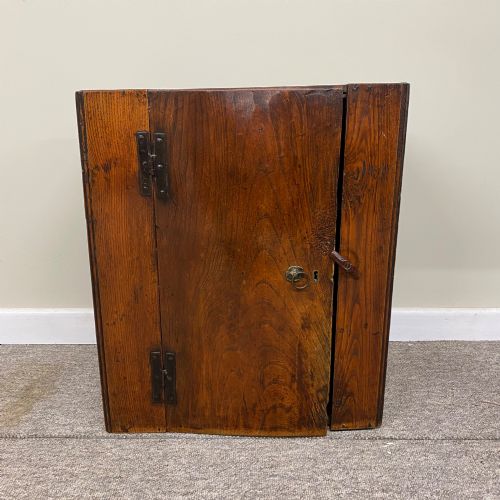

Antique Spice Cupboard
An antique spice cupboard keeps small domestic stores secure behind a compact door, offering collectors a tangible link to 17th, 18th and 19th-century domestic life.
Antique Spice Cupboard
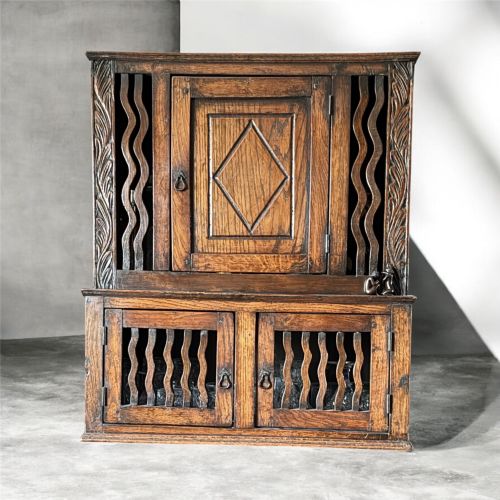
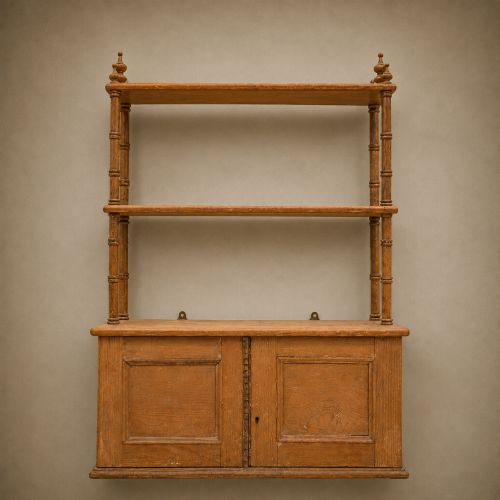
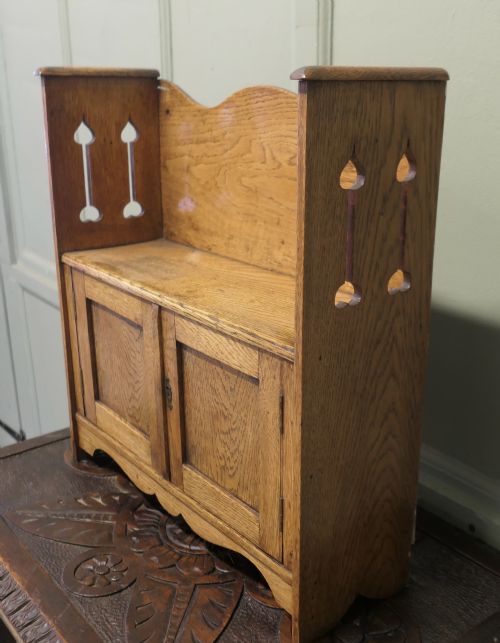
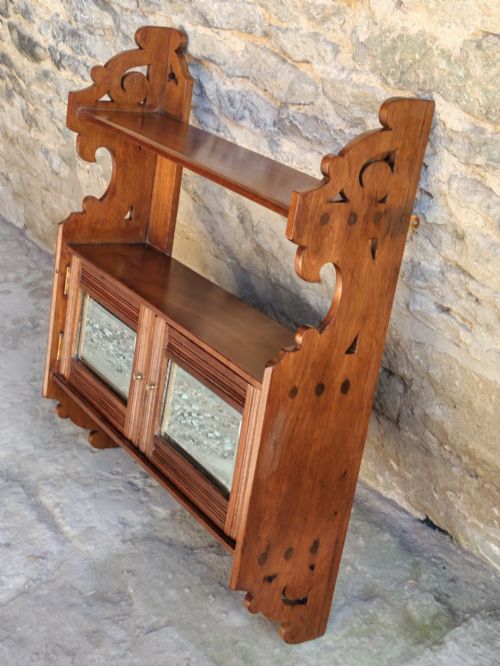
An antique spice cupboard is a small wall-hanging or table-top receptacle designed to hold precious seasonings, herbs and medicinal ingredients in domestic spaces. The pieces seen on this page span the 17th, 18th and 19th centuries, incorporating Georgian, Victorian and Edwardian periods.
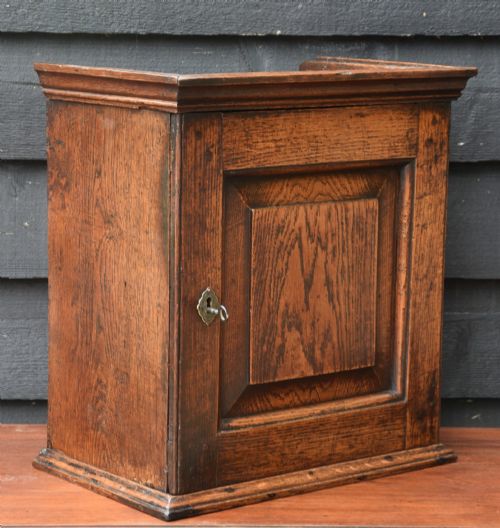
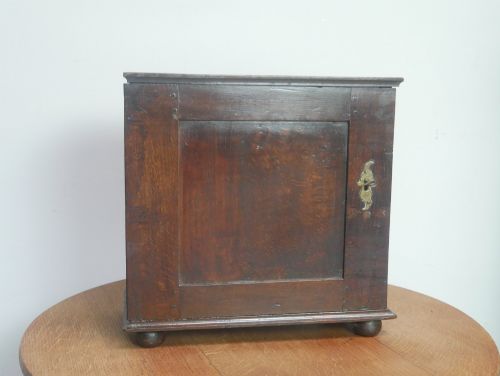
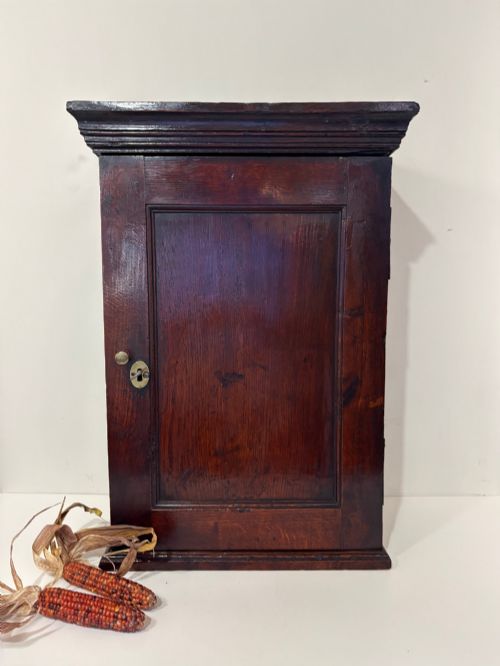
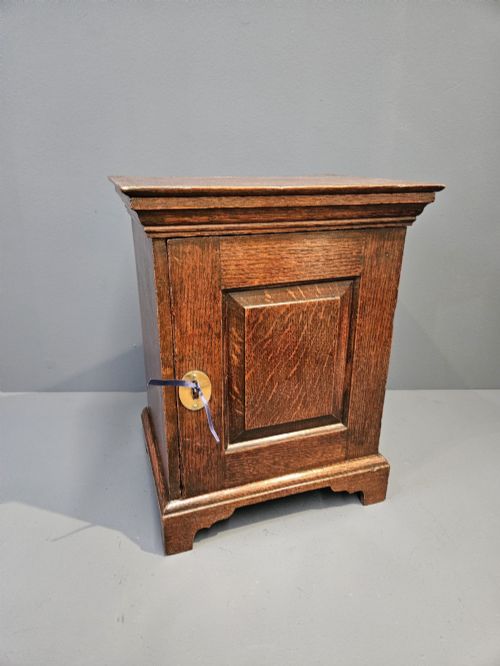
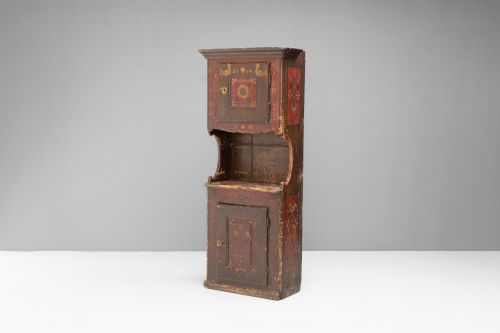
Buyers most frequently encounter oak examples originating from the 18th century and Georgian era, often featuring single panelled doors and interior small drawers. Regional variations include Welsh, Westmoreland and English provincial workshops, alongside painted Scandinavian and French country pieces.
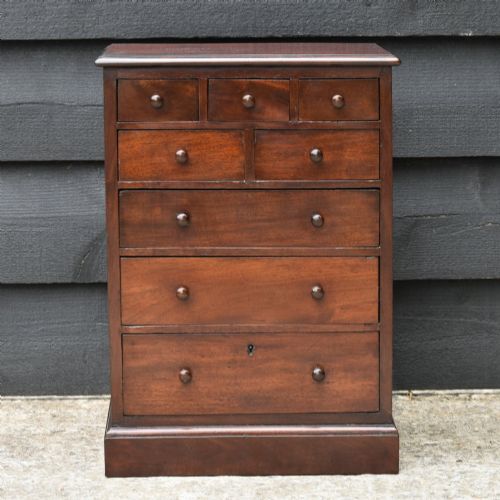
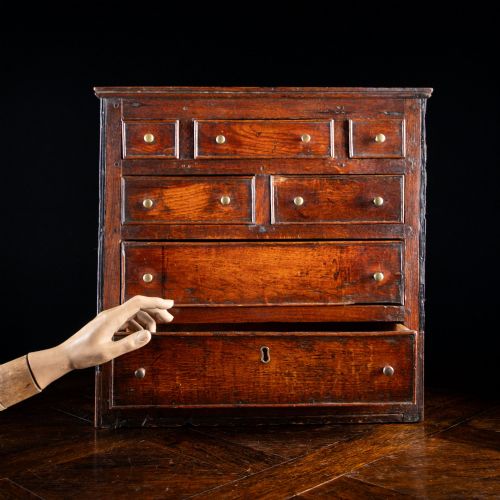
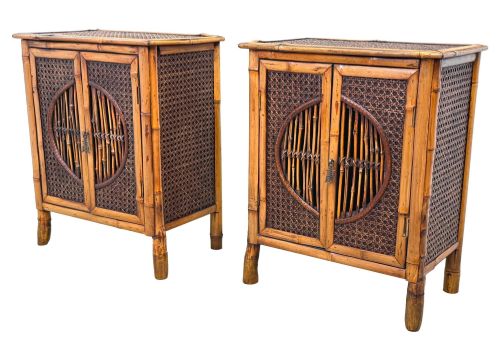
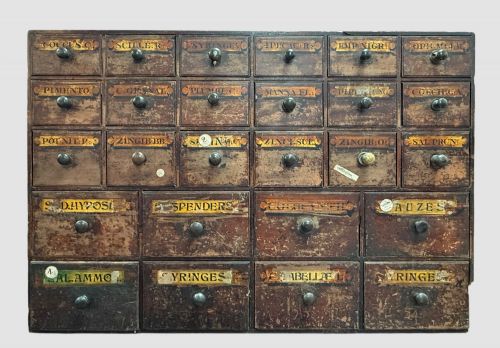
Forms extend beyond standard wall cabinets to include miniature furniture, table cabinets, hanging food cupboards and fruitwood spice drawers. These compact receptacles served functional storage roles in historical kitchens and chambers before surviving as sought-after decorative antiques.
How they were made
Joinery traditions dictate the construction of these pieces, with solid oak, pine, fruitwood and walnut assembled using pegged joints and panelled doors. Cabinetmakers utilised brass hinges and latches to secure the small doors, while iron hardware appears on utilitarian storage units.
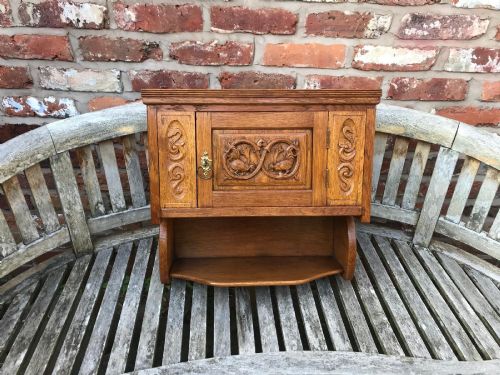
Surface finishes range from scrubbed natural timbers displaying visible grain to historic painted coats in Scandinavian and provincial styles. Carved detailing, including geometric panels and gothic motifs, reflects the aesthetic preferences of Victorian and earlier makers.
Antique Spice Cupboard Retail Price Guide 2026
Typical asking prices for spice cupboard among the pieces listed under this phrase on Sellingantiques today, from the lower quarter to the upper quarter. They describe what is for sale here now, not the wider market.
Listings feature oak, pine, walnut, fruitwood, mahogany and limewood materials across 17th, 18th, 19th and Edwardian periods.
What varies in quality
The degree of original surface preservation and untouched timber patination distinguishes finer examples from heavily restored or altered pieces. Crispness in hand-carved panels and the survival of interior small drawers elevate the standing of a cabinet.
Proportion and architectural balance define the upper tier of the range, particularly in George I and George II pieces where symmetry and hardware placement matter. Superior joinery keeps the original door hanging true without excessive sag across the centuries.
The Antique Spice Cupboard Glossary
- Spice cupboard
- A small wall-hanging or table-top cabinet historically used to store costly culinary spices, herbs and medical ingredients securely under lock and key.
- Panel door
- A timber door constructed with a floating centre panel fitted into a grooved frame to allow for seasonal wood expansion and contraction.
- Fruitwood
- Dense timber harvested from fruit trees such as pear or apple, utilised by cabinetmakers for small drawers and decorative details.
- Table cabinet
- A miniature cabinet designed to sit upon a desk, counter or table rather than hanging directly from a wall.
- Joyned
- An archaic spelling term relating to early framed joinery techniques utilising mortise and tenon joints secured with wooden pegs.
Antique Spice Cupboard: Frequently Asked Questions
What did they store inside?
These compact receptacles held expensive imported spices, culinary herbs, sugar loaves and medicinal powders away from damp household air. Wealthy households utilised them to protect valuable provisions under lock and key.
Inside, small internal drawers and tiers of tiny shelving organised individual ingredients. They functioned as the domestic pharmacy and spice pantry combined before modern packaging existed.
Where were they hung?
Historical spice cupboards were typically mounted on kitchen walls, in pantries or inside private bedchambers close to hand. Their compact wall-hanging format kept precious ingredients off damp stone floors and away from pests.
Today, modern collectors place them at eye level in kitchens, hallways or living spaces to showcase their proportions. Their shallow depth allows them to fit into narrow wall spaces where standard furniture fails.
How do I date an oak spice cupboard?
Dating relies on examining construction methods, hinges, timber selection and stylistic flourishes unique to specific centuries. Seventeenth-century examples often feature heavy peg construction and geometric mouldings, while Georgian pieces show refined fielded panels.
Secondary woods used for internal drawer linings and the type of fixings also provide clues. Hand-wrought iron hardware gives way to brass as the centuries progress from the 1700s onward.
Are all spice cupboards made of oak?
Oak is the predominant timber seen in early English and Welsh examples, prized for its durability and abundant local supply. However, makers also utilised pine, walnut, fruitwood and painted surfaces depending on the region and period.
Scandinavian and continental pieces frequently employed pine with painted decoration. Regency and Victorian variants occasionally turned to mahogany or exotic veneers for table-top display cabinets.