

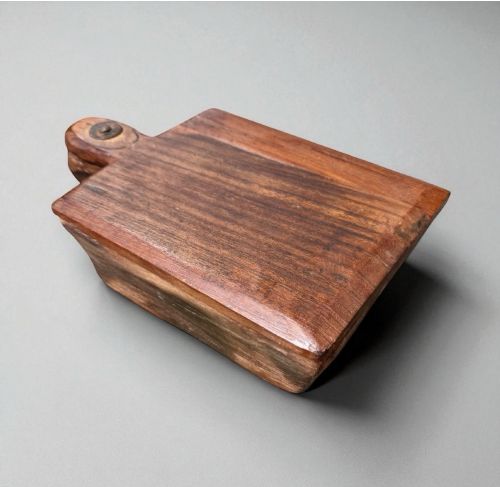
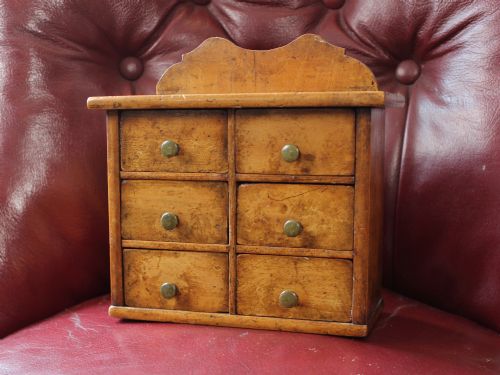

Antique Spice Box
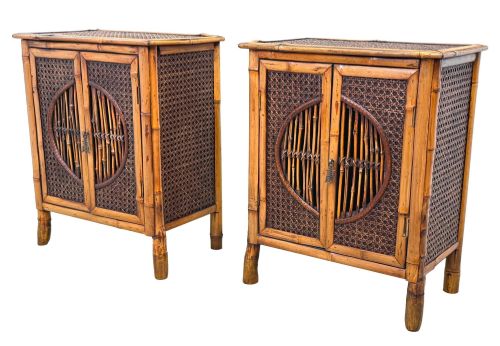
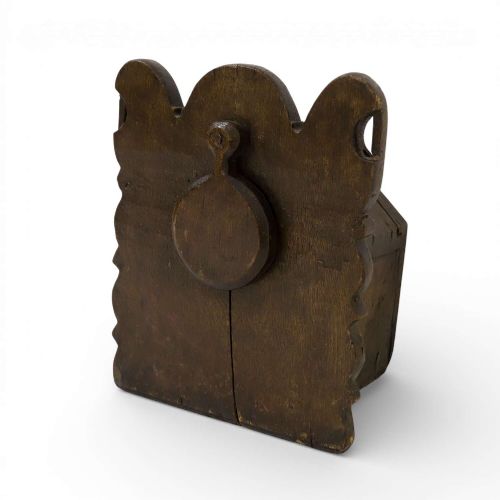
An antique spice box brings functional craftsmanship to the table, offering clever compartments and miniature towers designed to preserve aromatic flavours.
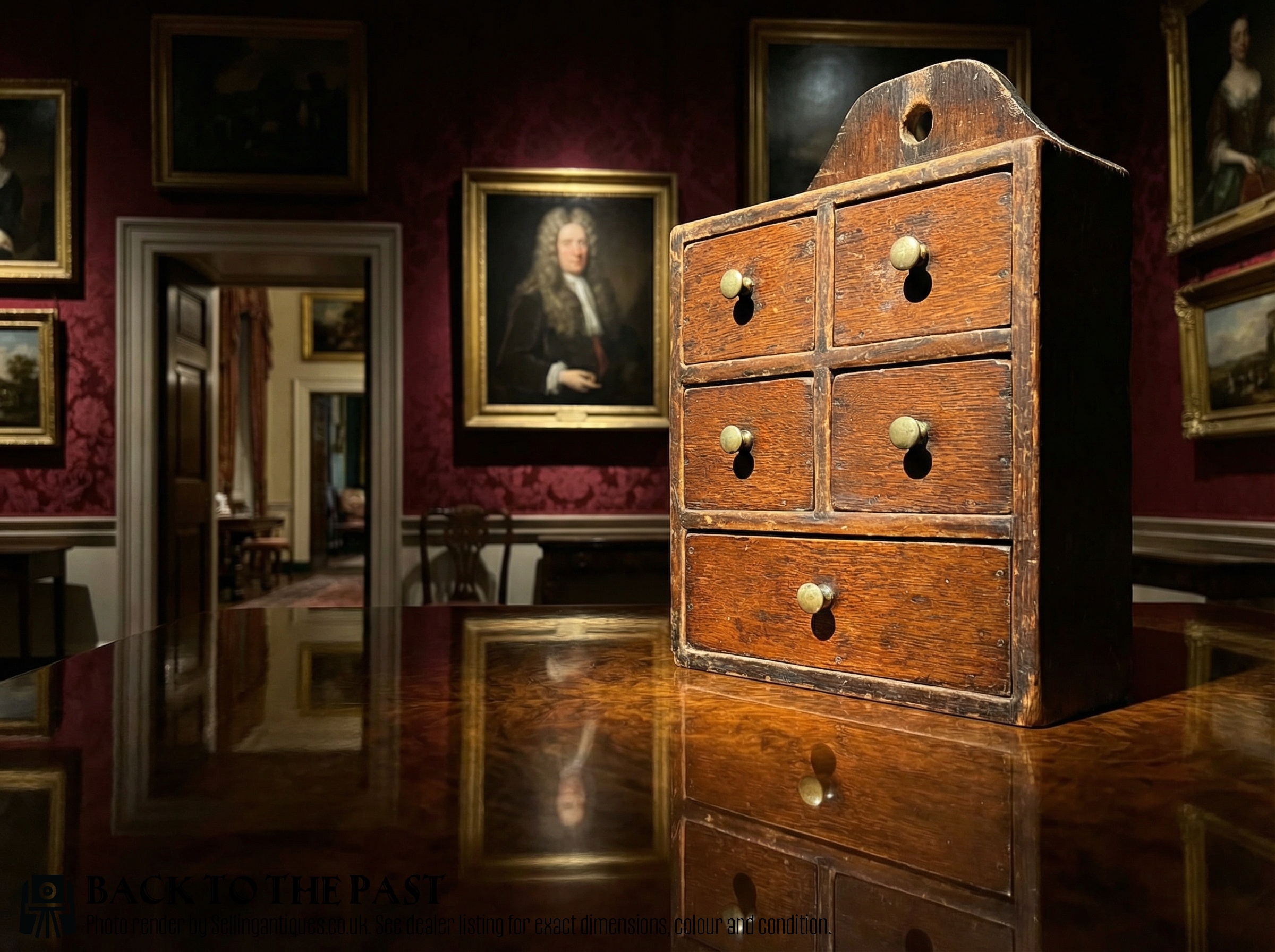
Antique Spice Box
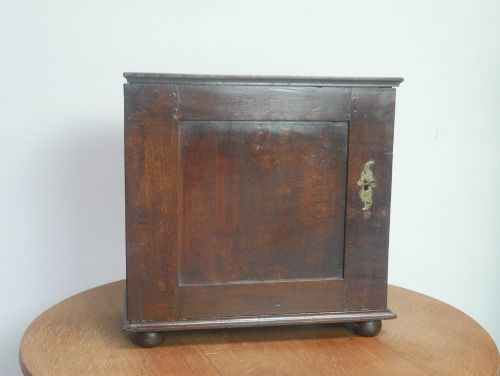
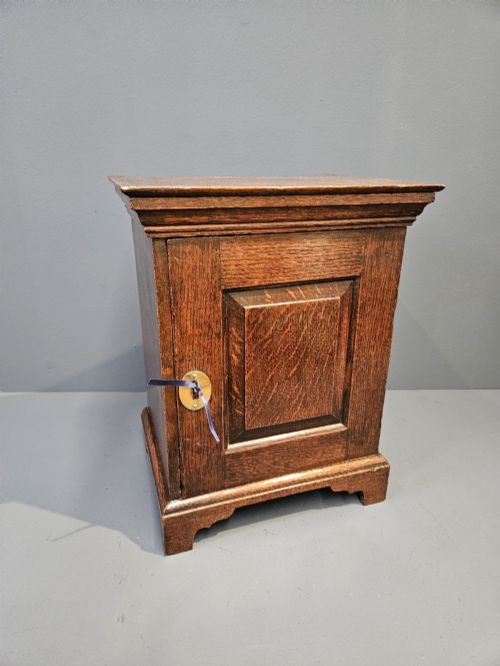
Originating from British, Scottish, European and colonial workshops, these pieces reflect domestic routines where flavourings were precious commodities requiring careful custody. The survival of complete examples retaining their original internal pots remains a notable feature for collectors.
How they were made
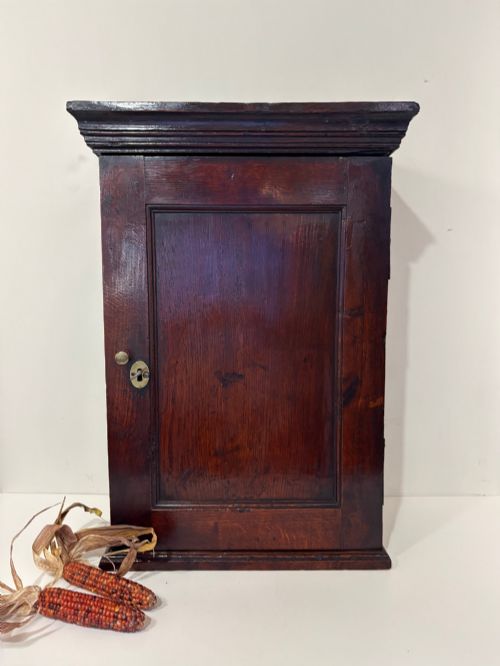
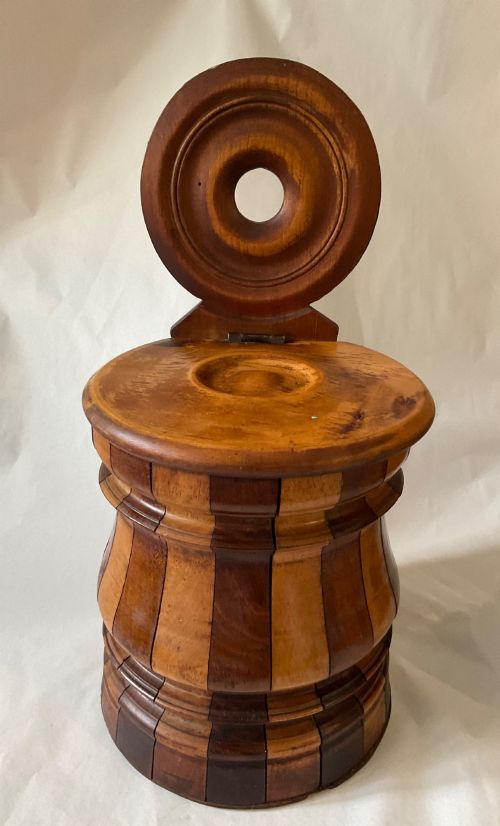
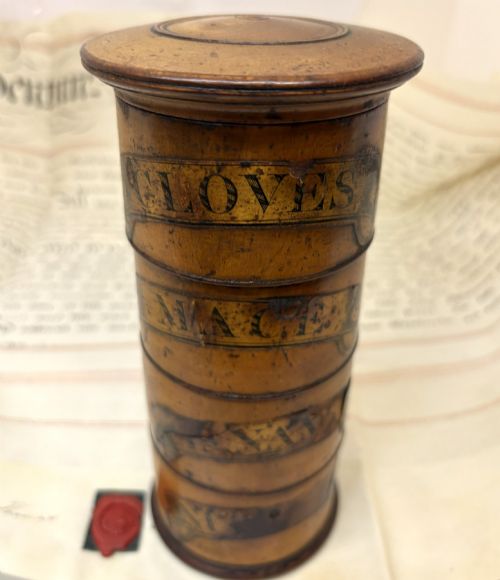
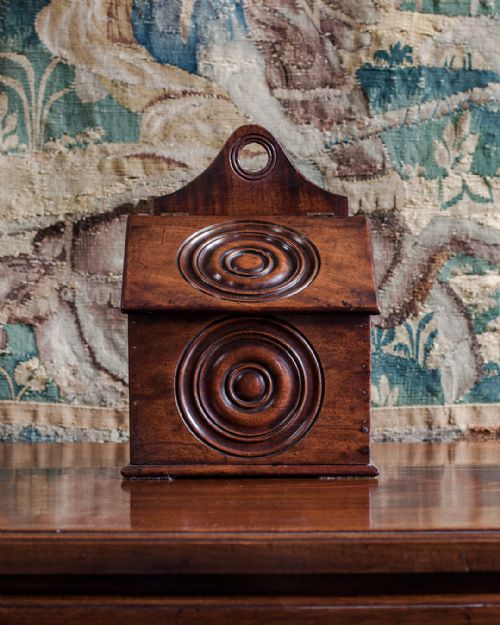
Makers utilised dense timbers such as oak, walnut, fruitwood and boxwood, employing traditional joinery like panelled doors, pegged frames and precise woodturning for stacked towers. Boxwood and fruitwood lent themselves to lathe work, allowing craftsmen to hollow out graduated sections that screw or stack together seamlessly.
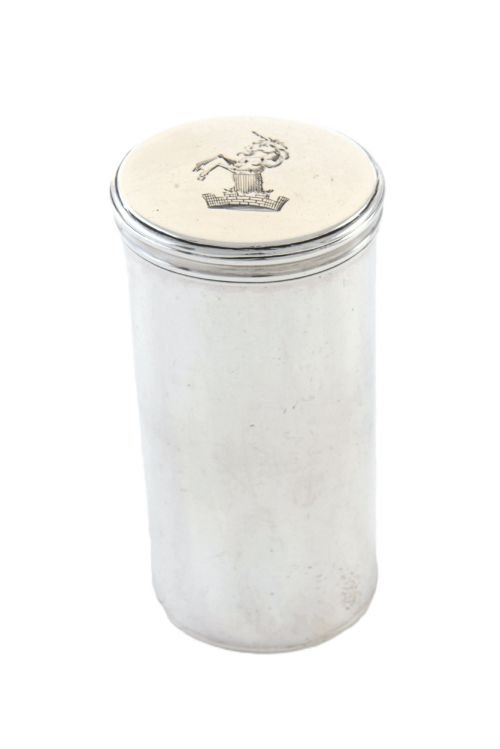
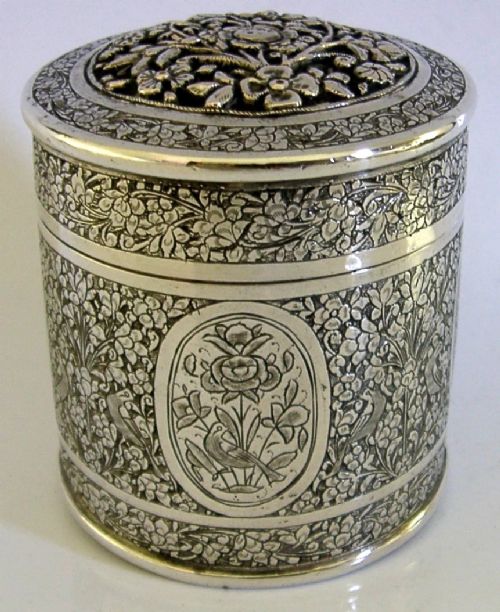
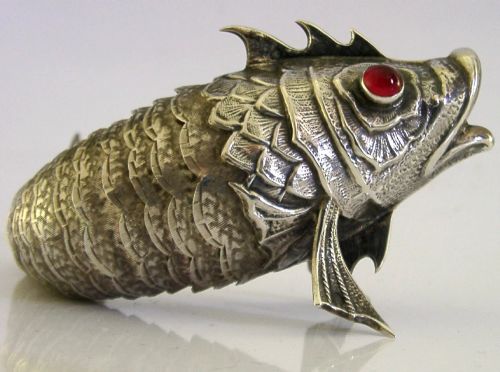
Metal versions relied on sterling silver, iron hardware, brass and toleware, shaped through silversmithing, hammering and embossing. Silver nutmeg graters and spice containers often incorporated hinged lids, articulated bodies and cast decorative motifs alongside fine steel rasp inserts.
Listings feature oak wall cupboards, boxwood spice towers, sterling silver nutmeg graters and Indian silver containers spanning the eighteenth to the twentieth century.
What varies in quality
Quality rests upon the completeness of the internal architecture, particularly whether a multi-tiered treen tower retains its full complement of original fitted spice pots. The precision of the lathe work and the tightness of threaded screw joints separate utilitarian containers from finer cabinetmaker pieces.
Surface preservation defines the upper tier of examples, where original patination, minimal timber shrinkage and intact iron hardware or silver hallmarks elevate the piece. Elaborate carving, such as intricate Indian silver embossing or detailed regional woodwork, distinguishes exceptional commissions from standard domestic items.
Daniel Field·Boaz Moses
The Antique Spice Box Glossary
- Spice Tower
- A vertical stacked container with multiple tiers or compartments that twist or lift apart. They were turned from boxwood or fruitwood to hold several distinct aromatic powders.
- Nutmeg Grater
- A pocket or table utensil featuring a small steel rasp and an internal compartment for storing the spice. Georgian examples in silver or treen were frequently shaped as acorns or wine bottles.
- Spice Cabinet
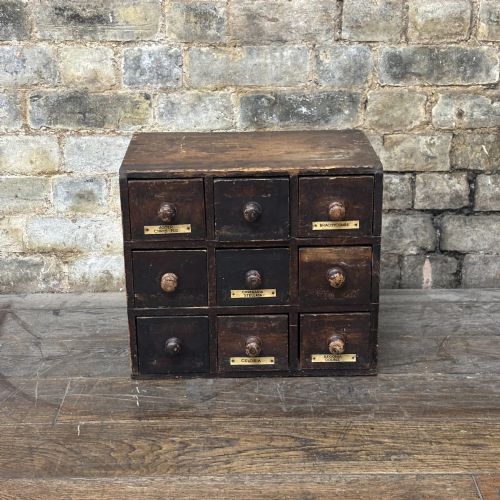
- A small wall-hanging or table-top cupboard fitted with miniature drawers or internal shelving. These eighteenth and nineteenth-century pieces of furniture kept culinary stores locked and dry.
Antique Spice Box: Frequently Asked Questions
What did they store inside?
These vessels held scarce culinary seasonings such as cinnamon, cloves, peppercorns and nutmeg before pre-ground packets existed in kitchens.
Travellers and households also utilised them for medicinal powders and aromatic seeds that required protection from damp air.
How do multi-tiered towers work?
Stacked wooden spice towers feature individual turned sections that fit together snugly using tight-fitting collars or threaded screw joints.
Each separate tier holds a different powder, allowing cooks to access multiple flavours within a single compact vertical column.
How do I date a timber box?
Dating relies on identifying the construction methods, such as hand-cut dovetails, iron hardware types and prevailing furniture styles like Georgian or Victorian.
Timber choice also guides the period, with eighteenth-century pieces frequently utilising native British oak and boxwood before exotic woods became widespread.