











Antique Spelter Sculpture
An antique spelter sculpture brings affordable nineteenth and twentieth-century figures and decorative metalwork into a room.
Antique Spelter Sculpture
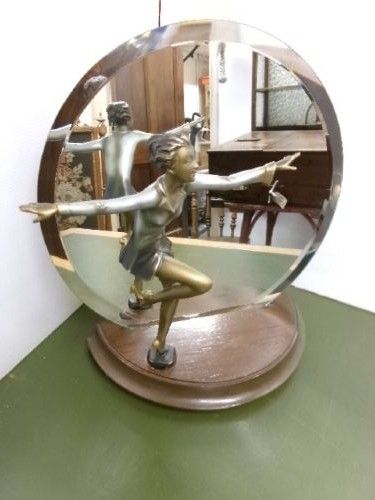
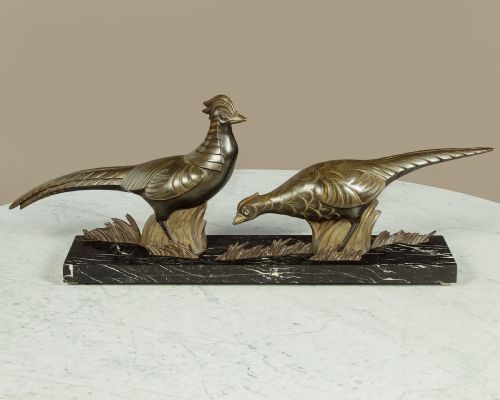
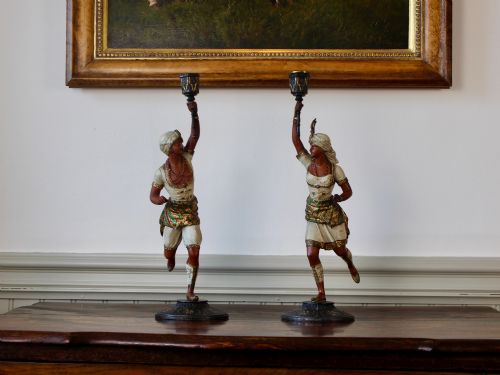
When you search for antique spelter sculpture, you find cast metal figures, lamps, clock sets, and bookends designed for domestic display. The pieces span the Victorian era through the Art Nouveau and Art Deco periods, capturing everything from agricultural labourers and classical characters to dancers and animals.
You are most likely to meet French works from the late nineteenth century and the nineteen-thirties on this page. These range from patinated figures mounted on marble and onyx plinths to figural candlesticks and mantel clocks.
Materials and casting techniques
Makers utilised zinc-based alloy, commonly known as spelter, because it melted at lower temperatures than bronze and took fine detail from moulds. Foundries frequently treated the finished metal with a bronzed, patinated, or cold-painted finish to simulate more expensive materials.
Sculptures often incorporate mixed media bases, mounting the metal figures securely onto polished marble, onyx, slate, or wooden plinths to provide stability and visual contrast.
Several animals take on human habits, including a nodding dog and medieval characters balancing precariously on stilts.
Factors that distinguish quality
The integrity of the original surface finish and the quality of the mounting base elevate a piece. Integrated attachments to heavy marble or onyx plinths indicate higher production standards than simple bolted fixings.
F. Milliot·Josef Lorenzl·P. Sega·C Masson·Geo Maxim·Chiparus·Auguste Moreau·Ernest Rancoulet
The Antique Spelter Sculpture Glossary
- Spelter
- A zinc alloy used as a cost-effective alternative to bronze in nineteenth and twentieth-century decorative casting. It offers a lightweight base for intricate figures and lamps.
- Patinated metal
- Metal treated with chemical solutions or paint layers to simulate aged bronze or brass. This surface treatment gives the sculpture its characteristic dark or metallic tone.
- Cold painted
- Pigment applied to a metal surface after casting without subsequent firing. This technique provides colourful detail on garments and animal figures.
- Onyx
- A banded variety of chalcedony utilised extensively for decorative clock and sculpture bases. Its translucent layers add weight and a polished decorative border to the metalwork above.
Antique Spelter Sculpture: Frequently Asked Questions
What is spelter?
Spelter is a zinc-based alloy that foundries cast into decorative figures, lamps, and clock sets during the nineteenth and twentieth centuries.
It served as a popular, affordable substitute for bronze while still accepting detailed moulds and patinated finishes.
How do I clean an antique spelter sculpture?
Dust the surface gently with a soft, dry brush and avoid liquid cleaners or polishes.
Moisture and harsh chemicals can damage the delicate patination or cold-painted details applied to the metal.
How can I tell spelter from bronze?
Spelter is generally lighter in weight than bronze and often shows a greyish or silvery metal underneath worn areas of patination.
It is also softer to the touch and more brittle if struck or dropped.
Where were most of these sculptures made?
The vast majority of these decorative figures and clock sets originated in France during the nineteenth and early twentieth centuries.
French foundries dominated the production of patinated alloy sculptures for international export.