

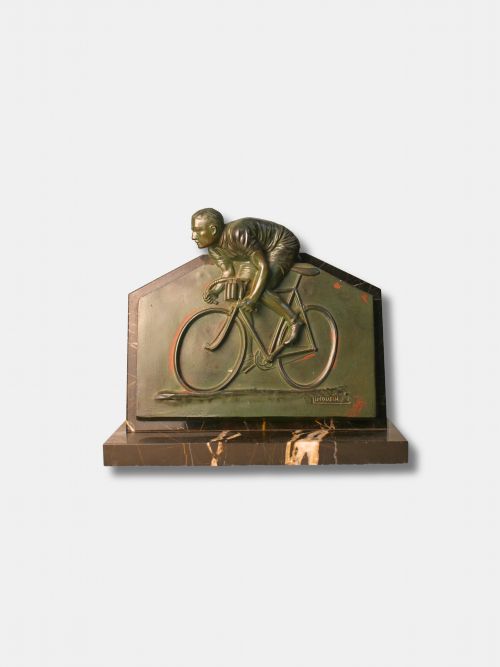


Antique Spelter Ornaments
These antique spelter ornaments bring expressive figures and animals into a room, offering a decorative metalwork alternative to traditional bronze.
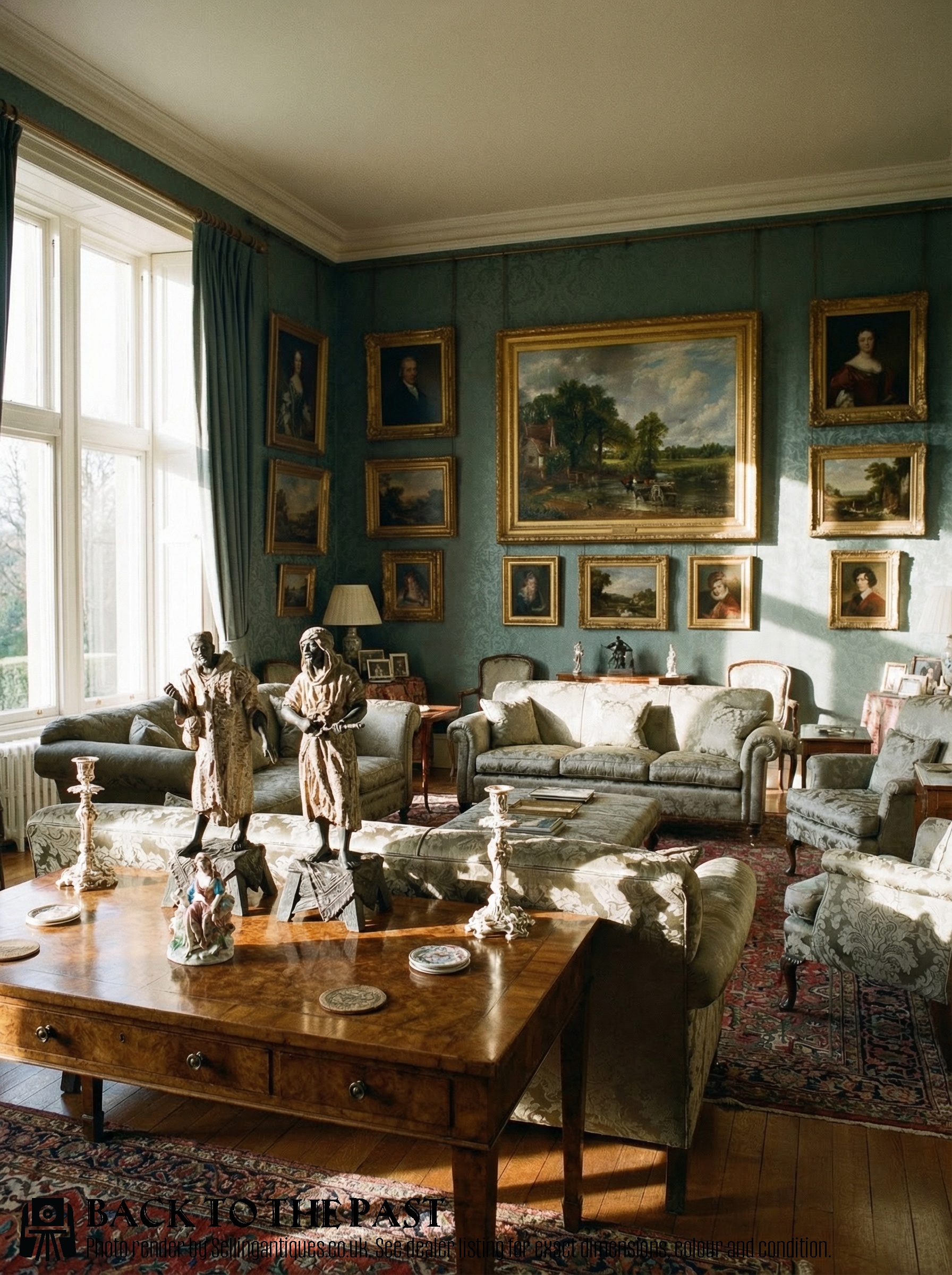
Antique Spelter Ornaments
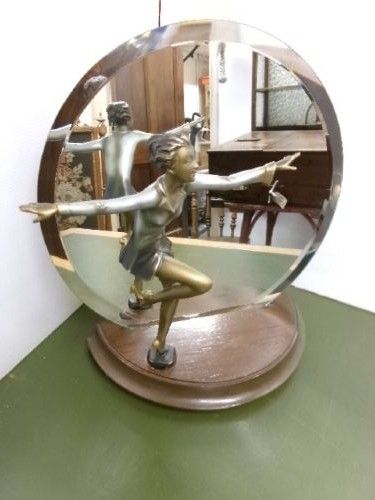
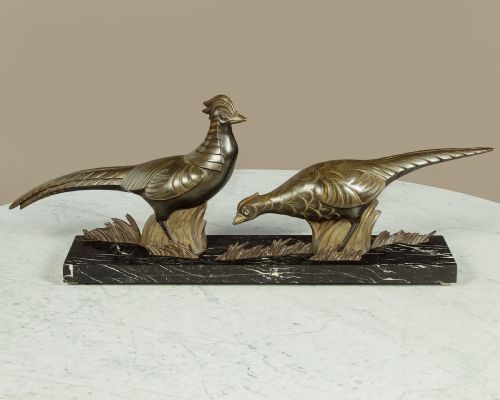
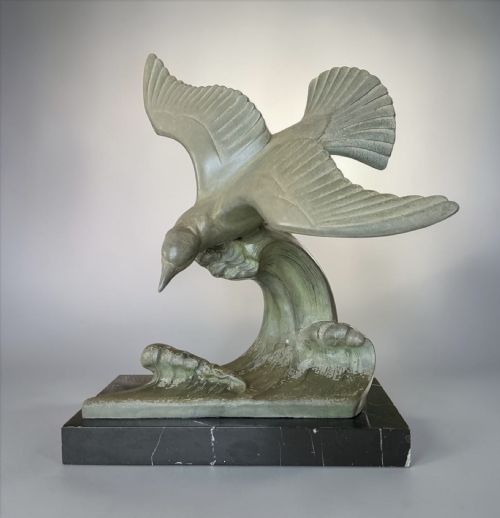
When you search for antique spelter ornaments, you encounter decorative statues, figurines, and sculptures cast in zinc-based metal alloys. These objects span the nineteenth century through the Art Deco period, capturing everything from classical figures to modern dancers.
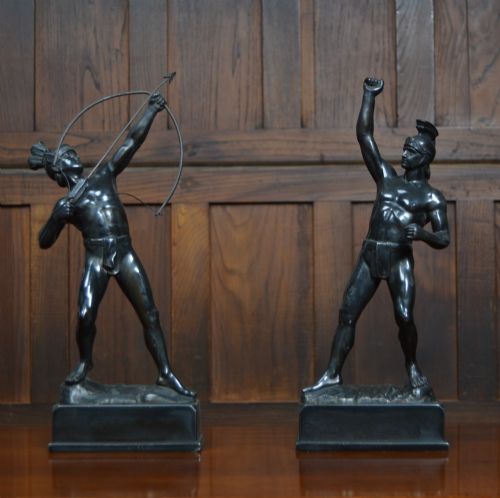
You are most likely to meet French figural works on this page, particularly dancers and animals mounted on marble or onyx plinths. Figures of athletes, literary characters, and campana urns also appear frequently across Victorian and Edwardian dates.
How they were made
These items are produced by casting zinc alloy into moulds, often finished with a bronzed, gilt, or cold-painted surface coating to mimic more costly metals. Many pieces incorporate mixed media elements, securing the cast metal body onto bases made of marble, onyx, alabaster, or wood.
Surface detailing relies on hand-finishing techniques after casting, including patination and painting. Makers frequently applied bronze finishes or polychrome paints to highlight the contours of clothing, hair, and animal pelts.
Among the dancers and athletes, an unexpected nodding dog waits patiently on its plinth.
What varies in quality
Quality rests primarily on the crispness of the casting and the finesse of the chase work. Finer examples retain sharp facial expressions and intricate drapery, whereas inferior castings appear soft and muddy in detail.
The choice of plinth material and surface finish also dictates the grade of the piece. Heavy marble and onyx bases combined with skilful cold painting or patination distinguish superior works from plain metal castings.
Josef Lorenzl·P. Sega·Auguste Moreau·Geo Maxim
The Antique Spelter Ornaments Glossary
- Spelter
- A zinc alloy commonly used as a less expensive substitute for bronze in the manufacture of decorative figures and statues. It takes patination and paint well but is softer than bronze.
- Campana urn
- A bell-shaped vessel with a flaring rim, often mounted on a square plinth base. These classical garden and decorative ornaments were frequently rendered in metal during the nineteenth century.
- Cold painted
- A method of applying non-fired paint to metal surfaces after casting. This technique was popular for adding vibrant colour to animal and human figures.
Antique Spelter Ornaments: Frequently Asked Questions
What is spelter metal?
Spelter is a zinc-based alloy that gained popularity in the nineteenth and early twentieth centuries for decorative metalware. It provides a durable base for intricate casting while remaining lighter and more affordable than bronze.
Because the metal is relatively soft, objects made from it require careful handling to avoid surface dents. Manufacturers often applied bronzed or painted patinas to give the alloy the appearance of solid bronze or carved stone.
How do I clean antique spelter?
Cleaning requires a soft, dry cloth to remove dust from the surface and crevices. Moisture and harsh cleaning agents can damage the delicate cold-painted or bronzed finishes applied to these items.
If a piece is mounted on a stone or marble base, take care not to let cleaning liquids seep into the junction between the metal figure and the plinth. Gentle maintenance preserves the original patination that collectors look for.
Are these pieces solid bronze?
Most items found under this description are cast from zinc alloy rather than copper-based bronze. Spelter is lighter in weight and typically shows a different texture where the surface finish has worn away.
Makers often applied a bronzed coating to disguise the cheaper alloy beneath. A close inspection of the underside or unpainted areas usually reveals the lighter, greyish metal characteristic of zinc.
How do I date art deco figures?
Art Deco pieces typically date from the 1920s and 1930s, featuring streamlined silhouettes, geometric plinths, and stylised representations of dancers or animals. Signature styles often reflect the fashion and machinery of the interwar period.
Signatures from known designers active in the period, such as Josef Lorenzl or Geo Maxim, help confirm the decade of production. The choice of marble or onyx bases also points firmly to this twentieth-century era.