



Antique Silverware Vessel
These antique silverware vessel pieces are functional and decorative containers spanning several centuries of domestic silver production, prized for their traditional forms and metalwork skill.
Antique Silverware Vessel
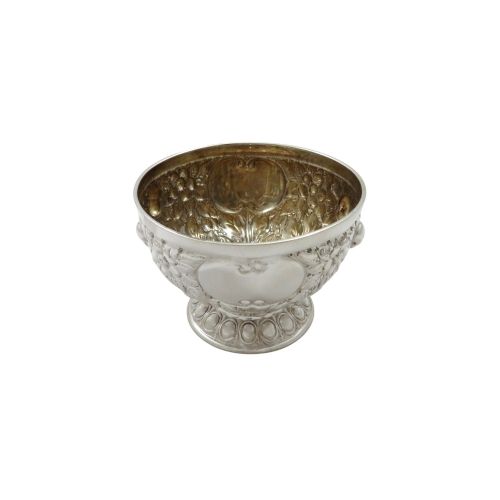
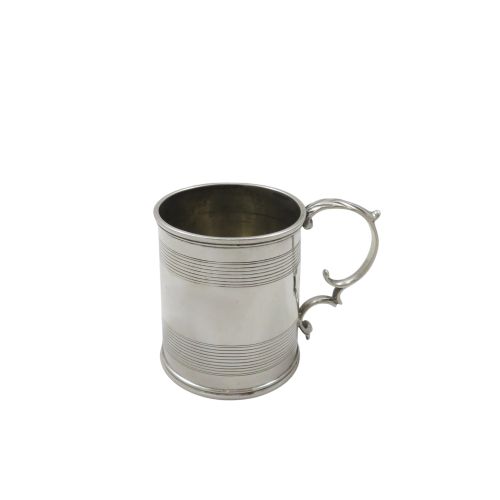
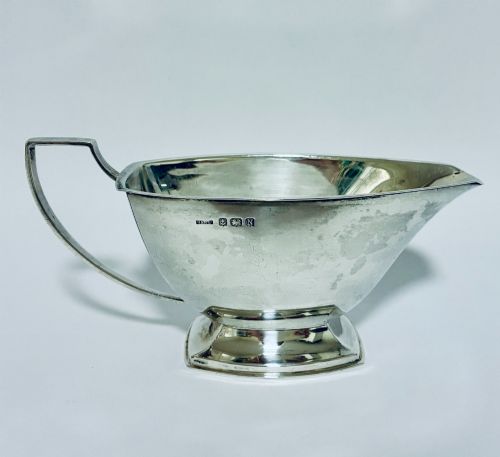
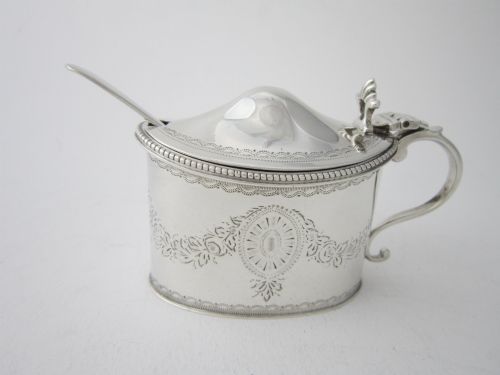
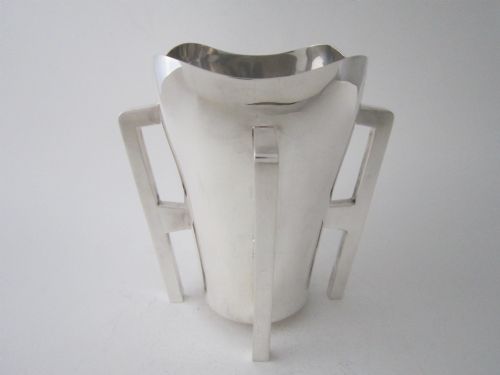
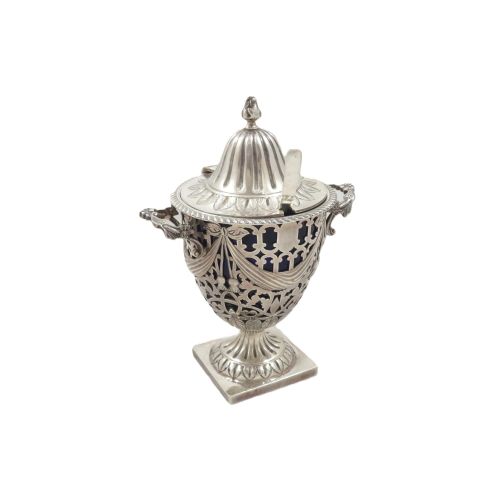
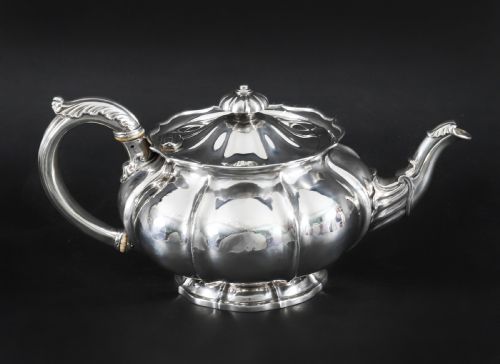
When you search for an antique silverware vessel, you encounter an array of functional and decorative holloware ranging from teapots and sugar bowls to mustard pots, christening mugs, and larger presentation pieces. These items serve both practical dining purposes and ornamental display.
The selection on this page covers numerous distinct eras, including Georgian, Victorian, and Edwardian periods, alongside regional styles such as Anglo-Indian and Art Deco. Teapots, sauce boats, and decorative bowls appear frequently among the diverse object types.
Origin points vary widely, encompassing English provincial workshops, Scottish and Irish makers, and colonial Indian silversmiths. Each geographic source imparts unique stylistic conventions onto the basic silver vessel form.
Materials and construction methods
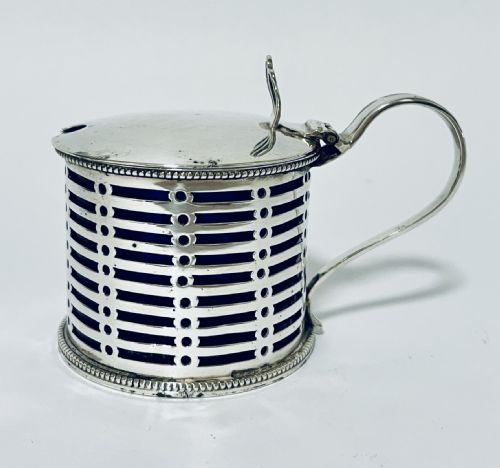
Silversmiths utilised sterling silver and solid silver for the primary structure of these vessels, occasionally incorporating silver-gilt finishes for interior radiance. Supplementary components frequently feature wood handles, bone insulators, and fitted cobalt glass liners.
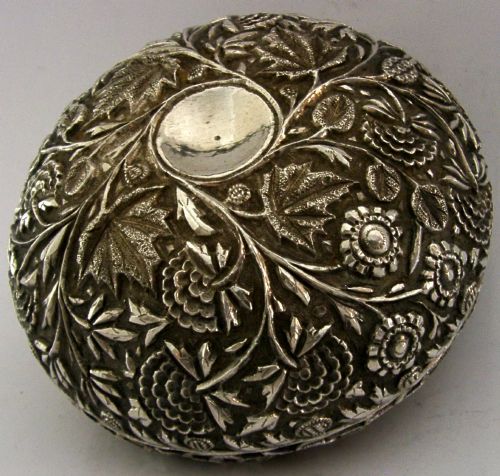
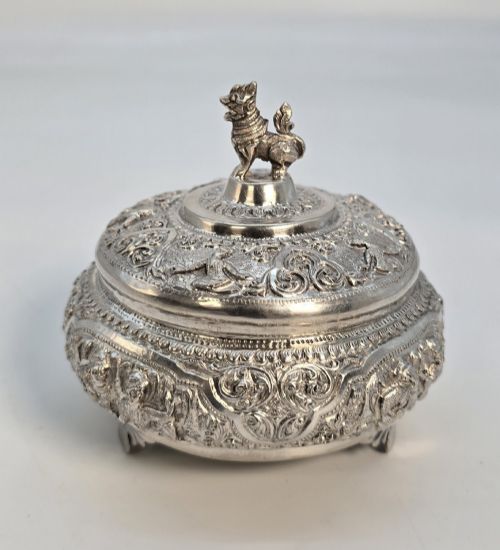
Construction techniques include traditional hand-raising, casting, and repoussé embossing, particularly seen in Indian and Burmese examples. Makers also applied precise engraving and polygon shaping to achieve distinct geometric and floral surface patterns.
A traditional Irish mether vessel appears among the selections, offering a glimpse into ancient drinking customs.
Quality factors in silver vessels
The standard of execution in a silver vessel rests upon the crispness of its chasing, the balance of its proportions, and the integrity of its structural joins. Master silversmiths demonstrated superior control over wall thickness and decorative depth.
Provenance and maker attribution significantly influence the distinction between standard domestic items and exceptional workshop output. Pieces bearing clear hallmarks from notable makers command greater attention from collectors.
Paul Storr·William Eaton·Walter Brind·Roberts & Belk
The Antique Silverware Vessel Glossary
- Holloware
- Tableware and decorative items such as bowls, teapots, and jugs that possess volume rather than flatware pieces like spoons and forks. This term encompasses the majority of vessel types found in early silver collections.
- Repoussé
- A metalworking technique where the silversmith hammers the design from the reverse side to form a raised relief on the front. This method creates tactile, highly ornate surface decoration on bowls and jars.
- Hallmark
- An official stamp applied to precious metals indicating the standard of purity, the assay office, and the date letter. These marks provide the primary evidence for dating antique silver vessels.
- Silver-gilt
- Silver that has been coated with a thin layer of gold, often applied to the interior of drinking vessels and mustard pots. This treatment protects the silver from acidic contents.
- Baluster
- A vase-shaped architectural form with a rounded lower body tapering to a narrower neck. This silhouette frequently appears in large silver vases and ewers.
Antique Silverware Vessel: Frequently Asked Questions
What is a silver wager cup?
A wager cup is a dual-cup drinking vessel historically used in wedding traditions and drinking games where the drinker had to consume wine from both cups simultaneously without spilling.
These pieces typically depict a small human figure holding a swinging smaller cup aloft above their head.
How do I identify a Georgian silver teapot?
Georgian silver teapots from the eighteenth and early nineteenth centuries often display bulbous or bullet forms supported on small feet, accompanied by wooden scroll handles. They carry hallmarks indicating duty marks and provincial or London assay offices.
Examining the base and the interior joint construction helps confirm the period manufacturing methods used before industrial expansion.
What are Anglo-Indian silver vessels?
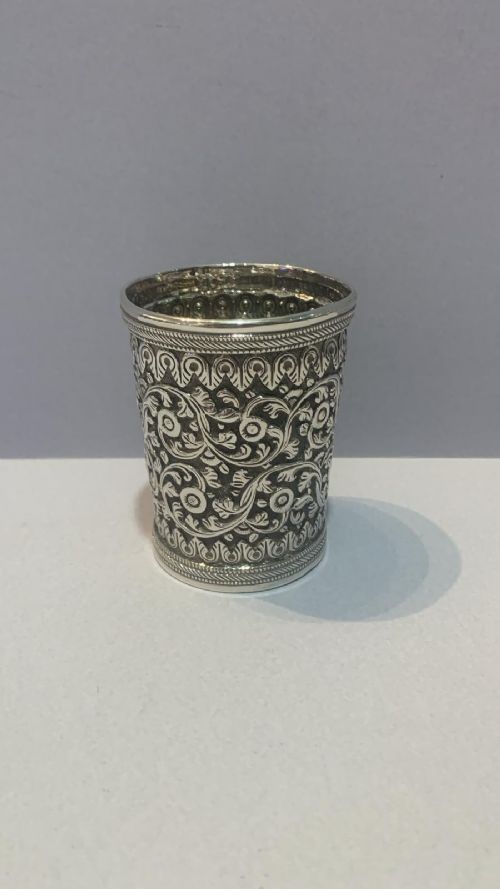
Anglo-Indian silver vessels are items produced in India during the colonial period that combine traditional Indian repoussé or Kutch ornamentation with British domestic forms like bowls and beakers. These pieces reflect the exchange of design ideas between local artisans and British residents.
They are distinguished by dense floral and animal motifs executed in heavy gauge solid silver.
How should I clean antique silver vessels?
Antique silver vessels require gentle cleaning with specialised silver cloth or mild non-abrasive detergent to preserve the patina and historical hallmarks. Avoid harsh chemical dips that strip the natural ageing from recessed areas.
Storing them in dry environments away from direct sunlight helps prevent rapid tarnishing of the metal surface.