


Late Victorian Silver Jug
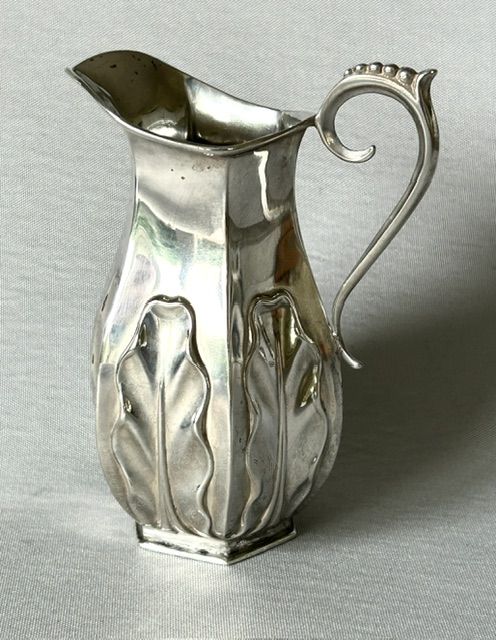
When you seek a late victorian silver jug, you find vessels formed for claret, cream and water during the reign of Victoria.
Late Victorian Silver Jug
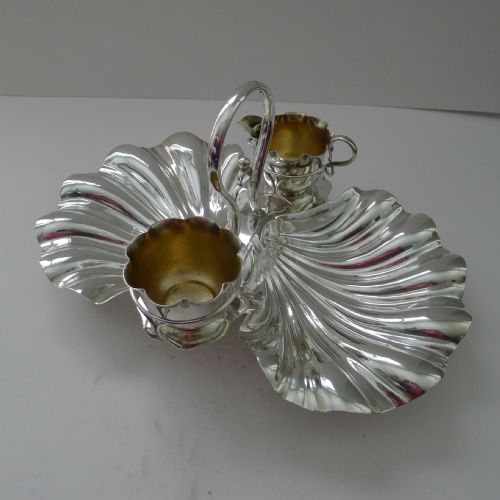
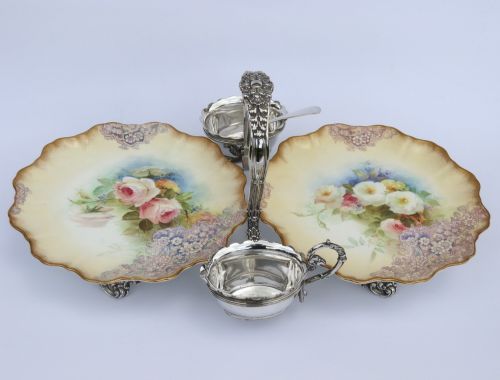
When searching for a late victorian silver jug, buyers encounter several distinct functional forms that served the dining table and drawing room. The selection spans tall glass vessels destined for wine alongside smaller sterling and plated pieces intended for cream, milk, or hot water.
The objects most frequently met on this page combine cast metal mounts with blown glass bodies, or present entirely in solid metal. Makers adopted styles that ranged from straightforward domestic utilitarian designs to elaborate revival pieces influenced by Georgian forms.
The period covers the final decades of the nineteenth century, drawing upon workshops that utilised traditional manufacturing centres in London, Birmingham, and Sheffield. These vessels reflect the social habits of the era, where specialised tableware for beverages was an essential part of hospitality.
How they were made
The construction of these pieces relies on the pairing of precious metal or silver plate with blown and cut glass bodies. Makers formed handles, hinged lids, and decorative collars from sterling or electroplated nickel silver, often adding intricate engraving or cast figural elements.
Glass bodies display deep hobnail cutting, etching, or smooth surfaces, frequently fitted securely beneath metal collars secured by cork or bayonet stoppers. Interior surfaces sometimes received a gold wash to protect the metal from acidic contents.
Sterling examples bear clear assay office hallmarks indicating town and year, while plated versions utilise base metals coated through electroplating techniques developed during the period.
Some claret jugs feature mythical winged dragons and lions guarding the lid.
What varies in quality
Quality rests in the weight of the metal, the crispness of the chasing or casting on mounts, and the depth of the glass cutting. Superior examples exhibit tightly fitted hinged lids that close flush and handles that feel balanced in the hand.
The distinction between solid sterling silver and plated wares changes the character of a piece, though top tier electroplated items from prominent makers match the artistry of solid silver mounts. Detail work, such as engraved foliage or figural finials, distinguishes standard domestic output from exceptional studio production.
Daniel Arter·Walker and Hall·John Rawlings·Hukin and Heath·John Grinsell·John Northwood·Martin Hall and Co·Elkington and Co
The Late Victorian Silver Jug Glossary
- Sterling Silver
- An alloy comprising ninety-two point five percent silver by mass, with the remainder consisting of copper or other metals. This standard grade is stamped with hallmarks on qualified pieces.
- Silver Plate
- A base metal such as nickel silver covered with a thin layer of pure silver. The process became widespread during the nineteenth century.
- Claret Jug
- A specialised vessel designed for serving red wine at the table. These typically feature glass bodies with mounted metal handles, spouts, and hinged lids.
- Gold Wash
- A thin layer of gold applied to the interior surface of a silver vessel. This treatment prevents tarnish and protects the metal from corrosive liquids.
- Hobnail Cut
- A geometric pattern cut into glass featuring faceted pyramid shapes that catch the light. It appears frequently on nineteenth century decanters and jugs.
Late Victorian Silver Jug: Frequently Asked Questions
What is a late victorian silver jug used for?
These vessels served various functions at the Victorian dining table, including pouring claret, cream, milk, or hot water. Their specific shape usually corresponds to the liquid they were manufactured to hold.
Claret versions dominated the dining room for serving wine, while smaller handled pots catered to tea and breakfast service.
How can I tell sterling silver from silver plate?
Sterling items carry official assay office hallmarks stamped into the metal, indicating the standard of purity and the year of manufacture. Plated pieces lack these specific marks and often show base metal underneath where wear occurs.
Examination of the hallmarks reveals the exact city of origin and date for solid pieces.
What are claret jugs made of?
Claret jugs from this period typically combine blown glass bodies with metal mounts forming the handle, collar, and hinged lid. The glass is often heavy, featuring cut crystal or engraved patterns.
The metal components consist of either sterling silver or electroplated nickel silver.
How do I care for silver plated tableware?
Maintenance requires gentle cleaning with non abrasive silver polishes to preserve the plated surface over time. Avoid harsh scrubbing that can wear away the thin silver layer on electroplated items.
Store pieces in dry environments to minimise tarnishing between uses.