



Antique Silver Storage Jar
These antique silver storage jar pieces bring functional elegance to a room, holding dry goods or trinkets with the weight of past centuries.
Antique Silver Storage Jar
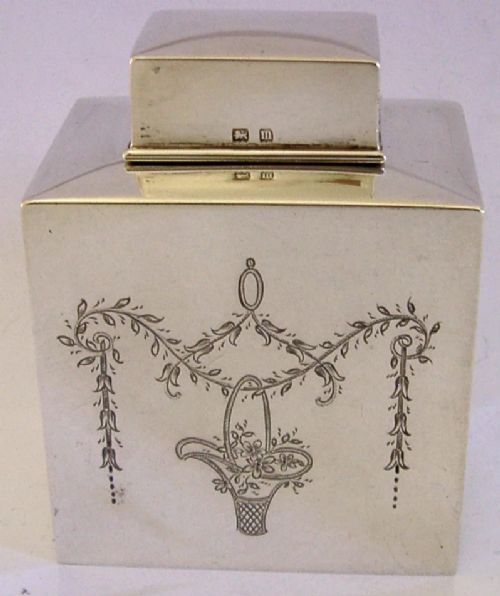
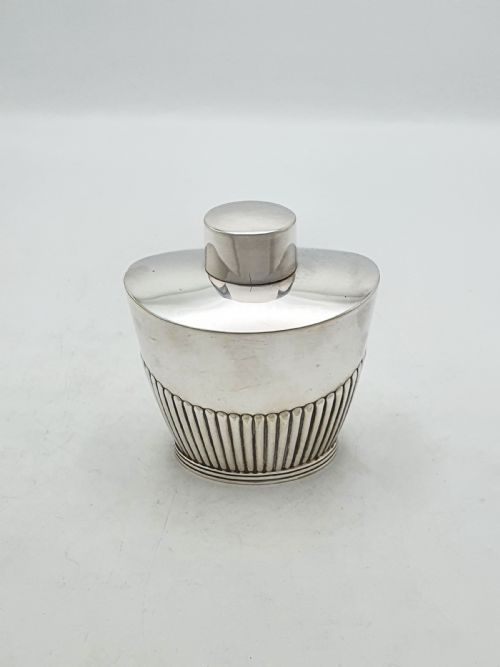
Tea caddies and biscuit barrels form the core of the available items, rendered in sterling silver, silver plate, and combinations of cut glass with metal mounts. These vessels reflect the changing habits of entertaining and household storage across the nineteenth and early twentieth centuries.
How they were made
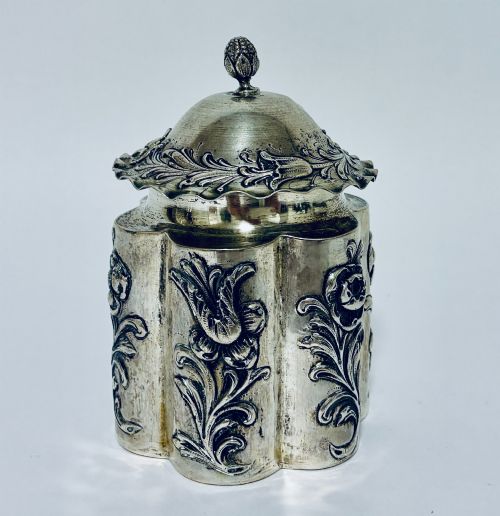
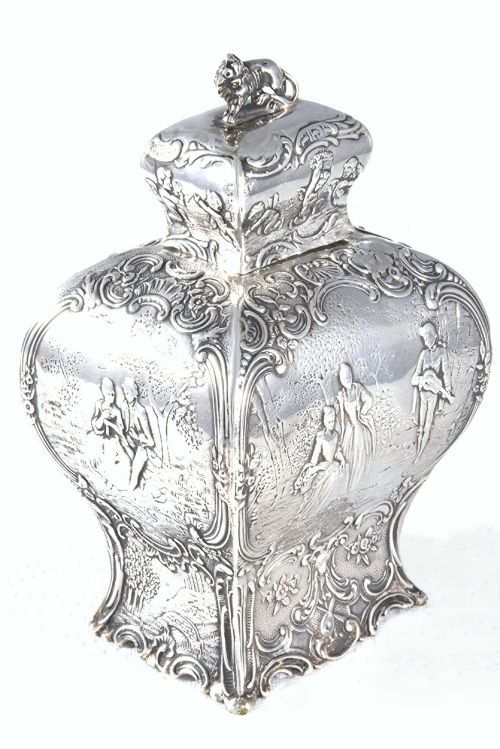
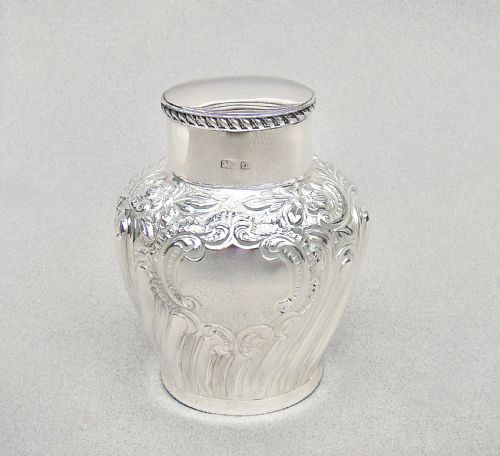
Silversmiths constructed these vessels using solid sterling silver or applied silver plate over base metals, often incorporating clear or mercury glass bodies. Techniques such as repousse work allowed artisans to hammer detailed patterns from the reverse side, creating raised floral or scroll motifs on the metal surface.
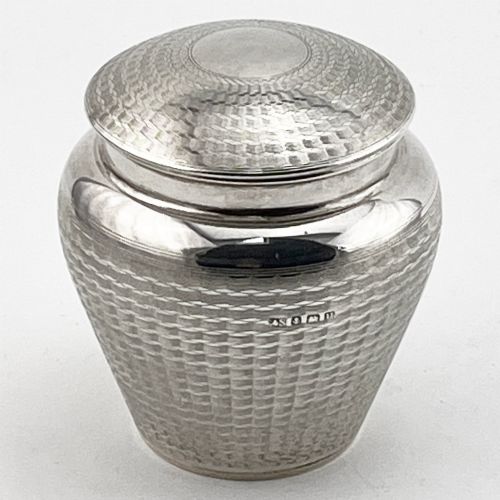
Many items feature fitted lids, internal compartments, and hallmarks stamped directly into the metal to denote the assay office, city, and year of production. Glass components were often cut or faceted to catch the light, complementing the polished sheen of the surrounding silver mounts.
One exceptional Edwardian offering disguises itself entirely as a humble painted tin of paint, proving that even high-society tea storage possessed a playful sense of humour.
What varies in quality
The distinction between standard examples and superior pieces rests on the weight of the metal, the crispness of the chasing, and the presence of clear hallmarks. Heavier gauge solid silver vessels retain their structural integrity better over time than thinner plated alternatives.
Makers known for exceptional craftsmanship, such as Asprey or Elkington, produced items with tighter lid tolerances and more refined surface ornamentation. The integration of materials, particularly where cut glass meets fitted silver collars, dictates the refinement of the finished piece.
Zimmermann·Thomas Hayes·Mappin & Webb·Thomas Bradbury·Ernest Druiff & Co·Asprey & Co·Atkin Brothers·William Hutton·Elkington & Co
The Antique Silver Storage Jar Glossary
- Repousse
- A metalworking technique where the artisan hammers the design from the reverse side to form raised relief patterns on the front. This method was widely used on Victorian tea caddies.
- Hallmark
- An official stamp or series of marks applied to precious metals to certify purity, origin city, and date of manufacture. These stamps provide a reliable method for dating silver storage vessels.
- Old Sheffield Plate
- An early fusing technique where a thin sheet of silver is fused to a thicker copper base before shaping. This material appears on eighteenth and nineteenth-century caddies.
- Tea Caddy
- A small container originally designed to store loose tea leaves securely under lock and key. Surviving examples often feature hinged lids and internal wooden or metal partitions.
Antique Silver Storage Jar: Frequently Asked Questions
What were antique tea caddies used for?
Tea caddies served as secure containers for storing expensive tea leaves in the home. They often included lockable lids to protect the valuable contents from domestic staff.
Over time, these vessels evolved in decorative style, transitioning from simple wooden boxes to ornate silver and glass containers displayed proudly in reception rooms.
How do I clean tarnished silver storage jars?
Silver tarnish can be gently reduced using a soft microfibre cloth and a specialised silver cleaning paste designed for antiques. Avoid harsh chemical dips that strip away the aged patina accumulated over decades.
For pieces combining glass and silver, keep moisture away from the internal linings and mounts to protect adhesives and older construction materials.
How can I tell a Victorian caddy from an Edwardian one?
Victorian silver storage vessels frequently display heavier ornamentation, including deep repousse florals and Rococo Revival curves. They lean toward ornate historical styles that dominated the later nineteenth century.
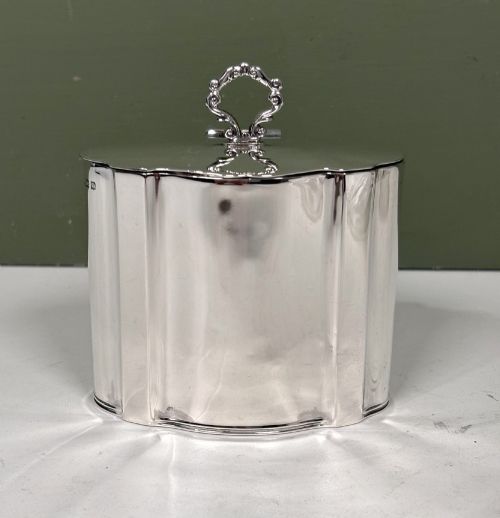
Edwardian pieces often embrace lighter, cleaner lines influenced by neoclassical revivals or early Art Deco tastes, reflecting changing design preferences after nineteen hundred.
Are silver plated biscuit barrels durable for daily use?
Silver plated items from makers like Elkington or Mappin & Webb utilise robust base metals beneath the silver layer, offering high durability. They were built to withstand regular domestic handling during tea service and dining.
Care should be taken with older plating to avoid wearing through the thin silver layer during cleaning over many years of continued use.