
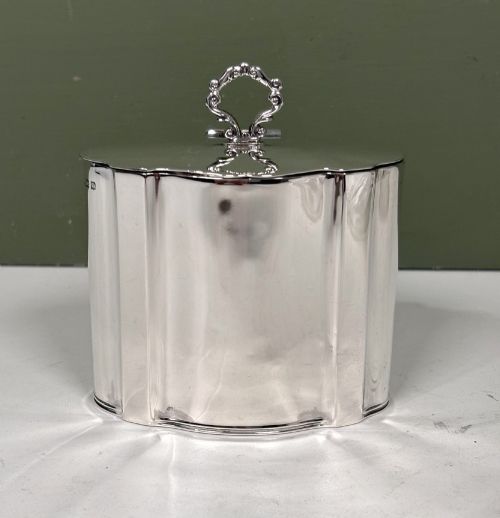
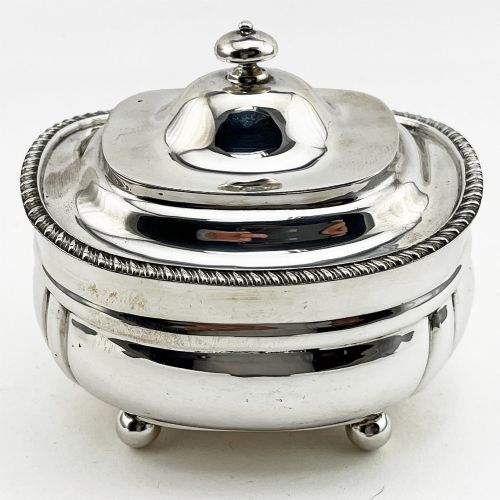
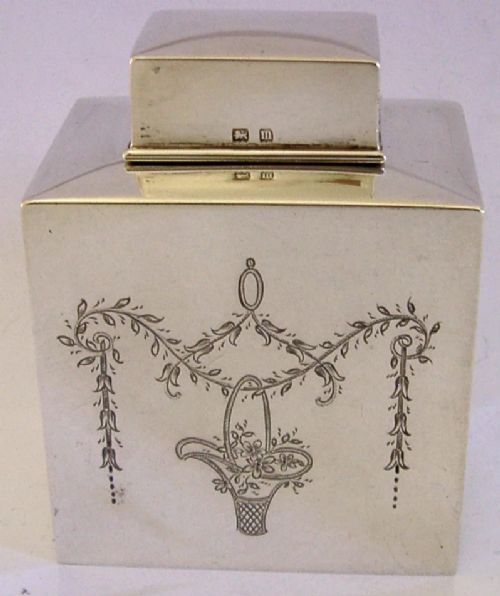
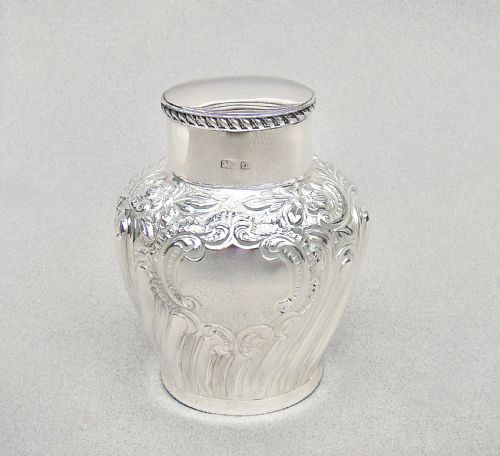



Vintage Silver Canister
A vintage silver canister brings solid weight and polished reflection to a room, holding dry leaf, tobacco or small treasures with quiet grace.
Vintage Silver Canister
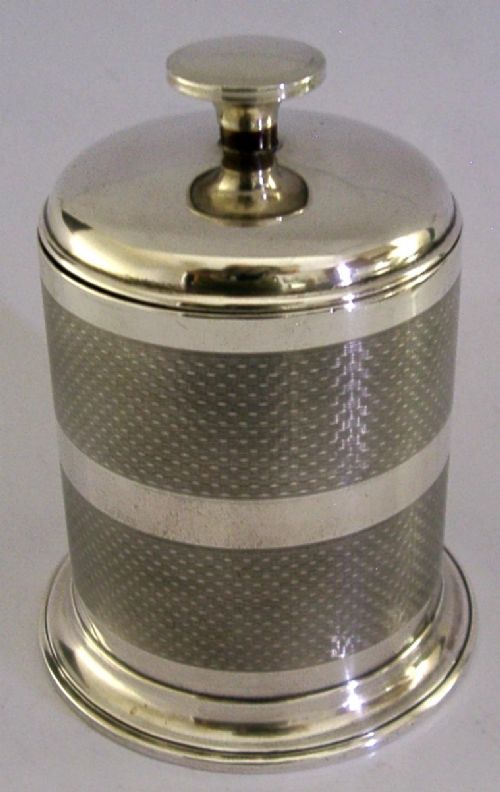
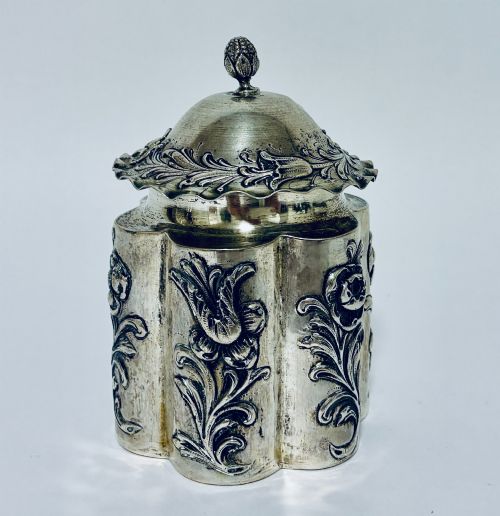
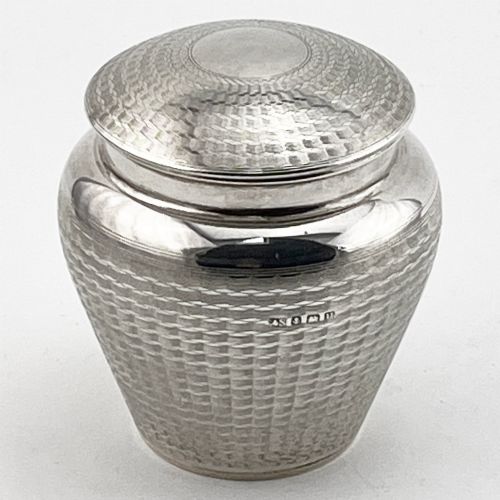
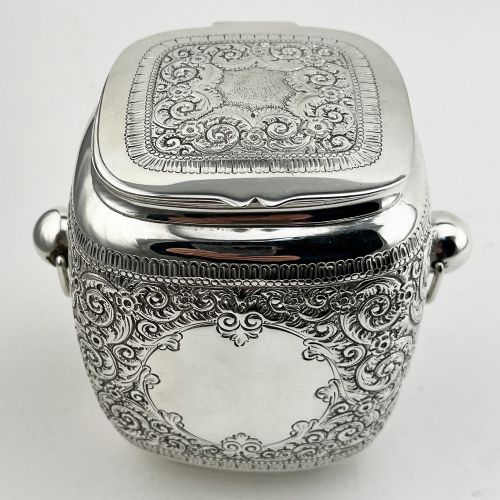
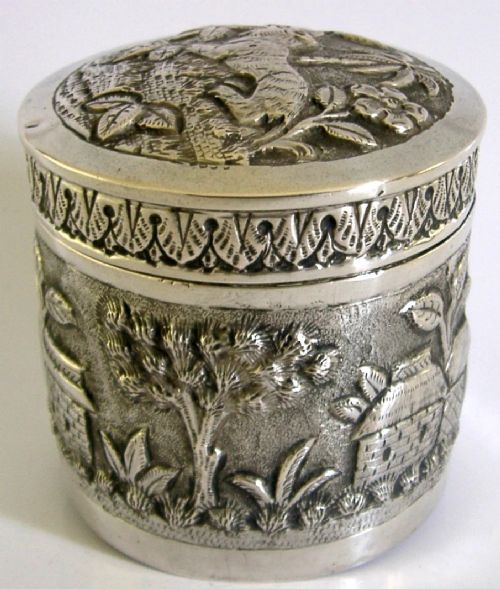
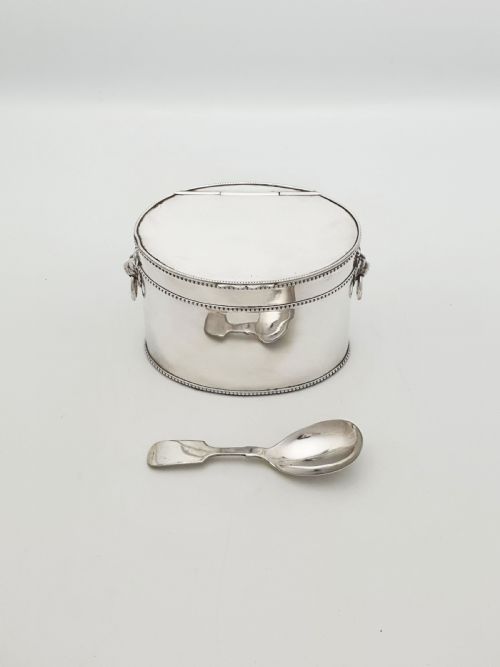
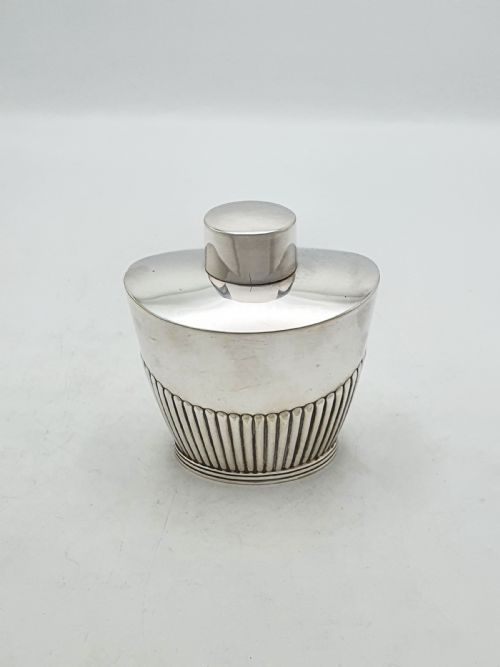
When you search for a vintage silver canister, you encounter a varied group of containers spanning tea caddies, decorative boxes, and smoking accessories. These pieces range from compact vessels intended for fine leaf tea to larger receptacles designed for cigars, cigarettes, or shaving paraphernalia.
The objects on this page draw heavily from the Edwardian period, the 1910s, and the 1920s, alongside examples from the late 19th century and the 1930s. You will frequently find tea caddies and decorative boxes shaped by traditional forms or reinterpreted through Art Deco and Georgian Revival aesthetics.
Makers and workshops from Britain, continental Europe, India, and China contributed to this field, utilising sterling silver, silver plate, and nickel silver. Many of these items served practical domestic roles in formal rooms, while others incorporated cut crystal, wood, ebony, and enamel into their construction.
Materials and construction
Makers utilised sterling silver and silver plate as primary metals, often mounting them over a wooden core or pairing them with cut crystal bodies. Solid silver examples were typically formed through hammering, spinning, or pressing, then finished with hand-chased details.
Accents of ebony, wood, and enamel appear across various items to contrast with the polished metallic surfaces. Workshops applied silver plating over base metals or utilised Old Sheffield Plate techniques to achieve durable finishes on larger canisters and boxes.
Evaluating quality and execution
Quality rests upon the weight of the metal, the crispness of chased or engraved ornament, and the integrity of the hinges and lids. Substantial gauge silver or thick crystal bodies offer a reassuring solidity when handled.
The distinction between standard commercial production and finer work lies in the detail of decorative elements such as lion mask handles or enamel work. Well-executed pieces show precise maker's marks and clean alignment when closed.
Martin Hall & Co·Thomas Hayes·Mappin & Webb·Ernest Druiff & Co·William Hutton
The Vintage Silver Canister Glossary
- Sterling silver
- An alloy containing 92.5 percent silver by mass, with the remainder usually copper. This standard denoted high-grade British plate during the periods covered here.
- Tea caddy
- A small box or canister originally designed to store loose tea leaves securely. They often featured inner lids to preserve the aroma of the contents.
- Old Sheffield plate
- A method of fusing a thin sheet of silver to a thicker copper base by heat and pressure. This technique predated modern electroplating.
- Silver plate
- A base metal coated with a thin layer of silver through electroplating or older mechanical methods. It offered a bright metallic appearance at a lower cost than solid silver.
- Art Deco
- A design style characterised by sleek geometric shapes, stylised motifs, and modern lines popular during the 1920s and 1930s.
Vintage Silver Canister: Frequently Asked Questions
What were silver canisters used for originally?
These vessels primarily stored valuable loose tea leaves, keeping them dry and fragrant away from household dampness. Smaller boxes also held tobacco, cigars, or cigarettes in reception rooms.
Over time, many adapted to function as general trinket boxes or desk accessories on sideboards and dressing tables.
How do I care for a silver canister?
Maintain the surface by dusting gently with a soft cloth and applying specialist silver polish only when necessary. Avoid abrasive pads that can wear away thin plating on silver-plated items.
Keep wooden components away from excessive moisture and direct sunlight to protect the finish.
How can I tell the period of a silver piece?
Examine the hallmarks stamped into the metal, which typically indicate the assay office, year letter, and maker's mark. British items often carry date letters that pinpoint the exact year of production.
Stylistic cues like Art Deco geometry or Edwardian flourishes also help narrow down the decade.
Are crystal and silver canisters heavy?
Cut crystal bodies combined with sterling silver mounts create considerable weight in the hand. The thickness of the glass and the gauge of the silver lid determine the overall heft.
Smaller all-metal canisters remain light and easily portable for tabletop use.