


Antique Silver Scissors
Antique silver scissors encompass specialised implements for dining, needlework and lighting, forged across the Georgian, Victorian and Edwardian eras.
Antique Silver Scissors
Antique silver scissors serve varied domestic functions, spanning specialised grape shears for the dining table, delicate needlework implements for sewing, and candle snuffers for household lighting.
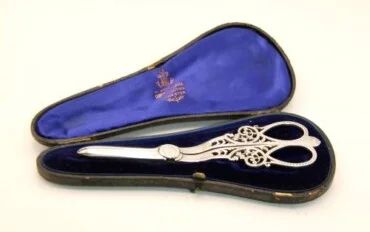
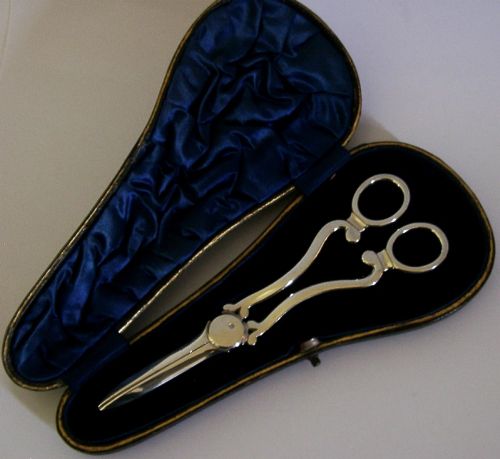
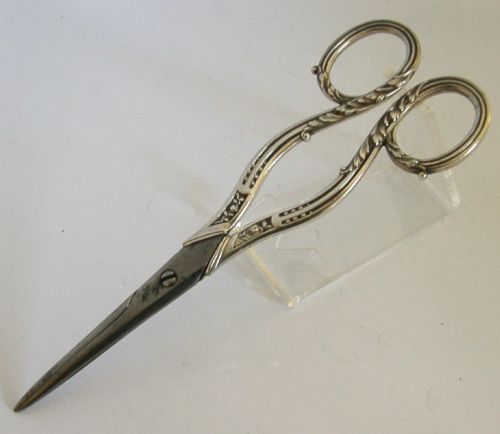
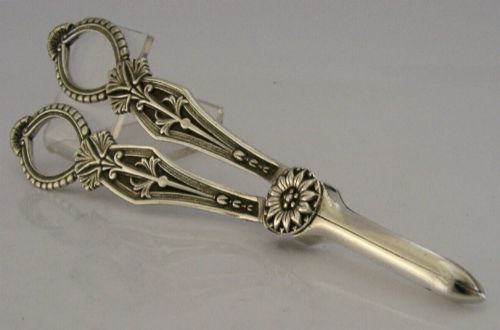
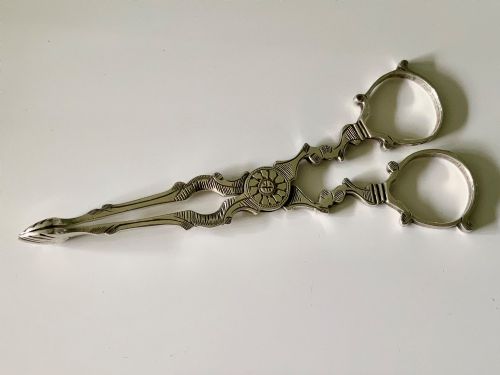
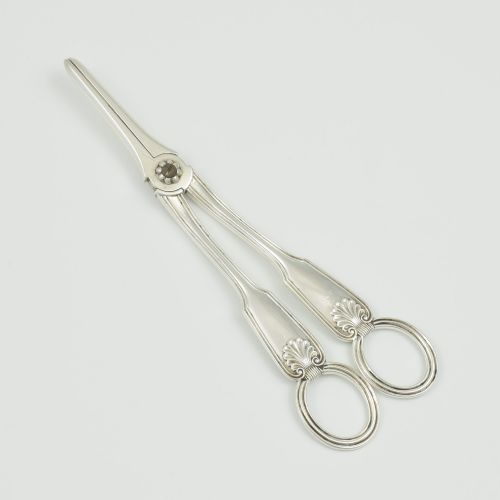
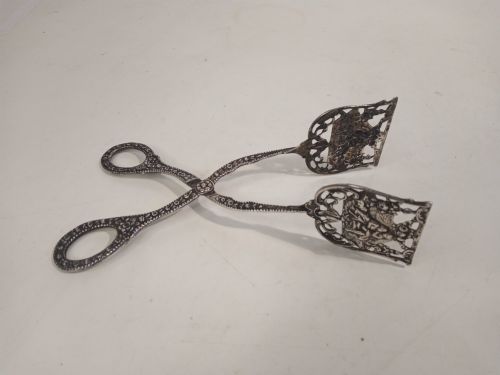
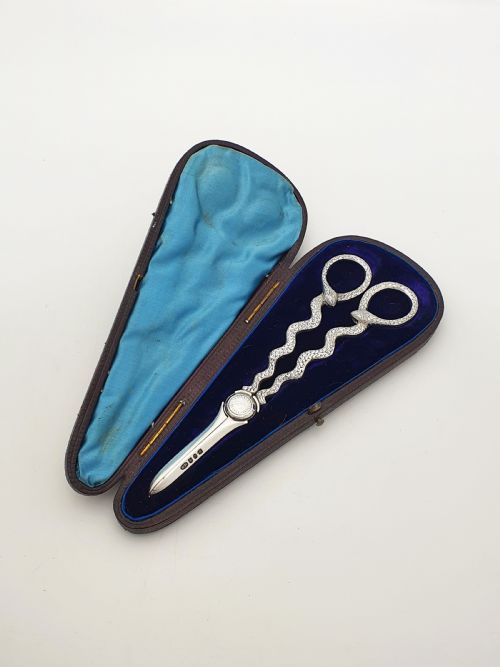
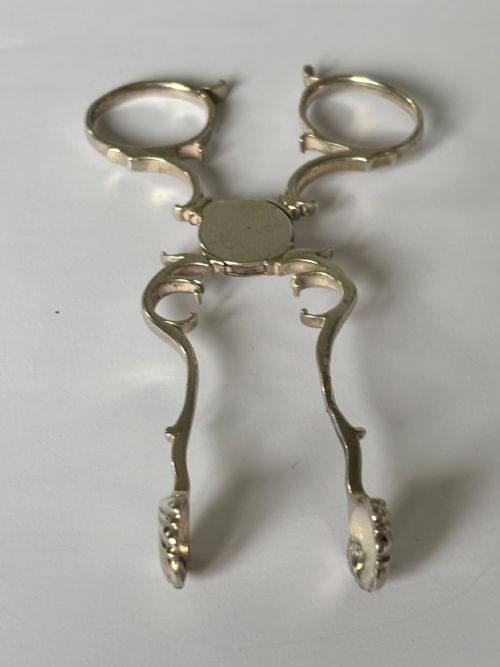
Grape scissors form the largest category on this page, often featuring cast vine or figural handles designed for severing fruit clusters during dessert courses.
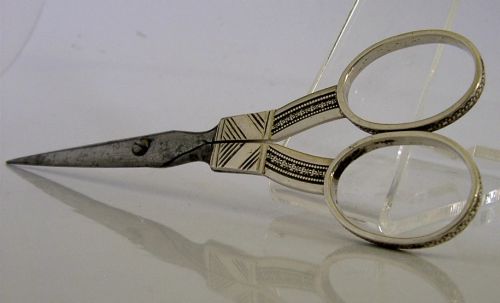
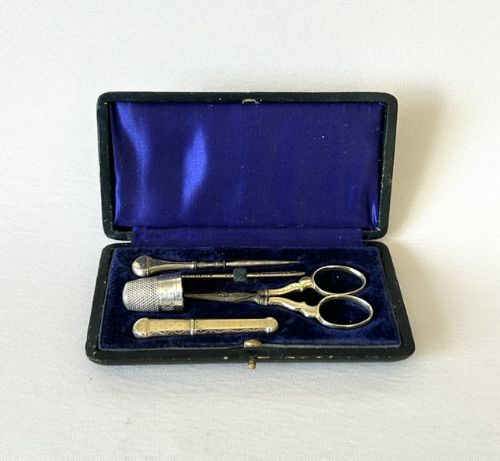
Smaller sewing and chatelaine scissors appear alongside vanity sets and grooming cases, reflecting the intricate portable accessories of the nineteenth and early twentieth centuries.
How They Were Made
Silversmiths utilised sterling silver and silver gilt for high-status dining and sewing tools, frequently combining cast decorative handles with tempered steel blades necessary for a sharp cutting edge.
Makers employed casting, chasing and engraving techniques to ornament the finger loops and shanks with naturalistic foliage, acanthus leaves and grape vine motifs.
Some domestic sets incorporated supplementary materials such as velvet, silk, leather and tortoiseshell within fitted storage cases and compendium boxes.
Victorian silversmiths occasionally fashioned grape scissors with writhing serpent handles, ensuring your fruit bowl came with a slight hiss.
What Varies in Quality
Quality rests upon the crispness of the cast ornamentation and the structural integrity of the pivot joint, distinguishing mass-produced wares from master silversmith work.
Heavier gauge silver and fully articulated figural handles demonstrate superior craftsmanship compared to lighter stamped or plated alternatives.
Goldsmiths And Silversmiths Co·Thomas Tookey·Charles Reily And George Storer·Paul Storr·Chawner And Co·Francis Higgins·John Gilbert·Hukin And Heath·C J Vander·Martin Hall And Co
The Antique Silver Scissors Glossary
- Sterling silver
- A standard alloy composed of pure silver and other metals to ensure durability in functional objects. This alloy forms the primary material for the finer cutting implements recorded in the archive.
- Silver gilt
- Silver covered with a thin layer of gold on its surface. This treatment provides a rich decorative finish seen on sewing compendiums and dessert shears.
- Chatelaine
- A decorative belt hook worn with suspended chains carrying household and sewing implements. Scissors frequently hung from these functional chatelaine assemblies.
- Cast silver
- Molten silver poured into a mould to create three-dimensional forms. This technique allowed makers to produce high-relief grape vine and figural handle designs.
- Hallmark
- An official stamp indicating metal purity, place of assay and date of manufacture. These marks provide the primary evidence for dating British silver pieces.
Antique Silver Scissors: Frequently Asked Questions
What were antique grape scissors used for?
Grape scissors were specifically manufactured to sever individual stems of fruit from large bunches during formal dining dessert courses. Their long shanks and curved blades allowed guests to reach into clusters without bruising the fruit.
Many examples feature naturalistic vine decoration and heavy cast silver construction, reflecting their status as specialised dining table silver.
How do I date antique silver scissors?
Dating relies primarily upon official hallmarks stamped onto the metal, which indicate the assay office, standard of silver and year of production. Stylistic evidence such as Victorian cast acanthus scrollwork or Edwardian proportions also helps narrow down the period.
Maker marks further assist in establishing an exact timeline when cross-referenced against historical silversmith records.
Are sewing scissors and grape scissors made differently?
Sewing and needlework scissors are typically smaller, lighter and designed for precision thread cutting, often housed within fitted chatelaine sets or leather vanity cases. Grape scissors are much heavier and incorporate robust shanks suited for dining table use.
Both types frequently pair solid silver handles with hardened steel cutting edges to ensure functional longevity.
How should I care for silver scissors?
Silver scissors require gentle cleaning with appropriate silver polish to maintain their lustre without abrading delicate engravings or hallmarks. Storing them in lined cases protects the steel blades from moisture and prevents unnecessary wear.
Regular handling helps preserve the natural patina built up over centuries of domestic use.