



Victorian Sterling Silver Shears
Victorian sterling silver shears are specialised dining implements designed for the table, offering a refined way to serve fruit.
Victorian Sterling Silver Shears
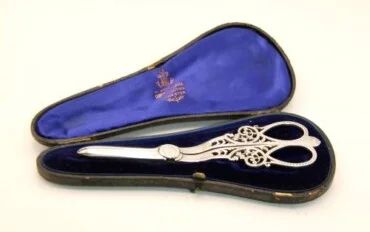
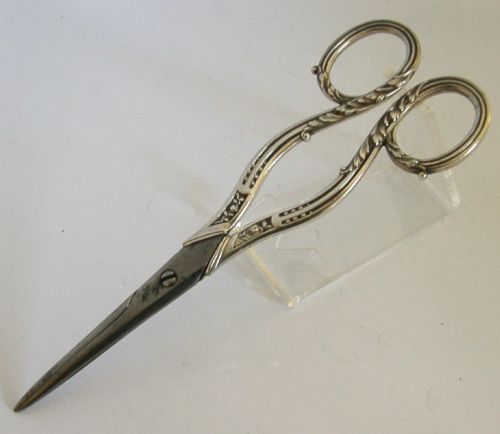
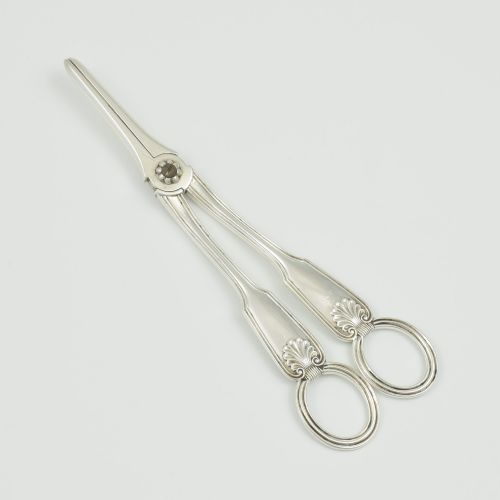
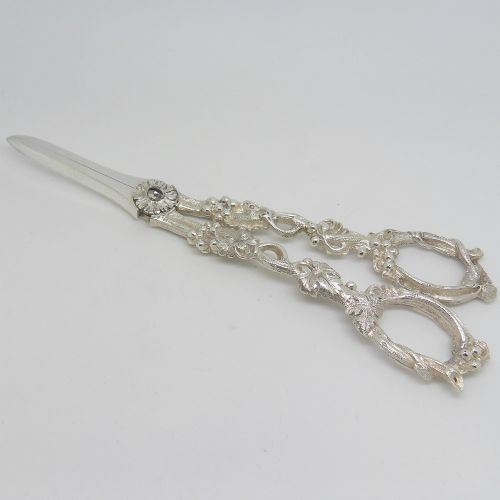
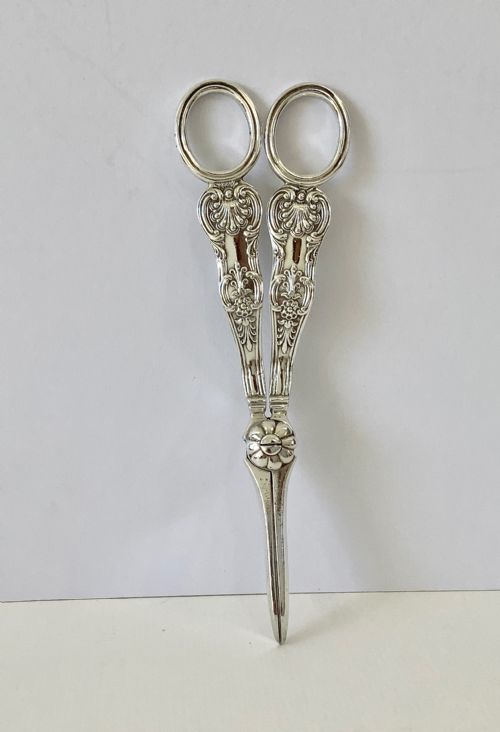
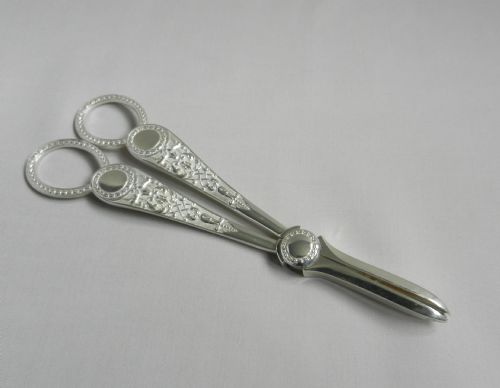
When you search for Victorian sterling silver shears, you are looking at nineteenth-century dining implements specifically designed for severing grape clusters at the table. These specialist tools appear primarily as grape scissors or grape shears, often featuring distinctive cast or chased vine motifs upon the handles.
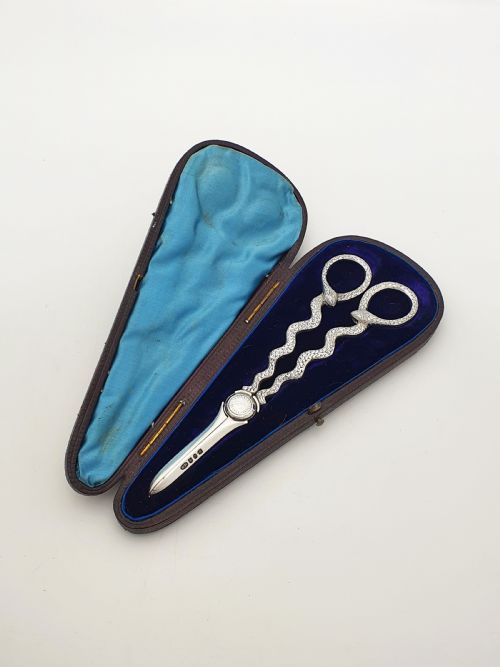
The examples most commonly found on this page span the Victorian era, alongside occasional pieces from the William IV period. Makers often supplied these implements nestled inside fitted cases lined with velvet, silk, and leatherette for formal dining presentation.
Assessing quality
Quality in these dining implements rests upon the crispness of the cast or chased ornamentation and the reputation of the silversmith who produced them. Pieces bearing the marks of prominent workshops or incorporating complex figural designs like snake handles demonstrate superior craftsmanship.
The presence of a matching fitted case lined in silk or velvet elevates the standing of an item. Furthermore, the harmonious balance between the sterling silver handle and the functional steel cutting edge defines the better examples.
Certain Victorian silversmiths shaped handles to resemble twisting serpents, ensuring diners wrestled a metallic snake just to reach the fruit.
Goldsmiths & Silversmiths Co.·Paul Storr·Chawner & Co·Reilly & Storer·Elizabeth Eaton·Charles Boyton
The Victorian Sterling Silver Shears Glossary
- Sterling silver
- A silver alloy containing 92.5 percent pure silver by mass, with the remainder usually copper. This standard composition provides the necessary durability for functional dining implements while maintaining a bright metallic lustre.
- Silver gilt
- Sterling silver that has been coated with a thin layer of gold through a chemical or electrochemical process. This treatment imparts a rich golden tone across the decorative portions of the implement.
- Chasing
- A metalsmithing technique where the artisan pushes metal from the front using hammer and punches to sink the design. This method creates raised surface relief without removing material.
- Cast silver
- Molten metal poured into a prepared mould to form complex three-dimensional shapes such as vine leaves or animal handles. It allows for heavier, deeply textured grips compared to stamped sheet metal.
- Hallmark
- An official stamp applied by an assay office to indicate the metal standard, the maker's mark, and the year of manufacture. It serves as a reliable guarantee of authenticity for nineteenth-century silver.
Victorian Sterling Silver Shears: Frequently Asked Questions
What were Victorian sterling silver shears used for?
These implements were utilised during formal nineteenth-century dining to sever individual portions of grapes from a larger bunch at the table.
Using dedicated shears prevented guests from handling the fruit directly and added a layer of etiquette and refinement to dessert service.
How do I care for silver grape shears?
Maintenance involves gentle cleaning with a specialised silver cloth to remove tarnish without harming any underlying gilt surfaces or steel cutting edges.
Store the implements in a dry environment, preferably within their original fitted velvet or silk-lined case, to protect the delicate metalwork from atmospheric moisture.
Did all grape shears come in a case?
Many fine examples were retailed inside dedicated fitted cases covered in leatherette and lined with soft silk or velvet materials.
Cased sets were typically reserved for presentation or gifting, whereas utility pieces were often sold unboxed for direct use in the dining room.
How can I date my silver grape shears?
Dating relies heavily upon the assay office hallmarks stamped directly onto the silver, which record the specific year letter and maker's mark.
Stylistic indicators, such as the presence of naturalistic vine decoration or snake handles typical of the Victorian period, provide further chronological context.