


Antique Silver Salt Bowls
These antique silver salt bowls range from Georgian pedestal designs to Victorian cauldron forms, bringing centuries of dining history to the table.
Antique Silver Salt Bowls
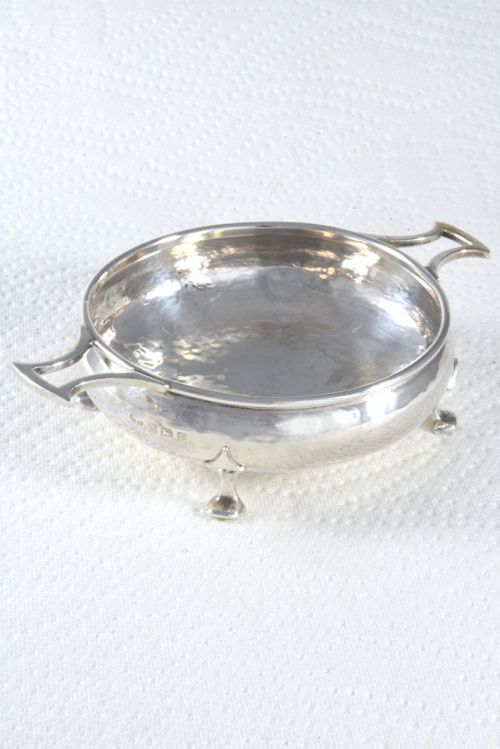
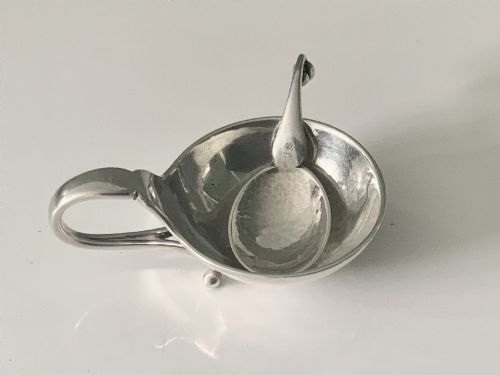
When buyers search for antique silver salt bowls, they encounter a variety of forms designed to hold table salt, including open cellars, pedestal dishes, and matched pairs or sets. The selection spans the Georgian, Victorian, and Edwardian periods, featuring traditional British hallmarked silver alongside plated examples and pieces with fitted spoons.
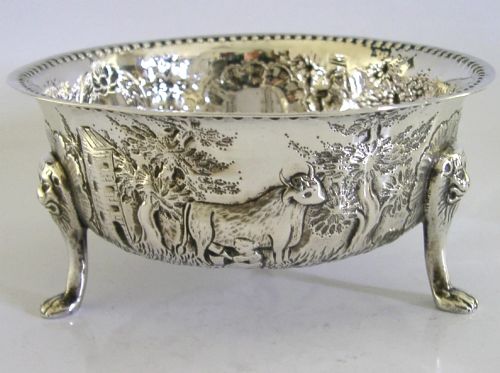
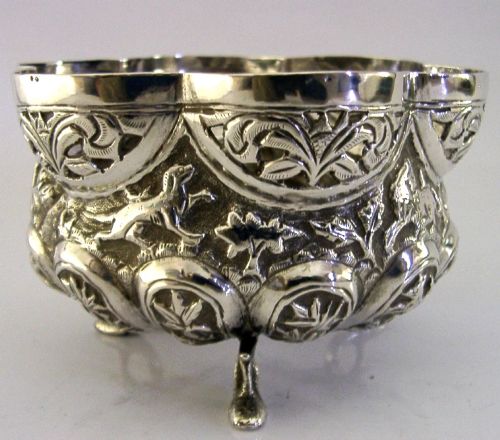
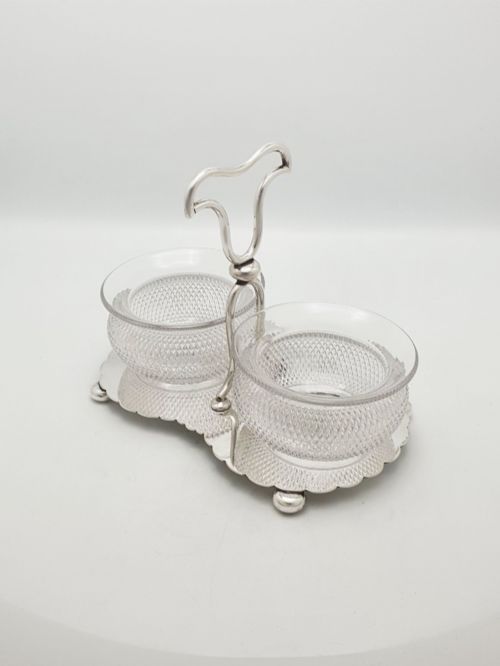
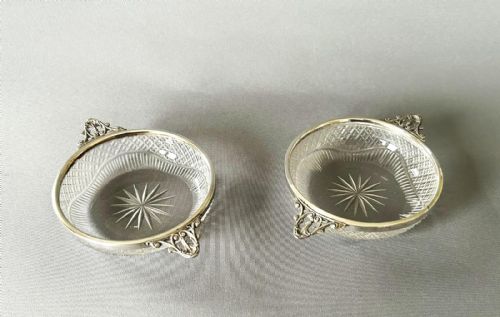
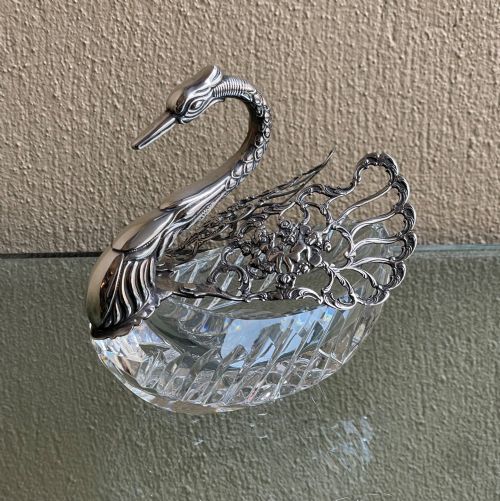
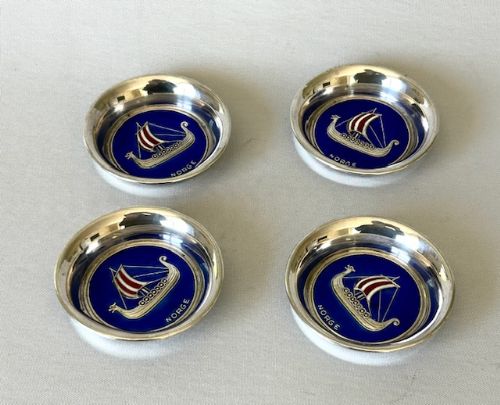
The most common formats on this page are open salt cellars and small dishes resting on three feet, alongside twin or paired condiment stands. Many retain their original cobalt glass or cut glass liners, while others utilise animal motifs such as swans, eagles, and Viking longships to hold the seasoning.
Distinctions in quality and execution
Quality rests upon the weight of the metal and the crispness of the chased or cast decoration, such as the feather detail on bird forms or the definition of cauldron feet. Matching sets that retain their original spoons and glass liners command greater interest than assembled groups.
The reputation of the silversmith and the clarity of the London, Sheffield, or Birmingham hallmarks provide a measure of distinction. Thicker gauge silver and fully intact gilt interiors separate standard production items from finer dining accessories.
Dining tables of the past gained character from salts shaped like Viking longships, swans, and eagles.
Georg Jensen·Thomas Smily·Edward Wood·Vale Brothers and Sermon·John Samuel Hunt
The Antique Silver Salt Bowls Glossary
- Hallmark
- Official stamps pressed into precious metals indicating the standard of purity, the assay office, and the year of production. These marks allow collectors to date pieces accurately.
- Cauldron salt
- A small, round salt cellar raised on three feet, mimicking the shape of an open cooking pot. This form is particularly prevalent in Georgian and Victorian silver.
- Vermeil
- Sterling silver coated with a thin layer of gold on the interior. This application prevents the salt from tarnishing or corroding the silver surface.
- Condiment stand
- A frame holding multiple glass bowls and salt cellars together for table service. These stands often feature a central carrying handle.
- Pedestal dish
- A small bowl raised on a distinct foot or column. This style elevates the salt above the table surface.
Antique Silver Salt Bowls: Frequently Asked Questions
How do I clean antique silver salt bowls?
Use a soft cloth and a gentle, non-abrasive silver polish to maintain the shine without removing the chased details or hallmarks. Avoid dipping pieces with glass liners or horn mounts into liquid solutions.
Wash the interior thoroughly after use, particularly if gold gilt is absent, as salt can pit the silver over time. Store the bowls in a dry environment away from direct light.
Were these salt bowls used with spoons?
Many sets were originally retailed with matching spoons designed to transfer the salt from the open cellar to the diner's plate. Surviving matched spoons enhance the completeness of the set.
When spoons are absent, collectors frequently source period-appropriate replacements that match the size and style of the bowl.
What is the purpose of the glass liners?
Cobalt glass and cut glass inserts protected the silver from the corrosive properties of salt. They also made the bowls easier to empty and clean between meals.
Some designs allowed the coloured glass to show through pierced or openwork silver frames for decorative effect.