



Antique Silver Plate Jar
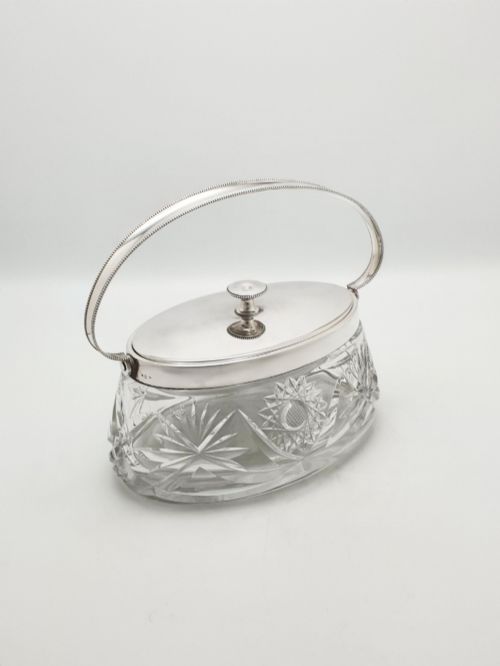
An antique silver plate jar brings Victorian and Edwardian dining tradition to the table, combining heavy metal mounts with glass or ceramic bodies.
Antique Silver Plate Jar
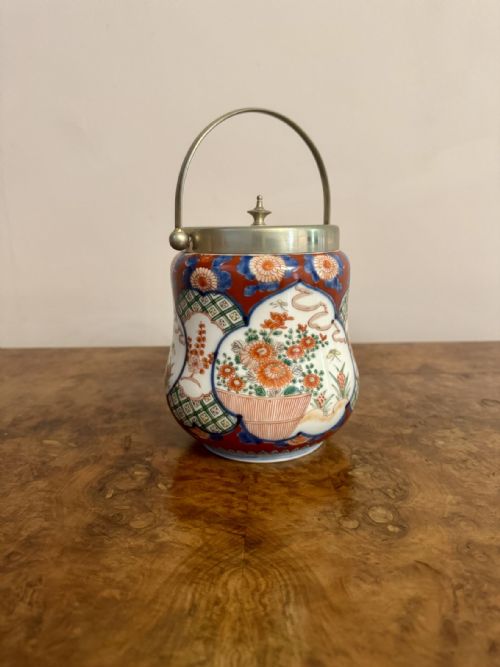
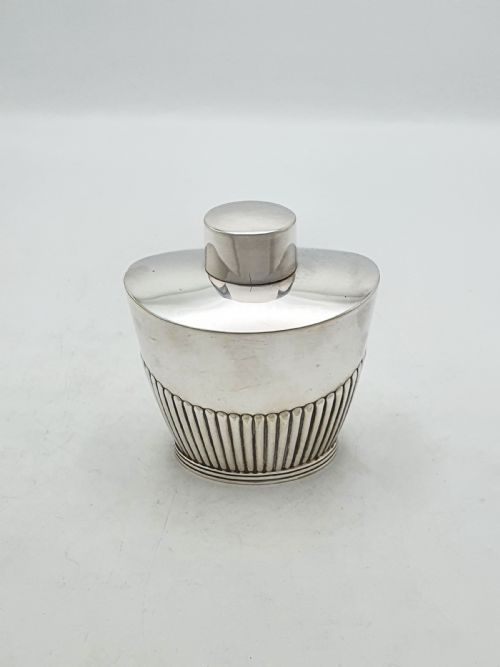
When searching for an antique silver plate jar, buyers encounter vessels designed primarily for biscuits, preserves, honey, and tea storage during the nineteenth and early twentieth centuries. These pieces reflect formal domestic routines where dining tables required dedicated receptacles for dry goods and sweet preserves, often accompanied by matching stands, tongs, or locking mechanisms.
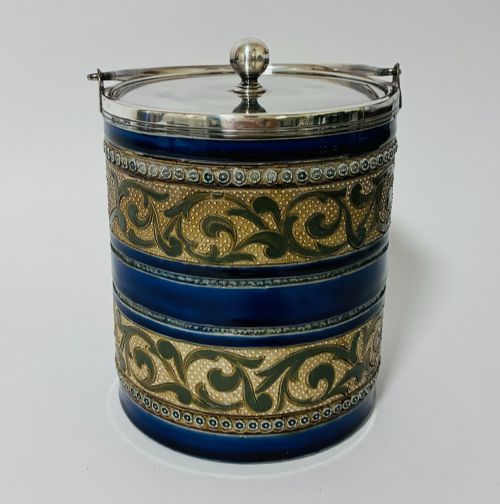
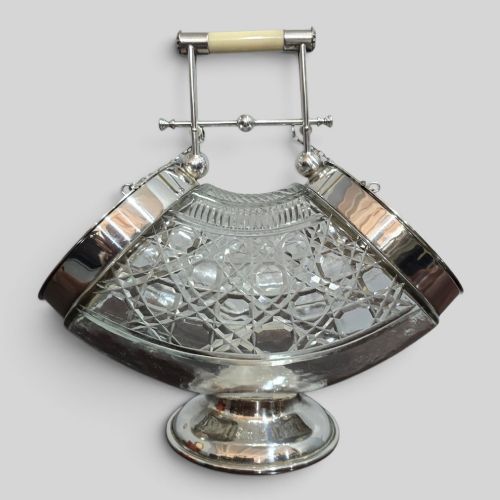
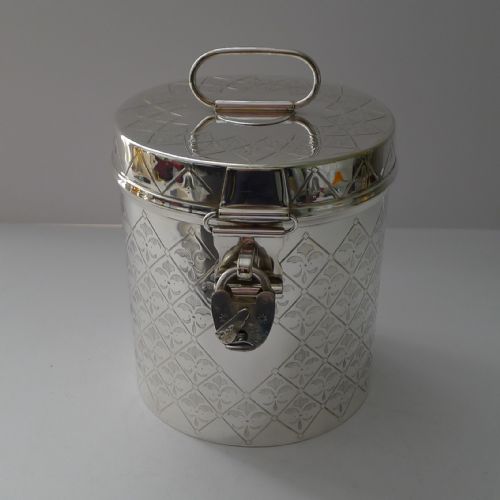
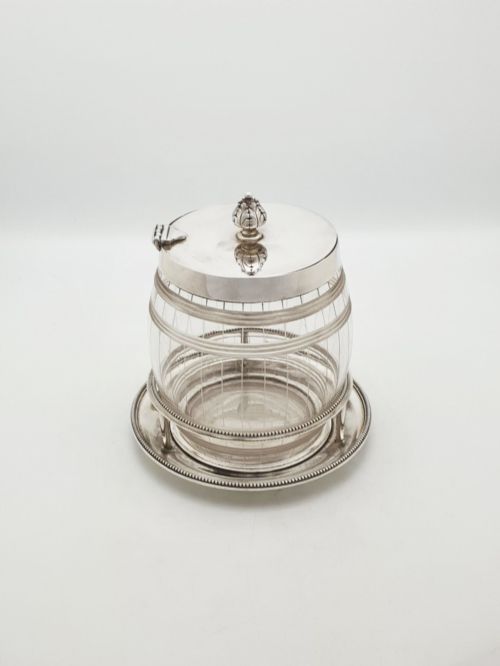
The selection ranges widely across forms, including cylindrical cut glass containers, ceramic bodies by prominent potteries, and novelty designs shaped like drums or weights. Victorian examples frequently display heavy ornamentation and heraldic finials, while Edwardian versions lean towards simpler floral motifs and colourful glass inserts.
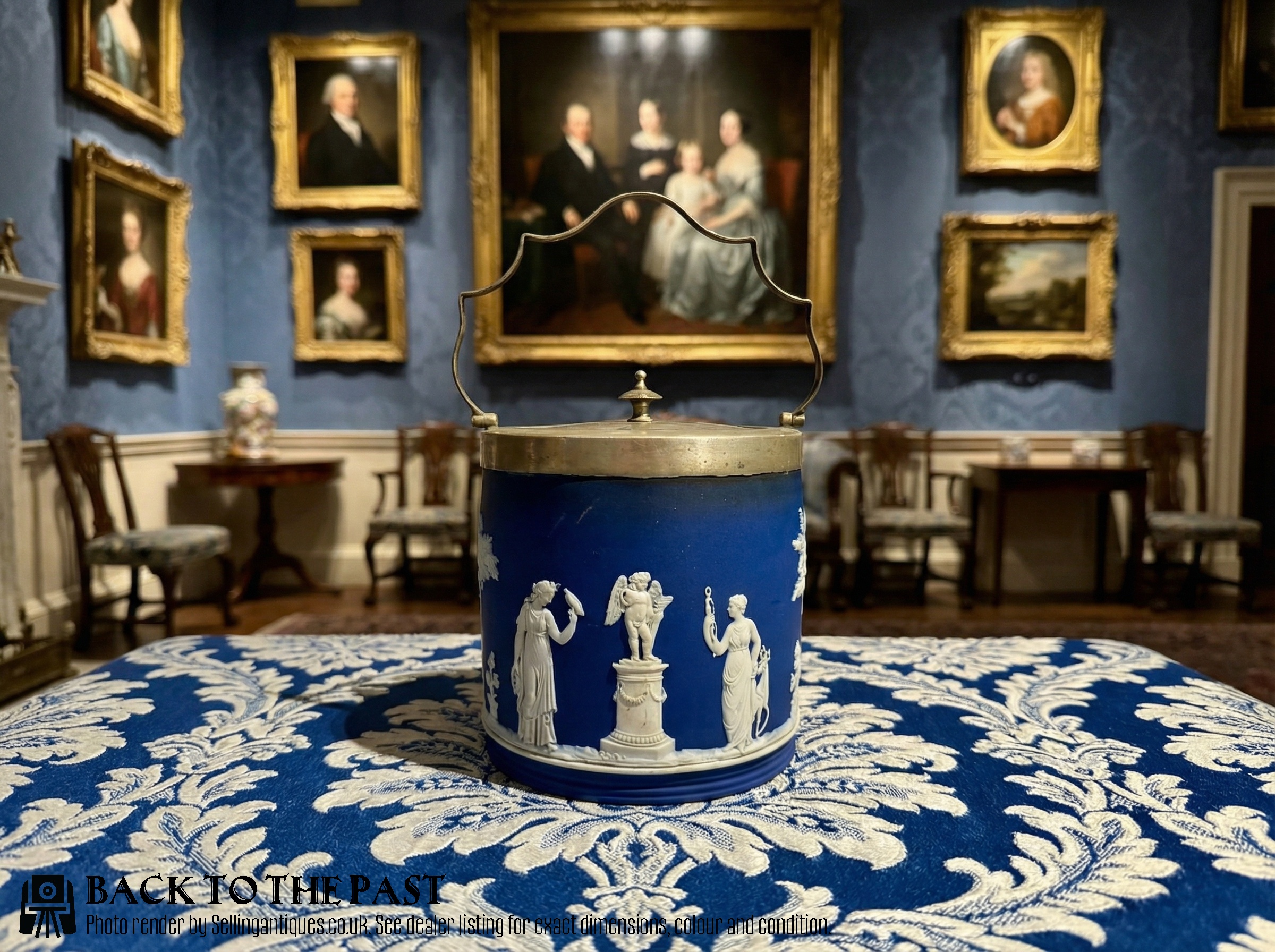
Materials span silver plate and Old Sheffield Plate combined with cut glass, cranberry glass, oak, stoneware, earthenware, and jasperware. Makers integrated these diverse elements to create functional containers that doubled as decorative centrepieces for the sideboard or tea table.
How they were made
The metal components rely on a base of nickel silver, copper, or Britannia metal coated in a thin layer of silver through plating techniques or fused via Old Sheffield Plate methods. Makers then applied hand-chased engraving, pierced decoration, and cast mounts to secure lids, handles, and swing hinges.
Glass bodies were produced through heavy mould-blowing and deep hobnail cutting, creating faceted surfaces that caught the light around the table. Ceramic bodies, including stoneware and jasperware, utilised moulded reliefs and transfer printing to achieve patterned surfaces before mounting in silver-plated frames.
Materials appearing across current and archived items include cut glass, cranberry glass, oak, stoneware, and jasperware.
What varies in quality
Quality rests in the weight and crispness of the silver-plated mounts, where thicker plating and deeply cast finials separate standard production from superior maker output. Well-executed hinge mechanisms and tightly fitted locking lids demonstrate precision engineering that maintains structural integrity over decades of use.
The integration of the inner vessel dictates overall refinement, with hand-cut crystal liners and marked ceramic bodies commanding greater interest than plain replacement glass. Matching stands, original tongs, and undamaged ceramic surfaces further elevate the standing of an individual piece.
Mappin and Webb·Elkington·WMF·Thomas Bradbury·Robert and Belk·Carlton Ware·Walker and Hall·Wedgwood·William Hutton·Martin and Hall·John Grinsell
The Antique Silver Plate Jar Glossary
- Silver Plate
- A base metal, often nickel silver or copper, coated with a thin layer of pure silver through electrochemical or mechanical processes. This technique provided the opulent appearance of solid silver at a lower production cost.
- Jasperware
- A type of fine stoneware developed by Josiah Wedgwood featuring a matte, unglazed surface typically ornamented with white low-relief figures. It appeared frequently on nineteenth-century biscuit barrels.
- Old Sheffield Plate
- An early method of fusing a thin sheet of silver to a thicker copper core by heating and rolling the metals together before fabrication. This process creates a distinctive edge where the underlying copper shows through wear.
- Cranberry Glass
- A rich red glass coloured by the addition of gold chloride to the molten batch during manufacturing. Victorian makers utilised this vibrant material extensively for decorative preserve jars and biscuit barrels.
- Hobnail Cut
- A decorative glass-cutting pattern featuring rows of sharp, protruding pyramidal facets that resemble the hobnails used on heavy boots. It creates intense light refraction across the body of the jar.
Antique Silver Plate Jar: Frequently Asked Questions
What was a biscuit barrel used for?
A biscuit barrel served as a lidded container kept on the dining or drawing-room table to store dry biscuits and crackers during formal tea service and evening gatherings.
The tight-fitting lid helped keep the contents crisp by protecting them from moisture in the air between meals.
How do I clean silver plate?
Clean silver plate gently using a soft cloth and a specialised silver cream designed to lift tarnish without abrading the thin metallic surface.
Avoid harsh scrubbing or chemical dips, particularly near glass liners, ceramic bodies, or wooden mounts that can be permanently damaged by moisture.
Are glass liners original?
Many surviving pieces retain their original hand-blown or cut glass liners, which were custom-fitted to sit securely within the pierced or solid silver-plated outer frame.
Replacement liners appear frequently due to accidental breakage over the decades, though proper fit and matching period glass characteristics help indicate originality.
How do I date these jars?
Dating relies on a combination of maker's marks stamped into the metal base, the fastening styles, and the prevailing aesthetic movements recorded in the design.
Victorian pieces often display heavier cast ornamentation and heraldic motifs, while Edwardian examples tend towards lighter frames and colourful glass inserts.