

Antique Silver Dessert Cutlery
Antique silver dessert cutlery brings the refined ritual of the nineteenth-century dining table directly to modern hands through specialised knives, forks, and spoons.
Antique Silver Dessert Cutlery
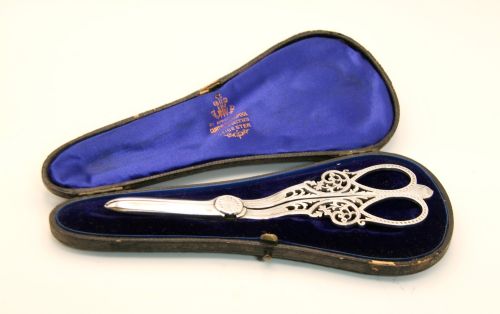
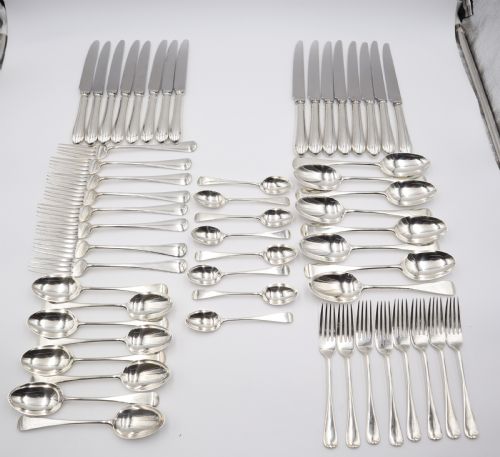
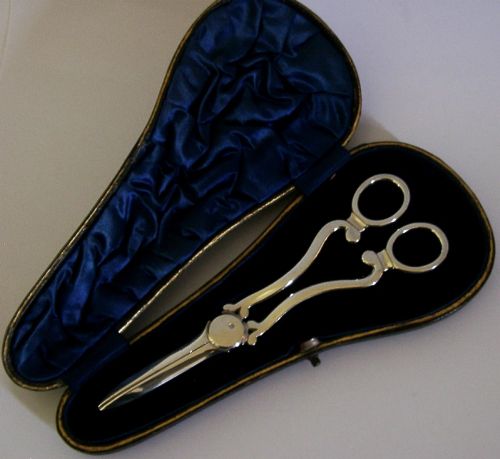
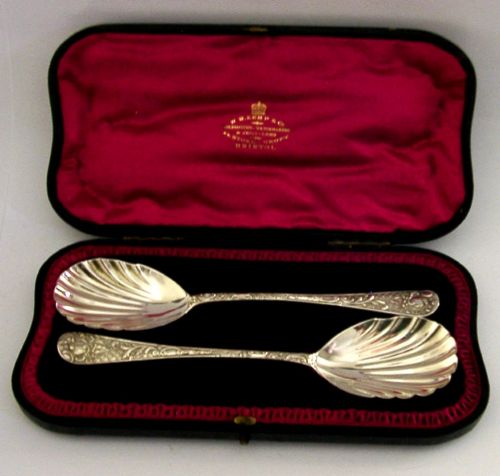
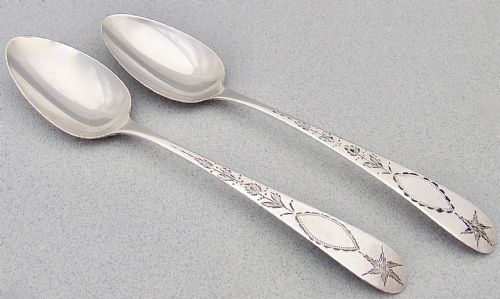
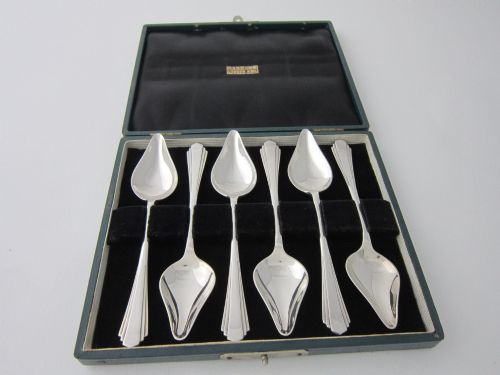
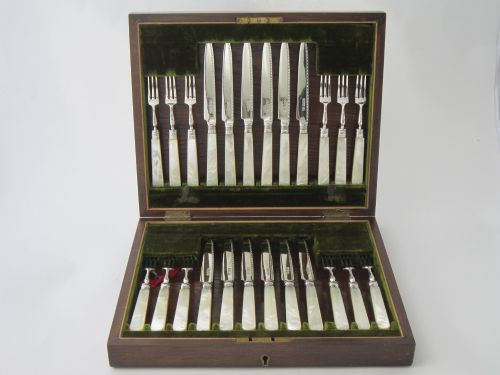
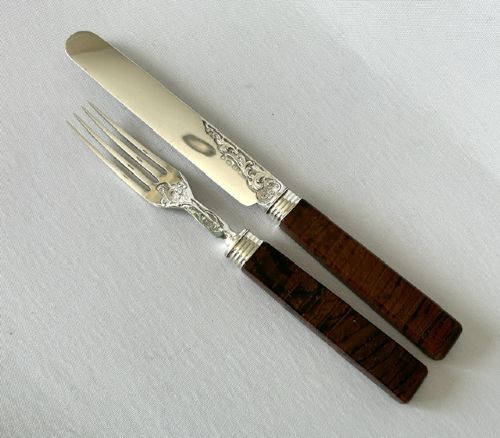
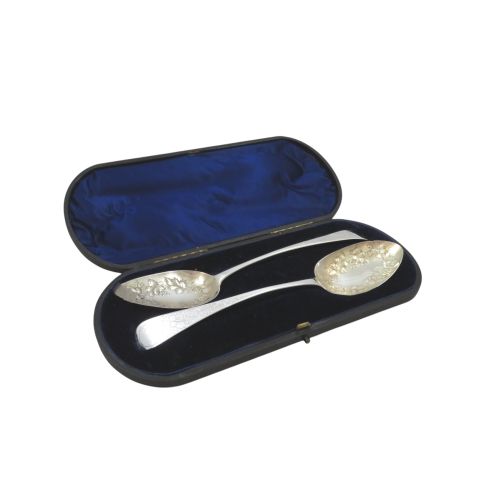
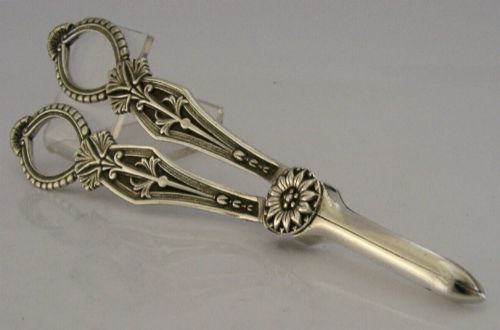
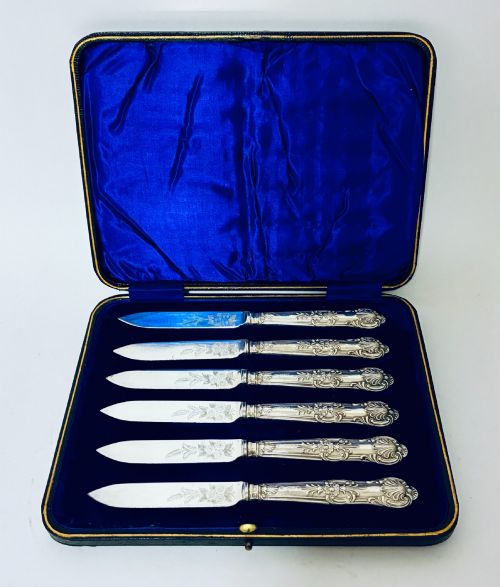
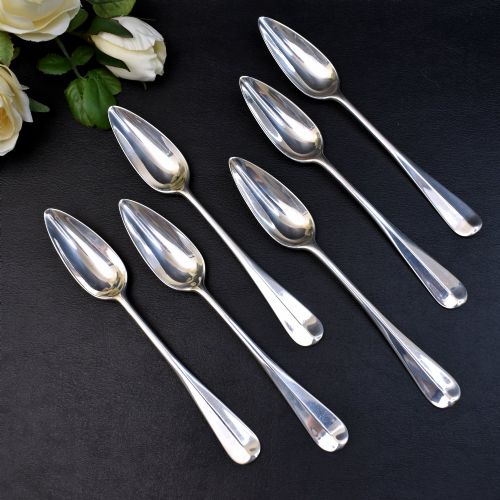
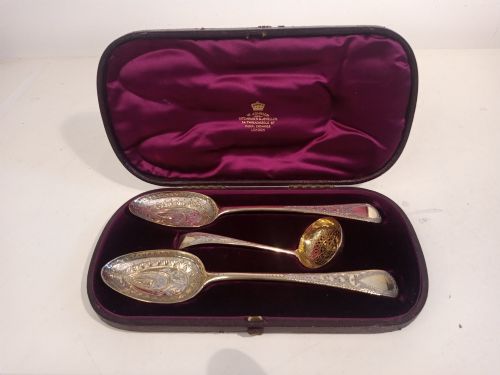
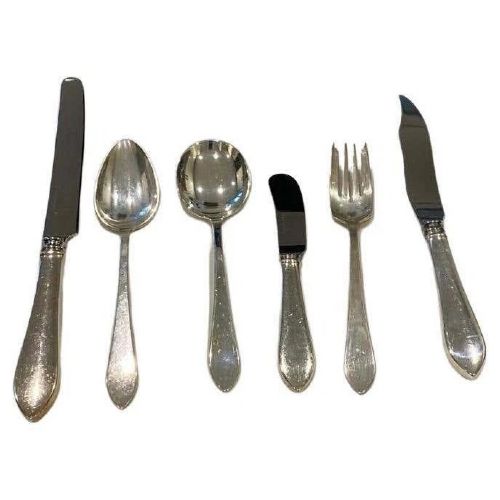
When searching for antique silver dessert cutlery, buyers encounter specialised implements designed specifically for the final course of a formal meal, ranging from fruit knives and forks to grape shears and berry spoons. The most frequent iteration on this page is the cased set combining sterling silver or silver plate with organic handles, spanning Georgian, Victorian, and Edwardian periods.
These items reflect changing social dining habits over two centuries, moving from loose Georgian serving pieces to matched Victorian and Edwardian canteens tailored for fruit, pastry, and soft sweets. The forms include three-pronged forks, engraved blades, and specialised spoons housed in velvet or silk-lined wooden boxes.
Materials and Construction
The construction of these pieces relies on the pairing of sterling silver or silver plate with tactile natural materials such as mother of pearl, agate, and porcelain. Blades and bowls were typically forged from silver or steel, occasionally with a gilt finish, then mounted to handles using traditional pins and adhesives.
Makers utilised casting, engraving, and piercing techniques to decorate the metal surfaces, creating patterns from simple Celtic points to elaborate Gothic Revival and Art Deco designs. Fitted cases lined with satin and velvet were constructed to house these delicate implements safely.
Listings on this page feature sterling silver, silver plate, mother of pearl, and velvet across Georgian, Victorian, and Edwardian periods.
Distinctions in Quality
Quality in these implements rests on the crispness of the cast or engraved ornamentation and the structural integrity where the handle meets the blade or bowl. Superior examples maintain unblemished mother of pearl or stone handles alongside deep, legible hallmarking that confirms the maker and assay office.
The presence of a matching, original fitted case lined with intact silk or velvet elevates a set, indicating careful preservation from its period of origin. Pieces featuring heavy gauge silver and specialised forms like cast grape scissors demand closer attention for their superior metal weight and artisan skill.
John Pittar·Hamilton and Inches·E Coker·William Chawner II·Georg Jensen·Carrington
The Antique Silver Dessert Cutlery Glossary
- Hallmark
- Official stamps applied to precious metals indicating the standard of purity, the assay office, and the year of manufacture. These marks provide the primary evidence for dating British silver.
- Sterling silver
- An alloy consisting of 92.5 percent silver by mass, with the remainder composed of copper or other metals. This standard has governed British silver production for centuries.
- Silver plate
- A base metal such as copper or nickel silver covered with a thin layer of pure silver. Manufacturers applied this technique to offer affordable alternatives to solid silver.
- Mother of pearl
- The iridescent inner layer of pearl oyster shells, frequently carved into smooth scale handles for nineteenth-century knives and forks. Its natural shimmer complements polished silver blades.
- Berry spoon
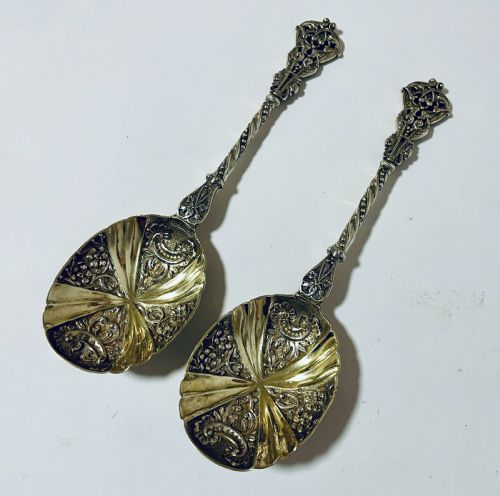
- A large serving spoon with deeply embossed and engraved fruit decoration, often added to older spoons during the Victorian period. These pieces were intended for serving soft fruits and preserves.
- Gilt
- A thin layer of gold applied to the surface of silver, creating a rich two-tone effect seen on many dessert spoons and fruit service blades.
Antique Silver Dessert Cutlery: Frequently Asked Questions
What is antique silver dessert cutlery used for?
These specialised implements were created for the final courses of formal meals, specifically for eating fruit, pastries, cheese, and soft desserts that required smaller or differently shaped tools than standard dinner service.
Today, collectors and hosts use them for similar dining purposes or display them within their original fitted presentation canteens.
How do I clean antique silver and mother of pearl?
Cleaning requires gentle washing in warm soapy water using a soft cloth, avoiding abrasive dips that can damage delicate organic handles like mother of pearl or agate.
Dry the pieces thoroughly immediately after washing to prevent moisture from weakening the adhesives securing the handles to the silver blades.
Are cased sets better than loose pieces?
Cased sets provide original velvet or satin-lined wooden boxes that protect the delicate handles and specialised forms from daily wear.
While loose pieces allow for mixing patterns, a complete cased set preserves the historical context and integrity of the original presentation.