

Antique Dining Cutlery
Antique dining cutlery spans centuries of dining rituals, offering functional sets, servers, and storage pieces in silver, plate, and mahogany.
Antique Dining Cutlery
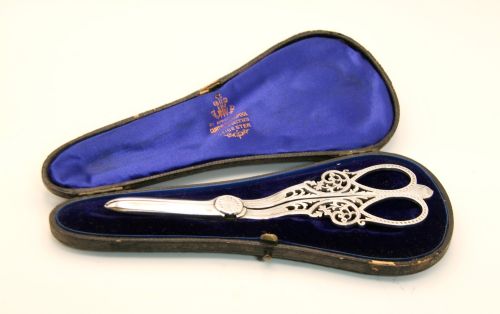
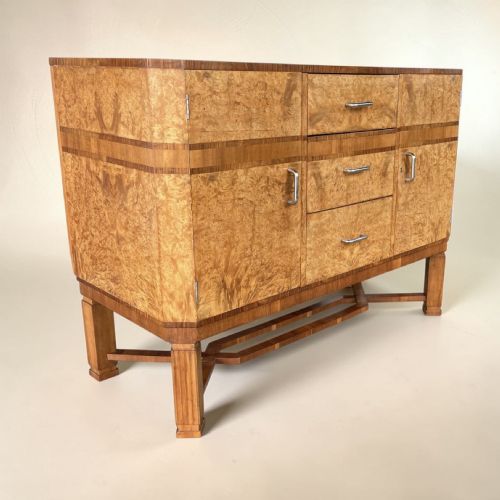
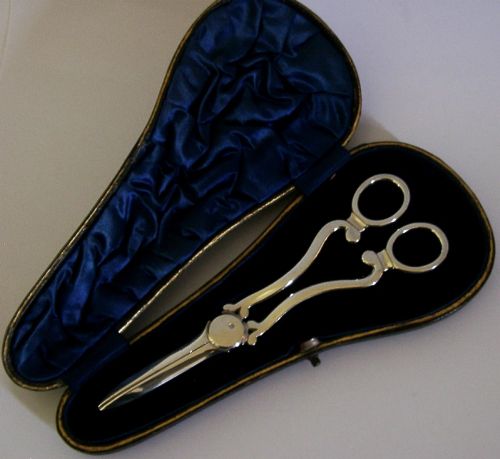
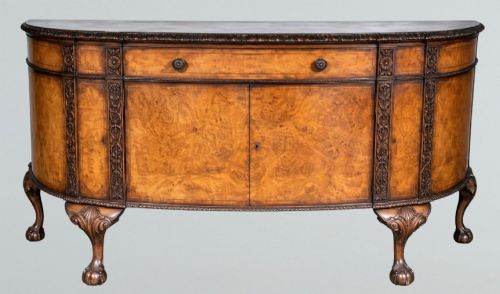
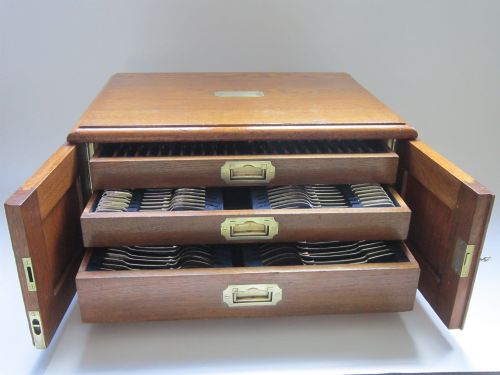
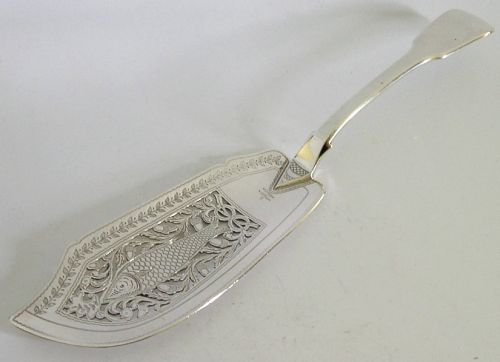
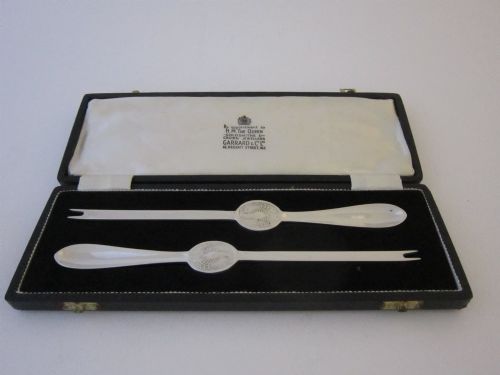
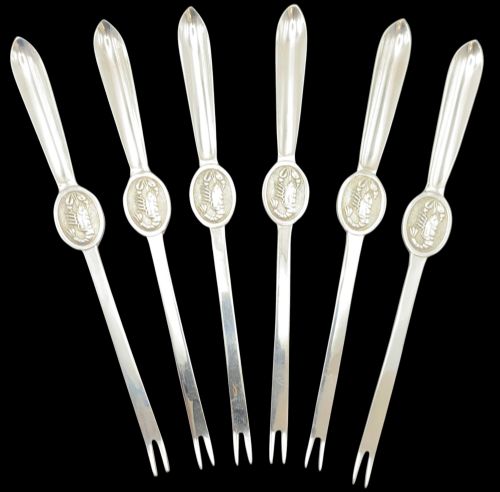
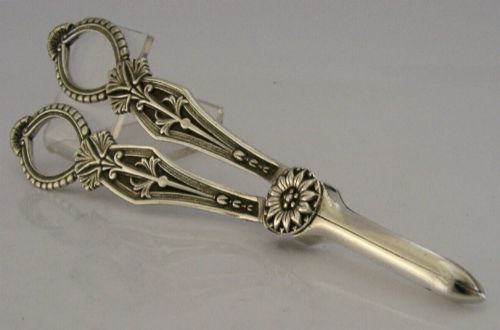
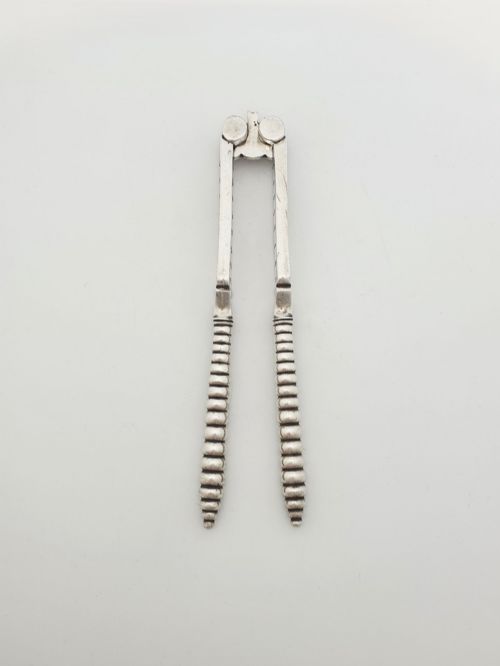
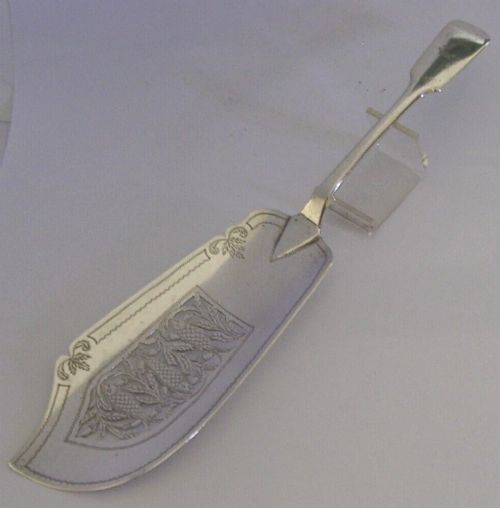
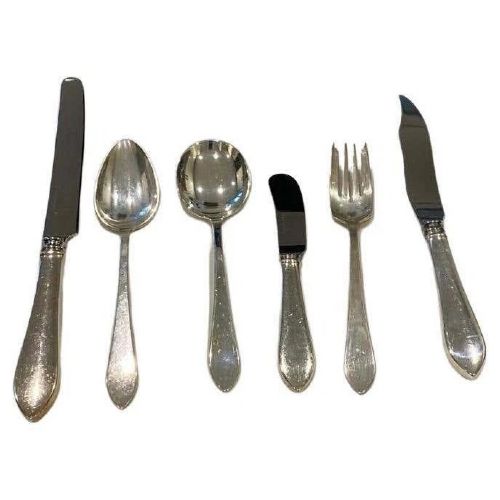
Antique dining cutlery encompasses utilitarian dining implements alongside specialised serving pieces, knife rests, and dedicated storage containers like boxes, urns, and sideboards. The selection ranges from individual silver marrow scoops and lobster picks to extensive canteens numbering over one hundred pieces.
The periods represented span from the eighteenth century through the Victorian, Edwardian, and Art Deco eras up to mid-century modern designs. Among these, Victorian silver plated sets, Georgian servers, and twentieth-century canteens appear most frequently in the listings.
Materials and construction
Metal items rely on solid sterling silver or silver plate over a base metal, occasionally paired with steel blades, mother-of-pearl, or brass details. Manufacturing techniques combine traditional smithing, hallmarking, and specialised plating methods suited to flatware and serving implements.
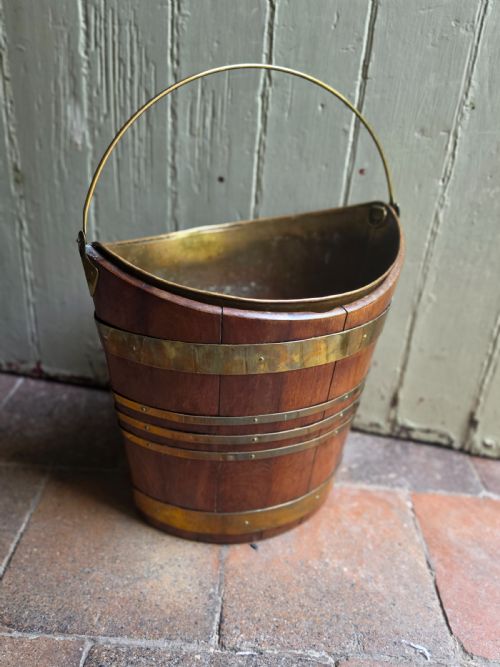
Storage pieces and fitted boxes utilise dense timbers such as mahogany and burr walnut, often shaped into bow fronts, urns, or plate buckets. Interiors feature velvet linings designed to secure individual pieces.
Listings feature sterling silver, silver plate, mahogany, and brass across periods from the eighteenth century to the mid-twentieth century.
Distinctions in quality
Quality rests upon the weight of the silver, the clarity of the London or provincial hallmarks, and the integrity of any engraved family crests or decorative patterns like Faneuil. Maker attribution, such as work by Jonathan Hayne or Benjamin Watts, elevates an item.
For storage containers, the grade of the mahogany, the preservation of the original velvet interior, and the precision of the cabinetwork determine the standard of the piece.
Garrard·Tiffany·Christofle·Jonathan Hayne·Benjamin Watts
The Antique Dining Cutlery Glossary
- Hallmark
- Official stamps struck on precious metals indicating the standard of purity, assay office, and year of manufacture.
- Canteen
- A fitted box, chest, or cabinet designed to hold a complete set of cutlery.
- Marrow scoop
- A narrow, elongated silver implement originally used for extracting marrow from bones.
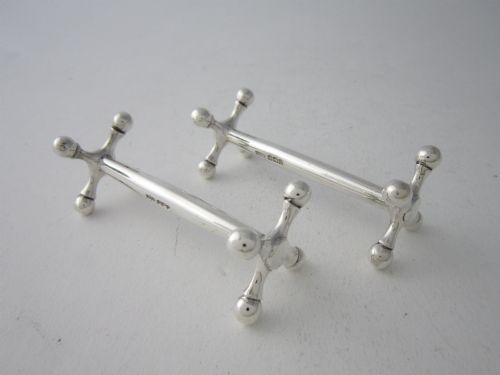
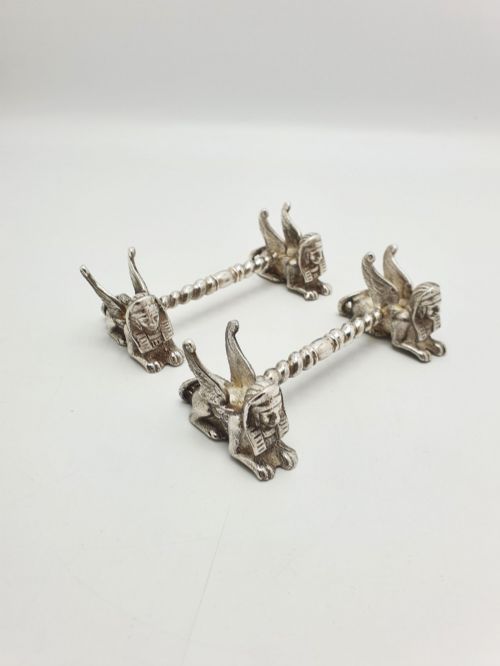
- Knife rest
- A small support used to keep the blade and handle of a dining knife off the tablecloth between courses.
- Flatware
- Table cutlery such as forks, spoons, and serving implements rather than cutting knives.
Antique Dining Cutlery: Frequently Asked Questions
What is a canteen of cutlery?
A canteen is a fitted container or box holding a complete, matched service of forks, spoons, and sometimes knives.
These sets range from compact domestic services to large dining room canteens spanning over one hundred pieces.
How do I identify silver plate from sterling silver?
Sterling silver items bear official hallmarks indicating the silver standard, whereas silver-plated pieces generally show maker marks or plate designations without assay office stamps.
Weight and surface wear can also reveal the underlying base metal beneath a silver plate.
What were knife rests used for?
Knife rests sat beside the plate to elevate carving knives and table knives between courses.
This kept the table linen clean and prevented residue from touching the cloth.
How should I store antique cutlery?
Antique cutlery benefits from storage in lined wooden boxes, cutlery urns, or canteens designed to restrict air exposure.
Using fitted velvet or cloth interiors prevents scratching and minimises tarnish on silver surfaces.