

Antique Silver Cover
When searching for an antique silver cover, you encounter practical vessels and lidded accessories designed to protect food, books or keepsakes.
Antique Silver Cover
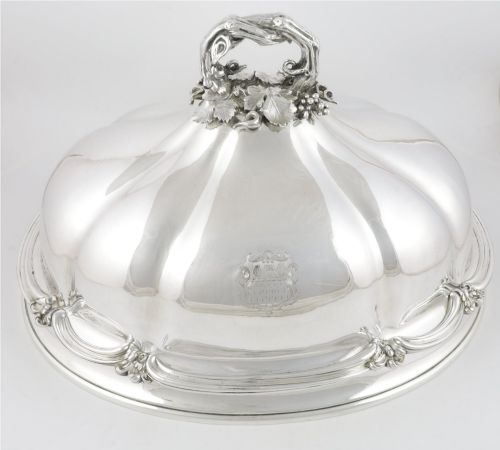
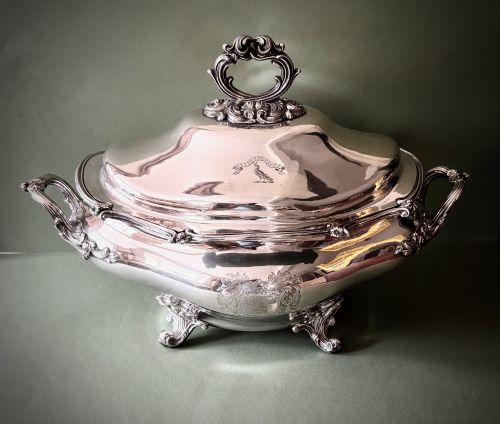
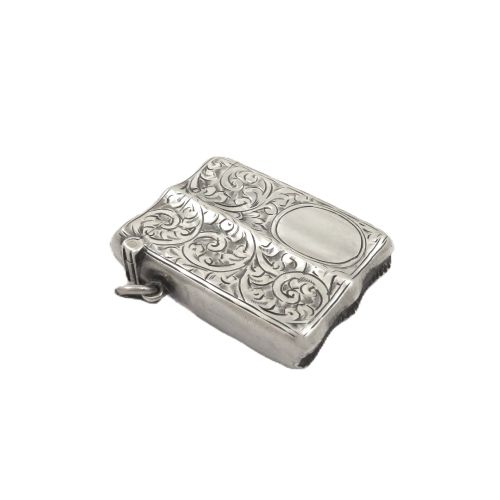
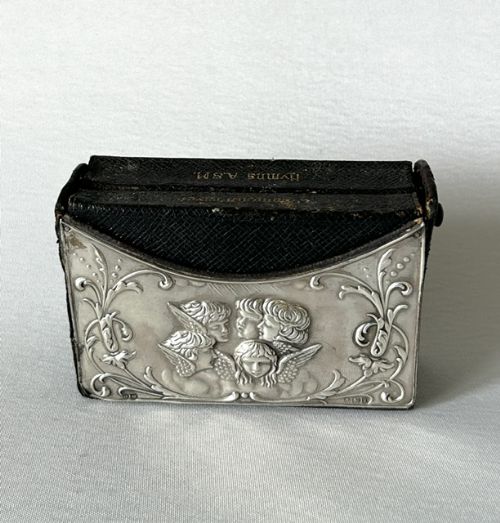
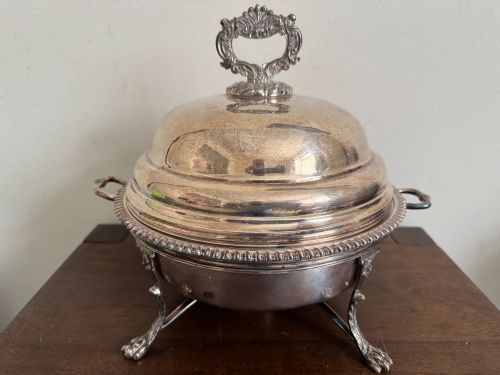
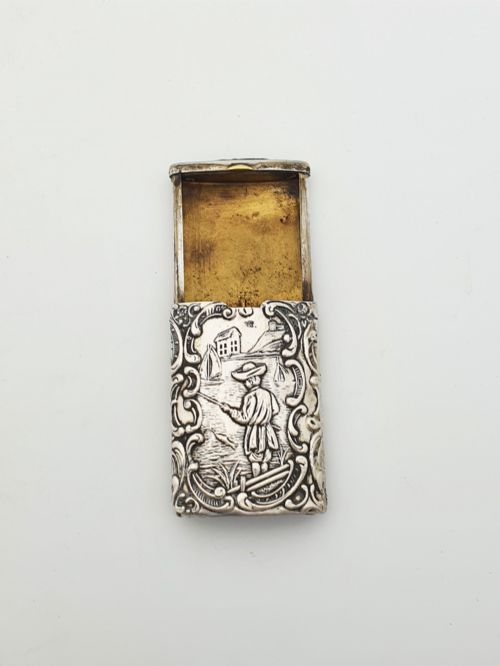
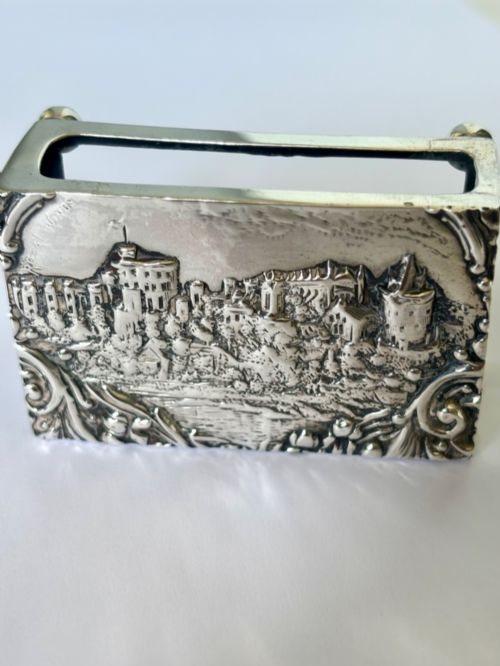
An antique silver cover encompasses a wide array of lidded pieces, from substantial dining table meat domes and entree dishes to smaller protective housings like matchbox sleeves, book bindings and vesta cases. You will frequently find Edwardian silver-plated serving dishes alongside Georgian and Victorian Old Sheffield plate meat domes.
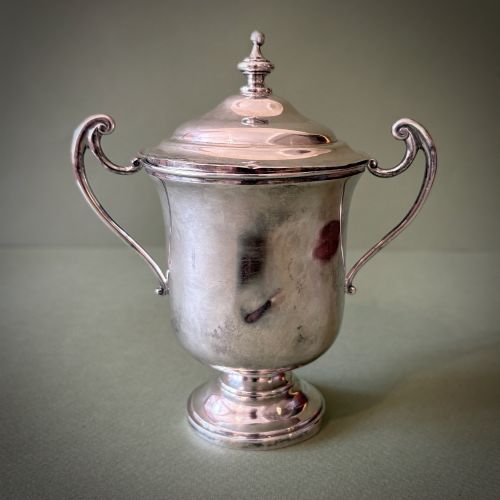
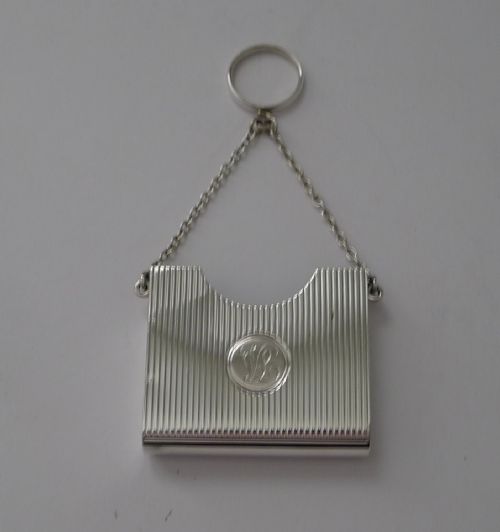
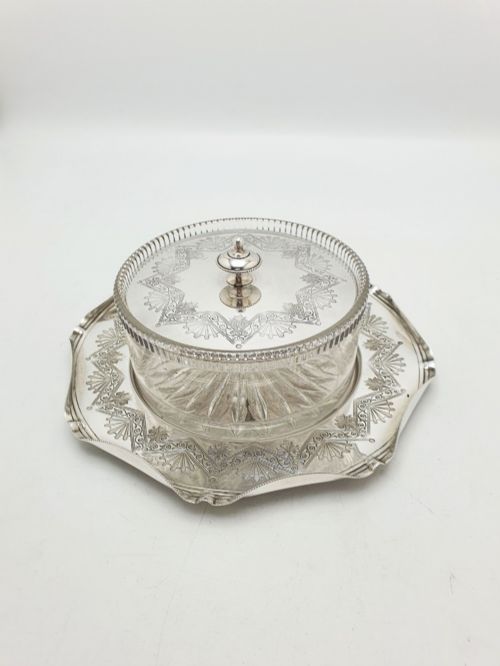
The category spans functional table service and personal accessories, including porringers, tureens, butter dishes with glass liners, and pocket items such as prayer book holders. These pieces reflect historical dining customs and personal organisation, uniting utilitarian protection with decorative craftsmanship across multiple centuries.
How they were made
Many of the larger dining pieces utilise Old Sheffield Plate or silver plating upon base metals such as copper and electroplated nickel silver, providing durable surfaces for heavy domestic use. Solid sterling silver and Britannia silver appear frequently in smaller presentation cups, porringers, and decorative matchbox covers.
Manufacturing techniques combine traditional silversmithing methods such as hand hammering and piercing with nineteenth-century plating innovations and detailed chasing, engraving, or cast relief ornament.
What varies in quality
The distinction between standard utility items and the finest work lies in the crispness of chased decoration, the weight of the silver or plating, and the structural integrity of handles and finials. Superior items display well-balanced proportions, clear hallmarks, and hand-engraved detailing rather than mass-produced stamping.
Maker attribution also influences standing, with pieces bearing marks from noted workshops commanding greater interest due to their established reputation for superior fabrication and refined design.
Roberts Cadman·Sampson Mordan·William Bennett·Henry Wilkinson·Mappin and Webb·William Grundy·Hamilton and Inches·Bateman·Finley and Taylor·Yamanaka·Elkington·Henry Hobson and Sons·Atkin Brothers
The Antique Silver Cover Glossary
- Old Sheffield Plate
- A fused composite material made by melting a sheet of sterling silver onto a thicker copper base before rolling them together into sheets for fabrication.
- Meat Dome
- A large, domed cover designed to fit over a serving platter to retain heat for meat dishes at the dining table.
- Entree Dish
- A shallow lidded vessel used for serving secondary courses at formal meals, often rectangular or oval in shape.
- Porringer
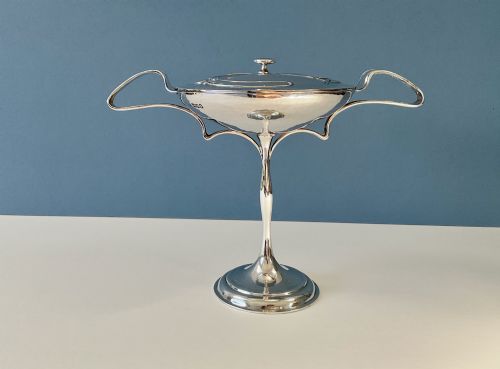
- A small, two-handled bowl with a matching cover, traditionally used for broths, porridges, or as presentation pieces.
- Vesta Case
- A small pocket-sized box with a hinged cover designed to hold matches, frequently decorated with engraved or embossed scenes.
Antique Silver Cover: Frequently Asked Questions
What are antique silver meat domes used for?
Large meat domes were placed over platters on the dining table to keep joints of meat warm between the kitchen and the dining room.
They serve as striking decorative display pieces in modern dining spaces today.
What is the difference between sterling and plate?
Sterling silver is a solid precious metal alloy containing a high percentage of pure silver throughout the entire object.
Silver plate consists of a thin layer of silver bonded to a base metal such as copper or nickel silver.
How do I identify the date of a piece?
Look for hallmarks stamped into the metal, which often include maker marks, city assay marks, and date letters corresponding to specific years.
Style indicators like Art Nouveau curves or Georgian proportions also help narrow down the period of manufacture.