

Antique Silver Clock
An antique silver clock brings precision timekeeping into domestic spaces through enduring materials like silver, brass and glass.
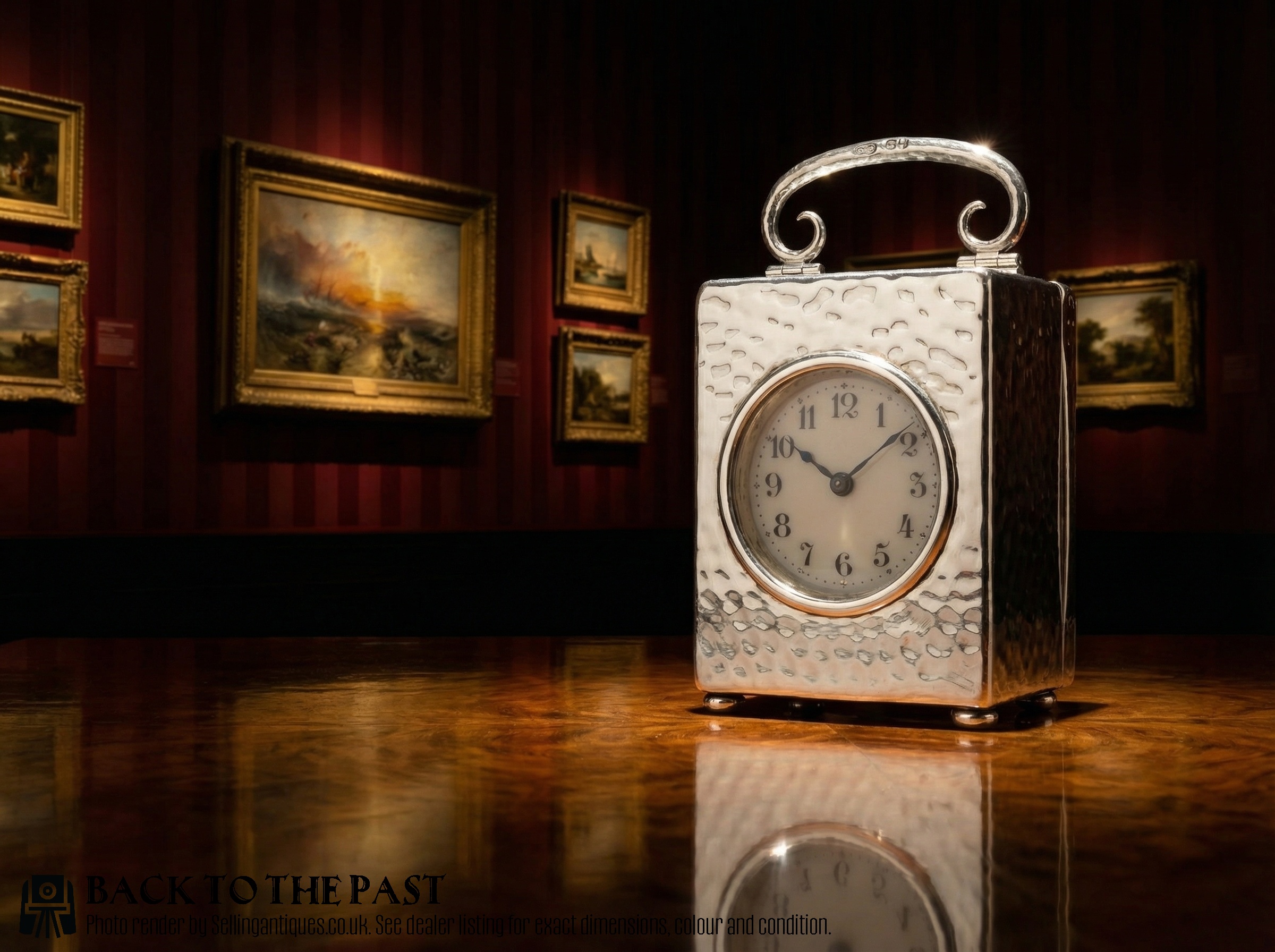
Antique Silver Clock
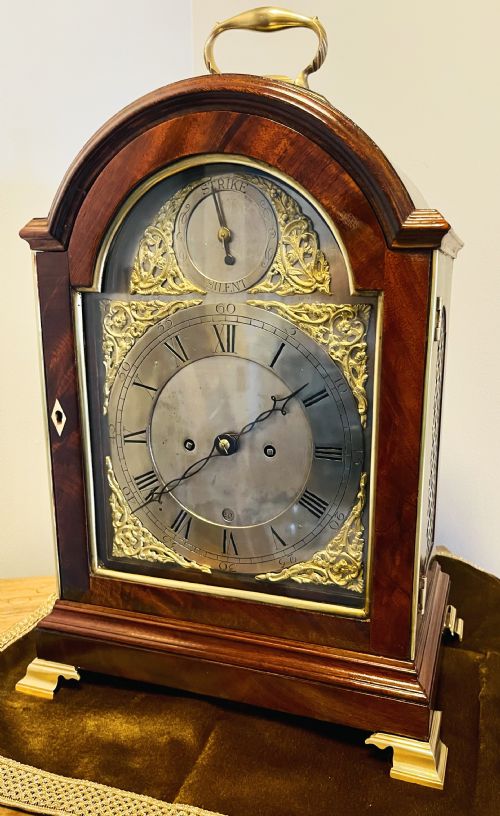
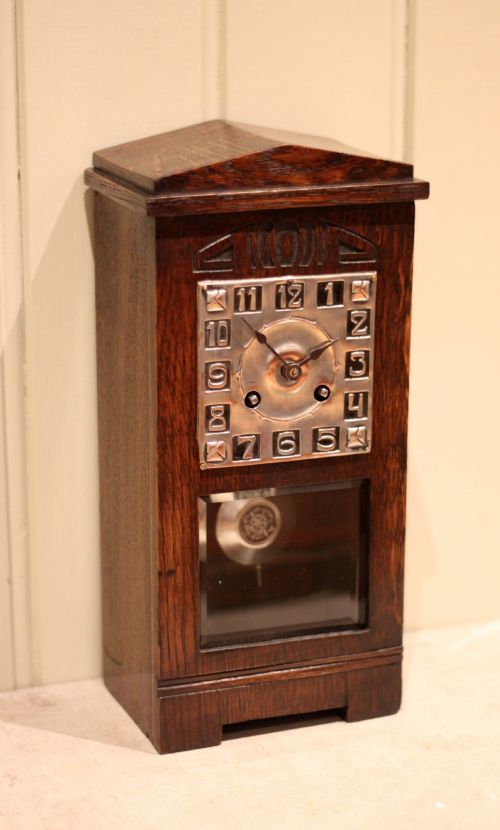
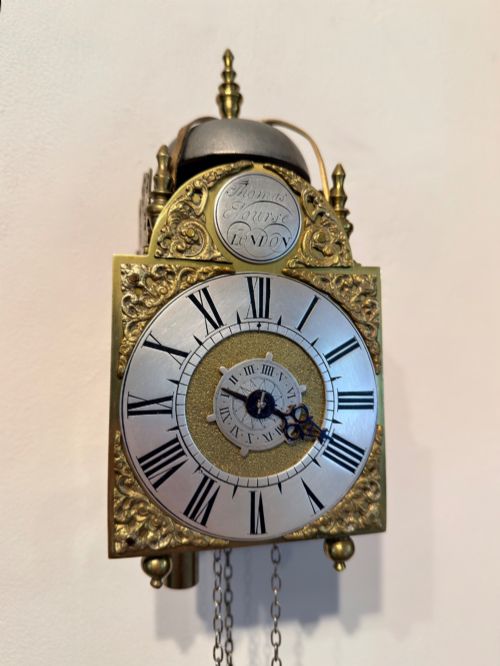
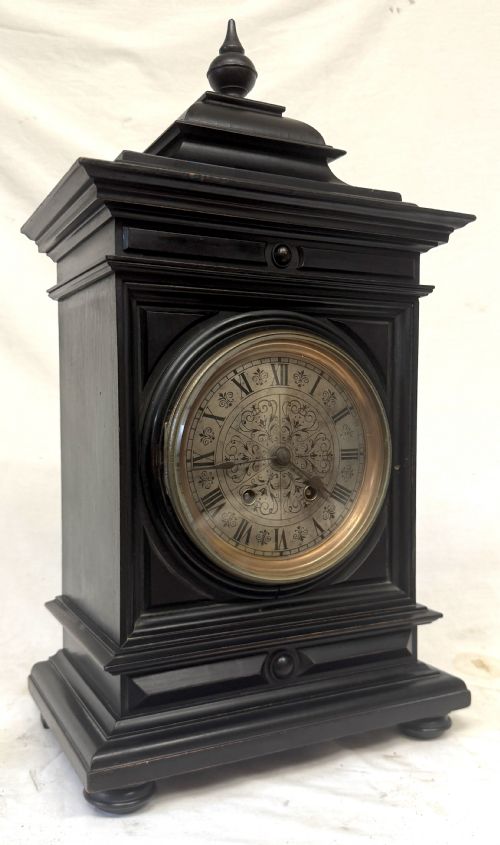
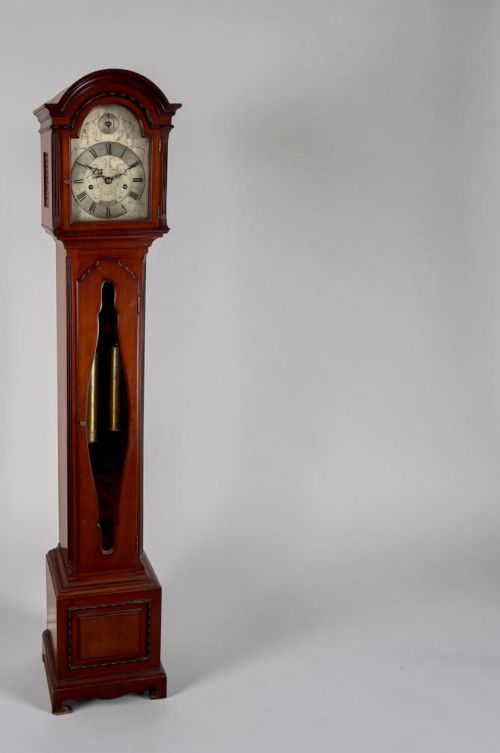
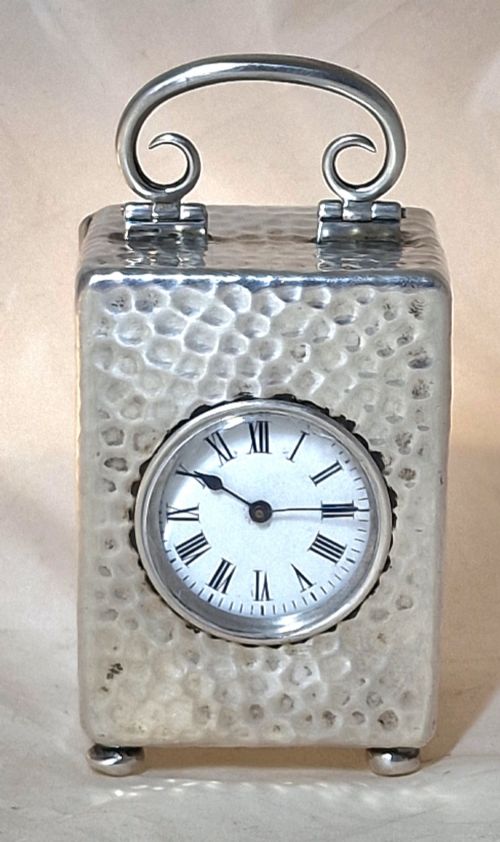
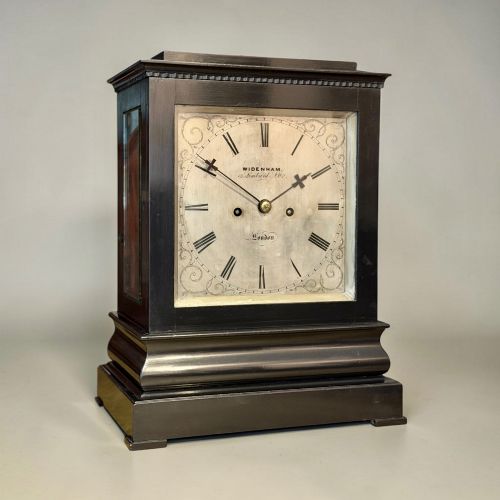
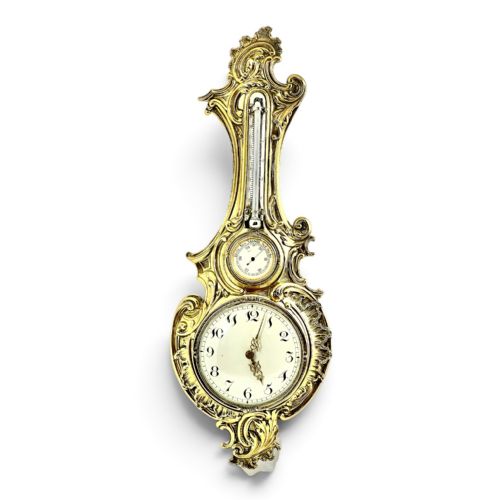
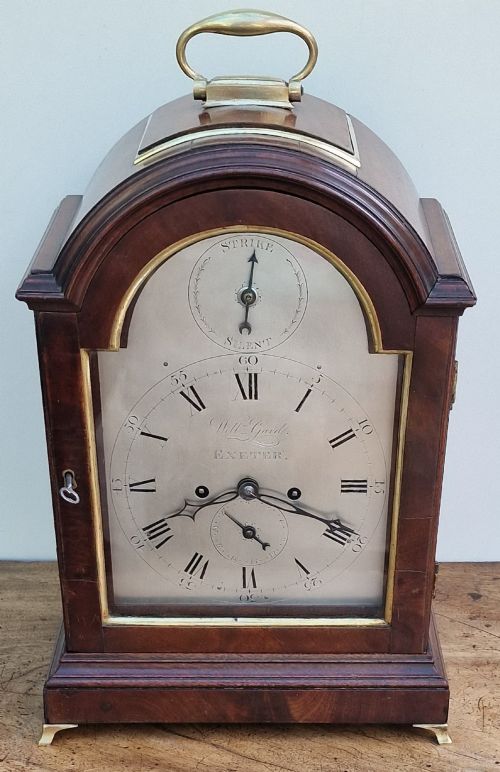
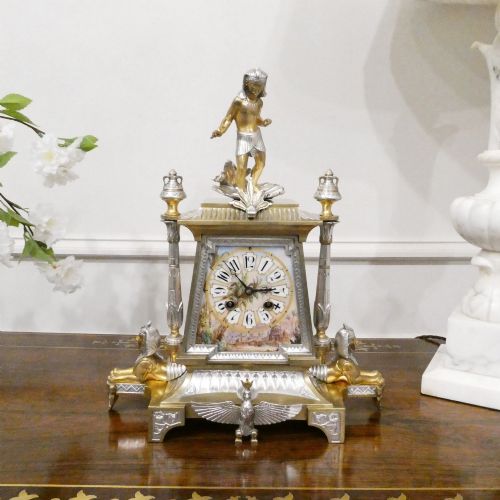
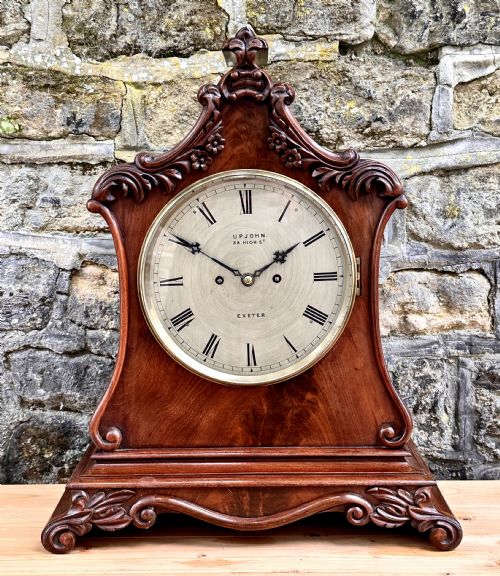
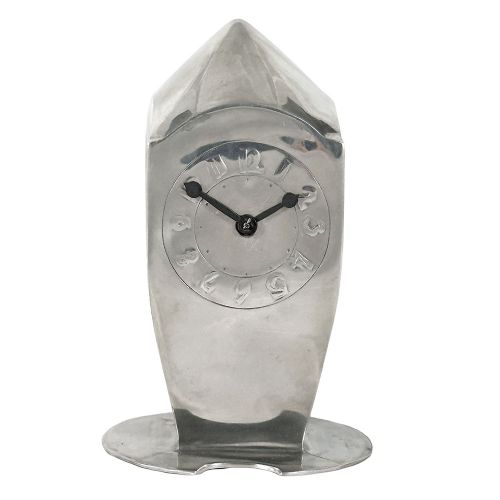
The selections span stylistic movements such as Art Deco, Arts & Crafts, Regency and Victorian designs, alongside regional English and French workshops. Mantel clocks, bracket clocks and pocket watches represent the principal formats seen in daily inventory.
Makers and retail houses like Mappin & Webb feature prominently alongside specialist horologists, offering both domestic timepieces and travel companions housed in fitted leather or metal cases.
Materials and construction techniques
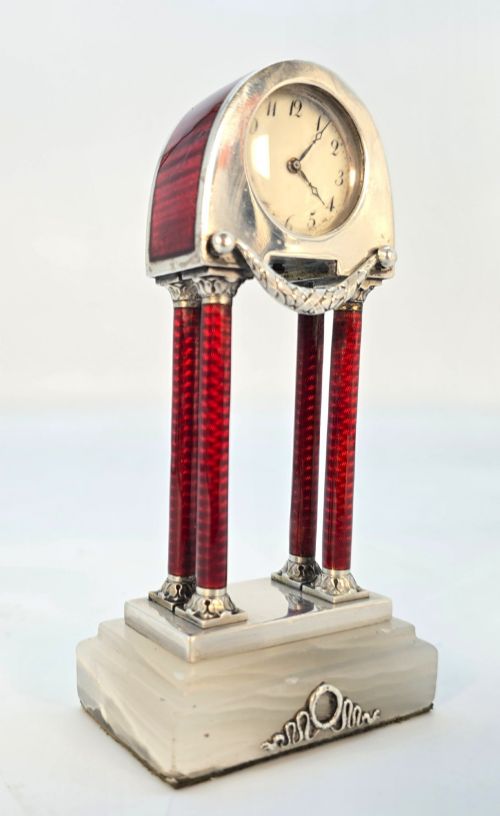
Horologists utilised robust internal movements such as fusee mechanisms and eight-day striking systems, paired with silvered metal dials and protective glass panels. Cases incorporate silver, brass, mahogany, ebonised wood, burr walnut and pewter, frequently enhanced by enamel work and gilt finishes.
Craftsmen applied traditional cabinetmaking and metalworking skills to construct architectural forms, ranging from miniature lantern styles to large bracket clocks. Specific makers integrated decorative elements such as abalone and intricate casework to elevate the structural integrity of the piece.
Antique Silver Clock Retail Price Guide 2026
Typical asking prices for silver clock among the pieces listed under this phrase on Sellingantiques today, from the lower quarter to the upper quarter. They describe what is for sale here now, not the wider market.
Current listings feature diverse materials including solid silver, pewter, mahogany, glass and brass across the Victorian and Edwardian eras.
Factors influencing quality
The standard of a timepiece depends on the refinement of its movement, the complexity of its striking or repeating mechanisms, and the integrity of its original case materials. Superior examples retain crisp hallmarks on silver elements alongside untouched dials and properly functioning escapements.
Widenham of London·Gillett & Johnston of Croydon·Mappin & Webb·Archibald Knox for Liberty & Co·Georg Adam Scheid·Richard Winter of Chieveley·David Veasey·Thwaites of London
The Antique Silver Clock Glossary
- Carriage clock
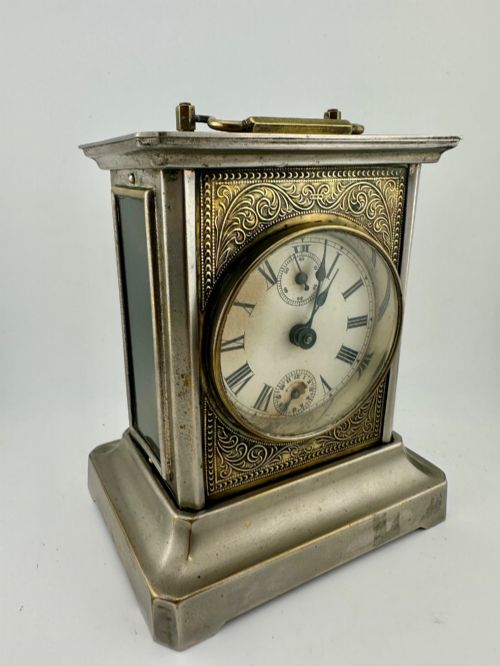
- A portable spring-driven timepiece designed for travel, usually featuring a glass-panelled brass or silver case with a swinging handle on top.
- Bracket clock
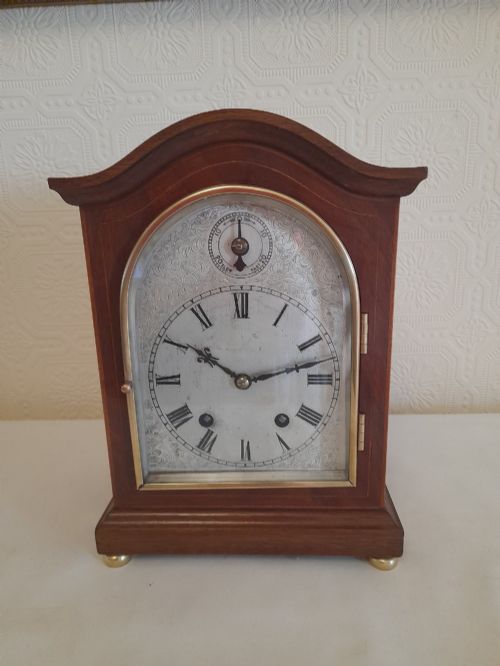
- A portable table clock historically placed upon a matching wall bracket or furniture surface, often featuring a striking movement and arched dial.
- Fusee
- A conical pulley used in mechanical clocks to maintain even power delivery to the gear train as the mainspring unwinds.
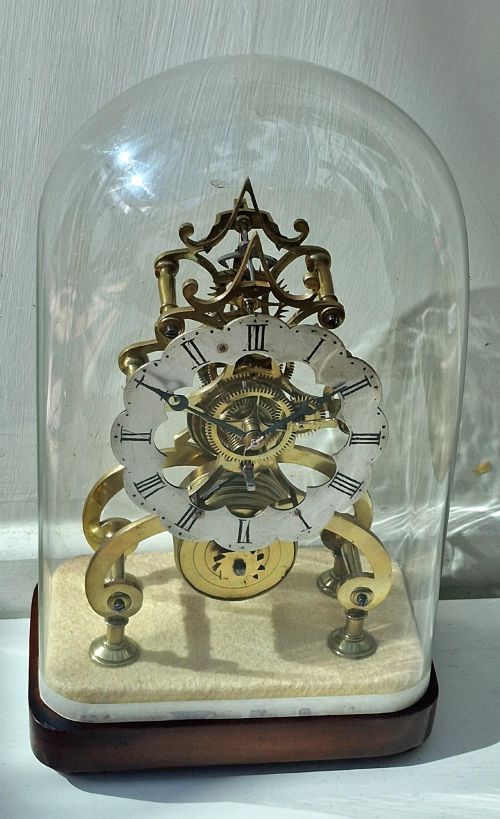
- Skeleton clock
- A timepiece with an exposed movement enclosed only by glass domes or minimal frames, displaying the wheels and escapement directly.
- Silver-gilt
- Silver that has been coated with a thin layer of gold on its surface, providing a rich dual-tone appearance.
Antique Silver Clock: Frequently Asked Questions
How do I wind an antique silver clock?
Most mechanical timepieces require a matching key inserted into the dial arbours to tension the mainspring gently until resistance is felt.
Care must be taken not to overwrite the springs, ensuring the movement operates smoothly for its designated running period.
Where were carriage clocks typically used?
Carriage clocks served wealthy travellers during the nineteenth and early twentieth centuries, providing reliable timekeeping inside horse-drawn carriages and railway compartments.
Their robust construction and fitted travel cases protected the delicate internal mechanisms from the vibrations of transit.
How do I identify the period of a silver clock?
Dating relies heavily upon assay office hallmarks stamped into the silver cases, which indicate exact years of manufacture alongside maker's marks.
Stylistic cues such as Edwardian proportions or Art Deco geometric framing also help narrow down the era of production.
How should I clean a silver clock case?
Silver components require gentle polishing with a soft cloth to preserve crisp hallmarks and delicate engravings without wearing away thin metal layers.
Harsh chemical dips must be avoided to protect adjacent wooden cases, glass panels and enamel dials from accidental damage.