
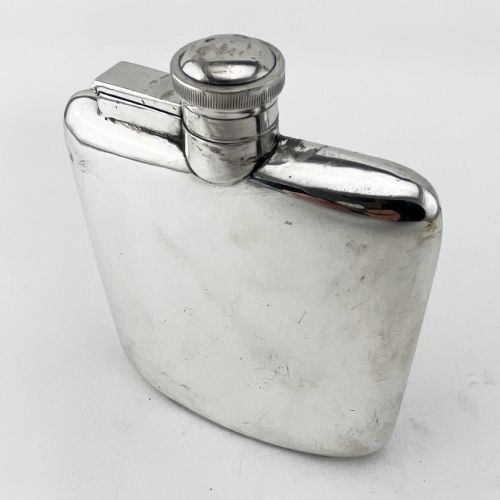


Antique Silver Cap Bottle
An antique silver cap bottle combines functional metalwork with decorative glass or leather, offering a tactile piece of personal history for daily use.
Antique Silver Cap Bottle
When you search for an antique silver cap bottle, you encounter a diverse group of portable containers designed for personal grooming, travelling, and hospitality. These objects range from pocket-sized scent and perfume bottles to larger hip flasks and vanity jars.
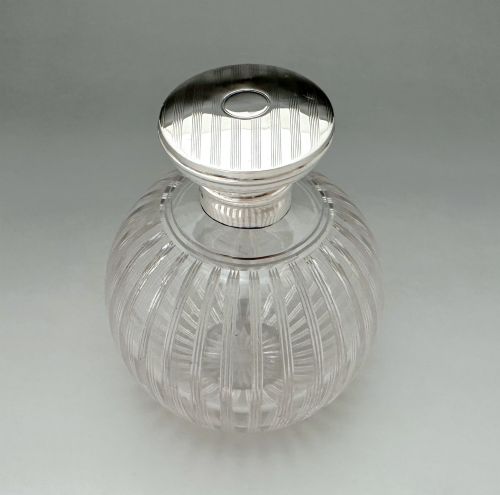
The version you are most likely to meet on this page is the Victorian scent or perfume bottle, frequently paired with cut glass, cranberry glass, or overlay glass. Such pieces survive from decades spanning the mid nineteenth century through the Edwardian era and the 1920s.
Beyond dressing table accessories, the selection includes barware and travelling flasks encased in leather or formed as solid silver vessels. Their origins cross English and continental workshops, reflecting varied domestic habits of past centuries.
Materials and construction
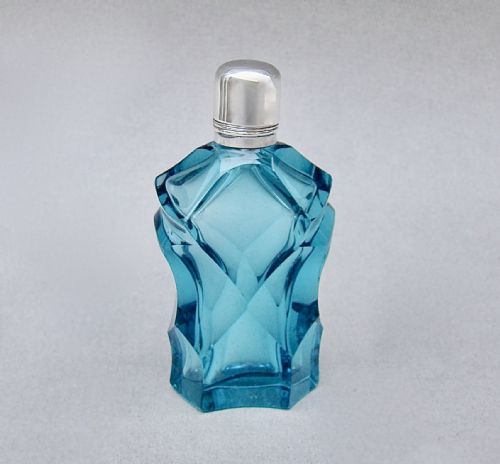
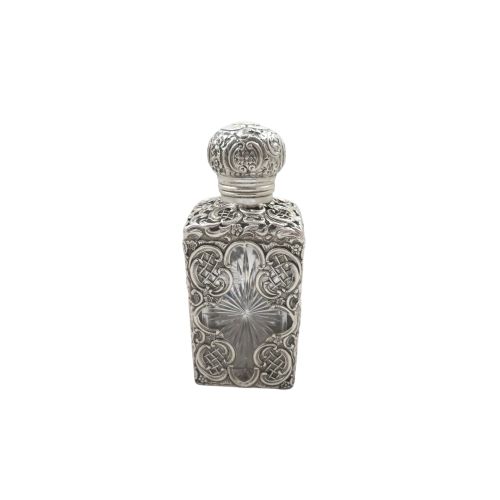
Makers combined sterling silver with blown and moulded glass, utilising clear, sliced-cut, and coloured glass bodies such as cranberry, amethyst, teal, and green overlay. Certain vessels feature protective outer layers of leather or exotic skins like alligator.
Silver mounts and caps were shaped, hinged, and screwed to fit snugly over glass necks, occasionally incorporating internal glass stoppers to prevent leakage. Metal components were frequently hallmarked to record the assay office, year, and maker.
Distinguishing quality
The distinction between standard containers and finer examples rests on the depth of hand-cut glass decoration, the weight and thickness of the sterling silver cap, and the integrity of any internal glass stoppers. Distinctive figural forms, such as owls or miniature champagne bottles, demand particular sculptural skill.
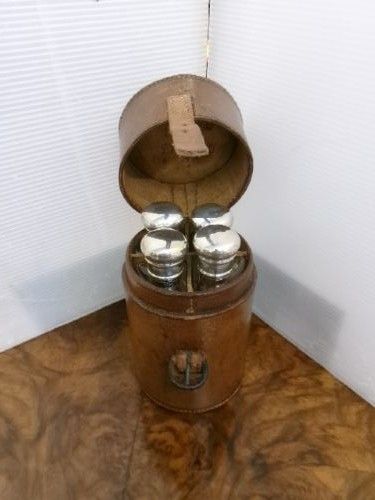
Condition plays a central role, particularly the crispness of the silver hallmarks, the absence of chips to intricate glass overlays, and the secure fit of hinged lids. Superior pieces retain their original fitted cases or complex multi-bottle configurations.
William Neale
The Antique Silver Cap Bottle Glossary
- Sterling silver
- An alloy containing 92.5 percent silver by mass, standard for quality British metalwork. It provides the durable caps and mounts found on these bottles.
- Overlay glass
- A technique where a layer of coloured glass is fused over a clear or contrasting glass body and partially cut away. This method creates striking geometric or floral patterns.
- Cranberry glass
- A rich red-pink glass coloured with gold chloride, popular during the Victorian period. It appears frequently in perfume and scent bottles.
- Sliced-cut glass
- A faceted glass cutting style featuring flat, linear planes that catch the light. It adds tactile grip and visual depth to nineteenth-century bottles.
- Hallmark
- A series of stamped marks on precious metals indicating the maker, assay office, and year of testing. These stamps help date the silver cap.
- Hip flask
- A thin, curved pocket container designed for carrying liquor. Silver versions often paired with leather casings for travelling convenience.
Antique Silver Cap Bottle: Frequently Asked Questions
What were antique silver cap bottles used for?
These vessels served practical daily functions for personal grooming, carrying scents, smelling salts, or holding liquor while travelling.
Smaller bottles sat upon dressing tables or fitted inside reticules, while sturdy flasks accompanied owners on outdoor pursuits.
How do I date a silver cap bottle?
Dating relies primarily on the hallmarks stamped into the sterling silver cap or mount, which indicate the exact year and assay office.
Stylistic markers such as Art Deco geometry or Victorian glass colours also help narrow down the period of manufacture.
Are internal glass stoppers important?
Internal stoppers ensured volatile perfumes and medicinal liquids did not evaporate or leak during transit.
Finding a bottle that retains its original matching glass stopper alongside the outer silver cap is a distinct advantage for collectors.
How should I clean the silver caps?
Silver mounts require gentle cleaning with a soft cloth to preserve the metal and avoid damaging adjacent glass or leather surfaces.
Harsh dips or excessive polishing can wear away thin hallmarks and alter the historic patina.