




Antique Silver Beer Pint
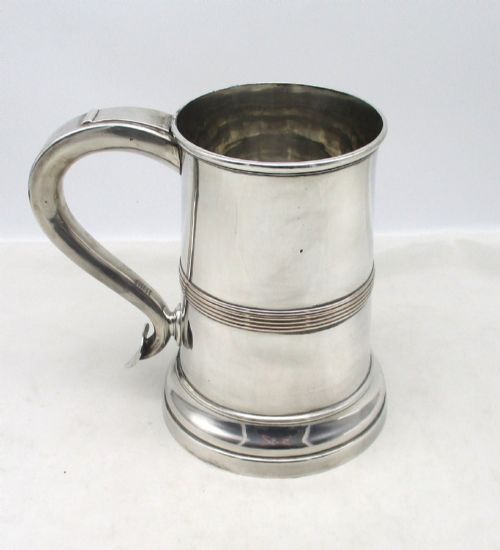
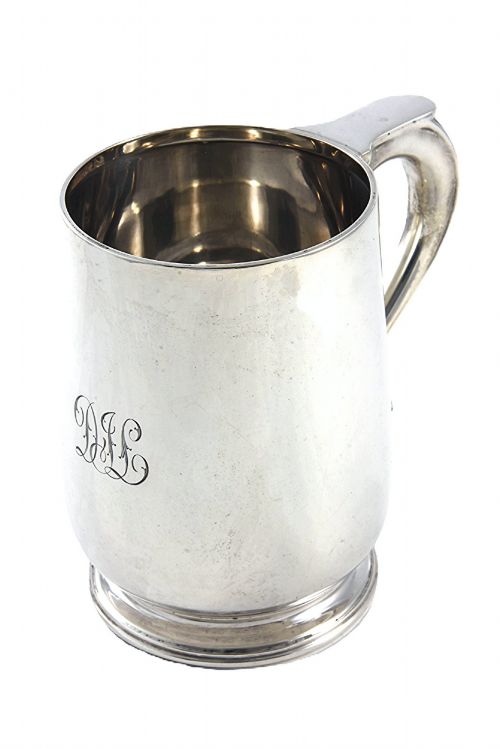
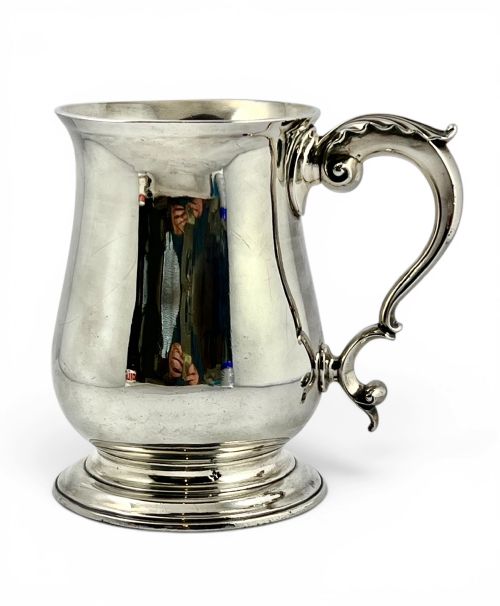
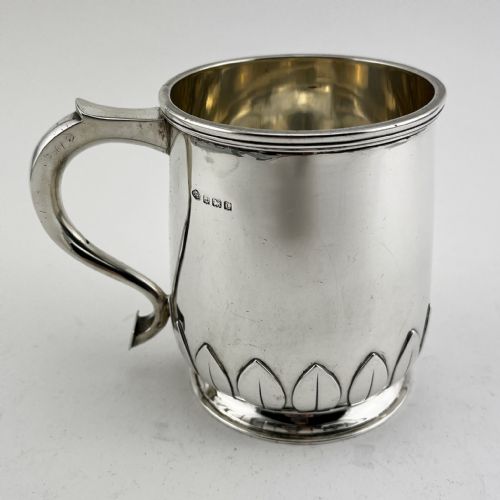
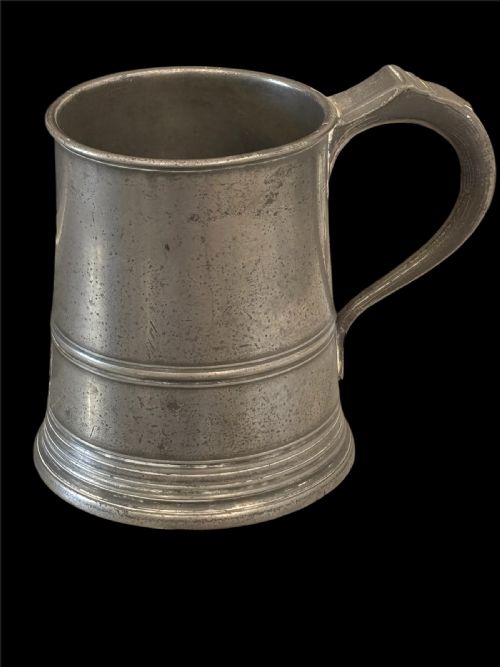
These antique silver beer pint pieces are solid drinking vessels shaped for the tavern and the dining table, built to hold a proper measure of ale.
Antique Silver Beer Pint
When you search for an antique silver beer pint, you encounter heavy drinking vessels formed mostly as tankards and mugs dating from the eighteenth century onward into the twentieth century. These drinking vessels appear in solid sterling silver alongside Old Sheffield plate and later silver plate, reflecting the drinking customs of Georgian, Victorian, and later periods.
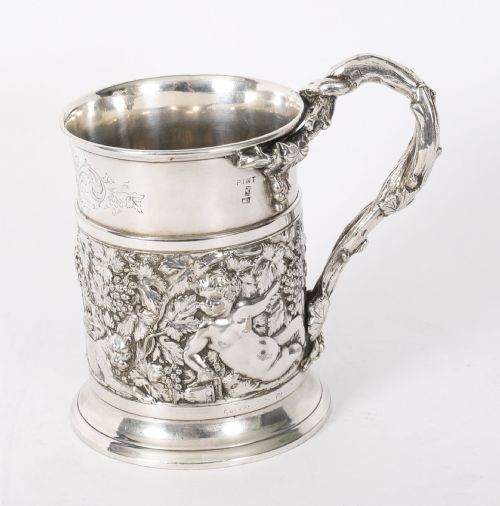
You will meet pieces carrying clear regional assay marks from London and Newcastle alongside unmarked or plated examples produced by known makers such as William Grundy and Richard Morton. The forms range from plain bodies to embossed and engraved surfaces, occasionally featuring lids or serving as quart tankards and smaller mugs.
What varies in quality
The distinction between standard items and superior examples lies in the weight of the metal and the crispness of the hand engraving or embossing. Solid sterling silver vessels from eighteenth-century workshops show substantial gauge metal, whereas plated pieces rely on the preservation of the silver layer over the copper base.
Maker marks and clear town hallmarks elevate the standing of a piece, as do well-preserved handles and stable bases that have survived centuries of use at the table.
Some eighteenth-century drinkers preferred a lidded tankard to keep tavern flies away from their evening ale.
William Grundy·Richard Morton·G R Collis
The Antique Silver Beer Pint Glossary
- Tankard
- A tall drinking vessel with a single handle, frequently featuring a lid in earlier examples. They served as the primary form for consuming ale before lighter glass mugs became common.
- Old Sheffield Plate
- An early composite material made by fusing a thin sheet of silver onto a copper ingot before rolling them into sheets. This technique predates modern electroplating.
- Hallmark
- A series of official stamps applied to precious metals indicating the maker, the assay office, and the year of testing. These marks provide the key to dating solid silver pieces.
- Assay Office
- An official body responsible for testing the purity of precious metal items and stamping them with statutory marks. London and Newcastle offices appear frequently among these pieces.
- Quart Tankard
- A larger variant of the standard drinking vessel, designed to hold double the capacity of a pint. These substantial pieces fulfilled communal drinking roles in taverns.
Antique Silver Beer Pint: Frequently Asked Questions
What is an antique silver beer pint?
An antique silver beer pint is a drinking vessel designed to hold a pint of ale, fashioned in solid sterling silver, Old Sheffield plate, or silver plate. These pieces date across the eighteenth, nineteenth, and twentieth centuries.
They take the form of tankards and mugs, often featuring sturdy handles and sometimes lids, reflecting historical drinking habits.
How do I know if it is solid silver?
Solid silver pieces typically bear a series of punch marks including a maker's mark, a town mark for locations like London or Newcastle, and a standard mark such as the lion passant.
Plated items lack these official sterling marks and may reveal the underlying copper or white metal where wear has occurred over time.
What is the difference between a tankard and a mug?
Tankards traditionally refer to cylindrical drinking vessels that often included hinged lids to keep ale covered in tavern settings. Over time, the term broadened to include open-topped mugs.
Mugs generally denote open vessels without lids, though both terms appear interchangeably in historical descriptions of these drinking vessels.
How should I clean antique silver drinking vessels?
Cleaning requires a soft cloth and a specialised silver polish formulated to remove tarnish without abrading the metal surface or wearing down thin plating. Avoid harsh chemical dips.
Wash the interior gently with warm soapy water and dry thoroughly after use to preserve the finish.