





Antique Metal Ale Mug
An antique metal ale mug is a sturdy vessel forged for daily tavern life, combining honest utility with centuries of traditional tavern culture.
Antique Metal Ale Mug
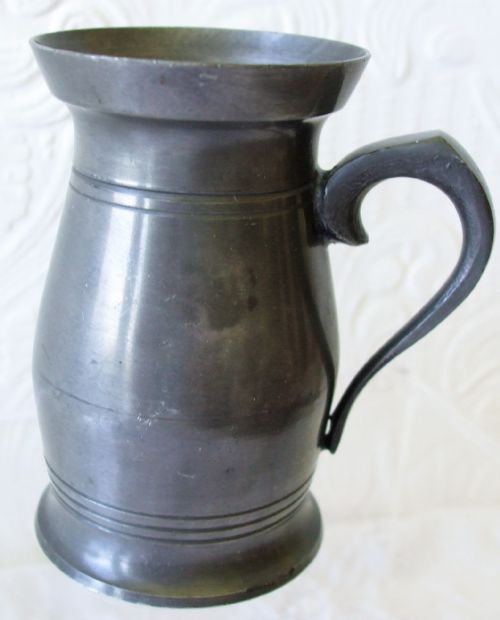
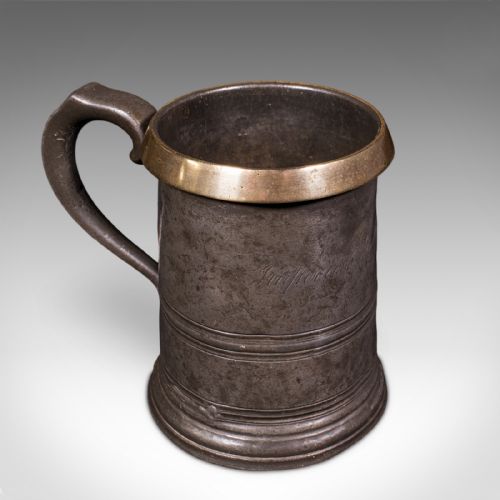
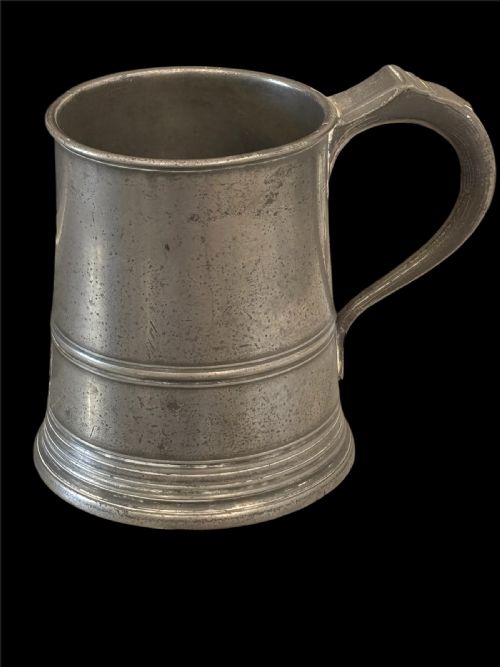
An antique metal ale mug encompasses heavy drinking vessels designed to hold stout quantities of ale in public houses and domestic settings. When you search for an antique metal ale mug, you encounter robust forms ranging from modest gills to large quart jugs.
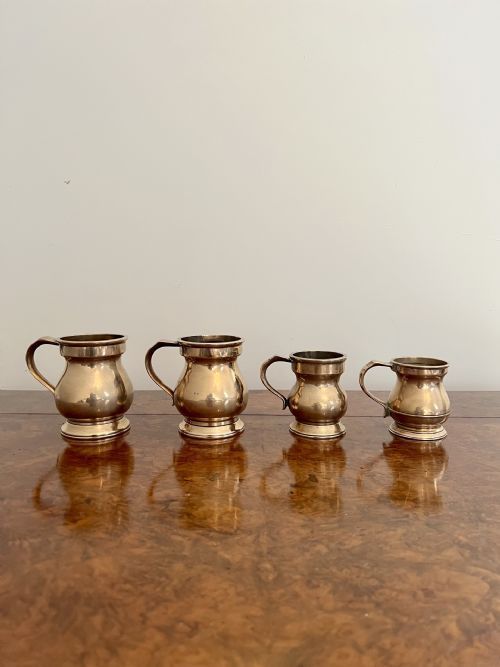
The selections span the eighteenth and nineteenth centuries, taking the shape of bell-shaped tankards, tavern measures, and copper vessels. Georgian and Victorian examples dominate the offerings, reflecting a long British tradition of durable tavern drinkware.
Mugs appear in single pieces, pairs, and matched sets of four, with specific capacity markings often stamped onto the rim or body. These items served as functional barware long before they became collectible pieces of breweriana.
How they were made
Pewter and copper form the backbone of these vessels, shaped through casting, hammering, and soldering to create thick, resilient walls. Old Sheffield Plate applies a thin layer of silver to a copper base, uniting two distinct metals through heat and pressure.
Makers reinforced rims and handles to withstand the heavy knocks of busy public houses, ensuring the structural integrity of each quart or pint jug. Gilding and silver plating occasionally add a decorative finish to foundational metals like brass and copper.
What varies in quality
The weight of the metal and the precision of the form separate standard tavern wares from finer presentation pieces. Heavier gauge pewter and cleanly fused Old Sheffield Plate demonstrate superior craftsmanship during production.
Original touchmarks, maker stamps, and tavern verification marks elevate the interest and historical authority of a piece. Well-preserved surface patinas and crisp decorative lines distinguish vessels that survived heavy use with their character intact.
Frederic Sanders·Thomas Phillips I·Watts and Harton·Richard Morton
The Antique Metal Ale Mug Glossary
- Pewter
- A malleable metal alloy primarily composed of tin, historically used for domestic tableware and drinking vessels. Its soft lustre darkens gracefully over the centuries.
- Old Sheffield Plate
- An early fused-plate material made by fusing a thin sheet of silver to a thick copper base. This technique produces durable items with genuine silver surfaces.
- Gill
- A traditional unit of liquid capacity equivalent to a quarter of a pint. Gill measures are notably smaller than standard pint or quart tavern mugs.
- Breweriana
- Collectable items associated with the brewing and serving of beer, including public house tankards and measures. This category captures the material history of the pub.
- Quart
- A liquid measure equal to two pints, commonly found on large tavern tankards. These substantial vessels catered to thirsty patrons in eighteenth and nineteenth-century alehouses.
Antique Metal Ale Mug: Frequently Asked Questions
How do I clean an antique metal ale mug?
Wash the vessel gently with warm soapy water and dry it immediately with a soft cloth to protect the metal surface. Avoid abrasive scourers and modern chemical polishes that can strip away historic patinas.
Leaving protective tarnish undisturbed preserves the age and character of pewter, copper, and Old Sheffield Plate pieces.
Can I still drink ale from these mugs?
Many historical pewter and copper mugs remain structurally sound enough to hold liquids for modern use. Older pieces containing high lead content in the alloy require careful consideration before consuming beverages from them.
For practical enjoyment, many collectors prefer displaying these vessels as historical barware rather than risking damage to fragile antique surfaces.
What is the difference between a pint and a quart?
A pint measure holds sixteen fluid ounces of ale, serving as an individual portion in nineteenth-century public houses. A quart vessel doubles that capacity to thirty-two fluid ounces, designed for sharing or heavy tavern service.
Size variations are usually evident in the physical height and girth of the tankard, occasionally accompanied by official capacity stamps.
How can I tell Georgian pieces from Victorian ones?
Georgian vessels often exhibit simpler, heavier forms with understated lines and early touchmarks associated with eighteenth-century workshops. Victorian examples frequently incorporate standardised capacity stamps and standardised bell shapes reflecting stricter tavern regulations.
Examining the manufacturing marks and stylistic proportions helps assign pieces to their respective nineteenth or eighteenth-century manufacturing eras.