
Antique Silver Basin
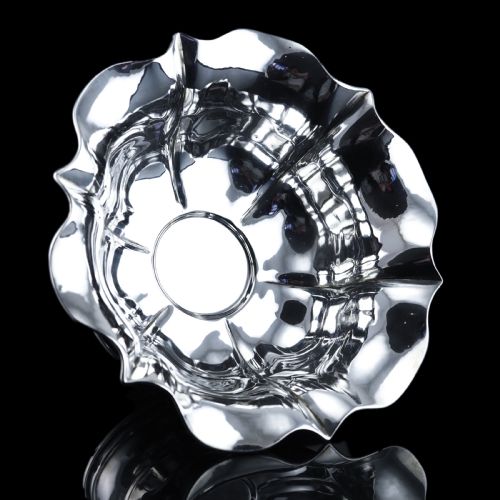
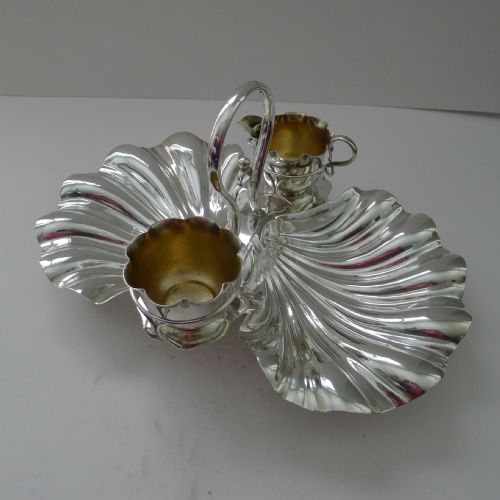
An antique silver basin spans centuries of domestic and display vessels, combining solid sterling silver, plated metal and contrasting glass liners.
Antique Silver Basin
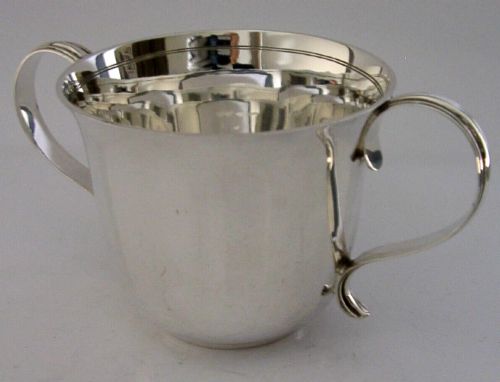
When you search for an antique silver basin, you encounter a wide array of domestic items spanning the Georgian, Victorian and Edwardian eras, alongside pieces from the nineteenth and early twentieth centuries. These range from sugar basins and sugar bowls to porringers, desk bowls, and dedicated washing vessels.
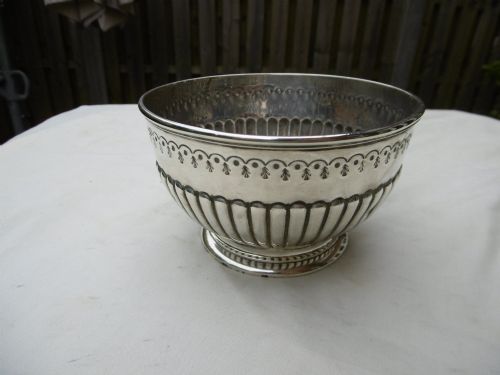
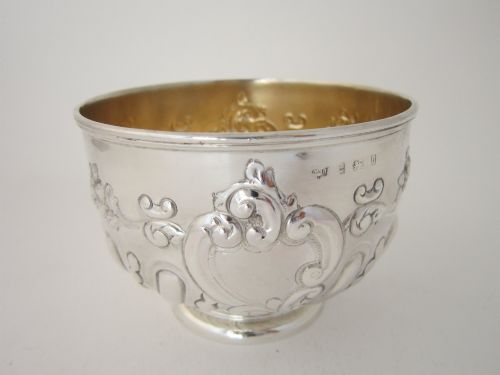
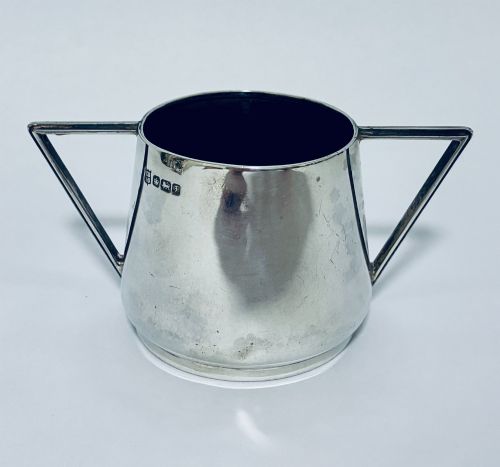
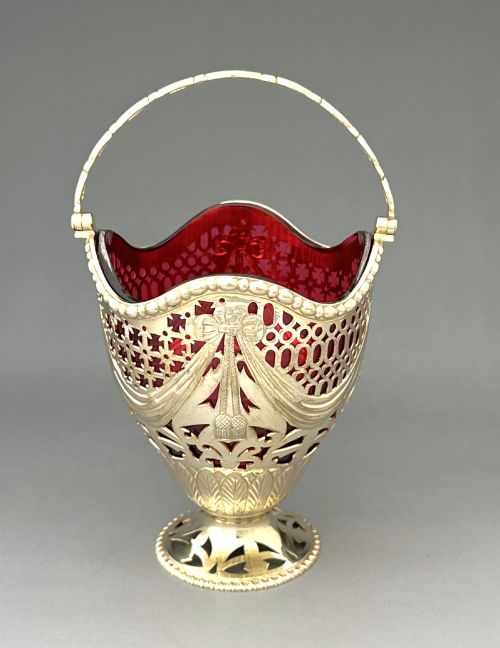
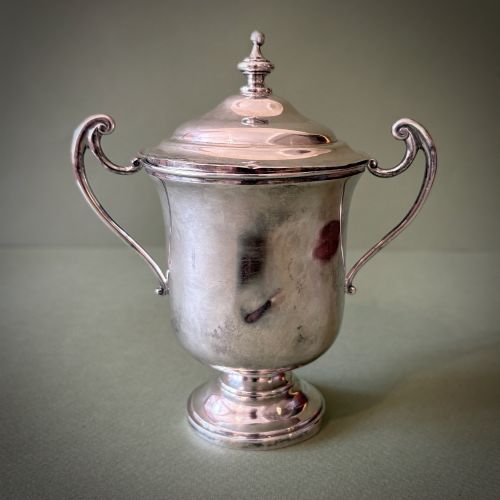
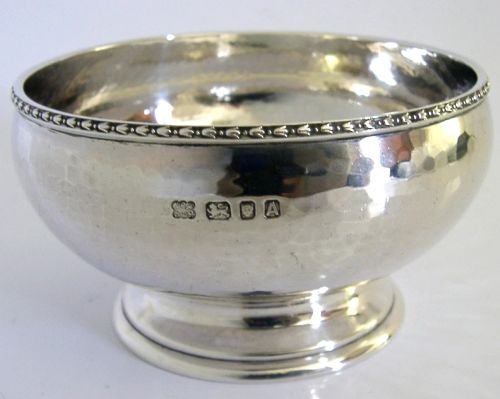
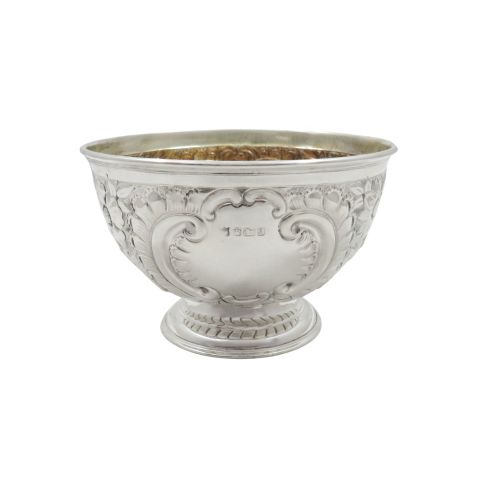
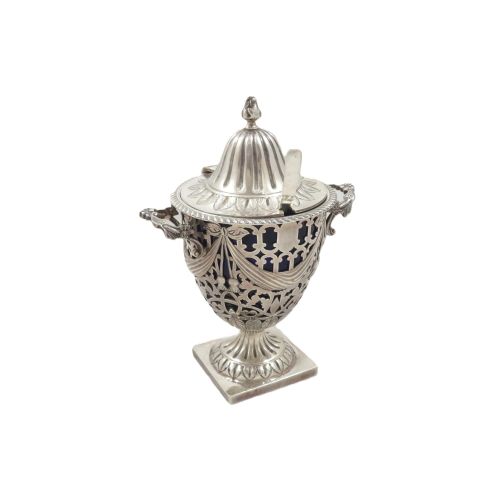
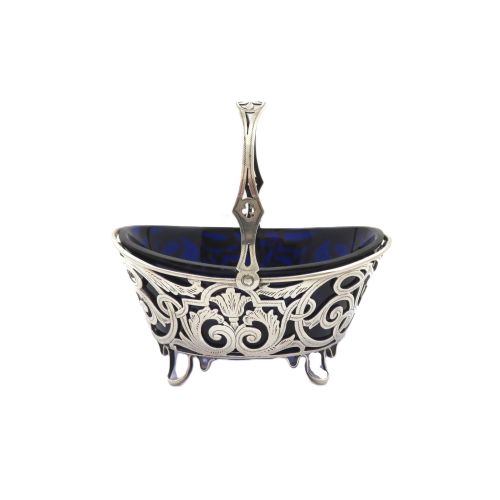
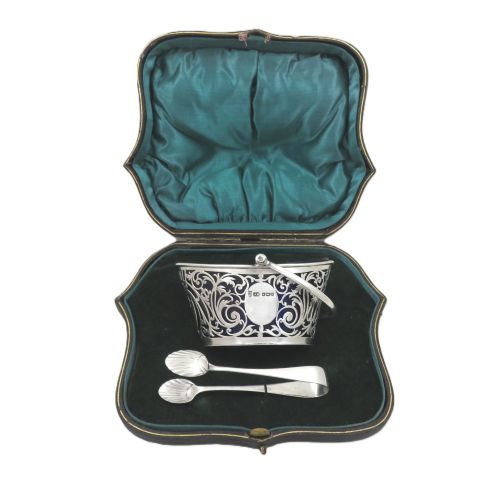
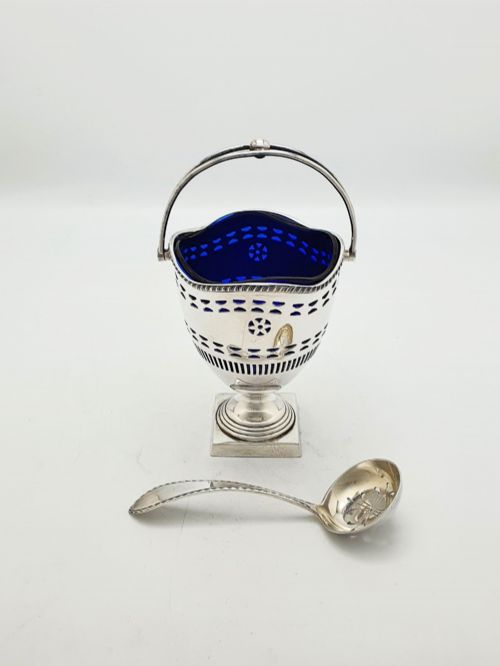
The versions most frequently met on this page are Victorian and Edwardian sterling silver sugar baskets and pedestal bowls, often accompanied by swing handles, pierced decoration or coloured glass liners. Alongside these sit silver plated tableware and continental or oriental solid silver pieces.
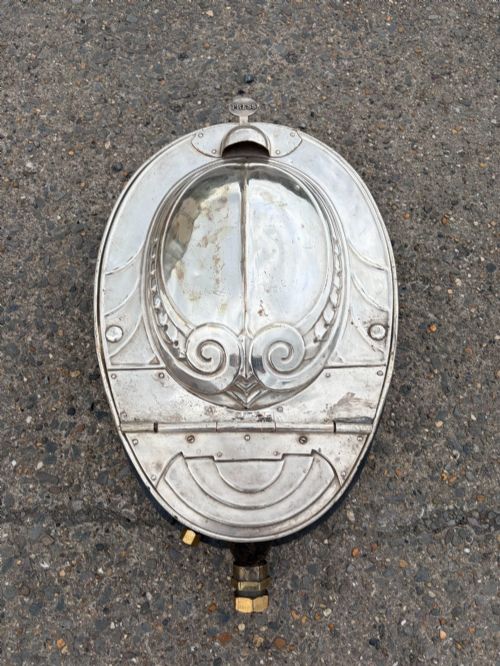
The selection also reaches into specific utilitarian forms, such as railway compartment sinks and bathroom taps, demonstrating that the term basin historically covered both dining table service and functional plumbing.
Materials and technique
Makers utilised sterling silver, silver plate and silver on copper, shaping the metal through hammer work, planishing, casting and piercing. Many vessels incorporate contrasting materials, pairing silver frames with cranberry glass, cobalt glass, or ceramic liners.
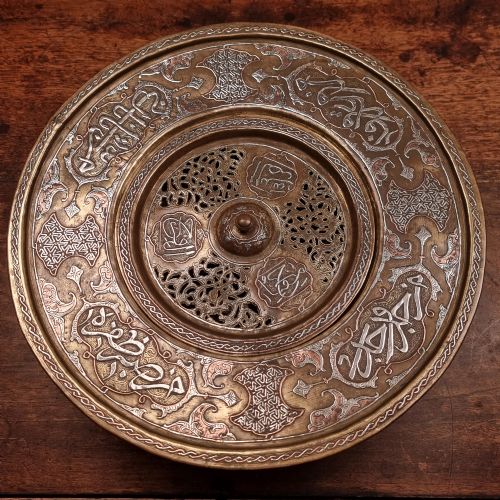
Decorative surface techniques include hand-chasing, repoussé work, and Islamic silver inlay upon brass and mixed metal grounds. Handles, pedestals and floral rims are frequently cast separately and soldered or pinned to the main body.
A railway carriage once relied on a first class sleeping compartment sink made of silver plate.
Evaluating quality
Quality rests upon the crispness of hand-chased and repoussé detailing against the metal body, and the structural integrity of pierced gallery work. Superior vessels show clean solder joins on applied cast handles and feet, maintaining balance and symmetry.
The presence of original fitted cases, matching sifter spoons, and undamaged glass liners elevates a piece. Furthermore, clear assay office hallmarks and identified makers demonstrate the standard of the metal and the provenance of the workshop.
Daniel Arter·Mappin & Webb·Barker Ellis·Paul Storr·John Kincard·Hukin & Heath
The Antique Silver Basin Glossary
- Repoussé
- A metalworking technique where the artisan hammers the design from the reverse side to raise relief ornamentation on the front. This creates tactile, three-dimensional surface patterns.
- Planishing
- The process of smoothing and shaping metal with a flat-faced hammer, leaving subtle, controlled facets across the surface. It proves the work was beaten by hand.
- Cairoware
- Nineteenth-century brass and mixed metalwork inlaid with silver and copper, originating from Cairo and popular during the Victorian period. These vessels display dense geometric and calligraphic motifs.
- Pierced
- Work cut through the metal sheet to form openwork patterns such as lattices, scrolls or floral borders. It lightens the visual weight of heavy silver bowls.
Antique Silver Basin: Frequently Asked Questions
What was an antique silver basin used for?
These vessels served diverse functions depending on their scale and form, ranging from dining table sugar service to washing and personal hygiene. Smaller footed bowls and baskets held sugar lumps or fruit at tea, while larger basins accommodated water for washing.
Industrial and domestic examples also included railway compartment sinks and bathroom fixtures, showing that the designation applied across both formal dining and utilitarian plumbing.
How do I clean antique silver?
Cleaning requires a soft microfiber cloth and a mild, non-abrasive silver cream applied with gentle pressure. Avoid harsh dipping solutions, particularly on pieces with dark oxidised highlights or delicate pierced work.
If the basin includes a glass liner or mixed metal inlay, remove the insert and keep moisture away from vulnerable joints and backing materials during the polish.
How do I tell Victorian from Georgian silver?
Georgian silver generally exhibits heavier gauge metal with simpler, classical proportions, reflecting neoclassical or rococo design influences. Maker's marks and duty marks from this period help pinpoint the exact decade of manufacture.
Victorian pieces introduce greater variety in surface decoration, such as heavy repoussé, elaborate floral chasing, and the widespread adoption of coloured glass liners and electroplating.
Are glass liners original to the bowls?
Many baskets and sugar bowls retain their fitted cranberry or cobalt glass liners, which were blown and ground to sit securely within the pierced silver frame. Original liners match the exact contours and depth of the metal basket.
Replacements do occur, so examine the rim fit and glass colour consistency against known period manufacturing standards to confirm originality.