

Antique Silk Tapestry
When you search for antique silk tapestry, you are looking at centuries of hand-woven wall art and embroidered textiles designed to transform an interior.
Antique Silk Tapestry
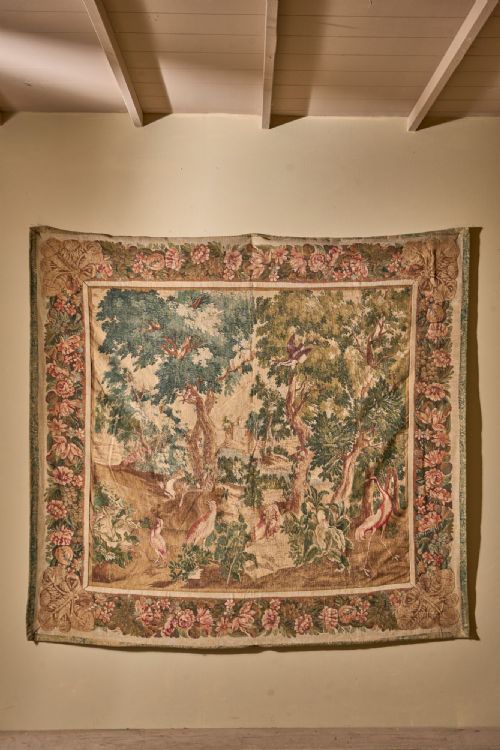
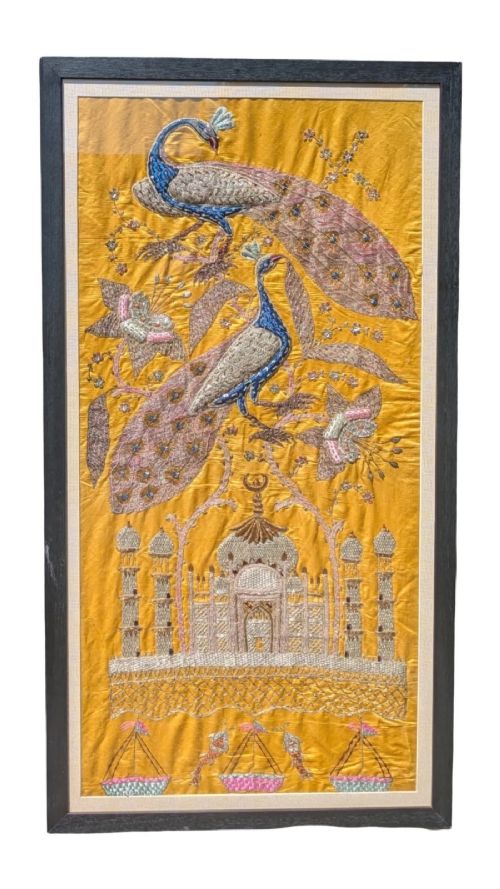
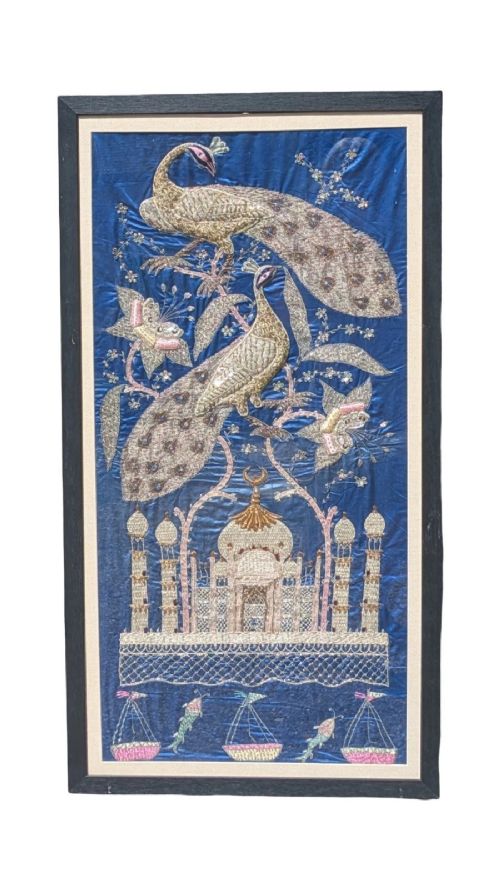
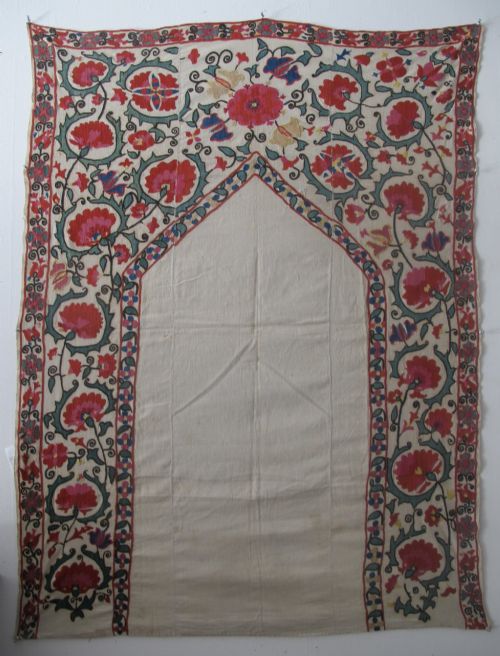
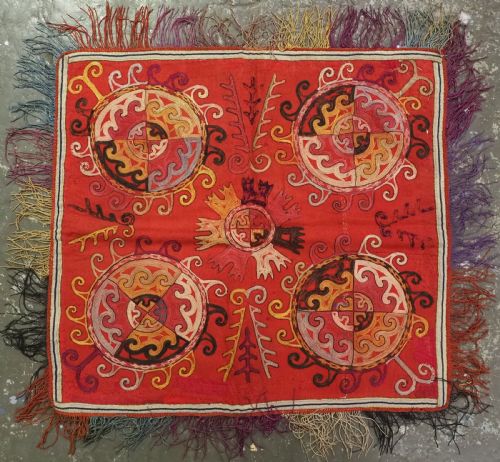
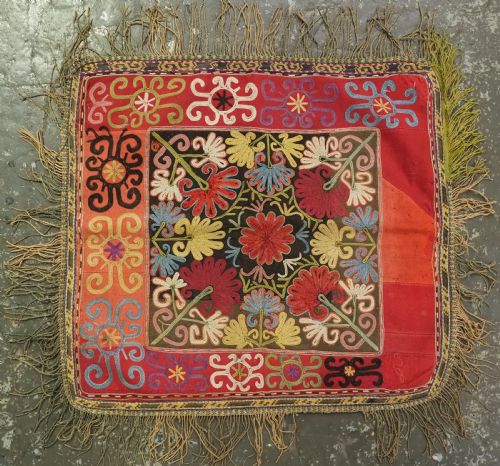
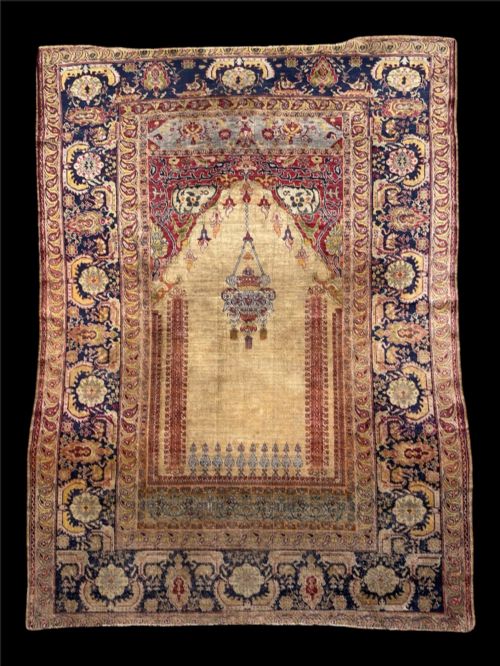
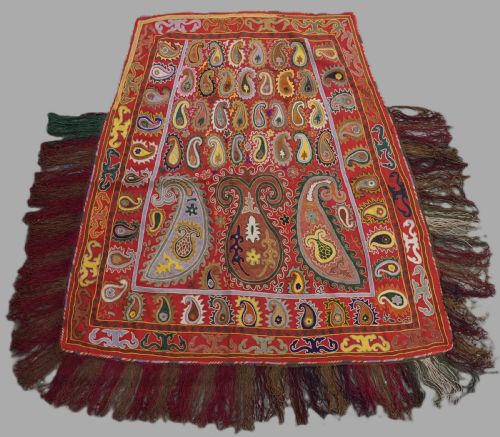
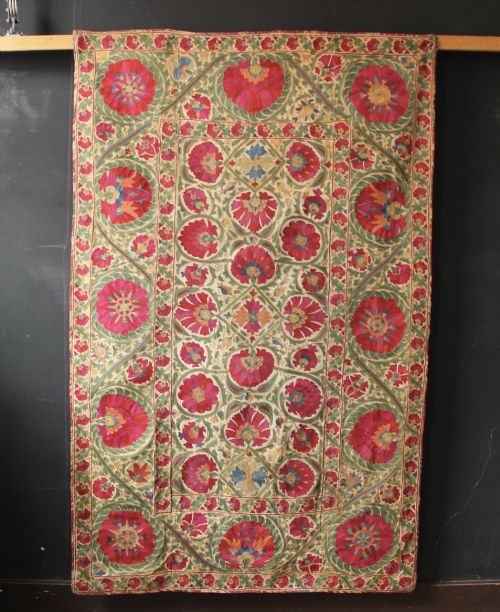
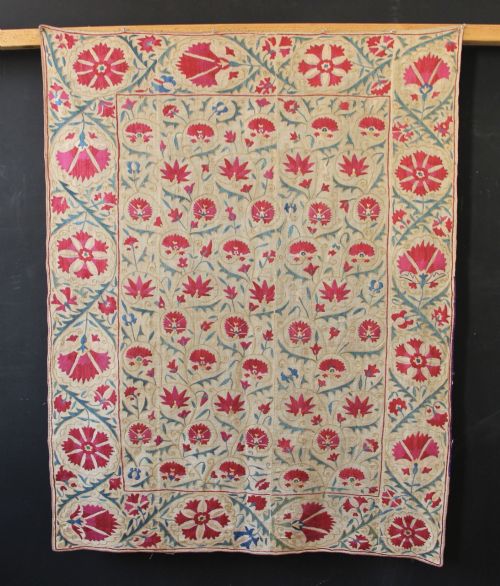
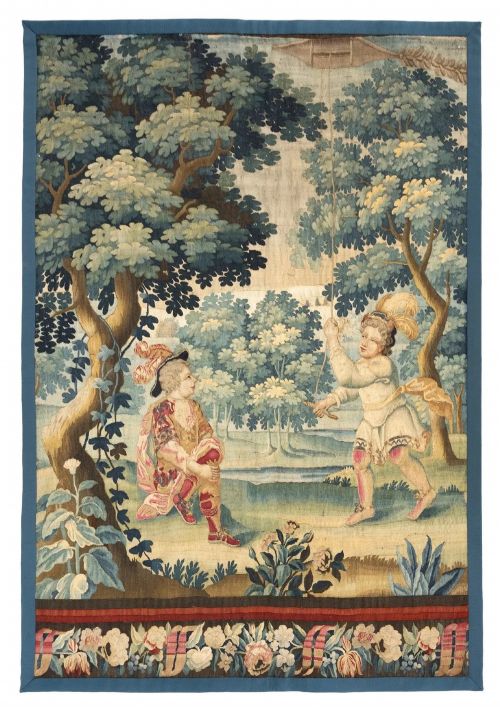
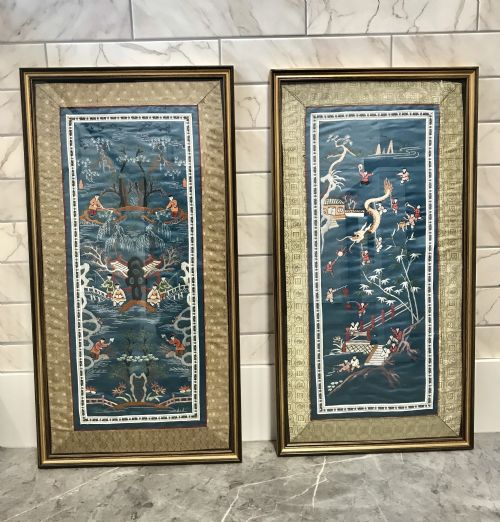
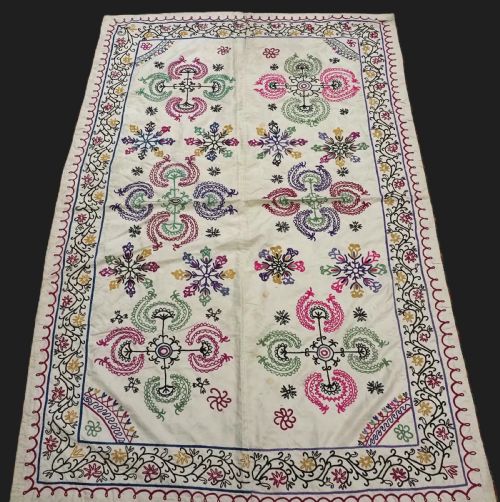
When buyers search for an antique silk tapestry, they encounter a broad category that spans European woven wall hangings and intricate Central Asian embroideries. The pieces on this page range from grand seventeenth-century Flemish panels and French verdures to nineteenth-century Uzbek suzanis and Chinese silk embroideries.
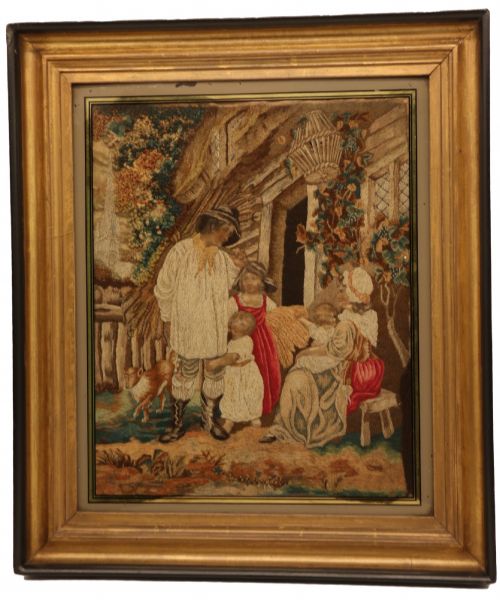
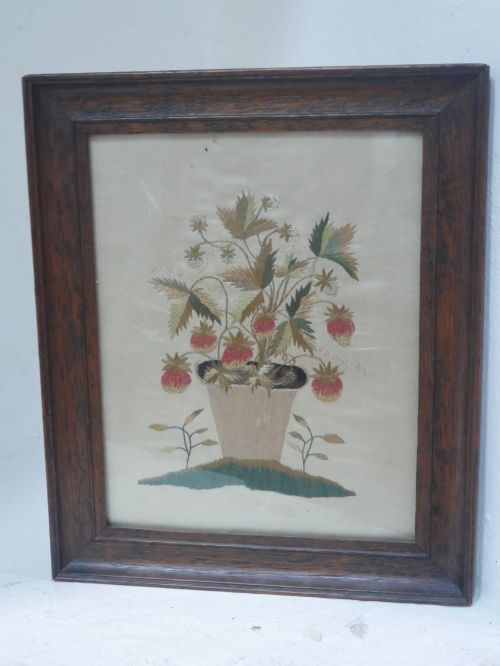
The most common regional variants seen here are Central Asian suzanis and ikat panels, alongside European needlework pictures and Flemish woven panels. Forms include wall hangings, framed textile panels, bell pulls, and embroidered textile art.
These works bridge utility and decoration, serving historically as dowry items, ceremonial covers, or grand wall insulation and display for affluent homes.
How they were made
The materials recorded in these listings rely heavily on natural textiles, combining silk embroidery threads or woven silk with wool, cotton, and linen foundations. Metal threads, glass beads, and felt applique work also appear in specific regional traditions such as Persian Rasht embroideries and Dutch framed works.
Techniques diverge between European loom-woven tapestries from centres like Audenaarde and detailed needlework or tambour embroidery practiced by Central Asian and English makers. Many are worked by hand with silk on silk, cotton, or felt grounds, occasionally mounted under glass or framed in gilded wood.
Antique Silk Tapestry Retail Price Guide 2026
Typical asking prices for silk tapestry among the pieces listed under this phrase on Sellingantiques today, from the lower quarter to the upper quarter. They describe what is for sale here now, not the wider market.
Materials recur across wool, cotton, linen, and felt, alongside primary silk threads and occasional glass bead embellishments.
What varies in quality
Quality in these textiles rests upon the density of the stitching or the complexity of the loom weaving, alongside the clarity and preservation of the design. Fine suzanis and early Flemish panels demonstrate meticulous needle control or intricate warp and weft management that defines their artistic merit.
The integrity of the ground fabric and the survival of fugitive natural silk dyes further separate standard examples from exceptional pieces. Completeness matters significantly, distinguishing intact panels and matching pairs from fragmented remnants.
The Antique Silk Tapestry Glossary
- Suzani
- An embroidered tribal textile originating from Central Asia, traditionally worked in silk on a cotton or linen ground as part of a bride's dowry.
- Ikat
- A dyeing and weaving technique where the warp or weft threads are tie-dyed before being woven into patterned fabric panels.
- Verdure tapestry
- A landscape-themed woven wall hanging dominated by foliage, trees, and often birds or animals, popular in European rooms from the seventeenth century.
- Lakai
- A nomadic Uzbek tribe known for distinctive, energetic geometric and figurative dowry embroideries and animal caparisons.
- Rasht embroidery
- A traditional Persian textile art utilising intricate silk and felt applique work to create dense floral and star medallion patterns.
- Long stitch
- An embroidery technique using parallel stitches of varying lengths to create pictorial scenes, frequently found on English and European framed pictures.
Antique Silk Tapestry: Frequently Asked Questions
How should I hang a fragile textile?
Heavy woven panels and delicate silk embroideries require even weight distribution across a supportive wooden batten or conservation-grade mount. Direct gluing or improper pinning damages the silk fibres.
Keep pieces away from direct sunlight to protect natural silk dyes from fading. Professional framing under UV-filtered glass suits smaller needlework panels and silk pictures.
What is the difference between a suzani and a tapestry?
Suzanis are embroidered textiles created with needle and thread on a pre-woven foundation fabric, typically originating from Central Asian regions like Uzbekistan. They functioned as wall hangings, bed covers, or dowry items.
Tapestries are woven directly on a loom, integrating the design into the structural warp and weft threads during production. European Flemish and French examples represent this woven tradition.
Can I clean an antique silk wall hanging?
Water cleaning or standard domestic washing destroys historic silk fibres and fugitive natural dyes. Surface dust should only be gently removed with low-suction vacuuming through a protective mesh screen.
For deeper cleaning or structural stabilization, consult a professional textile conservator rather than attempting chemical treatments at home.
How do I date an antique embroidery?
Dating relies on stylistic motifs, regional colour palettes, and the composition of the base materials. For instance, nineteenth-century Central Asian suzanis display specific tribal motifs that evolved across decades.
Examining the reverse side reveals the consistency of the silk threads and hand-spun foundations, helping to distinguish older traditional pieces from later reproductions.