

Antique Signed Watercolour Picture
An antique signed watercolour picture brings the hand of a named past maker directly onto the wall through pigment on paper.
Antique Signed Watercolour Picture
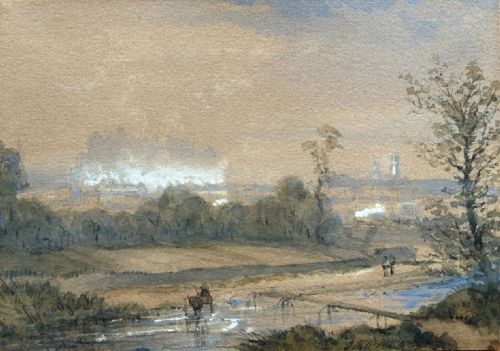
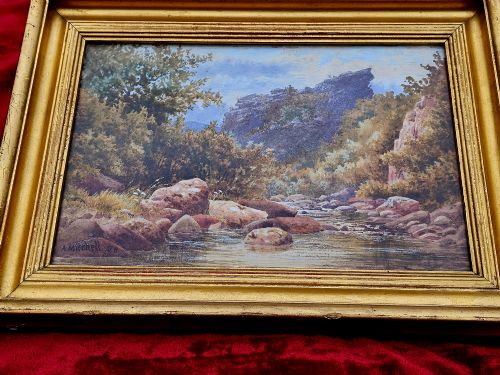
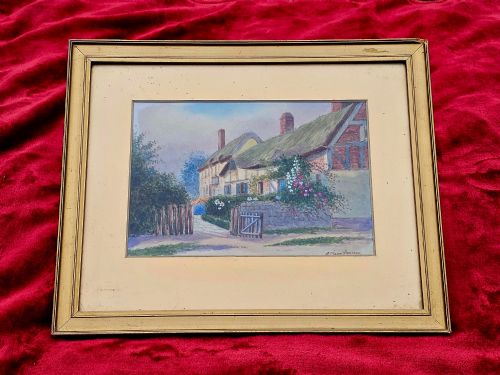
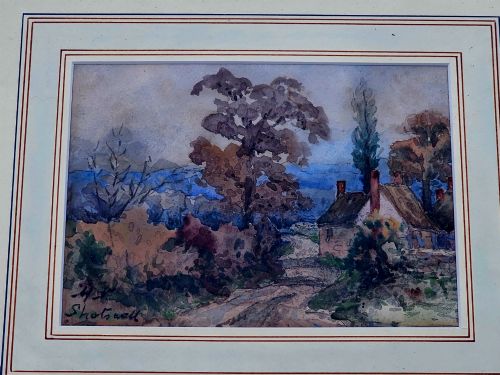
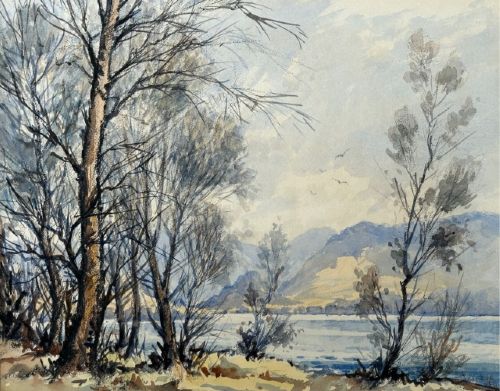
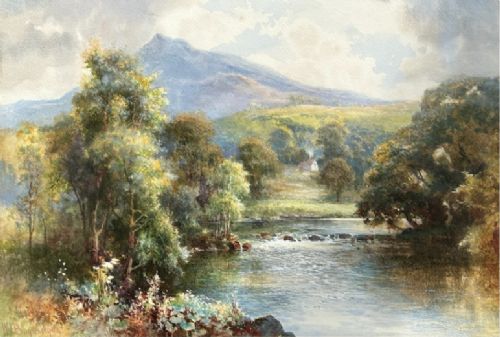
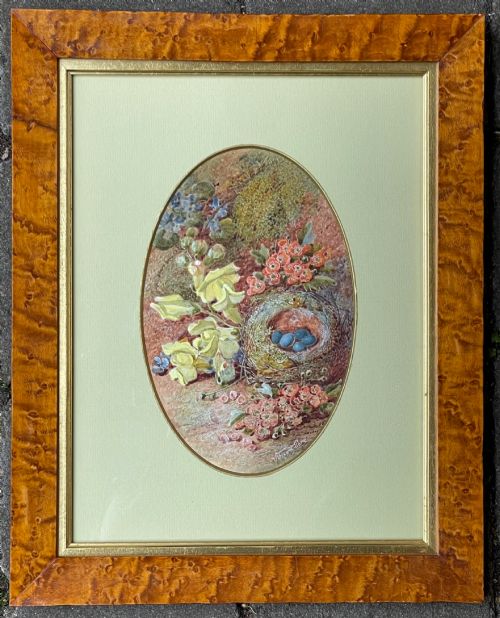
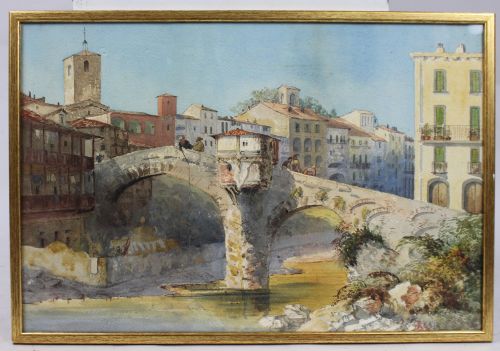
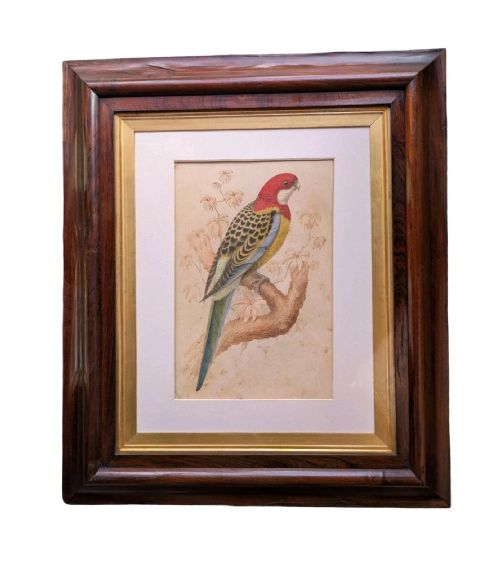
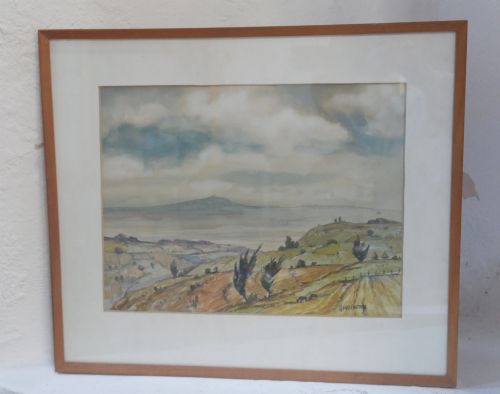
When you search for an antique signed watercolour picture, you encounter works spanning the nineteenth century through to the mid-twentieth century, including Victorian and Edwardian examples. The most common versions on this page are framed British landscapes, coastal scenes, and botanical studies executed on paper.
The selection encompasses specific regional views from Scotland, Wales, and Yorkshire alongside maritime subjects and still life paintings. These pieces take the form of wall art and framed paintings, often bearing the distinct signature of the artist on the front.
Makers range from Royal Academy exhibitors to regional painters working in styles that transition from Victorian naturalism to impressionism and modern British art. Each piece functions as a unique painting rather than a mechanical reproduction.
Materials and technique
Works are executed using watercolour paint and pigment applied to paper, sometimes supplemented with gold leaf or pencil work. Many examples incorporate glass and wood within their period frames to protect the delicate paper surface.
Artists built up their compositions through transparent washes of watercolour pigment to capture light and atmosphere on paper. Frames typically utilise period wood moulding, occasionally enhanced with gilt details.
Listings feature works created across the nineteenth and twentieth centuries, spanning the Victorian and Edwardian eras up to the 1940s.
What separates the finest examples
Quality rests upon the sureness of the brushwork and the preservation of the pigment against fading from light exposure. Stronger works demonstrate confident handling of wash and line rather than hesitant corrections.
The sophistication of the composition and the clarity of the artist's signature elevate certain pieces above standard topographical records. Original framing that complements the period of the artwork also adds to the integrity of the piece.
George Lorain Stampa·George Fotherly Hargitt·William Henry Earp·William Cannon·John R Prentice·A. Mitchell·A. Marie Parsons·William Joseph Boyes·Vincent Clare·R. Hurst·Dumont·Alfred George Morgan·Harry Wanless·Cuthbert Crossley·Basil Nightingale·William Tuck·F J Aldridge·Henry Bailey·L Sommer·Robert Buchan Nisbet·Frederick William Booty·Kate E Booth·Thomas Woolnoth·Edith E Caswall·Grace Hastie
The Antique Signed Watercolour Picture Glossary
- Watercolour paint
- A medium consisting of colour pigments suspended in a water-soluble vehicle, applied to paper support. It allows for transparent washes that let the white of the paper reflect through the pigment.
- Gilt frame
- A wooden picture frame covered with a thin layer of gold leaf or metallic gilt gesso. These frames often match the specific period of the artwork they enclose.
- Diptych
- A painting comprising two distinct panels hinged or presented as a matching pair. This format appears in landscape and coastal views from the early twentieth century.
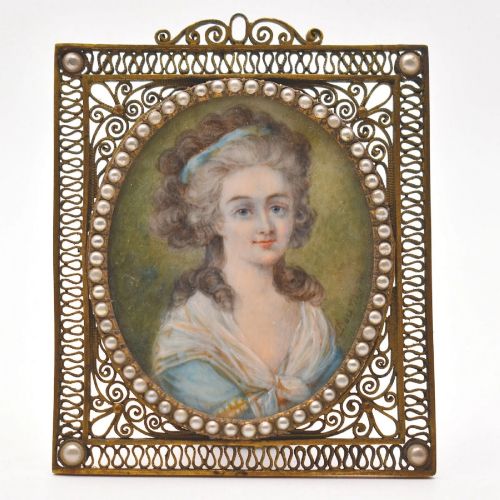
- Portrait miniature
- A small, highly detailed painting depicting a person, executed on materials such as paper or vellum. These works often feature delicate brushwork requiring a magnifying glass.
- Impressionism
- A style of painting emphasising light and its changing qualities rather than rigid linear detail. In watercolour, this manifests as looser brushstrokes and suggestive forms.
Antique Signed Watercolour Picture: Frequently Asked Questions
How do I hang a watercolour safely?
Keep watercolours away from direct sunlight to prevent the pigments from fading over time. Glazing with protective glass helps shield the paper from environmental moisture and atmospheric dust.
Ensure the frame hangs on a stable wall away from radiators or damp zones. Professional framing with acid-free mounts further protects the paper from chemical degradation.
Are these works always original paintings?
The listings comprise original hand-painted works executed directly onto paper by the named artist. Each piece relies on wet pigment rather than commercial printing techniques.
Signatures indicate the direct hand of the creator rather than a facsimile reproduction. Close inspection reveals the texture of the brush against the paper surface.
How do I identify the period of a frame?
Period frames often utilise traditional construction methods, such as corner mitres joined with wooden slip blocks and secured with old fixings. The type of gilding and wood grain will match the stylistic era of the painting.
Original frames show consistent age wear across the wood and gilt surfaces. Replacing a frame alters the historical context, so retaining the period housing is standard practice.
What subjects are most common?
British and European landscapes form a large portion of the works, depicting scenes from Scotland, Wales, and Yorkshire. Coastal views, harbours, and maritime shipping subjects also appear frequently.
Still life studies featuring flowers and botanical subjects represent another established genre within the selection. Portraiture and architectural views complete the primary categories found on the page.