



Vintage Urban Landscape Painting
These vintage urban landscape painting works capture city streets, rooftops and industrial scenes through the eyes of artists working across the past two centuries.
Vintage Urban Landscape Painting
A vintage urban landscape painting brings city life, street scenes, and industrial architecture directly onto the wall through historical artistic interpretations. These works record metropolitan environments from the nineteenth century through the mid-twentieth century.
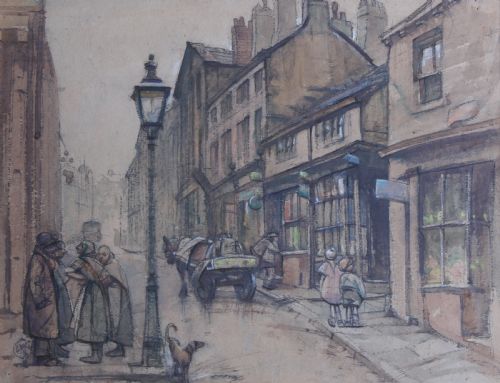
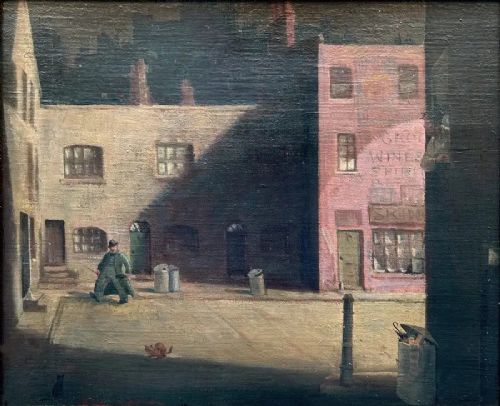
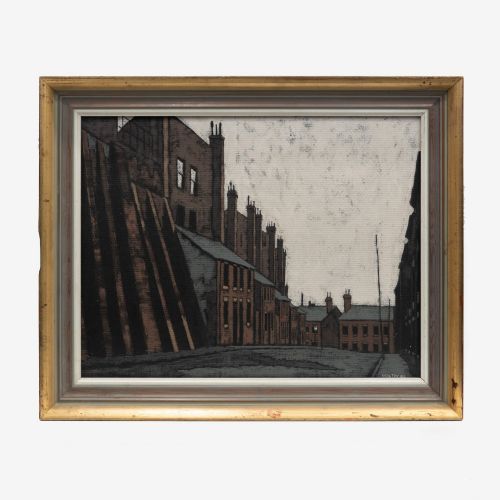
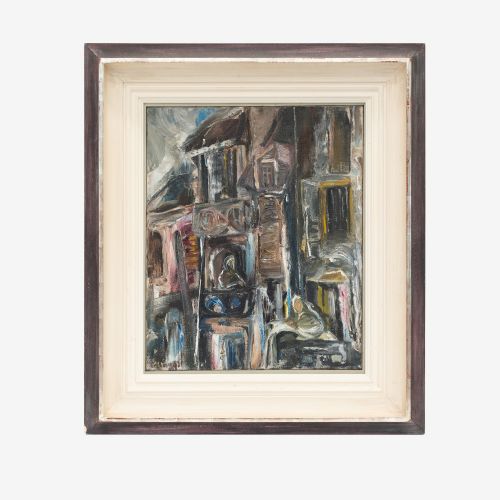
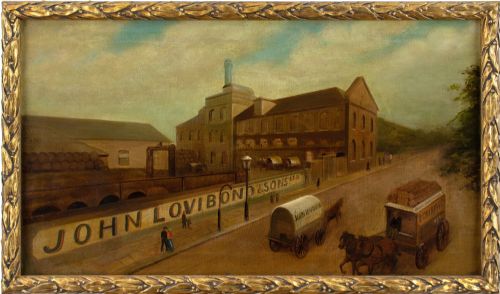
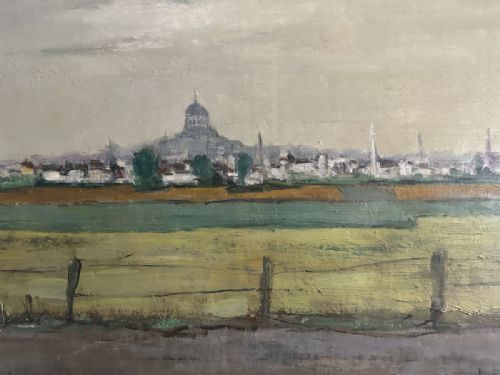
The selections available here range from detailed watercolours of London and northern English towns to impressionist and abstract oil paintings of Paris and continental cities. Many pieces focus on specific architectural forms such as breweries, flats, bridges, and snowy rooftops.
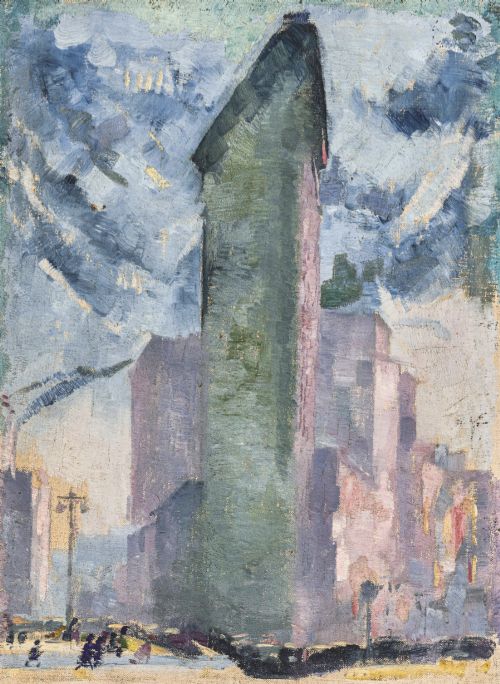
Buyers will encounter various stylistic approaches, including British impressionism, post-impressionism, northern realism, and mid-century expressionism. Works vary from intimate sketches to large canvases defined by thick impasto texture.
Materials and methods
Artists create these works primarily using oil paint or watercolour applied to canvas, wooden board, or heavy paper. Oil on canvas and oil on board dominate the selection, often featuring heavy impasto application that builds physical texture on the surface.
Watercolour paintings on paper provide lighter, more transparent studies of urban light and atmosphere, particularly in townscape scenes. Support frames frequently incorporate wooden stretches and occasional giltwood framing to complete the presentation.
Several artists preferred painting cold winter rooftops and bustling feast days over quiet country lanes.
Quality factors in urban scenes
Quality rests upon the artist's ability to handle perspective, light, and the bustling atmosphere of the city streets. Stronger works demonstrate confident brushwork and a clear sense of composition that brings concrete forms and human figures to life.
The handling of materials also distinguishes the range, particularly the skillful layering of oil paint or the controlled washes of watercolour. Works that capture a distinct sense of place and time through tone and colour stand apart from simpler decorative views.
Francisco Sancha·Alfred Wolmark·Stuart Walton·Lilian Colbourn·William Manners·Florence Hess·E A Minardo·Job de Vogel·Guillaume Urban Régamey·Rowland Henry Hill·Fred Lawson
The Vintage Urban Landscape Painting Glossary
- Impasto
- Paint applied thickly to a canvas or board, standing out in relief from the surface. This technique adds tactile dimension to buildings and street surfaces.
- Post-Impressionism
- An art movement extending beyond impressionism that prioritised symbolic content and expressive use of form and colour. Artists in this style emphasised distinct brushstrokes.
- Townscape
- An artistic representation of an urban landscape, focusing on streets, buildings, and city life rather than natural scenery. These works record the built environment of specific eras.
- Watercolour
- Paint consisting of pigment suspended in a water-based solution, typically applied to paper. It allows for luminous, transparent washes of colour.
Vintage Urban Landscape Painting: Frequently Asked Questions
How do I date an urban landscape painting?
Dating relies on architectural styles, clothing of figures, and the materials used for the support and medium. Clues often appear in the framing and any signatures or inscriptions left by the artist.
Mid-century works frequently display expressionist or abstract tendencies, whereas nineteenth-century pieces tend toward tighter realism or traditional impressionism.
What is the difference between oil on canvas and oil on board?
Oil on canvas involves paint applied to woven fabric stretched over a wooden frame, providing slight give and texture. Oil on board uses a rigid wooden or composition panel as the base.
Both mediums appear frequently across these city scenes, with boards often used for smaller sketches or plein air works.
Where should I hang a large cityscape painting?
Large cityscape paintings suit principal living areas, hallways, or studies where adequate wall space allows the composition to breathe. They work well against neutral walls that do not compete with the architectural details of the painting.
Ensure the artwork is placed away from direct sunlight to protect oil pigments and watercolours over time.
Are watercolours as durable as oil paintings?
Watercolours require more careful protection from light and moisture because paper supports and water-based pigments are sensitive to environmental factors. Proper framing behind glass with acid-free mounts preserves them safely.
Oil paintings on canvas or board are generally more robust but still benefit from stable indoor humidity and temperature.