


Grey Canvas Artwork
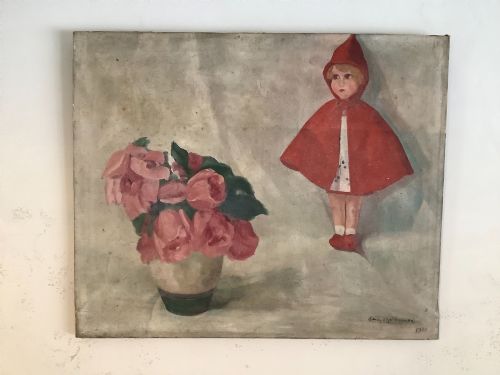
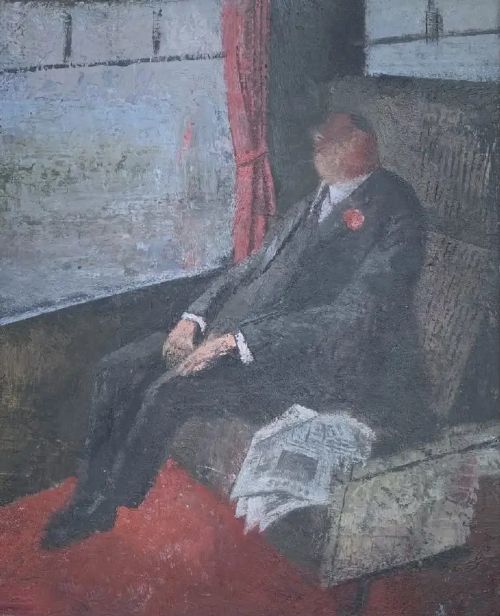
Grey canvas artwork encompasses painted oil works on woven supports spanning centuries, valued for tonal subtlety and historical depth.
Grey Canvas Artwork
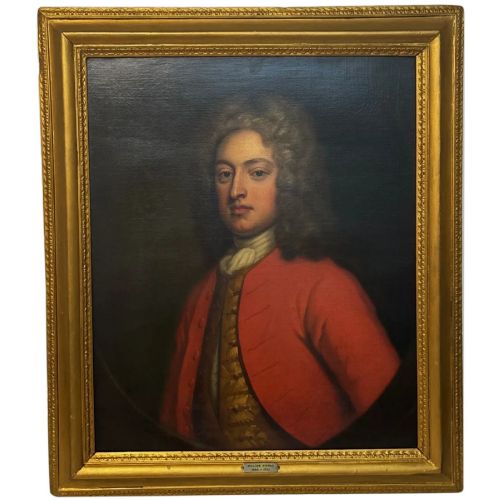
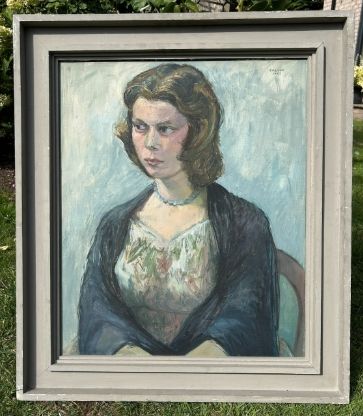
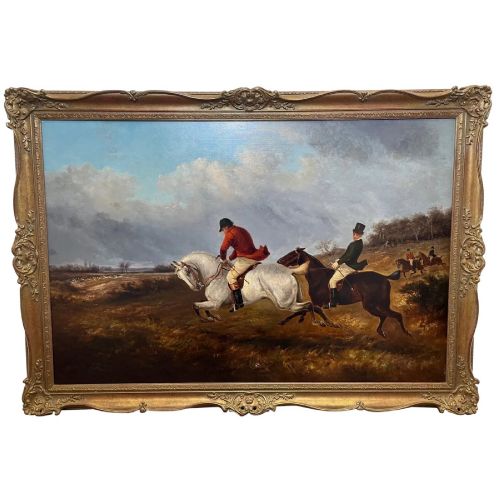
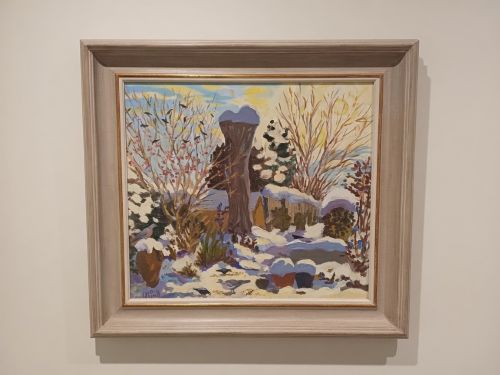
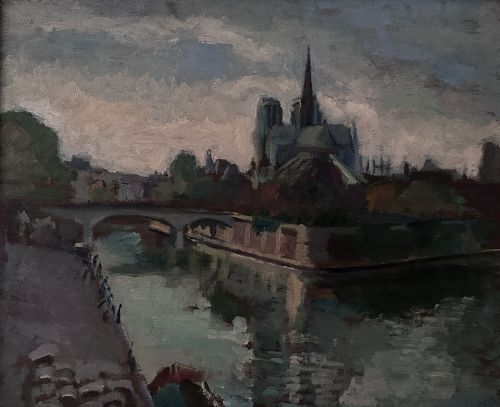
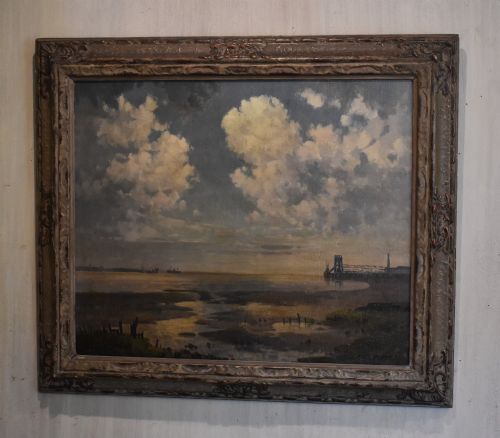
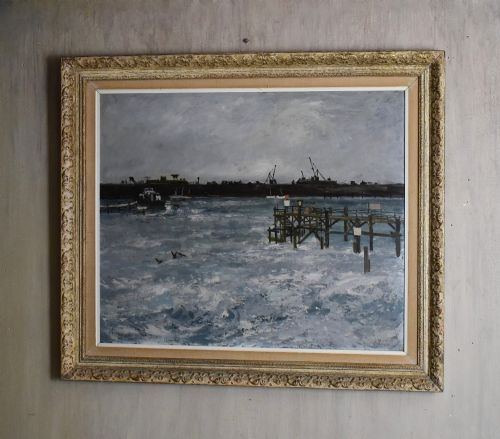
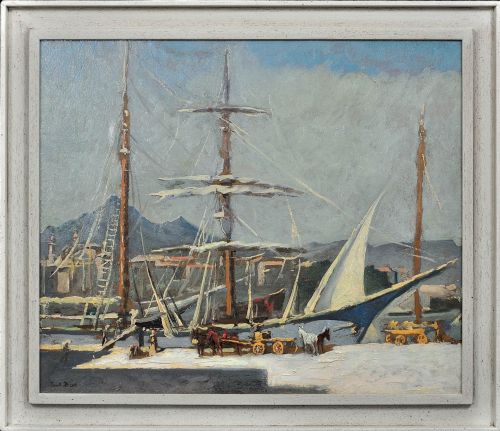
Buyers seeking grey canvas artwork encounter oil paintings executed across diverse periods including the eighteenth century, Victorian era, and mid-twentieth century. The selection ranges from maritime landscapes and equine portraits to townscapes and formal portraiture.
The dominant forms on this page include framed oil paintings on canvas and board, demonstrating styles from British Impressionism and Post-Impressionism to Modern British and Art Deco. These pieces originate from British, French, and Flemish traditions.
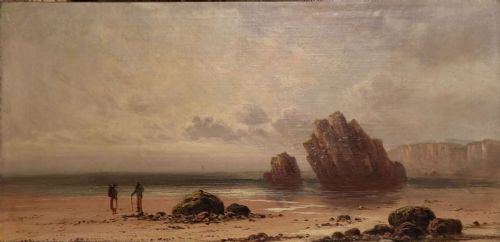
Subjects frequently feature monochromatic or muted palettes, such as depictions of grey horses, coastal seascapes, and industrial northern townscapes. This variety allows collectors to source works aligned with specific historical movements or tonal preferences.
Materials and construction methods
Artists painted primarily with oil paint applied to woven canvas supports or wooden boards, frequently housed within period wood frames adorned with gilt details. The interaction between oil pigment and canvas texture creates the characteristic surface depth found in these works.
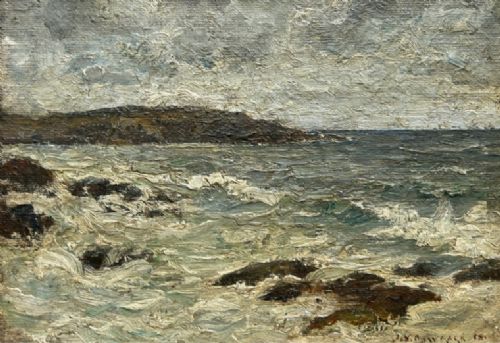
Techniques range from smooth, blended academic applications to thick impasto brushwork, depending on whether the piece stems from nineteenth-century realism or mid-century modern movements. Primed canvas provided a stable base for layering oils over centuries.
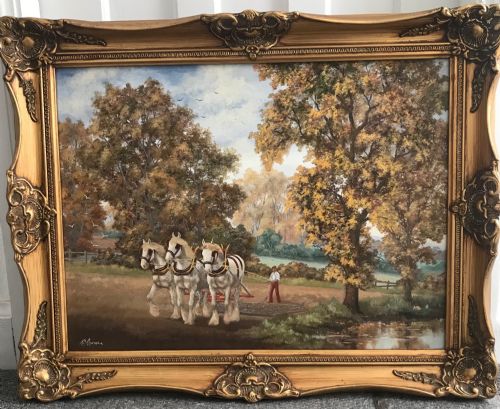
Frames serve as integral components, constructed from timber and often finished with gilt moulding to complement the tonal palette of the central canvas.
Listings feature canvases spanning from the early eighteenth century to the late twentieth century, encompassing maritime, equine, and landscape subjects.
Differentiating quality in historic canvases
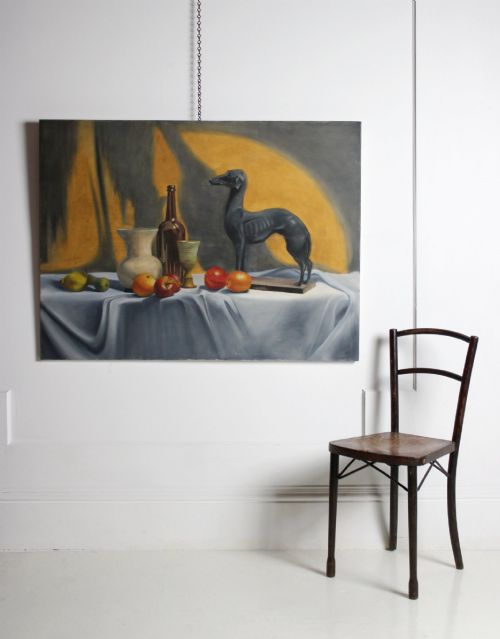
Quality rests in the dexterity of brushwork and the artist's command over tonal grey gradients to create atmospheric depth. Superior examples display confident handling of light and shadow, particularly in complex subjects like equine anatomy or turbulent seascapes.
The integrity of the original canvas and the stability of the oil paint layer distinguish exceptional pieces from lesser works. Conservation history, including relining or retouching, influences the purity of the surviving surface.
The relationship between the painting and its period frame contributes significantly to the overall standing of the work. Original matching timber and gilt frames enhance the historical context of the piece.
Kenneth Cozens·Thomas Smythe·Clive Browne·Peter Brannan·John Michael Wright·Alfred Wolmark·Brian Shields Braaq·Fred Yates·Paul Jean Anderbouhr·Fred Pailhes
The Grey Canvas Artwork Glossary
- Canvas
- A heavy woven fabric, typically made from flax or hemp, used as a support surface for oil paintings. It is stretched tightly over a wooden frame before painting.
- Impasto
- A technique where paint is laid onto a canvas in very thick areas, usually thick enough that the brush or painting-knife strokes are visible. This adds tactile dimension to the surface.
- Gilt
- A thin layer of gold leaf or gold paint applied to wooden frames or decorative objects. It provides a reflective border that isolates the painting from its surroundings.
- Oil Paint
- A slow-drying paint made of pigment particles suspended in a drying oil, commonly linseed oil. It allows for rich colour blending and subtle tonal gradations.
- Post-Impressionism
- An art movement developing roughly between 1886 and 1905 that extended Impressionism while rejecting its limitations. Artists sought greater emotional expression through vivid colours and distinct brushstrokes.
Grey Canvas Artwork: Frequently Asked Questions
How do I care for an oil painting on canvas?
Keep the artwork away from direct sunlight and fluctuating humidity to prevent the canvas from sagging or the oil paint from cracking. Dust the surface gently with a soft, dry brush without applying pressure.
Avoid using water or chemical cleaners on the paint surface. Consult a professional conservator if the canvas requires deeper cleaning or structural repair.
Are these paintings supplied with frames?
Most listings include the original or period-appropriate wood and gilt frame accompanying the canvas. Frame styles generally reflect the era in which the artwork was created.
Review the specific description and photographs to confirm whether the listed piece retains its historic housing or a later replacement frame.
How can I distinguish between a nineteenth-century and a mid-century canvas?
Nineteenth-century works typically employ traditional academic techniques, tighter brushwork, and darker varnishes suited to realist or romantic subjects. Mid-century pieces often reflect modernist influences with looser brush application or abstract tendencies.
Examining the stretcher bars, canvas weave, and framing materials provides additional clues regarding the age of the physical object.
What subjects are most common in grey palette artworks?
Muted and monochromatic palettes frequently appear in maritime scenes, stormy coastal views, and industrial townscapes. Equestrian portraits featuring grey horses also provide natural examples of this tonal range.
Artists utilised these subjects to explore atmospheric conditions, fog, and overcast daylight through subtle shifts in tone.