

British Watercolour
British watercolour works capture landscapes, portraits and townscapes through pigment applied directly to paper.
British Watercolour
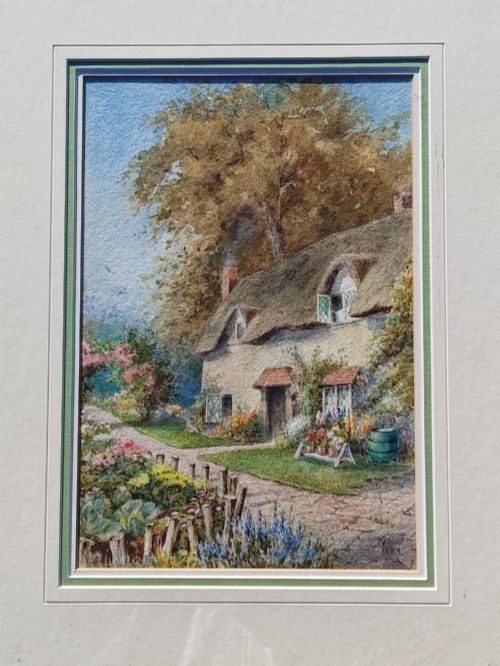
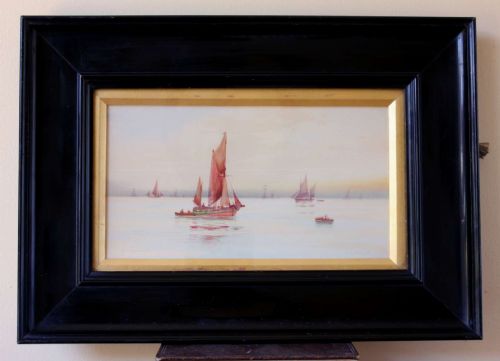
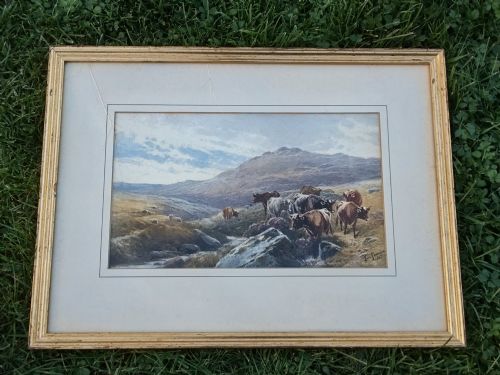
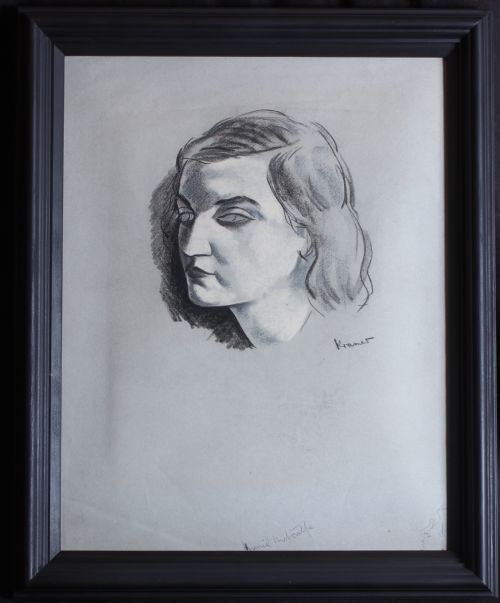
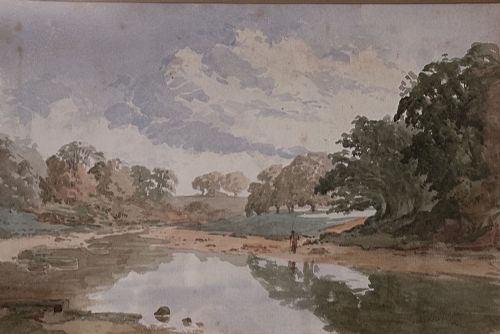
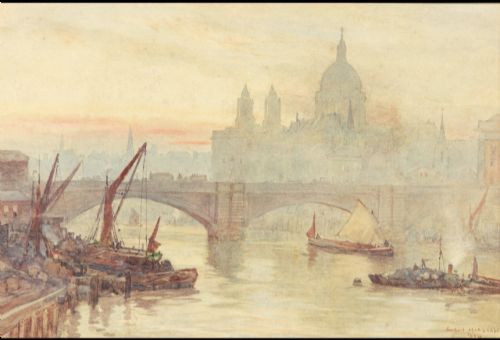
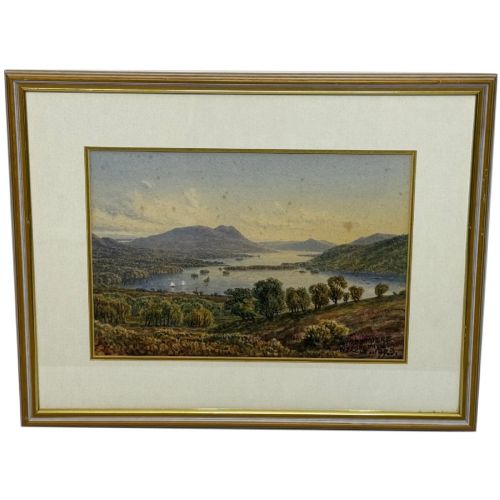
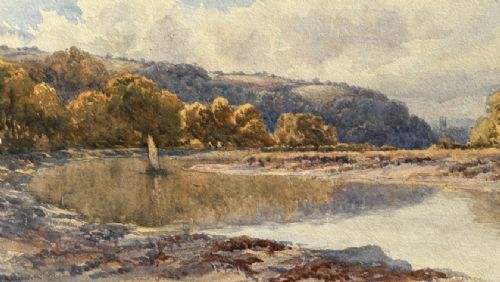
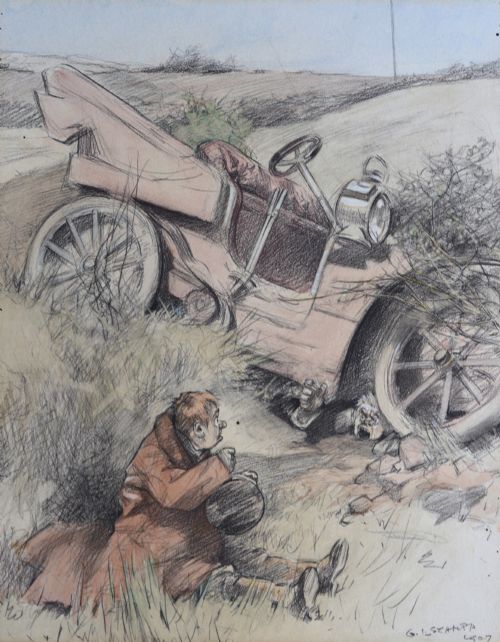
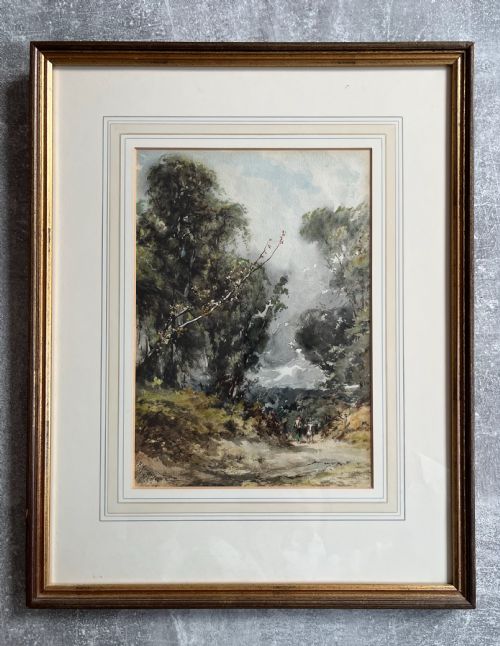
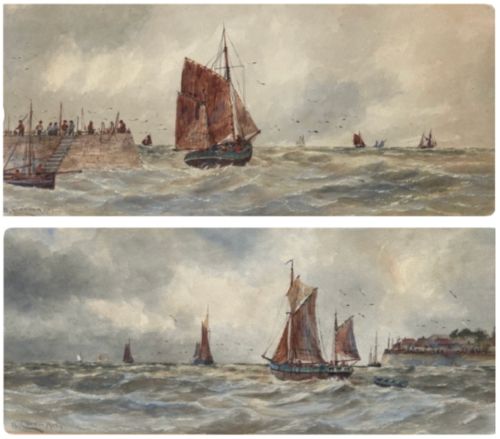
A british watercolour represents an original painting or drawing executed on paper using water-soluble pigments, often framed under glass for protection. These works span subjects ranging from serene English country pastoral scenes to detailed townscapes and coastal vistas.
The selections on this page draw predominantly from the nineteenth century, the Edwardian era, and the mid-twentieth century. Buyers frequently encounter framed paintings and original artwork signed by notable artists working within distinct British regional traditions.
How they were made
Artists apply watercolour pigment and ink onto paper sheets, sometimes incorporating gold leaf or gouache highlights to add luminosity. Works are secured within wooden frames, frequently backed by glass to protect the delicate paper surface from atmospheric moisture.
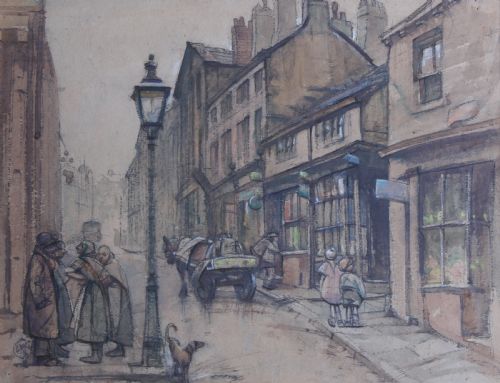
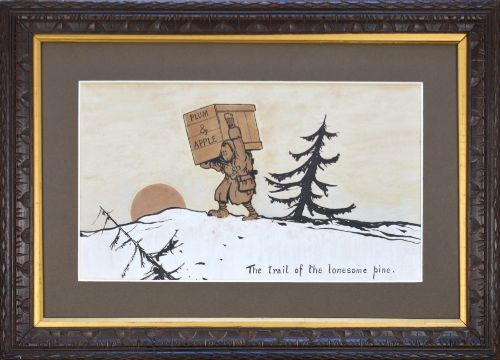
Techniques range from transparent washes that let the white of the paper illuminate the composition to denser applications of pigment combined with ink line work for architectural townscapes and portraiture.
The listings span from nineteenth-century Victorian pieces through Edwardian works up to mid-twentieth-century modern British paintings.
What varies in quality
Quality rests upon the confidence of the brushwork, the preservation of pigment vibrancy against fading, and the compositional balance achieved across the paper. Skilled hands manage pigment density to create atmospheric depth in landscapes and precise character in portraits.
The integrity of the original paper support and the harmony of the framing materials also influence the standing of a piece, distinguishing rapid sketches from fully realised exhibition watercolours.
Jacob Kramer·Herbert Menzies Marshall·William Taylor Longmire·James Orrock·Percy Lancaster
The British Watercolour Glossary
- Watercolour
- A painting method where natural pigments are suspended in a water-based solution and applied to paper. This medium allows for luminous washes and delicate colour blending.
- Giltwood
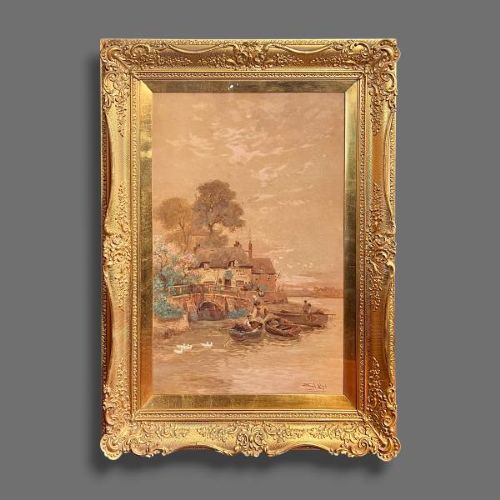
- Wood carved and coated with a thin layer of gold leaf or metallic gold paint. It frequently appears on traditional antique picture frames.
- Townscape
- An artistic representation of urban architecture, streets, and city views. These scenes document historical buildings and street life.
- Pastoral
- A genre of art depicting rural life, shepherds, cottages, and idyllic country landscapes. These subjects celebrate traditional rural scenery.
British Watercolour: Frequently Asked Questions
How should I hang a british watercolour?
Keep watercolours away from direct sunlight to prevent the pigments from fading over time. Position them on interior walls where room temperature and humidity remain stable.
Ensure the frame is properly sealed under glass to protect the paper surface from dust and atmospheric pollutants.
How do I identify a 19th-century watercolour?
Nineteenth-century works typically utilise heavy, handmade or mould-made paper watermarked with period mill dates. Stylistic cues often include detailed topographical accuracy or romantic landscape compositions.
Signatures, framing styles, and conservation notes on the reverse frequently provide clues to the exact decade of creation.
What is modern british watercolour?
Modern British works date from the twentieth century, embracing simplified forms, expressive brushwork, and modernist interpretations of landscape. Artists of this period moved away from strict Victorian realism toward more individualistic expressions.
These pieces often feature muted or earthy palettes that reflect the changing aesthetics of mid-century art.
Are these paintings original?
The selections listed comprise original hand-painted works created directly by the artist rather than mechanical reproductions or prints. Each piece displays unique brush strokes and pigment textures native to painting on paper.
Signatures and inscriptions on the front or reverse further authenticate the unique nature of the artwork.