
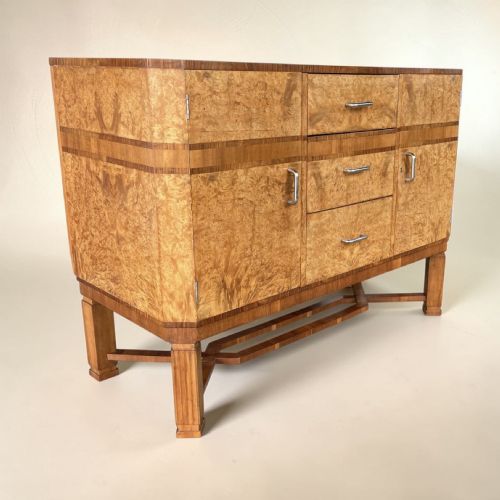
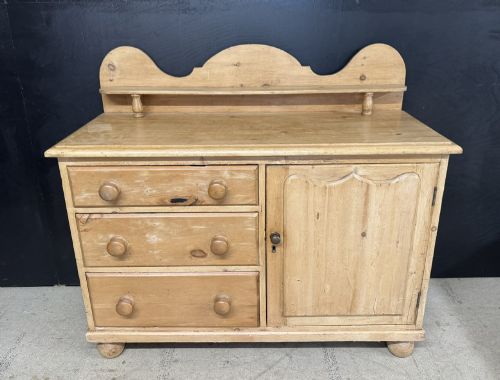
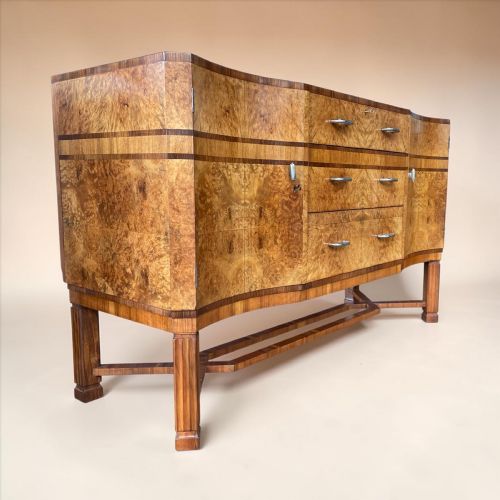
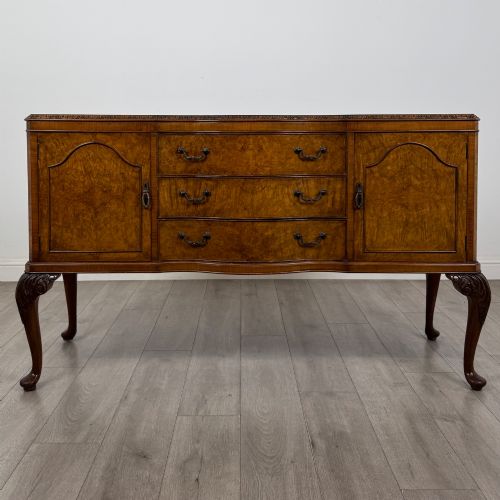

Antique Sideboard Server
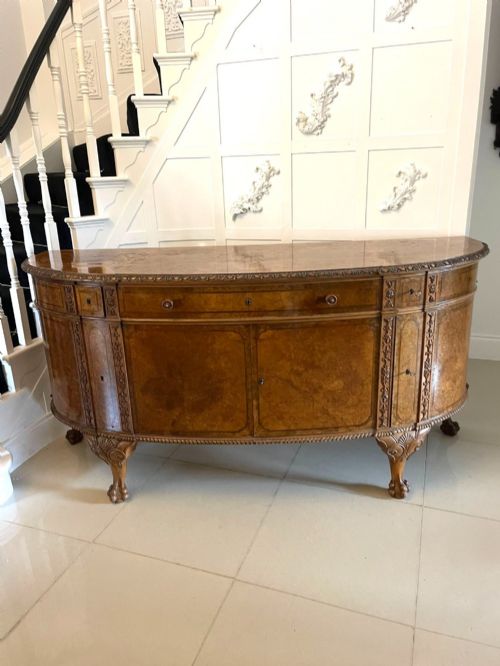
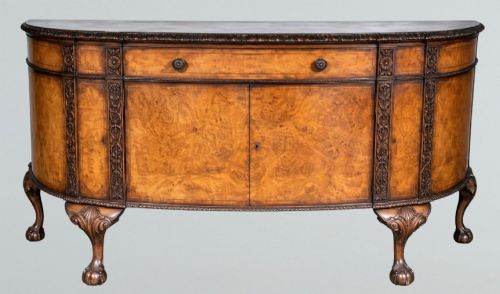
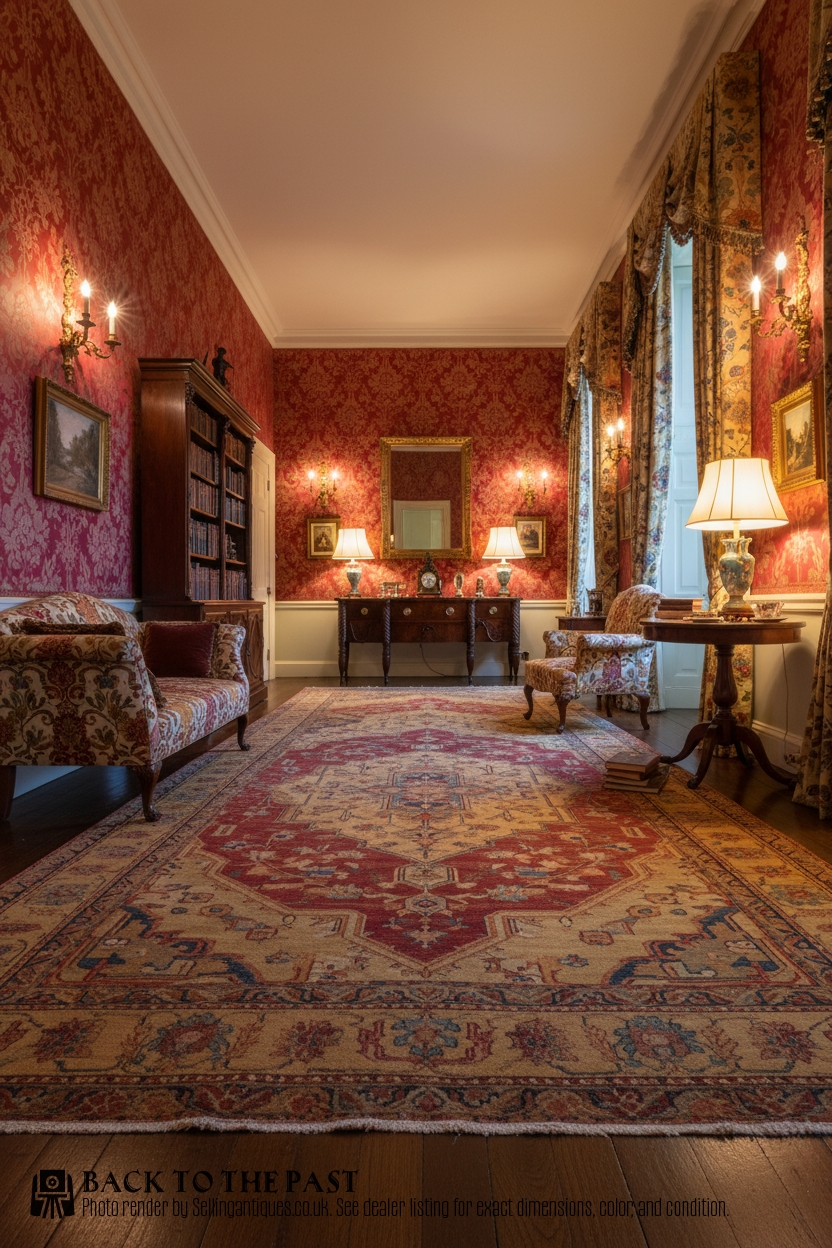
An antique sideboard server brings substantial presence and deep-grained timber to a dining room or hallway.
Antique Sideboard Server
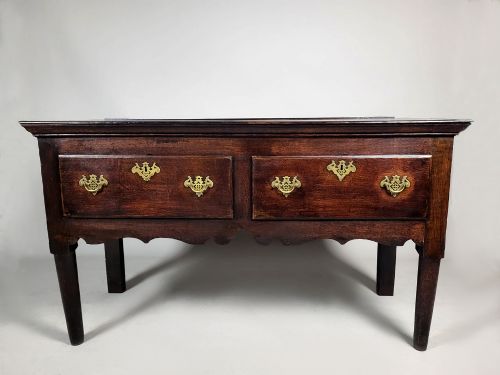
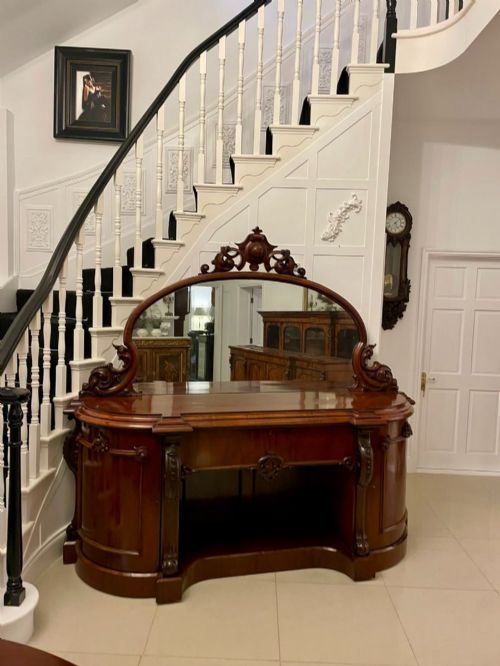
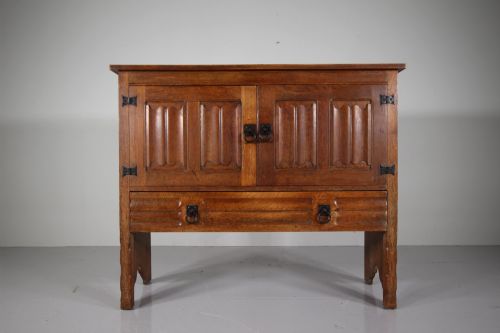
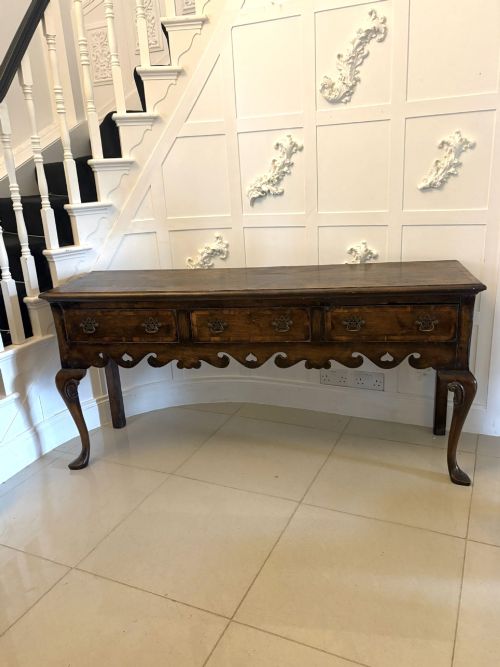
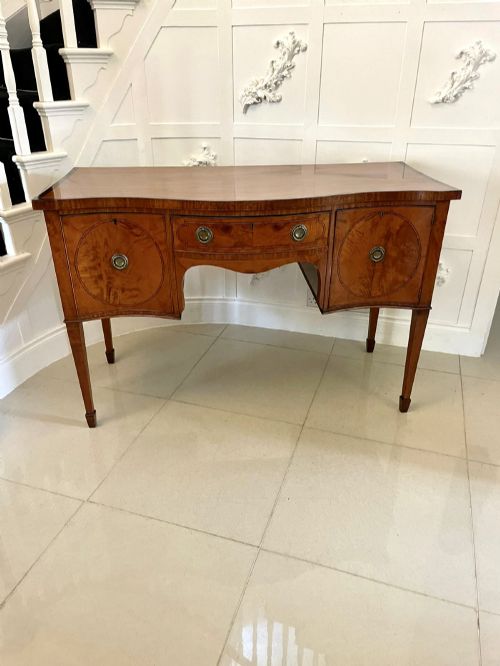
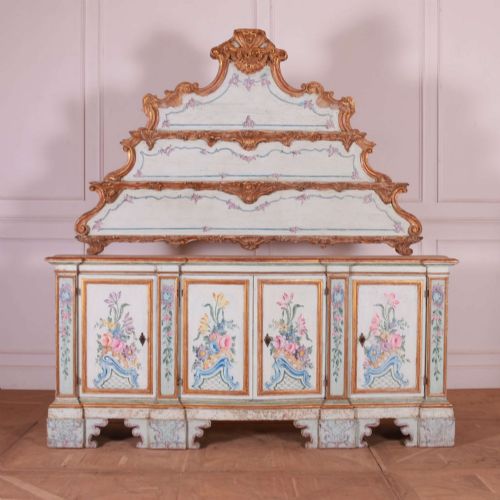
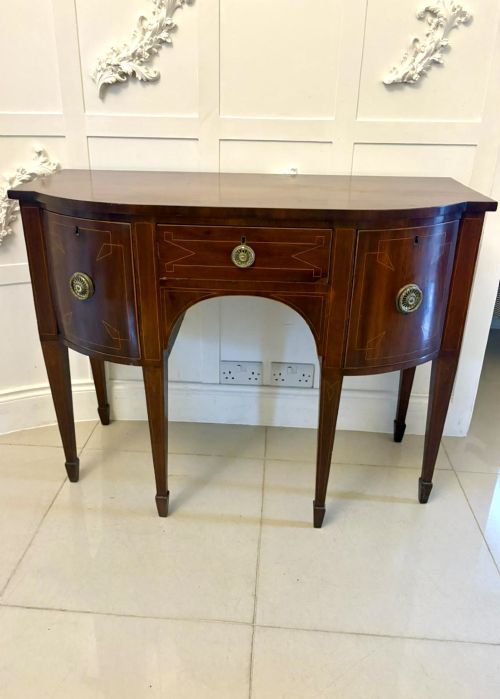
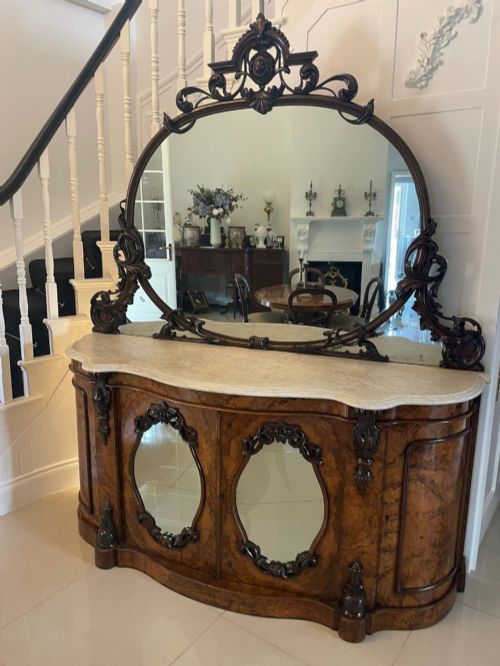
An antique sideboard server encompasses a broad family of dining and serving furniture developed to hold tableware, linen, and food service items. When exploring this phrase, buyers encounter everything from austere eighteenth-century oak dresser bases to grand Victorian flame mahogany credenzas and streamlined art deco designs. The most prevalent versions on this page combine generous lower cupboards with flat serving surfaces suited to modern domestic use.
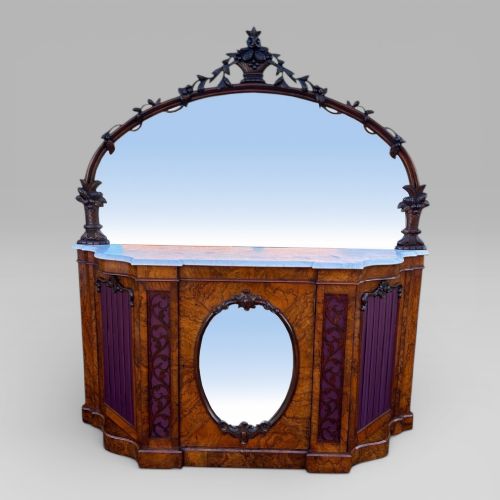
The lineage of these pieces stretches across several distinct design eras, including Georgian, Regency, and Edwardian periods. Early examples often rely on solid oak and heavy potboard bases, while nineteenth-century iterations favour rich mahogany, burr walnut, and satinwood veneers. Makers adapted these serving pieces to suit contemporary tastes, shifting from austere classical lines to heavily carved mirror backs and serpentine fronts.

Materials and Construction Methods
Cabinetmakers constructed the primary carcasses of these servers using solid timbers like oak and mahogany, often applying figured veneers such as flame mahogany and burr walnut to prominent drawer fronts and doors. These decorative veneers required steady hand-sawing and careful application with animal glues to achieve striking grain patterns. Secondary woods inside drawers typically include pine or oak, revealing the internal structure of the piece.
Joinery techniques relied on dovetailed drawer construction, mortise and tenon frames, and hand-carved decorative elements rather than mass-produced fastenings. Brass hardware, including gallery rails, drop handles, and escutcheons, added functional utility and metallic contrast to the dark wood. Where glass or marble featured on tops or upper display sections, craftsmen integrated them securely into heavy timber frames.
One unexpected server includes a complete twelve-piece cutlery set hidden neatly inside its walnut drawers.
Distinctions in Quality and Craftsmanship
Superior examples demonstrate exceptional timber selection, where veneer matches symmetrically across drawer banks and large expanses of wood display intense, natural figuring without patch repairs. The depth of hand-carving on pilasters, brackets, and lion motifs indicates the skill of the original workshop. Lesser pieces utilise plain, uniform boards and rely on simple machine-cut mouldings rather than bespoke joinery.
Internal standards separate standard production furniture from high-end commissions, visible in the thickness of drawer linings, hand-cut dovetails, and original brass fittings. Pieces bearing maker stamps or attribution to renowned workshops reflect higher standards of design proportion and structural integrity. A heavier carcass, balanced proportions, and careful timber ageing distinguish the top tier from utility items.
Hewetsons London·Maurice Adams
The Antique Sideboard Server Glossary
- Dresser base
- A low wooden storage unit featuring drawers and cupboards, originally designed for domestic food preparation and serving before upper shelving was added.
- Serpentine front
- A furniture facade shaped with a gentle concave centre flanked by convex curves, requiring expert woodworking to fit drawers accurately.
- Chiffonier
- A compact sideboard or low cupboard featuring a shelf or mirrored gallery back, popular during the Victorian period for compact dining rooms.
- Potboard
- An open lower shelf built into early oak dresser bases, traditionally used to store heavy earthenware pots and serving dishes.
- Gallery rail
- A raised brass or wooden rail fitted to the rear or sides of a serving surface to prevent dishes from sliding off during use.
Antique Sideboard Server: Frequently Asked Questions
What is an antique sideboard server used for?
These pieces function as practical storage units and display surfaces for dining rooms, hallways, and living spaces. They accommodate dinnerware, glassware, and linens within internal cupboards and drawers while providing a wide top surface for serving food.
Historically, they supported large dining services and assisted hosts during formal meals. Modern homes utilise them as sideboards, media consoles, or statement storage furniture in larger entryways.
How do I date an antique sideboard?
Dating relies on examining the timber species, construction methods, hardware styles, and overall design characteristics. Eighteenth-century pieces often show hand-sawn oak timbers and simple geometric lines, whereas Victorian items frequently feature rich mahogany, heavy carved details, or mirrored galleries.
Internal clues such as hand-cut dovetails, secondary wood choices, and original maker stamps provide further chronological evidence. Comparing the decorative motifs against known historical periods confirms the approximate decade of manufacture.
Where should I place a large sideboard?
A large sideboard requires a substantial wall space, typically in a dining room, wide hallway, or spacious living area. Ensuring adequate clearance around the piece allows doors and drawers to open fully without obstruction.
Positioning them away from direct sunlight and heat sources protects the fragile wood veneers from drying out or fading. Placing them on a level floor prevents the heavy wooden carcass from twisting over time.
What is the difference between a sideboard and a buffet?
The terms often overlap significantly in antique furniture, though buffets historically tended to be dedicated entirely to serving food. Sideboards frequently include a mix of deep drawers and cupboards designed for comprehensive tableware storage.
Both forms share similar proportions and materials, varying primarily in regional terminology and specific internal configurations. On the marketplace, sellers often categorise them interchangeably based on their primary function as servers.