


Antique Sideboard Box
These antique sideboard box examples bring centuries of functional storage and fine cabinetwork into domestic spaces.
Antique Sideboard Box
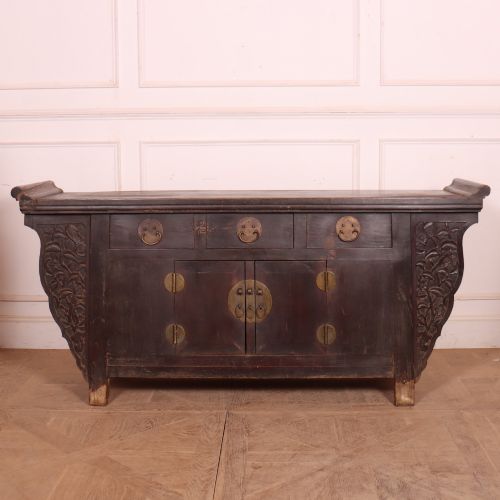
When searching for an antique sideboard box, buyers encounter an eclectic grouping of miniature cabinets, knife boxes, cutlery urns, tea caddies, and small storage chests dating from the eighteenth century onward.
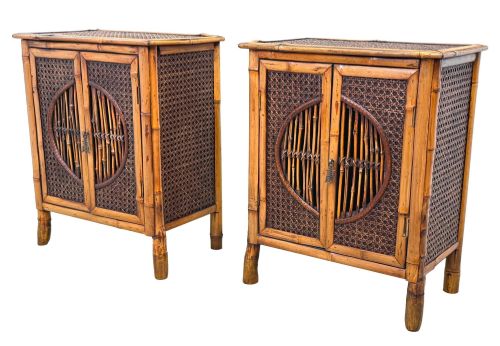
The objects span formal Georgian and Regency mahogany dining accessories alongside rustic folk art pieces, nineteenth-century military campaign chests, and intricately carved storage cabinets from overseas trade.
Domestic dining rooms and side tables provide the historical context for these lidded boxes and miniature sideboards, which were designed to hold cutlery, dry goods, or precious household items.
Materials and construction methods
Cabinetmakers utilised dense timbers such as mahogany, oak, walnut, and teak, often embellishing finer pieces with boxwood stringing, satinwood inlay, or contrasting brass mounts.
Joinery techniques ranged from dovetail construction on eighteenth-century knife boxes to heavy iron bracing and corner straps found on military transport trunks.
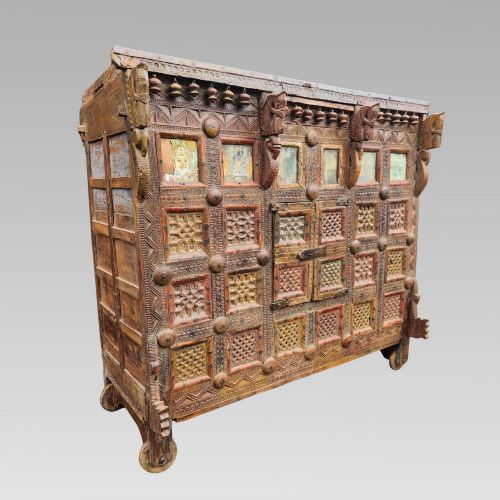
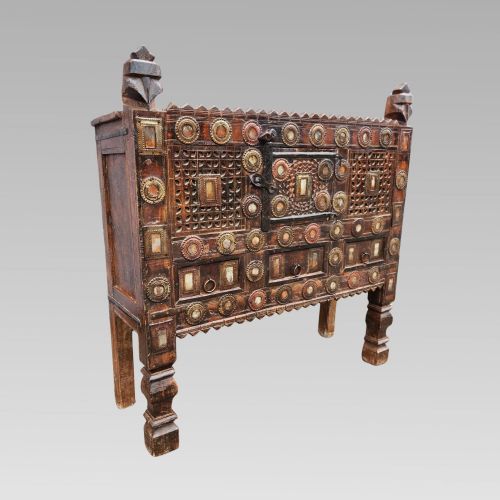
Carved surfaces appear on regional dowry chests and folk pieces, while tea caddies and miniature sideboards rely on smooth wood grains and polished veneers for their visual effect.
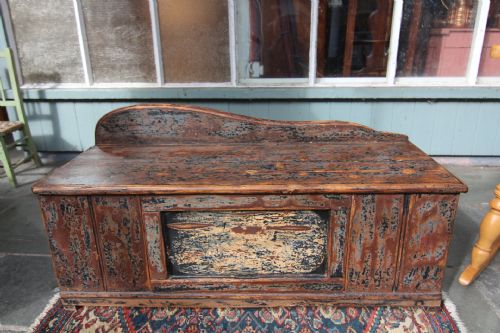
Barge box seats bring colourful folk art into the category, offering cheerful painted surfaces alongside serious mahogany furniture.
Evaluating craftsmanship and condition
Quality rests in the precision of the timber selection, such as straight-grained mahogany or figured walnut, matched against the integrity of the original hinges, locks, and handles.
Finer items display delicate proportions, sharp inlay work, and unblemished internal partitions, whereas utilitarian transport chests prioritize robust timber and durable iron hardware over decorative subtlety.
The Antique Sideboard Box Glossary
- Knife box
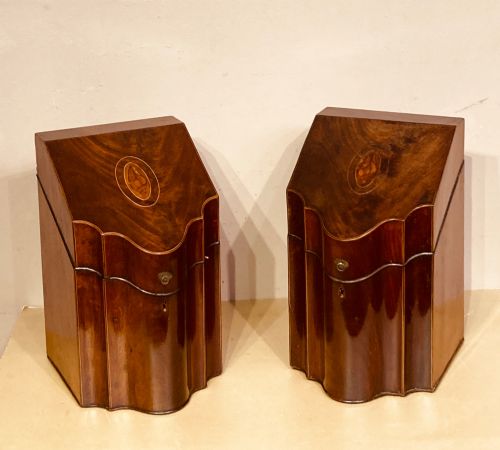
- A sloping lidded container designed in the eighteenth century to hold dining cutlery upright on a sideboard. These vessels often feature serpentine fronts and inlaid wood motifs.
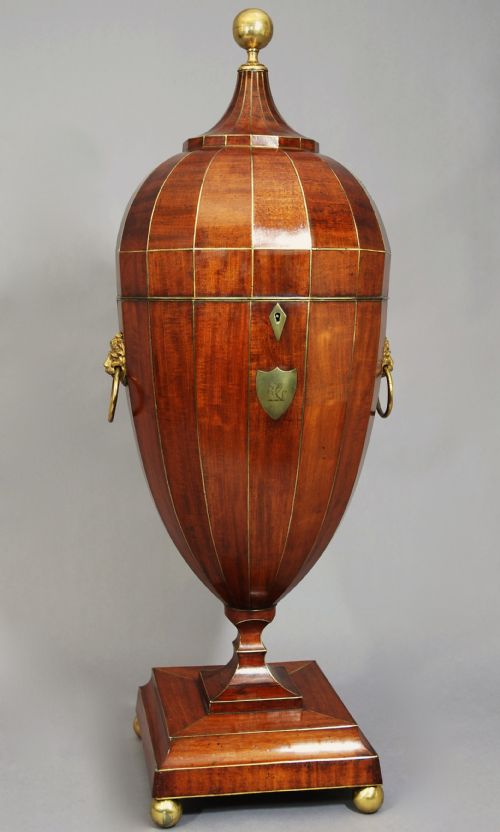
- Cutlery urn
- A vase-shaped wooden container used in formal dining rooms to store flatware before the widespread adoption of fitted canteen tables. They typically stand on a slender foot with a removable top.
- Military campaign
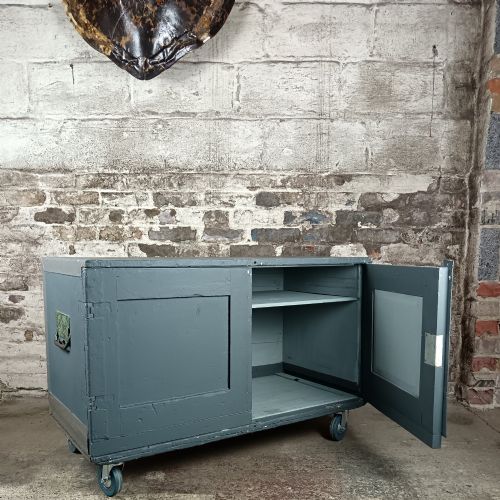
- A portable style of furniture made in sections with recessed brass handles and corner brackets for transport by officers on active service.
- Tea caddy
- A small lidded box constructed to store loose tea leaves securely away from moisture and light, sometimes styled to resemble a miniature sideboard.
- Damchiya
- A traditional carved wooden dowry chest from India featuring heavy timber construction and surface decoration used for household storage.
Antique Sideboard Box: Frequently Asked Questions
What were antique knife boxes used for?
These lidded wooden vessels sat atop sideboards in elite dining rooms during the Georgian period to store silver cutlery and knives between meals.
Their sloping lids and fitted interiors kept blades organised and protected from household dampness until service required them.
How do I date a mahogany storage box?
Dating relies on examining the timber species, construction joints, interior linings, and exterior brass hardware against known period styles.
Eighteenth-century examples often employ finely figured mahogany with dovetailing, while later nineteenth-century pieces introduce varied veneers and machine-cut elements.
Where should I place a small chest at home?
These compact pieces fit easily onto hallway consoles, side tables, or deep windowsills as accent storage for small daily items.
Their varied forms allow them to function as decorative display objects while keeping surfaces tidy.
What is the difference between a tea caddy and a miniature sideboard?
Tea caddies are dedicated lidded boxes built specifically with interior compartments for leaf storage, whereas miniature sideboards mimic full-sized dining furniture in small proportions.
Both reflect the detailed miniature cabinetwork popular across the nineteenth century.