





Antique Sheffield Silver Pot
These antique sheffield silver pot pieces bring genuine Georgian and Regency elegance to the table, offering the fused metalwork and solid silver craftsmanship that collectors prize.
Antique Sheffield Silver Pot
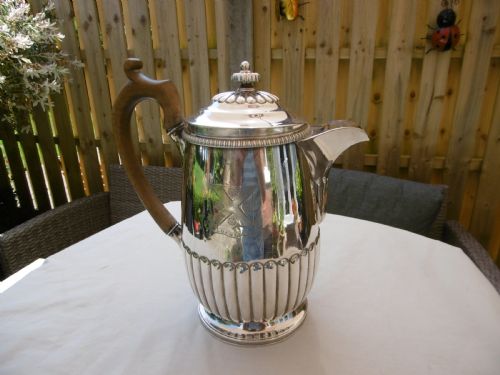
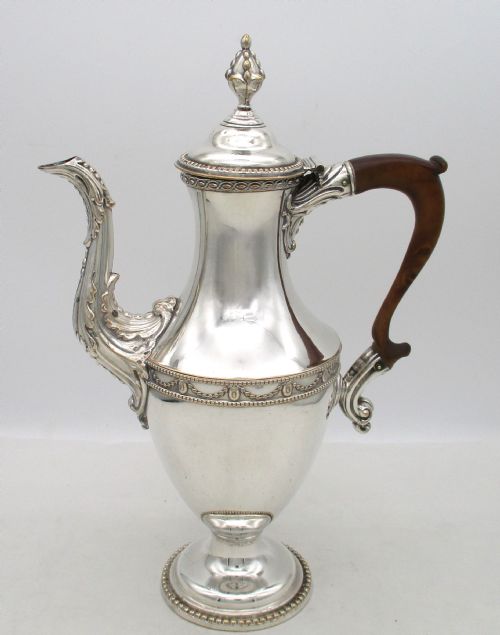
When you search for an antique sheffield silver pot, you encounter pieces spanning from the eighteenth century into the twentieth, with coffee pots, teapots, and gravy warmers dominating the selection. The eighteenth and early nineteenth centuries supply the core of the material, dominated by Old Sheffield Plate vessels alongside sterling silver tea services and condiment sets.
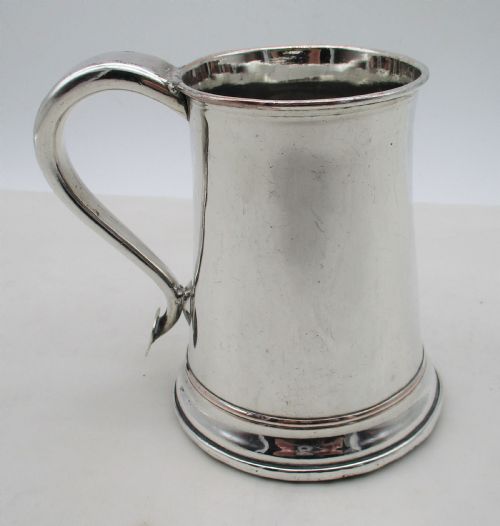
You meet distinctive forms ranging from tall coffee jugs and argyle gravy warmers to preserve pots and tankards. The Georgian and Regency periods provide the dominant styles among these listings, though later Victorian and mid-century items also appear.
Materials and Construction
The traditional pieces rely upon Old Sheffield Plate, a method of fusing a layer of silver to a copper core that creates a rich depth of metal. Makers also utilised solid sterling silver for smaller items such as mustard pots, vanity jars, and complete tea services.
Additional components incorporate wood for handles and insulators, bone details, and cut glass bodies paired with silver lids. The fusion technique of the earlier plates produces distinctive edge wires and soldered joints characteristic of the period.
Listings span from the 18th century to the 1960s, featuring materials such as Old Sheffield Plate, sterling silver, copper, glass, and bone.
Assessing Quality and Merit
The grade of an antique sheffield silver pot depends heavily upon the preservation of its fused plate and the crispness of its original marks. Pieces bearing clear maker stamps and heraldic crests command higher attention from discerning buyers.
Proportion and decorative restraint dictate the aesthetic tier of each vessel, with early handmade forms showing superior balance. Complete sets housed in their original fitted wooden cases represent the upper echelon of surviving workmanship.
Matthew Boulton·John Hoyland·Walker and Hall·Viners Sheffield·Harry Atkin
The Antique Sheffield Silver Pot Glossary
- Old Sheffield Plate
- An early composite material formed by fusing a thin sheet of silver onto a thicker copper base through heat and pressure. This technique predates modern electroplating and leaves a characteristic visible copper seam at the edges.
- Argyle
- A specialised vessel designed to keep gravy warm by means of an internal compartment filled with boiling water. These pieces often feature spouts placed low on the body.
- Hallmark
- An official stamp struck into precious metals to indicate the standard of purity, the assay office, and the year of manufacture. British sterling pieces carry these formal marks.
- Gravy Warmer
- A domestic serving pot equipped with a heating mechanism to maintain food temperature at the dining table. They appear in silver plate from the eighteenth century.
- Condiment Set
- A matching group of small pots and cruets intended for salt, mustard, and pepper during meals. They frequently survive in fitted presentation cases.
Antique Sheffield Silver Pot: Frequently Asked Questions
What is Old Sheffield Plate?
Old Sheffield Plate is an early composite material created by fusing silver to a copper ingot. This technique was used before electroplating became common.
The method produces a durable metal that wears down gracefully over centuries, often revealing thin lines of copper beneath the silver surface on high-friction areas.
How do I identify an argyle?
An argyle functions as a gravy warmer with an inner cylinder or jacket designed to hold hot water. This kept rich gravies from congealing during long meals.
Look for a double wall or a central tube accessible through the lid, which distinguishes them from standard coffee pots or teapots.
Are these pieces solid silver?
Many eighteenth and early nineteenth-century items consist of Old Sheffield Plate rather than solid silver. Master silversmiths fused silver and copper together for large hollowware.
Solid sterling silver appears more frequently in smaller condiment sets, mustard pots, vanity jars, and complete tea services from later periods.
How should I care for silver plate?
Clean these items gently using a specialised silver cloth or mild cream designed for antique metals. Avoid harsh chemical dips that strip the character from older surfaces.
Old Sheffield Plate requires particular care to protect the thin silver layer from aggressive polishing that might expose the underlying copper core.