


Antique Sheffield Plated Tankard
An antique sheffield plated tankard brings sturdy Georgian character to the table, fused from copper and silver before electroplating took over.
Antique Sheffield Plated Tankard
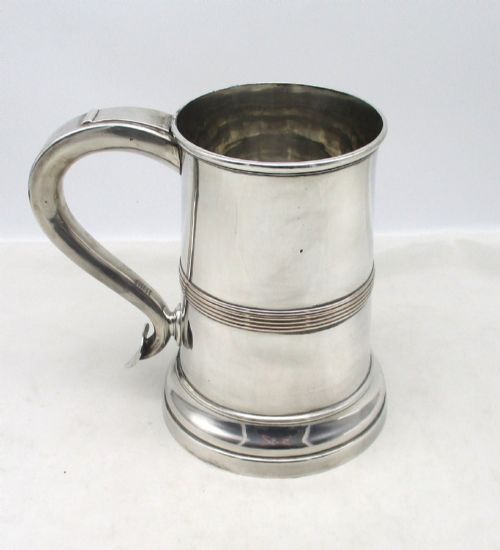
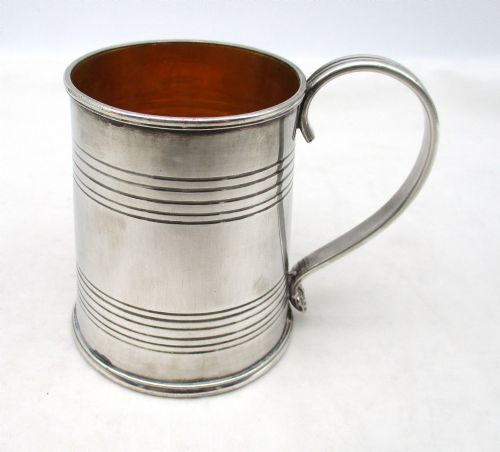
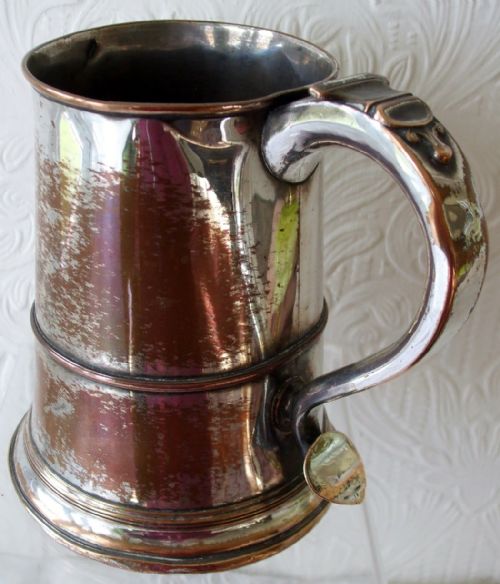
When you search for an antique sheffield plated tankard, you encounter drinking vessels spanning the eighteenth and nineteenth centuries, including the Georgian and Regency periods. These heavy drinking vessels appear as pint and quart tankards, beer jugs, loving cups, and smaller child's mugs.
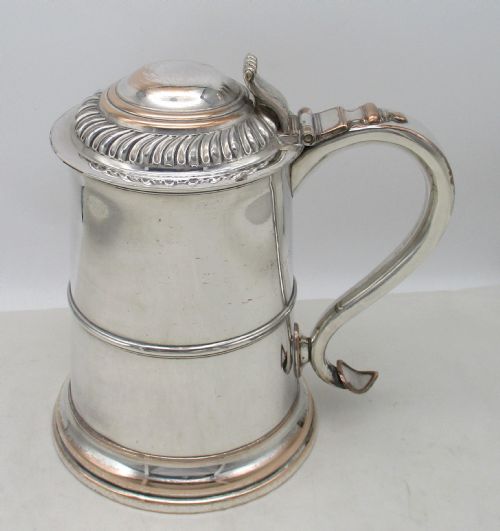
The versions most commonly met on this page range from large lidded vessels to smaller open mugs and pitchers. They originate from British workshops and reflect the robust barware traditions of their era.
How they were made
Makers fused a thin sheet of silver to a thicker copper core through heat and pressure before shaping the metal into a cylinder. This fusion technique creates the characteristic durable wall of the vessel.
Interiors sometimes received a layer of gold gilt or additional gilding for drinking safety and luxury. Soldered joints and applied handles completed the construction of these substantial pieces of barware.
Listings span the eighteenth and nineteenth centuries, including the Georgian and Regency periods, utilising materials such as copper, silver, and gold gilt.
What varies in quality
The skill of the silversmith defines the elegance of the handle attachment and the crispness of any engraved armorials or borders. Heavier gauge copper and thicker initial silver layers yield a more substantial weight and a richer surface texture.
The degree of original silver remaining over the exposed copper edges indicates how carefully the vessel was handled and cleaned over the generations. Crisp early marks and balanced proportions separate utilitarian items from finer examples.
Richard Morton
The Antique Sheffield Plated Tankard Glossary
- Old Sheffield Plate
- A composite material made by fusing silver to a copper base, invented in the eighteenth century. This predates modern electroplating methods.
- Quart Tankard
- A large drinking vessel holding two pints of liquid. These substantial pieces often feature hinged lids.
- Loving Cup
- A large two-handled drinking vessel passed between guests at feasts. Examples in this material occasionally appear alongside standard tankards.
- Gilding
- A thin layer of gold applied to the interior surface of the drinking vessel. This finish protected the metal and added a decorative interior glow.
- Georgian
- The stylistic period spanning the reigns of the Hanoverian kings. Pieces from this era often display clean classical lines.
Antique Sheffield Plated Tankard: Frequently Asked Questions
How do I clean an old sheffield plated tankard?
Clean the surface gently with a soft cloth and a mild silver cleaner formulated for plated items. Avoid harsh abrasives that might wear through the thin silver layer to the underlying copper.
Regular dusting and careful hand washing keep the metal stable without stripping the patination built up over centuries of use.
Can I drink beer from these tankards?
Many of these vessels were designed specifically for serving beer, ale, and other tavern beverages during the Georgian period. Their sturdy construction handled daily use in domestic and social settings.
Check the interior condition and gilding before use to ensure the surface remains clean and suitable for modern beverages.
How do I tell an eighteenth century tankard from a nineteenth century one?
Eighteenth century examples often display heavier gauge copper bodies and simpler, more robust handle attachments. Later nineteenth century pieces sometimes incorporate sharper pressed details and lighter walls.
Examining the edge where the silver sheet was fused reveals clues about the thickness of the original metal sandwich.
What is the difference between a tankard and a beer jug?
Tankards generally feature straight or slightly tapered cylindrical bodies with single sturdy handles and often hinged lids. Beer jugs and pitchers tend to have pronounced pouring lips and curved spouts.
Both forms served similar functions at the dining table or in the tavern during the Georgian and Regency eras.