
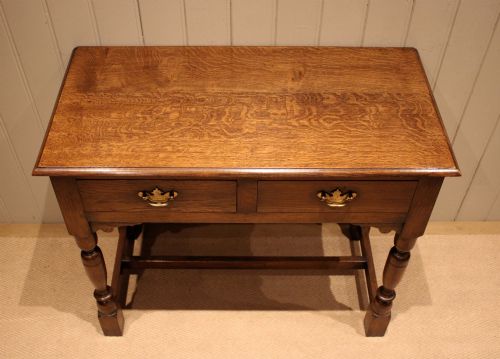
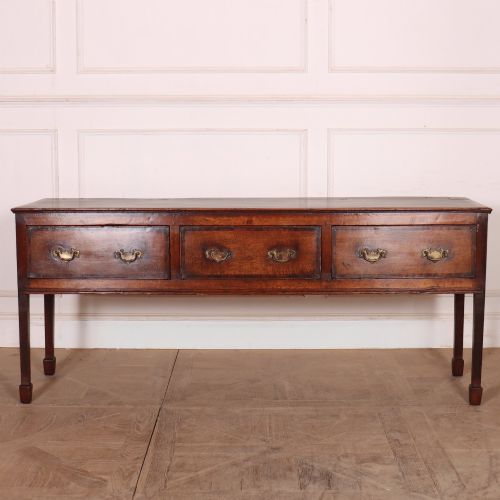


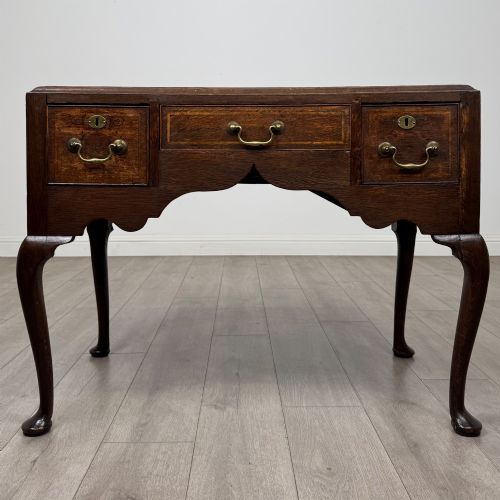
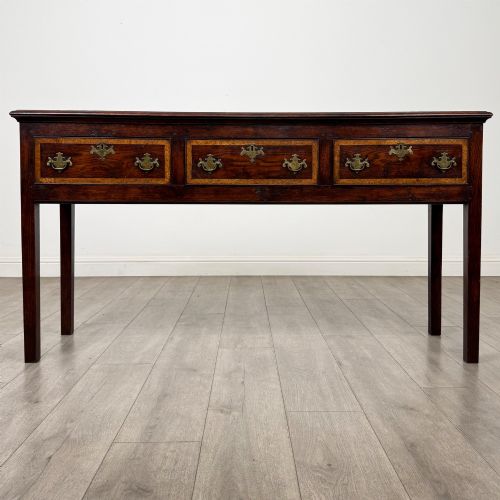
Antique Server with Drawers
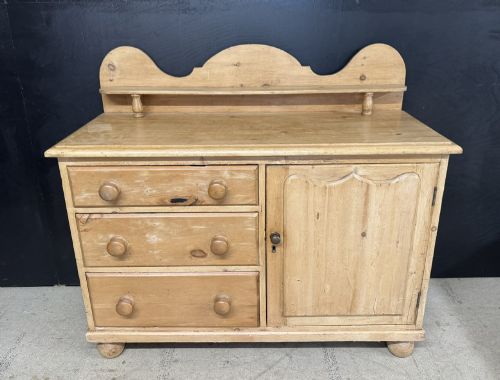
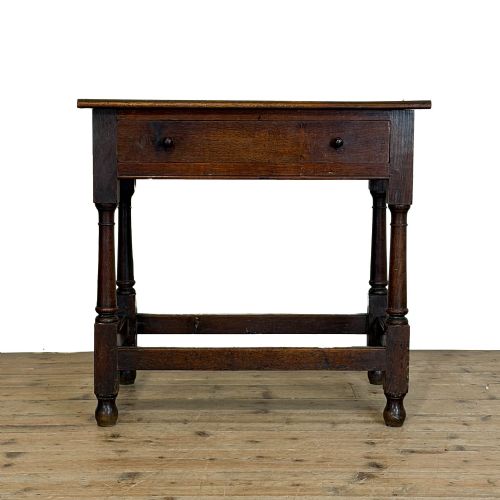
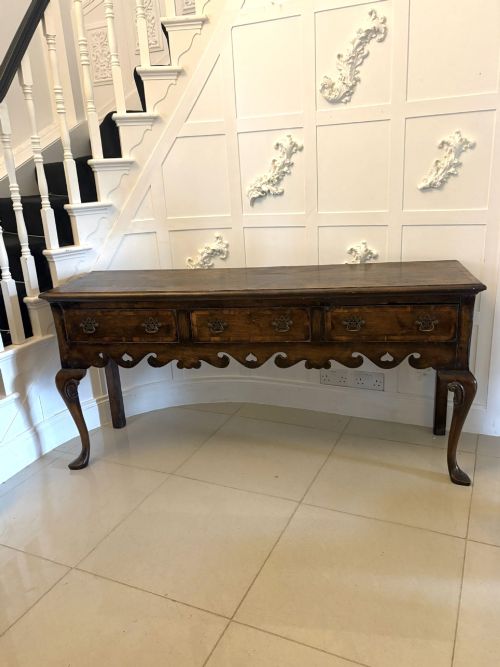
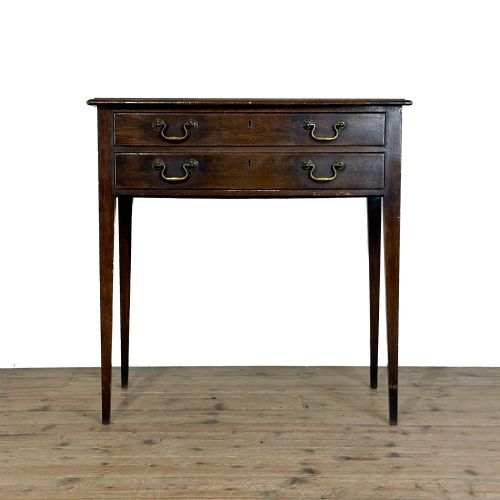
An antique server with drawers is a sturdy utility piece, and these examples bring practical storage and period character to dining rooms or halls.
Antique Server with Drawers
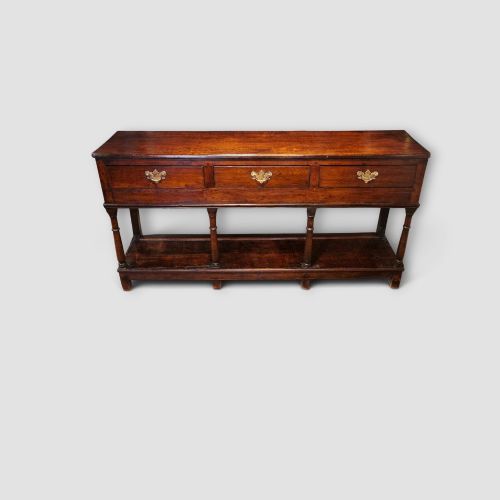
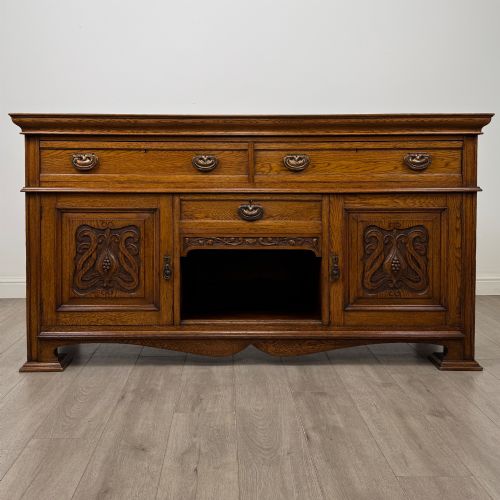
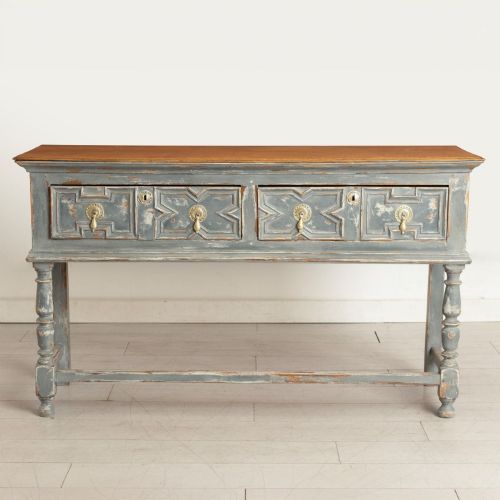
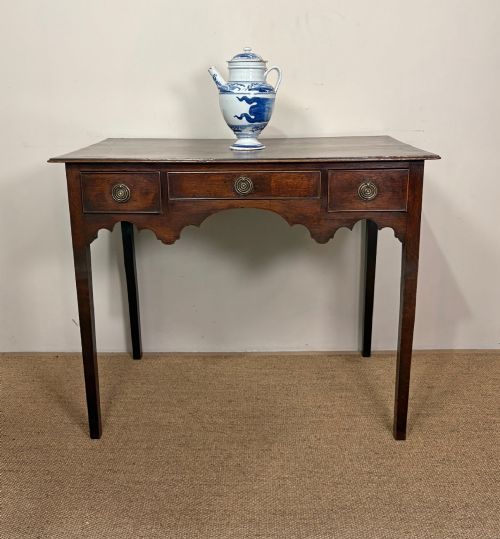
An antique server with drawers bridges the gap between formal dining room storage and everyday utility, acting as a surface for food presentation while keeping linens or cutlery tucked away. You will find these pieces spanning several centuries, from substantial 17th century low dressers to refined Edwardian mahogany servers.
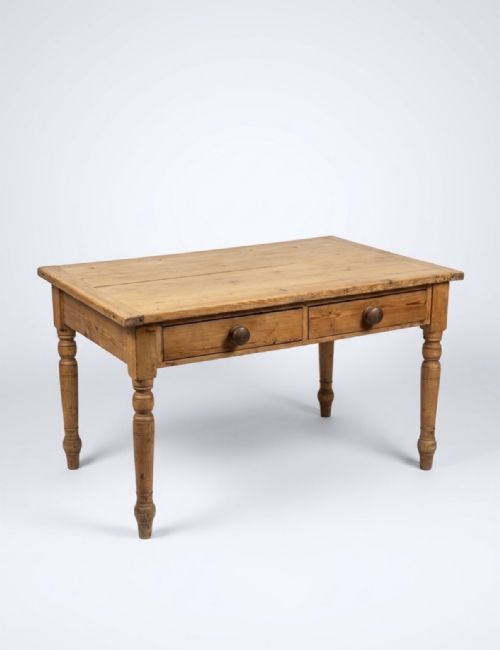
The form takes many labels across the inventory, appearing as dresser bases with potboards, library tables, console tables, and side serving tables. Oak and pine examples lean toward country and kitchen use, whereas mahogany and walnut versions reflect formal dining spaces.
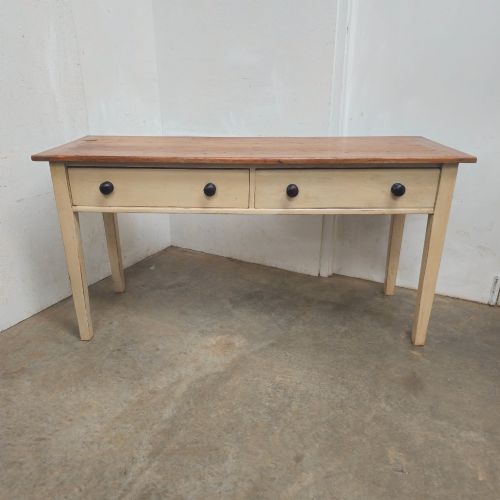
Regional variations appear frequently, including Welsh and Lancashire dresser bases alongside French drapers tables and Colonial painted serving tables. These regional builds dictate the depth of the drawers and the presence of open potboards beneath.
How they were made
Timber selection dictates the character of these items, with solid oak, mahogany, and pitch pine forming the structural backbone alongside walnut and burr walnut veneers. Cabinetmakers utilised brass handles, iron hardware, and occasionally original paint finishes to complete the surfaces.
Construction methods range from geometrically moulded drawer fronts on early oak pieces to Sheraton-style inlay on Edwardian mahogany models. Joints rely on traditional joinery techniques, while potboards and lower shelves are pegged or framed directly into the legs.
Listings span from the late 17th century through the Georgian, Victorian, and Edwardian eras up to the 1930s.
What varies in quality
The standard of timber and the crispness of carved details separate standard utility tables from finer reception room pieces. Original hardware, untouched waxed surfaces, and secondary woods that match the primary timber elevate the standing of a server.
Proportion and structural integrity matter immensely, particularly whether drawers run smoothly and legs remain uncompromised by damp or heavy wear. Pieces retaining their original paint or authentic patination hold a distinct visual advantage over heavily restored equivalents.
Beresford and Hicks London
The Antique Server with Drawers Glossary
- Dresser base
- A low cabinetry piece fitted with drawers and frequently an open shelf or potboard below. These items served kitchens and dining areas for food preparation and storage.
- Potboard
- A lower open shelf built into the base of a dresser or server. It provides storage space for pots, pans, and large serving dishes.
- Carolean style
- A decorative design movement reflecting late 17th century British tastes. It is characterised by ornate carved woodwork, scrolling motifs, and turned legs.
- Gothic Revival
- An architectural and decorative style drawing on medieval forms. Pieces often display pointed arches, tracery, and carved figures such as green men.
- Sheraton inlay
- A decorative woodworking technique associated with late 18th and early 19th century furniture design. It employs contrasting wood veneers to create geometric or floral patterns.
Antique Server with Drawers: Frequently Asked Questions
What is an antique server with drawers used for?
These tables provide a flat top surface for serving food or displaying items while offering drawer storage underneath for cutlery and linens.
Historically placed in dining rooms, kitchens, or halls, they function equally well in modern interiors as sideboards or hall consoles.
How do I date an oak dresser base?
Dating relies on examining construction methods, timber grain, and hardware, alongside stylistic clues like geometric mouldings or cabriole legs.
Early pieces from the 17th and 18th centuries often feature hand-cut joints and pegged frames, while Edwardian examples show more standardised manufacturing.
Are pine servers suitable for daily kitchen use?
Pitch pine and white pine versions have practical, robust builds designed for heavy domestic environments like dairies and country kitchens.
Waxed or painted finishes protect the softwood timber, allowing these tables to handle regular daily contact without issue.
What is the difference between a sideboard and a server?
Servers generally present a lighter, more open frame with fewer cupboards, often featuring potboards or open lower shelves.
Sideboards tend to be heavier enclosed cabinets designed primarily for substantial dining room storage and formal presentation.