
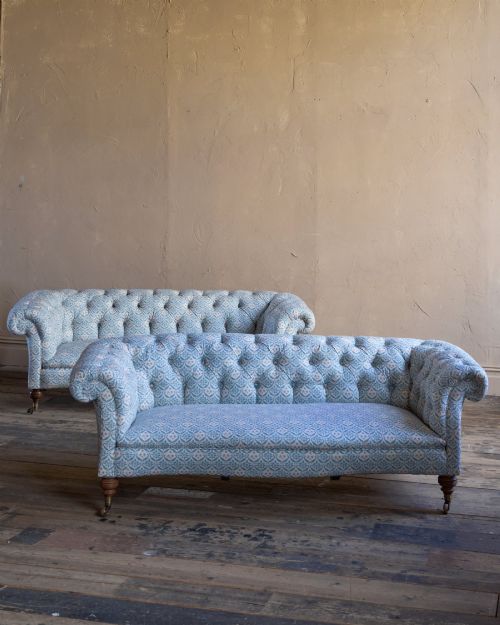
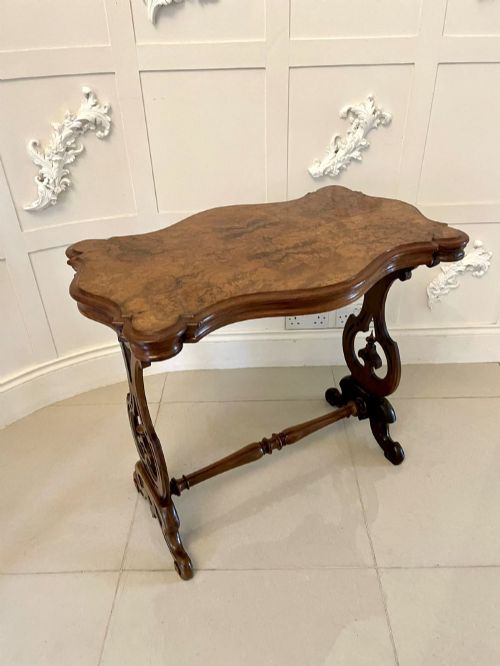
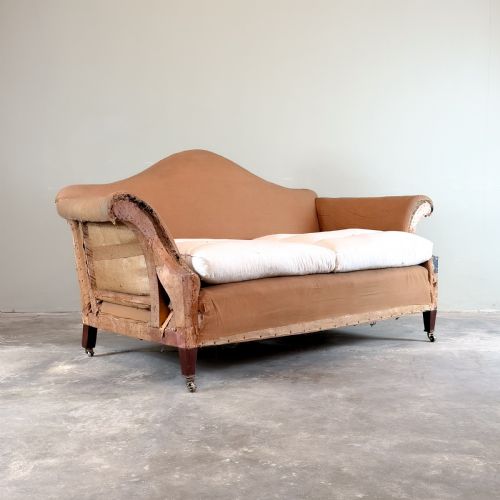
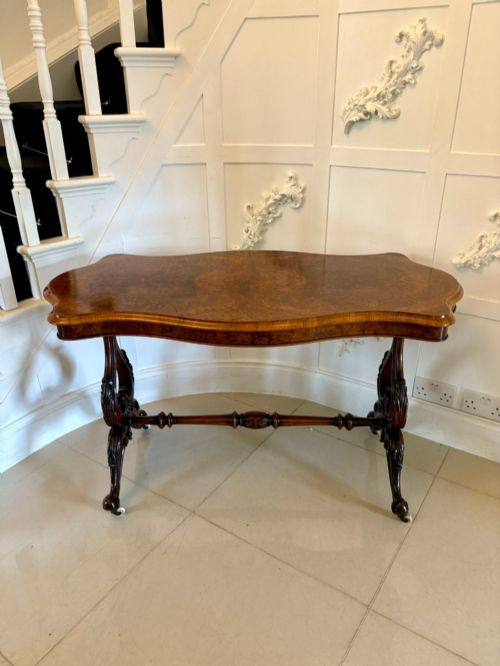


Antique Serpentine Sofa
An antique serpentine sofa brings fluid, curving lines and deep upholstery together, offering a stately centrepiece for a traditional drawing room.
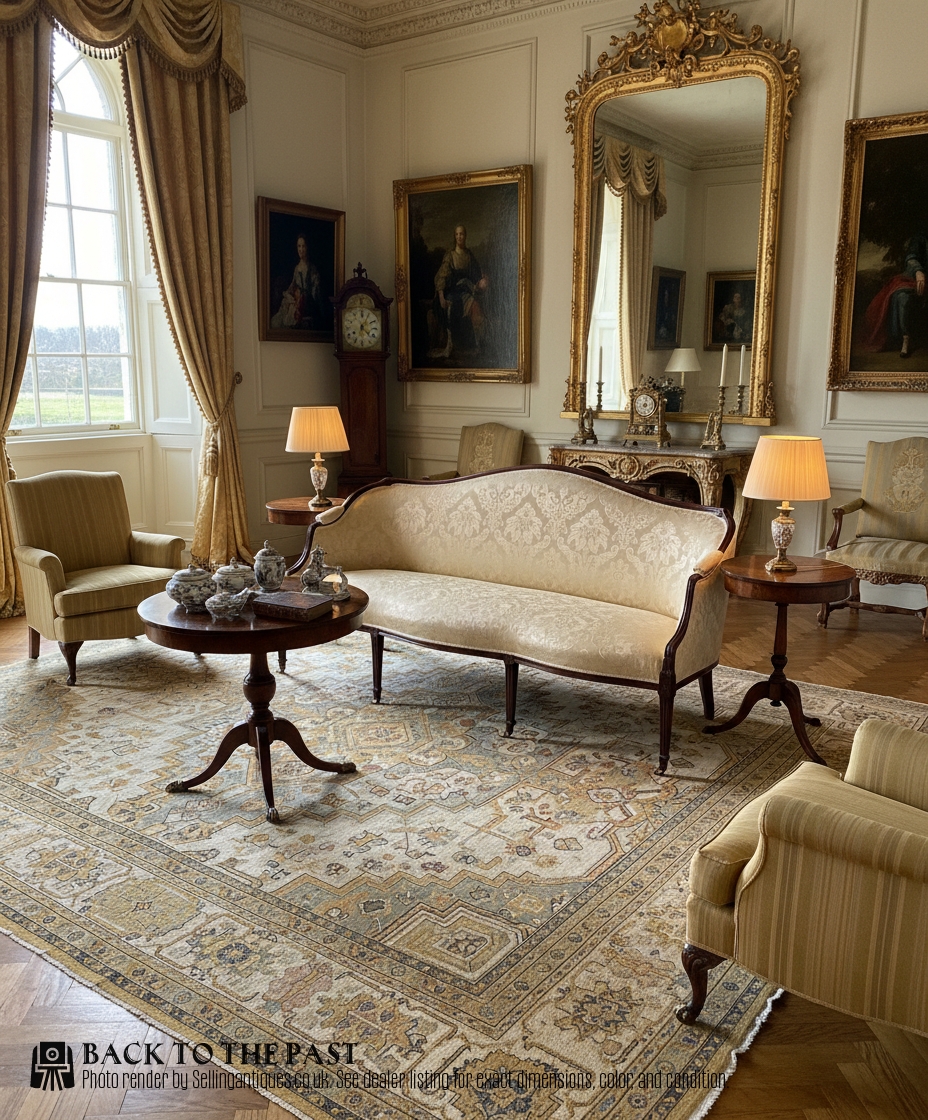
Antique Serpentine Sofa
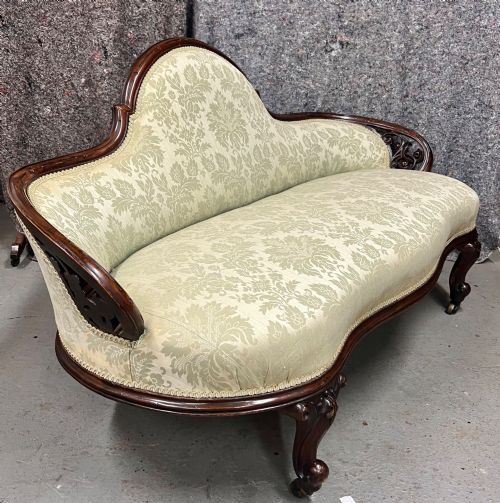
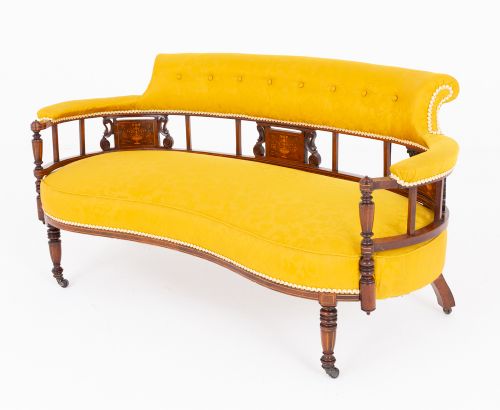
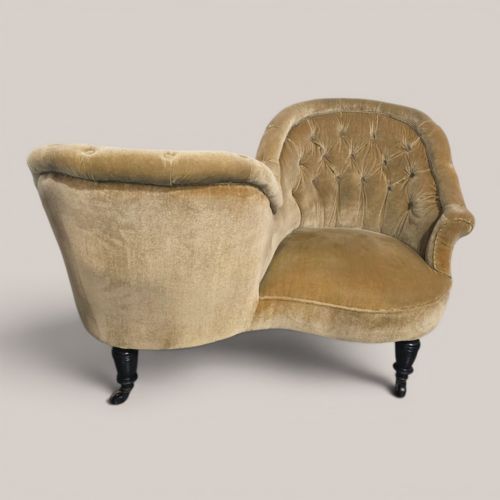
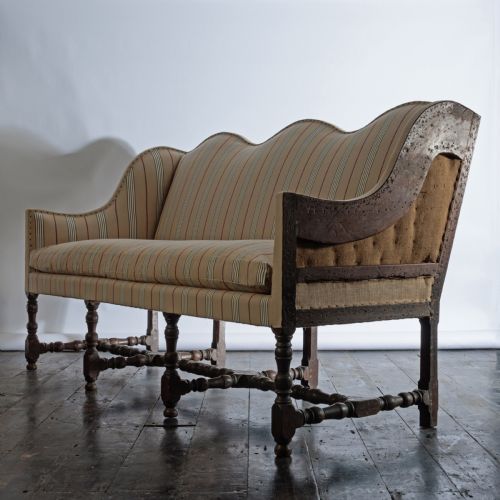
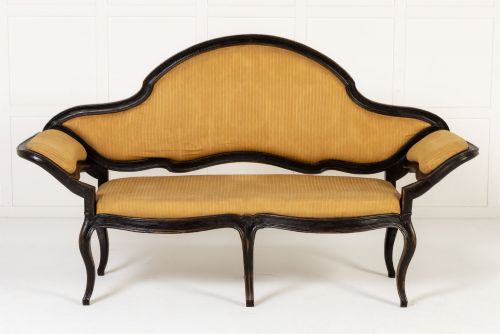
An antique serpentine sofa displays a distinctive undulating front rail and backrest, moving gracefully from concave curves to convex sweeps. This page gathers pieces spanning the eighteenth, nineteenth, and early twentieth centuries, reflecting diverse historic revivals.
The selections range from robust Victorian frames to elegant Georgian-inspired camelback designs. Buyers frequently encounter nineteenth-century walnut and mahogany examples alongside Edwardian interpretations.
Makers often paired these curving frames with rich textiles such as velvet, patterned fabric, or hand-dyed leather. Each piece demonstrates how seating design evolved to combine formal reception room posture with layered comfort.
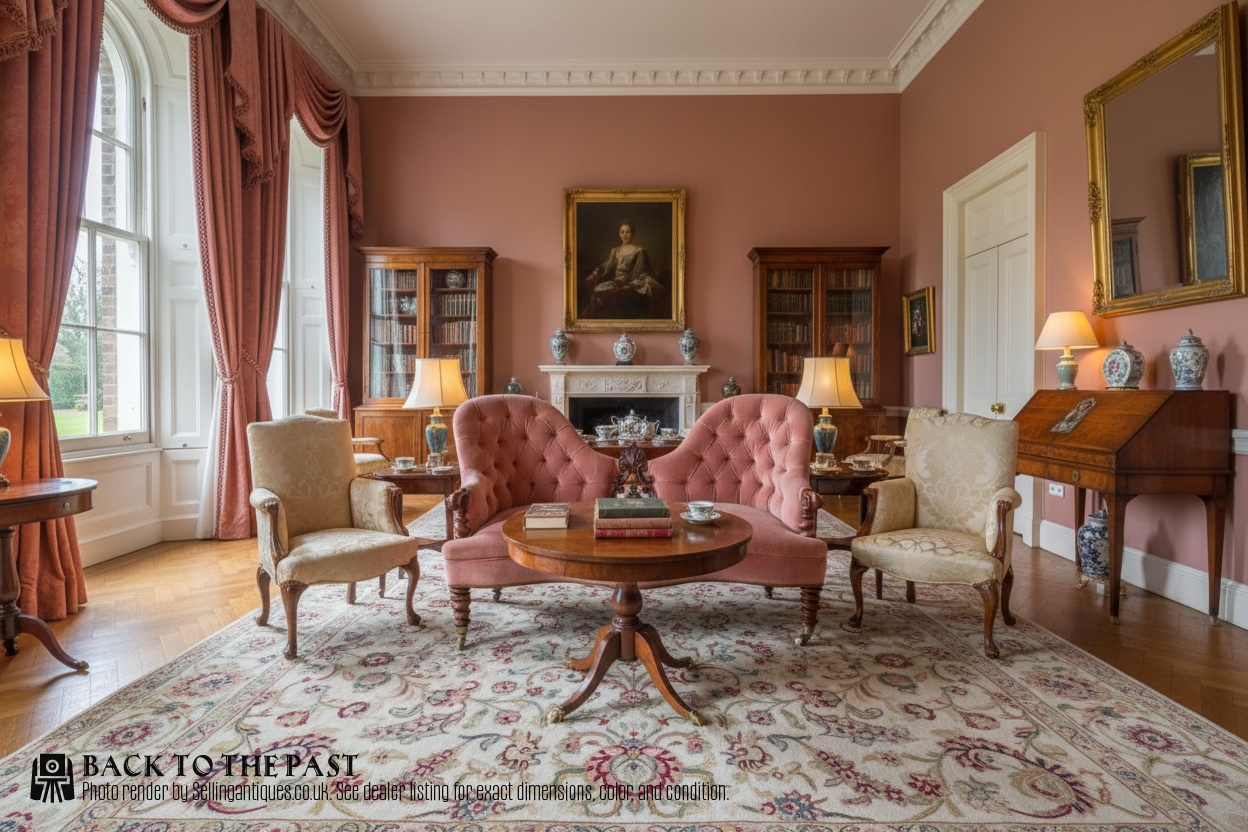
Materials and construction methods
Cabinetmakers shaped dense hardwoods like mahogany, walnut, and rosewood to form the structural frames. These timbers provided the necessary strength to support the pronounced undulations of the seat rail.
Upholstery techniques involved intricate internal webbing, horsehair stuffing, and heavy stitching to maintain the resilience of the curved silhouette. Gilt mounts, delicate satinwood inlay, and carved wooden details occasionally adorned the exposed woodwork.
Antique Serpentine Sofa Retail Price Guide 2026
Typical asking prices for serpentine sofa among the pieces listed under this phrase on Sellingantiques today, from the lower quarter to the upper quarter. They describe what is for sale here now, not the wider market.
Distinguishing quality across examples
The refinement of the wooden frame dictates the distinction between standard items and superior examples. Master carvers shaped the undulating lines directly into the solid timber rather than relying on applied mouldings.
Proportion and stance separate exceptional furniture from ordinary pieces. Tighter curves along the front rail and well-integrated legs indicate disciplined workshop execution.
The Antique Serpentine Sofa Glossary
- Serpentine
- A curved structural line that turns inward at the centre and outward at the ends. This profile gives the sofa its characteristic undulating front rail.
- Camelback
- A upholstered sofa back featuring a continuous convex curve resembling a camel's hump. This shape dominated formal seating design throughout the eighteenth and nineteenth centuries.
- Cabriole leg
- A furniture leg that curves outward at the knee and tapers inward toward an ankle and foot. It draws inspiration from ancient forms revived during various historic periods.
- Ebonised
- Timber treated with a chemical stain or black finish to imitate ebony. Cabinetmakers utilised this technique on nineteenth-century display and seating furniture.
- Settee
- A long upholstered seat with a back and arms designed for multiple occupants. The term often interchanges with sofa in historical inventories.
Antique Serpentine Sofa: Frequently Asked Questions
What periods do these sofas come from?
The pieces span from the seventeenth century through the Georgian and Victorian eras into the early twentieth century. Many items reflect later revivals of earlier historic styles.
Craftsmen across these periods retained the signature curving silhouette while adapting proportions to suit contemporary interior fashions.
How do I identify a serpentine front?
Look closely at the wooden rail running along the base of the seat. A true serpentine edge sweeps outward in the middle and curves inward toward the arms.
This deliberate wave requires precise woodworking to ensure the upholstery follows the contours smoothly without sagging.
Where should I place an antique sofa?
These pieces suit principal reception rooms, large studies, or hallways where their sculptural profiles remain visible from multiple angles. Freestanding placement allows the curved woodwork and upholstery to command the room.
Ensure adequate clearance around the piece so the undulating lines are not obscured by surrounding furniture.
What woods were used for the frames?
Cabinetmakers relied on dense tropical and domestic hardwoods including mahogany, walnut, burr walnut, and rosewood. These timbers resisted warping under the tension of heavy upholstery.
Some examples incorporate decorative inlays of satinwood or feature ebonised finishes to enhance the visual impact of the exposed frame.