
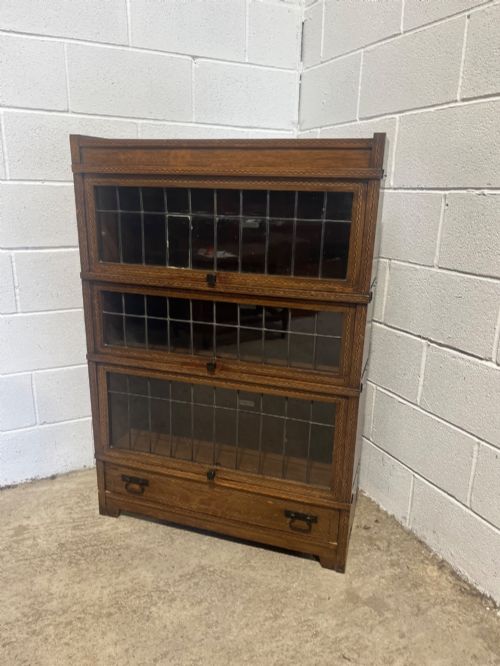
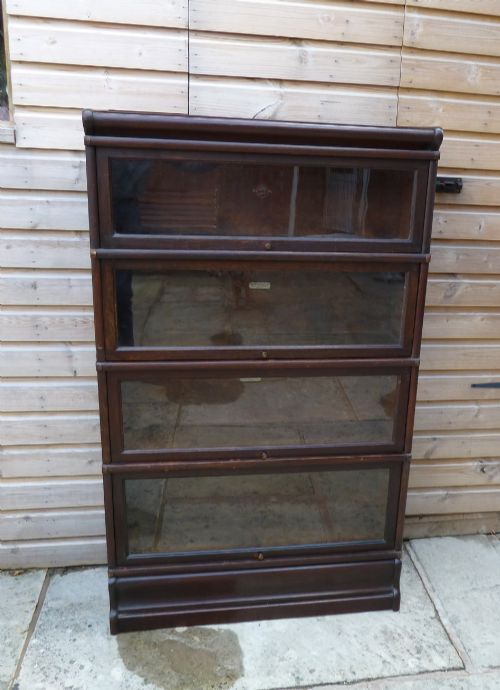

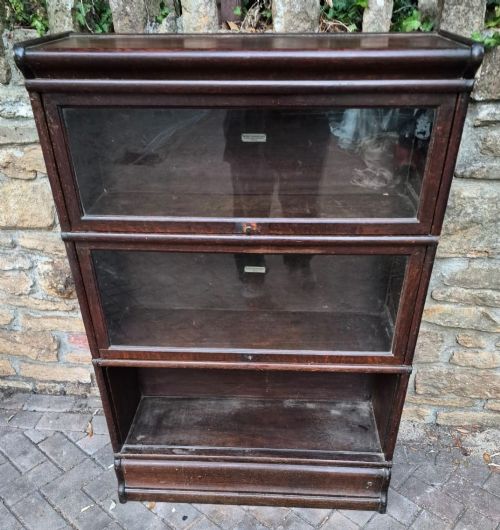
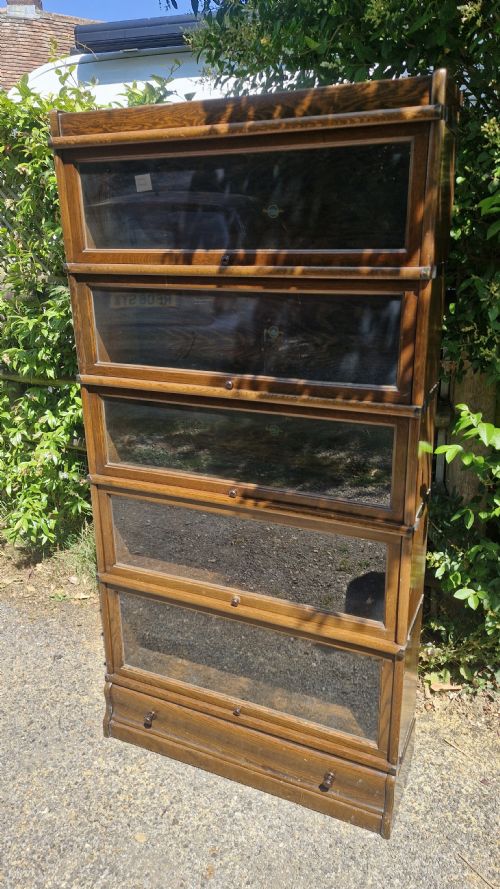
Antique Sectional Cabinet
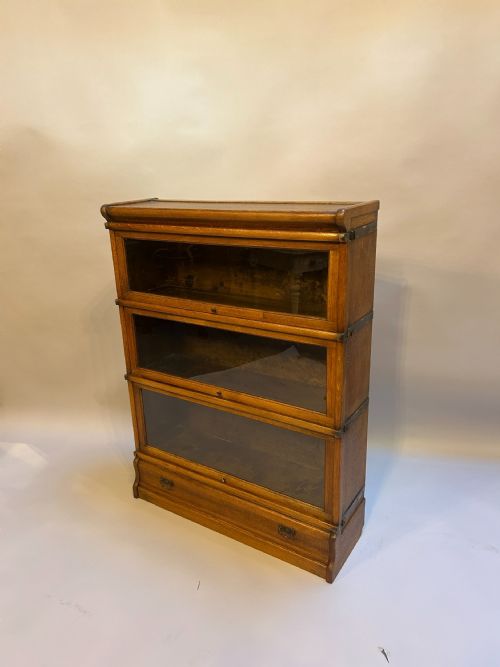
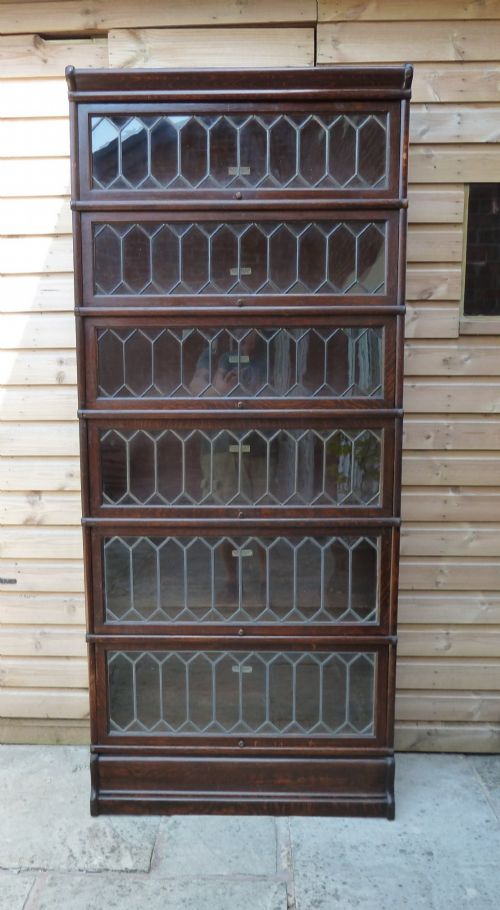
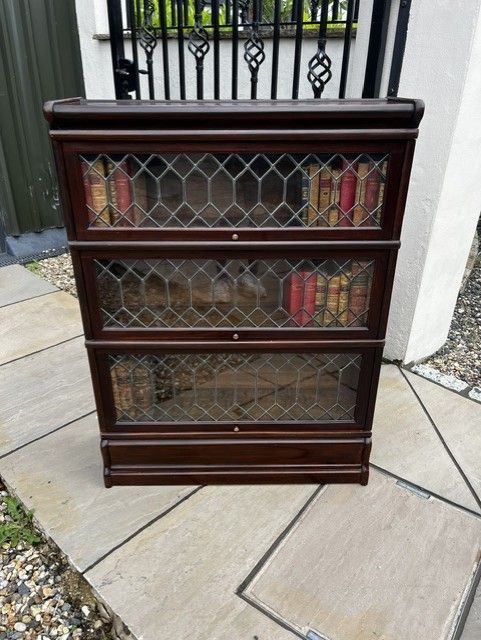
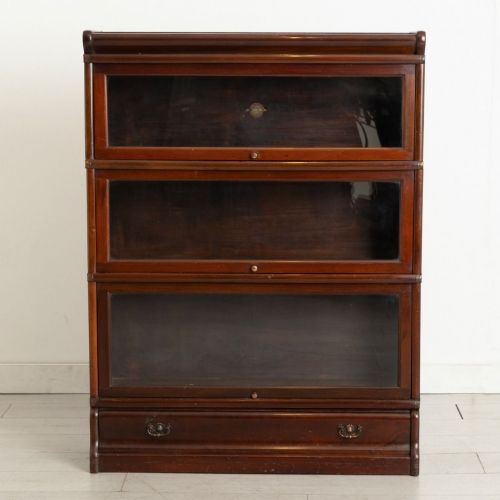
An antique sectional cabinet brings modular practicality to a room, offering adaptable tiered storage built with glazed lifting doors.
Antique Sectional Cabinet
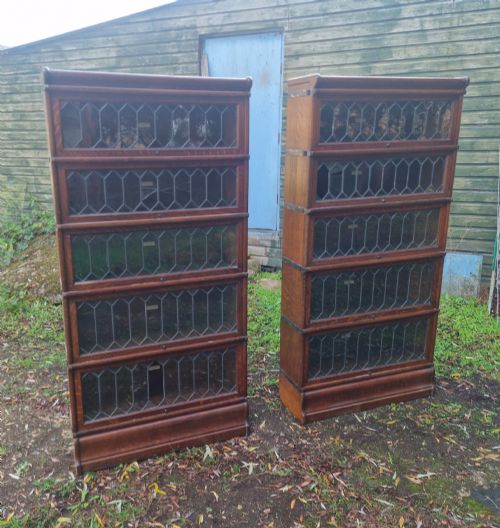
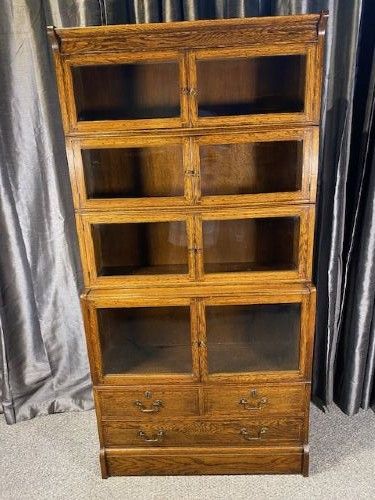
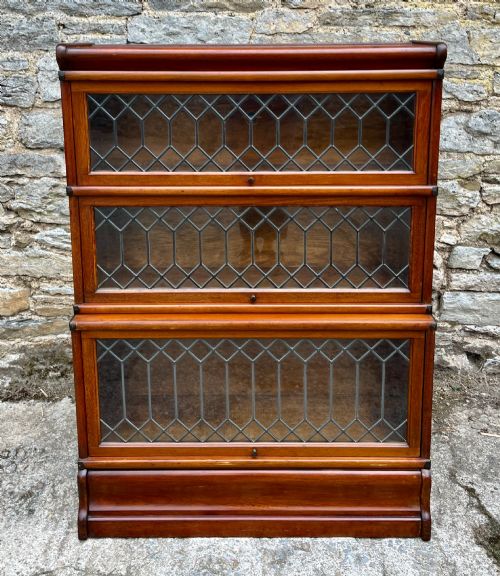
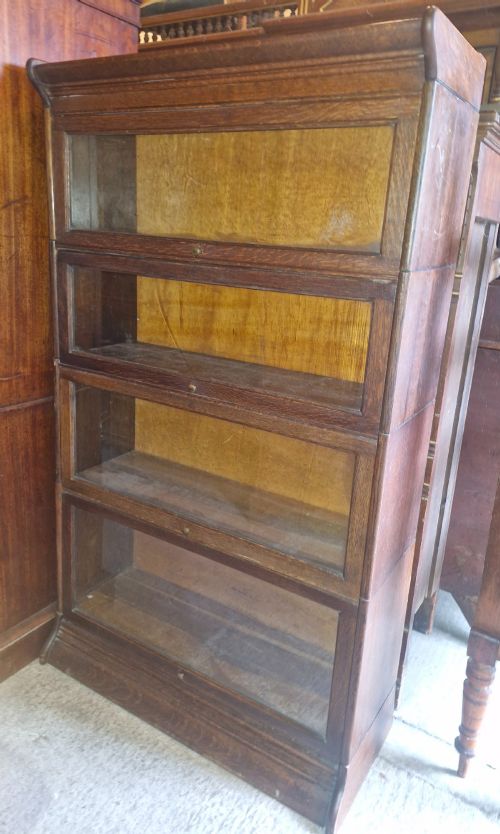
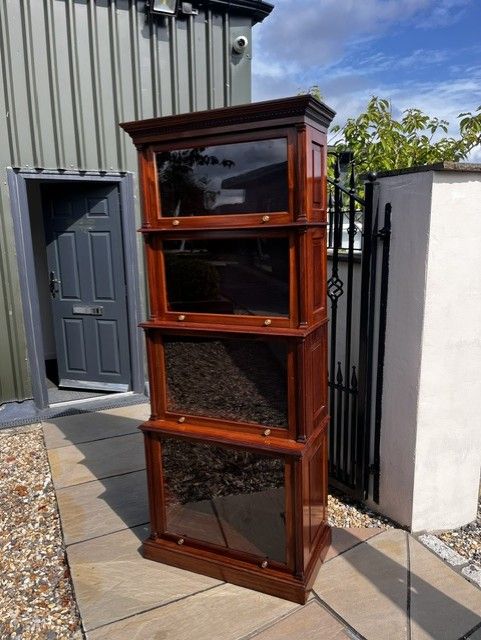
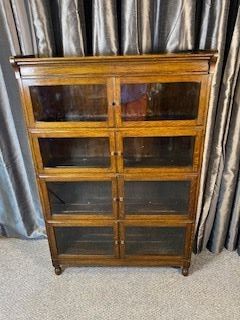
When searching for an antique sectional cabinet, collectors encounter modular stacking bookcases and office cabinets designed in interchangeable tiers. These pieces span the Edwardian era, the nineteen-tens, nineteen-twenties, and nineteen-thirties, with occasional Georgian examples appearing.
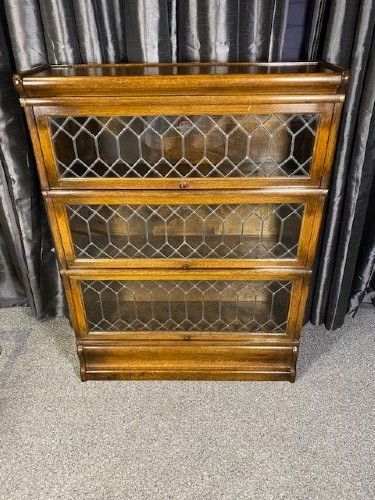
Oak and mahogany dominate the offerings, frequently taking the form of barrister bookcases with glazed fronts that lift and slide inward. Single tiers and multi-section stacks appear alongside pairs, providing flexible shelving arrangements for libraries and studies.
Distinctions in standard
Quality rests upon the selection of timber grains, particularly the depth of figuring in golden oak and solid mahogany variants. Uniformity across stacked tiers indicates careful original manufacturing by established workshops.
The smooth operation of the lifting door mechanism and the retention of original brass fittings separate standard commercial office editions from finer residential examples. Timber patination and crisp joinery define the upper tier of surviving pieces.
Listings feature oak and mahogany predominantly, spanning the Edwardian period through to nineteen-thirty Art Deco designs.
Globe Wernicke·Heal's·Lebus·Minty·Gunn
The Antique Sectional Cabinet Glossary
- Sectional cabinet
- A modular piece of furniture built from separate, stackable tiers that combine to form a single tall storage unit. These sections separate for ease of transport and rearrangement.
- Barrister bookcase
- A specific stacking cabinet design featuring glazed doors that lift upward and slide into the cabinet above the books. The design protects volumes while allowing quick access.
- Tier
- An individual stackable section of a modular cabinet, comprising its own shelf, sides, and door. Tiers lock together using internal pins or external brackets.
- Leaded glass
- Small panes of glass joined together by lead cames within a window or cabinet door. This technique creates geometric patterns common in Edwardian and Arts and Crafts pieces.
- Golden oak
- A bright, warm timber tone achieved through specific finishing techniques applied to oak furniture during the early twentieth century. It remains a hallmark of period office furniture.
Antique Sectional Cabinet: Frequently Asked Questions
How do sectional cabinets stay together?
Individual tiers stack directly on top of one another, secured by base plinths and top cornices that hold the column rigid. Metal pins or side brackets often link the sections together to prevent shifting.
This modular design allowed offices and homes to expand their shelving upward as book collections grew without buying entirely new furniture.
Are all barrister bookcases modular?
Most barrister bookcases utilise a stacking sectional format, but some tall variants were manufactured as single fixed carcasses with multiple opening doors. Modular versions separate entirely into individual boxes.
Checking the horizontal seams between shelves reveals whether a piece consists of independent stacking tiers.
How do I clean the glass doors?
The lifting mechanism requires gentle handling, so support the glass frame fully when sliding it upward into the recess. Use standard glass cleaner applied to a cloth rather than sprayed directly, protecting the surrounding timber and brass.
Keep the internal tracks clear of dust to maintain smooth movement of the lifting arms.
What styles match these cabinets?
Edwardian, Arts and Crafts, and Art Deco interiors complement these sectional cabinets naturally due to the shared emphasis on quarter-sawn timber and honest construction. Limed oak finishes from later decades suit lighter, modernist spaces.
Mixing oak and mahogany finishes works well provided the room shares similar early twentieth-century proportions.