

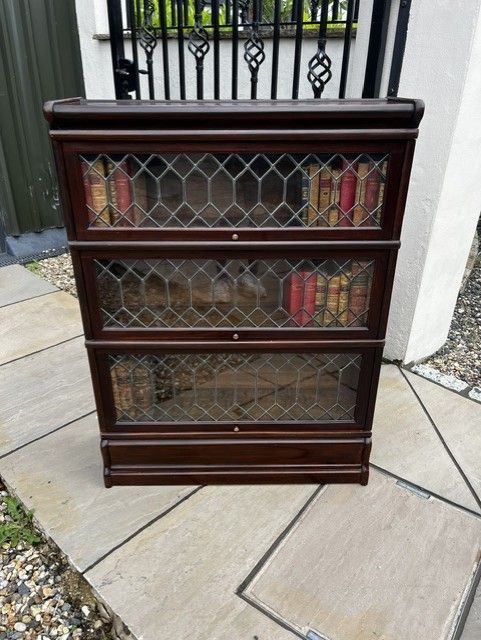
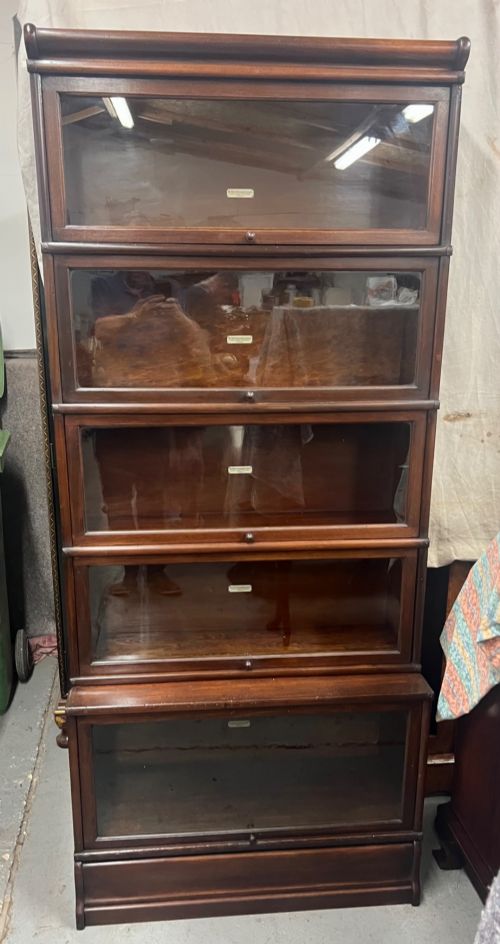
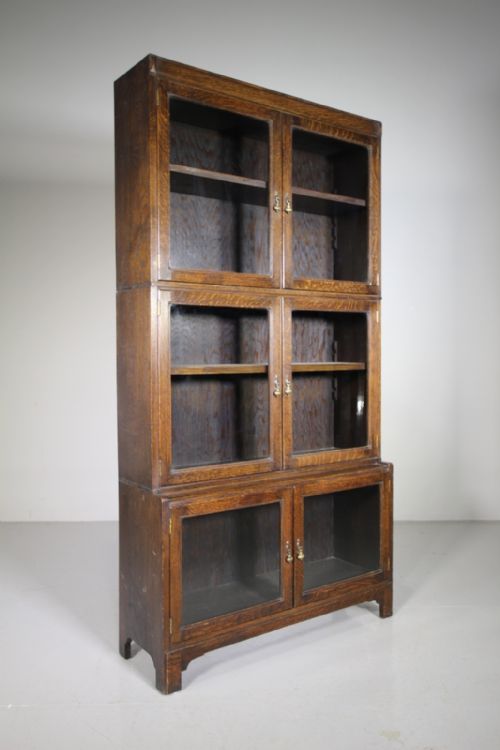
Sectional Stacking Bookcase
A sectional stacking bookcase brings modular ingenuity and refined period character into a room, offering adaptable shelf space with distinctive glazed lifting doors.
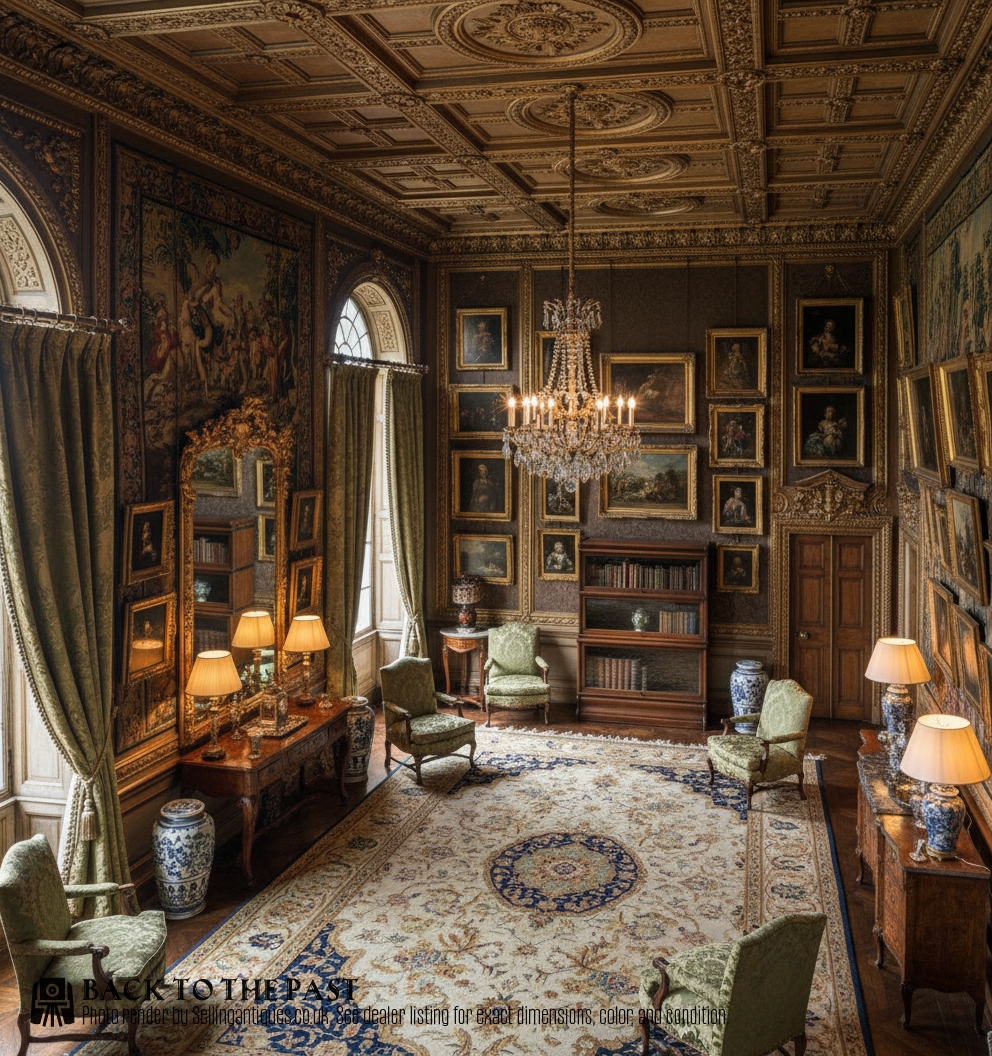
Sectional Stacking Bookcase
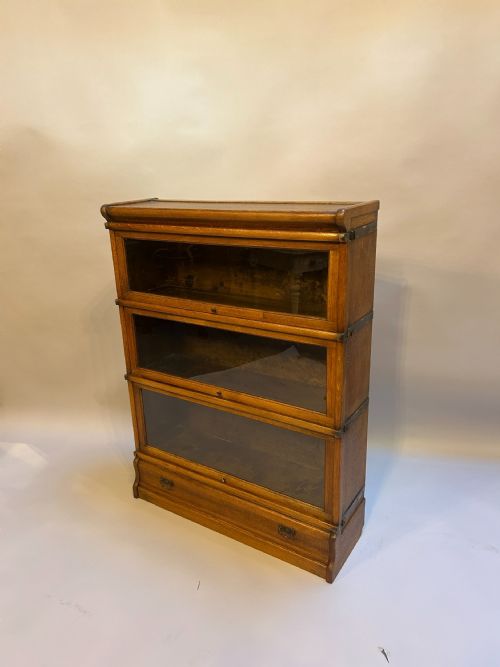
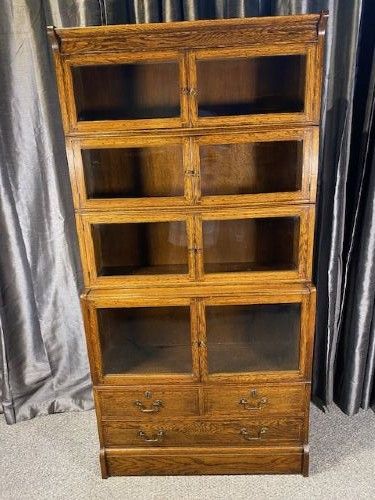
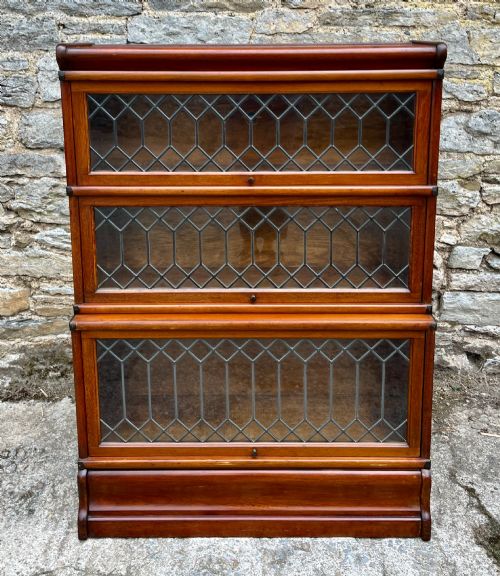
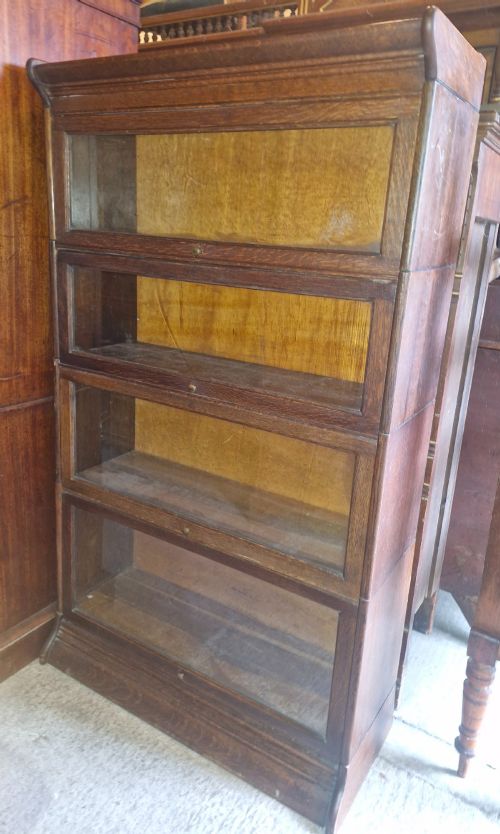
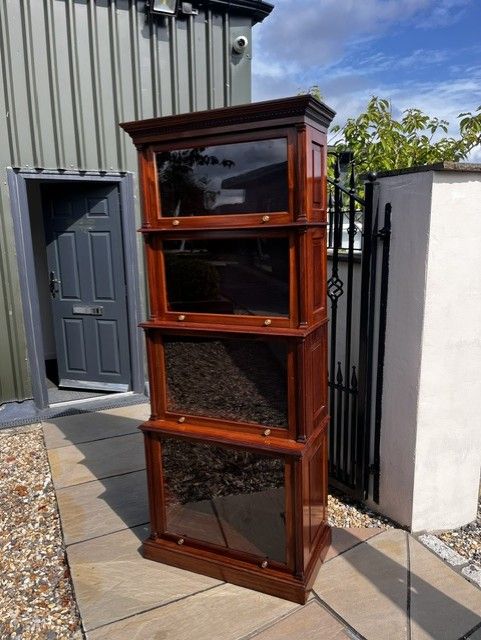
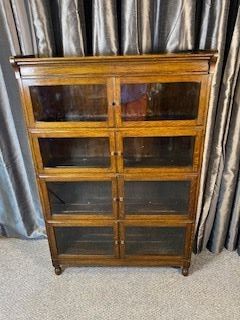
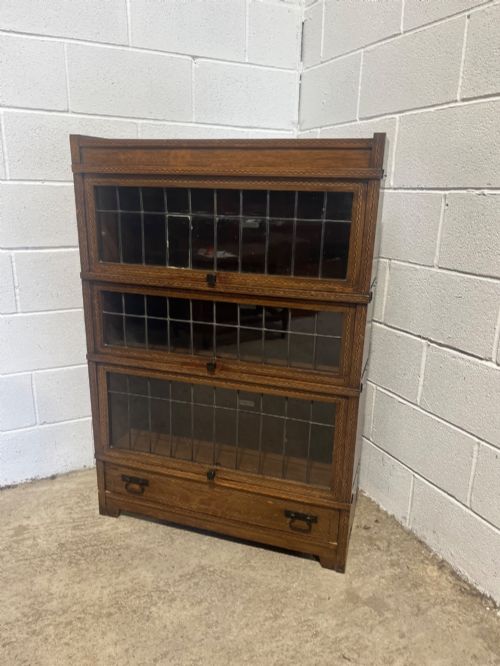
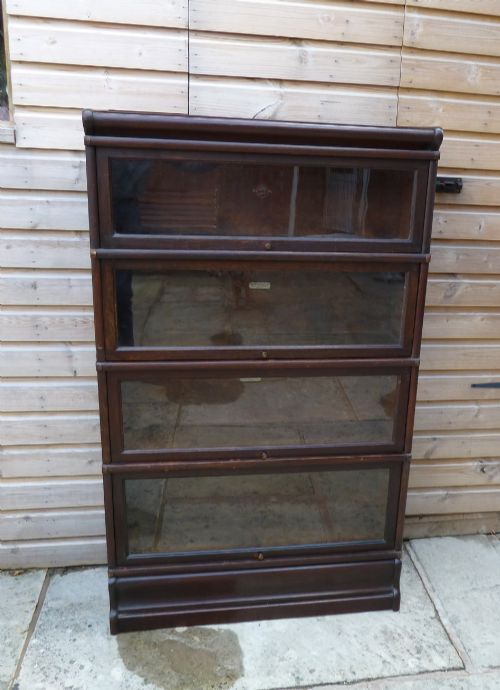
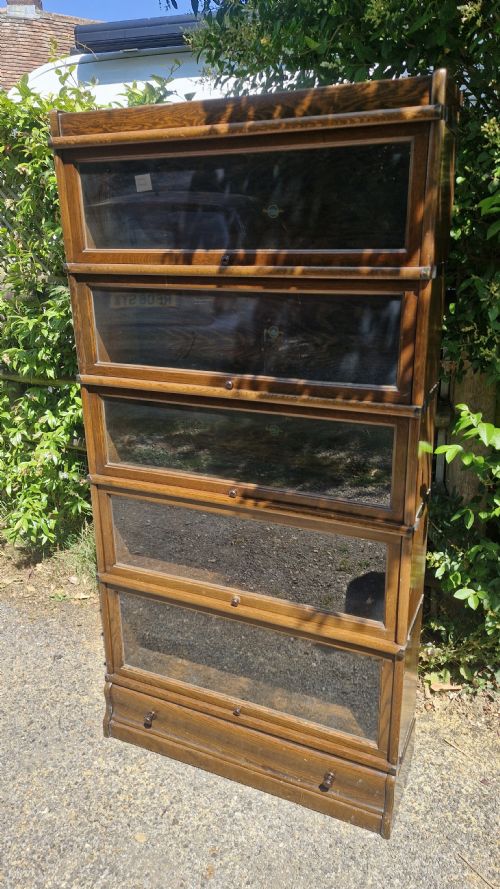
A sectional stacking bookcase consists of individual modular tiers placed one upon another beneath a cornice top and above a matching base plinth. The evidence shows these pieces emerging predominantly in the Edwardian era through the nineteen-twenties and nineteen-thirties, reflecting an era of expanding personal libraries and professional office growth.
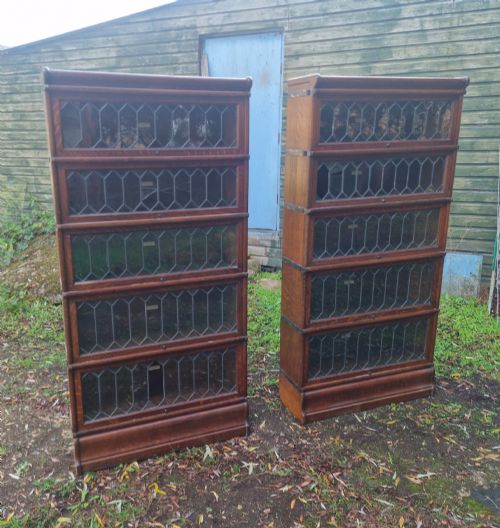
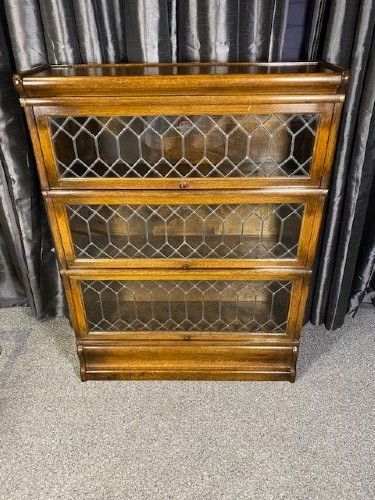
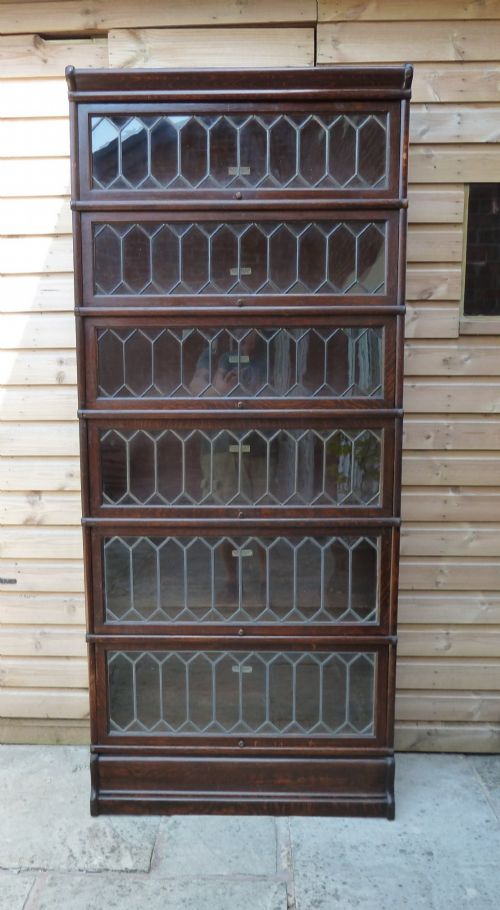
Most examples encountered on this page are oak or mahogany cabinets featuring glazed, lifting and sliding doors designed to protect valuable volumes. Forms range from compact three-tier units to tall compositions spanning five or six sections, sometimes appearing as matched pairs.
Originating largely from specialist makers and adapted from American modular office furniture patents, these bookcases served lawyers, doctors and domestic collectors alike. The sectional format allowed owners to purchase extra tiers as their book collections expanded over time.
Materials and Construction
Makers utilised solid timber frames alongside figured veneers, with oak and mahogany appearing most frequently across the listed periods. Brass hardware, including corner brackets, pulls and internal scissor mechanisms, facilitated the smooth lifting and recessing of the glass doors.
Leaded glass panels surface in several Edwardian and Arts and Crafts iterations, demonstrating skilled glazing techniques applied to modular doors. The sections themselves relied on precise tongue-and-groove or flush-fitting joints to ensure stable vertical stacking without permanent structural fixings.
Distinctions in Quality
Quality rests upon the integrity of the modular stacking mechanism and the weight of the timber used in the carcase. Superior pieces retain matching grain patterns across successive tiers and incorporate robust brass hardware that guides the lifting doors effortlessly into the recess above the books.
Finer examples bear manufacturer stamps or labels from established workshops, whilst lesser pieces follow the patented format without maker attribution. The choice of timber also dictates the tier, with solid mahogany and figured golden oak sitting above standard commercial alternatives.
Globe Wernicke·Minty·Gunn·Lebus·Simpoles of Manchester
The Sectional Stacking Bookcase Glossary
- Section
- An individual modular tier of a stacking bookcase comprising a shelf, side panels and a lifting glass door. Multiple sections combine vertically to form a complete cabinet.
- Cornice
- The moulded decorative projection capping the topmost section of a bookcase. It provides a finished architectural look to the entire modular stack.
- Plinth
- The foundational base component upon which the lowest tier of the bookcase rests. It elevates the assembly slightly off the floor.
- Leaded glass
- Small panes of glass held together within a framework of lead cames. This technique appears on specific Arts and Crafts and Edwardian iterations.
- Scissor action
- The internal metal linkage connecting the lifting glass door to the sides of the section. It ensures the door slides smoothly back into the recess above the shelf.
Sectional Stacking Bookcase: Frequently Asked Questions
What is a sectional stacking bookcase?
A sectional stacking bookcase is a modular cabinet built from separate, movable tiers that sit one on top of another. Each tier contains its own shelf and glazed lifting door.
This design allows the entire bookcase to be easily disassembled, moved, or expanded by adding more sections as a library grows.
How do the glass doors work?
The glass doors on these bookcases use a specialised metal mechanism inside the tier that allows the door to lift outward and slide backward into the cabinet above the books.
This clever movement keeps the door out of the way while you select a volume and protects your books from dust when closed.
Can I separate the tiers?
Yes, the individual sections are entirely modular and separate from one another, resting on top of a base plinth and beneath a removable top cornice.
This modular construction makes transportation straightforward, though the stacked weight of multiple tiers generally keeps the unit stable during everyday use.
How do I identify different periods?
Edwardian and early twentieth-century examples often feature rich golden oak, brass hardware, and occasional leaded glass panels aligned with Arts and Crafts tastes. Later examples from the nineteen-thirties lean toward Art Deco styling, simpler lines, and limed oak finishes.
Maker stamps and interior paper labels frequently provide definitive clues to the exact decade of manufacture.