


Antique Secretaire Drawer
When you search for an antique secretaire drawer, you are looking at dual-purpose furniture designed to house clothes while concealing a fitted writing surface.
Antique Secretaire Drawer
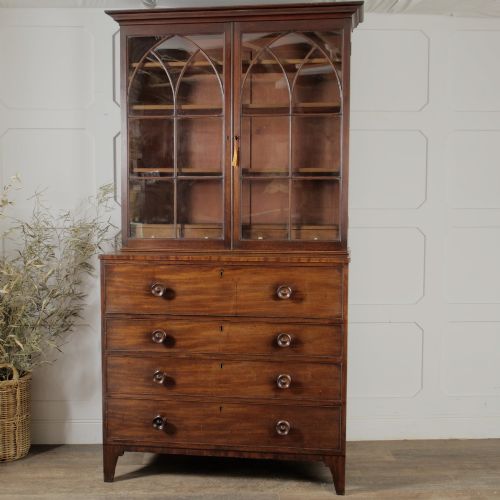
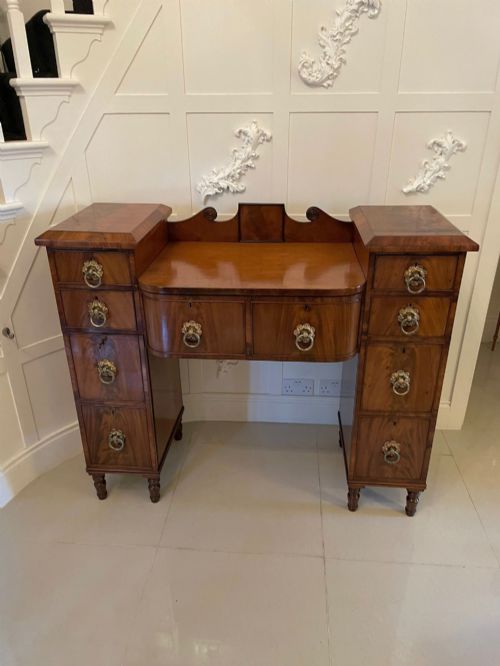
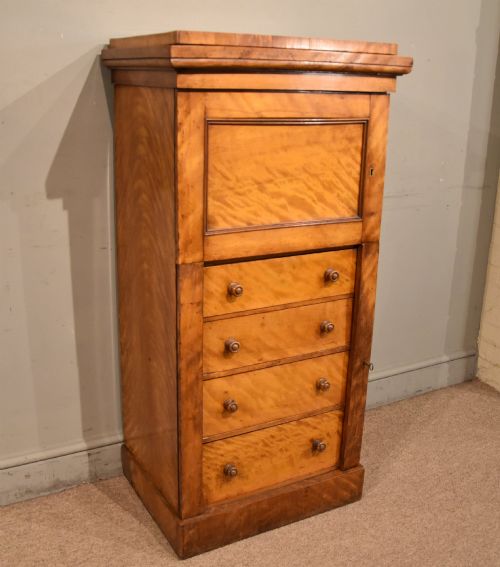
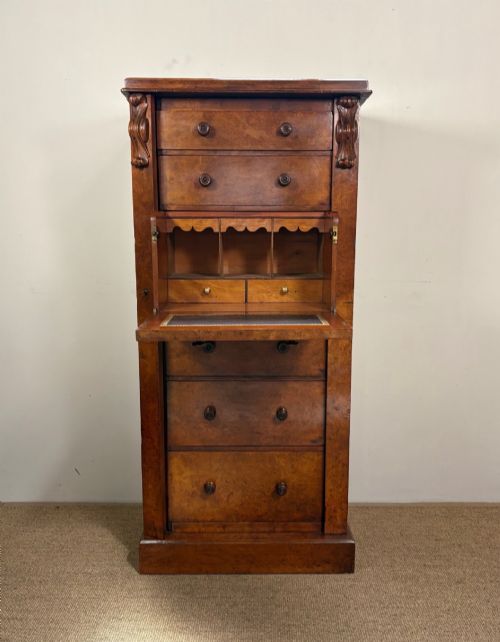
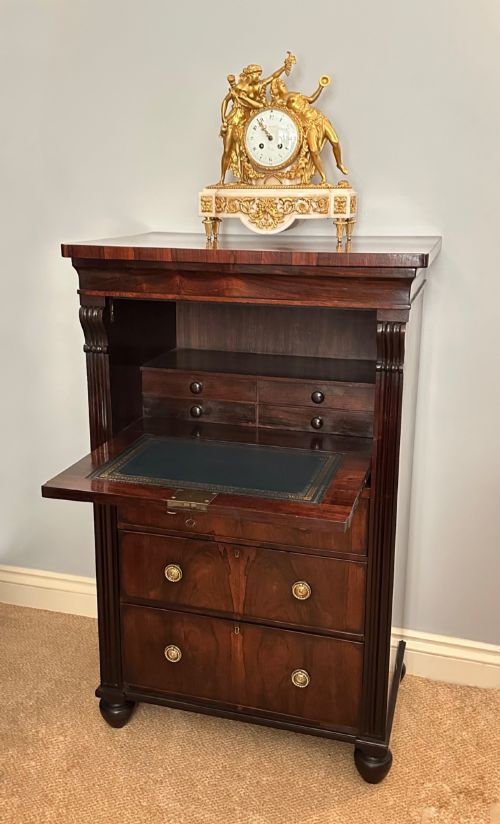
An antique secretaire drawer combines the external appearance of a standard chest of drawers, tallboy, or campaign chest with an ingenious drop-down writing compartment inside the upper drawer. These pieces emerged strongly during the Georgian and Regency periods, evolving into Victorian Wellington chests and military campaign variations built from teak and camphor wood.
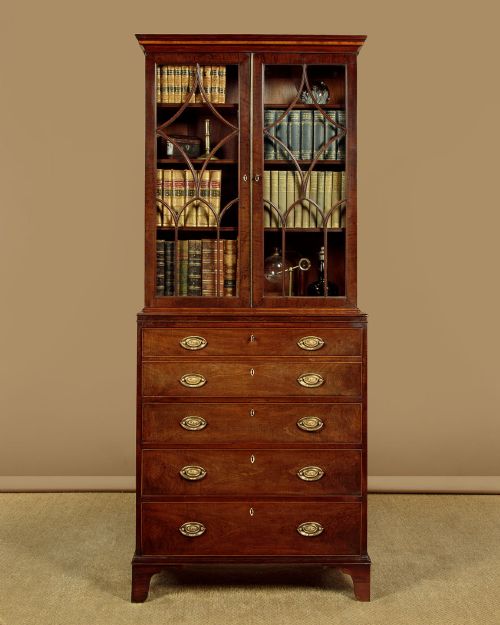
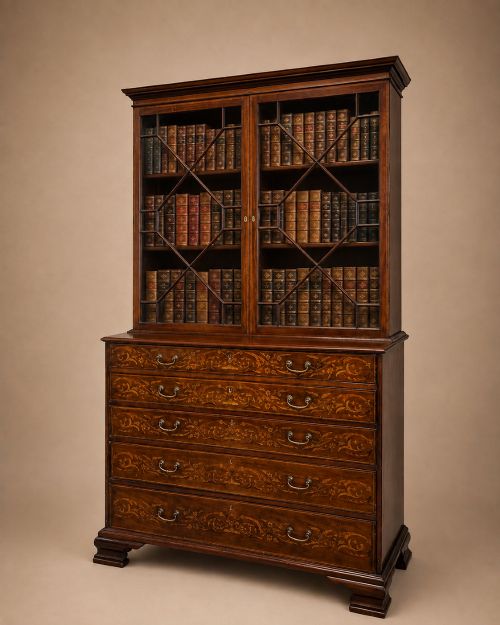
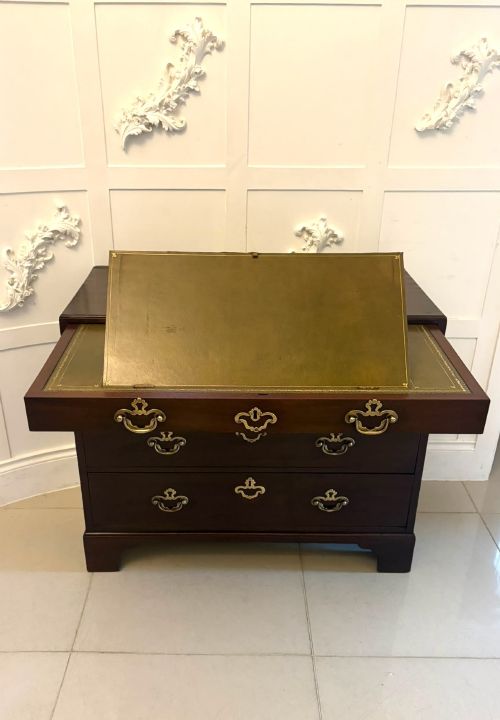
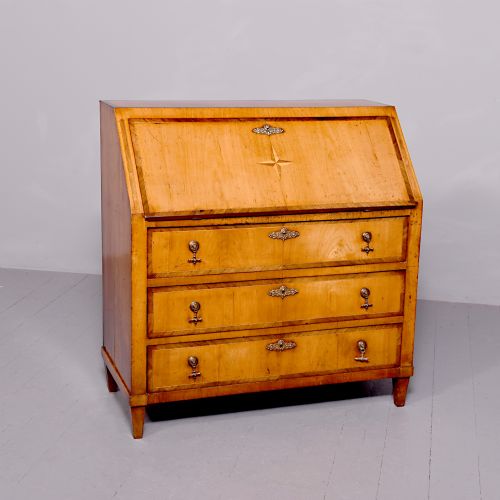
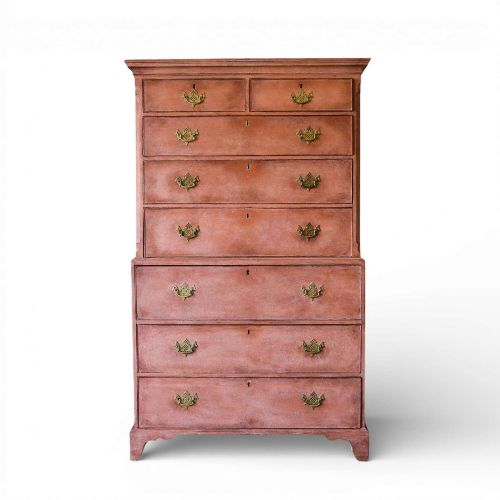
The primary form encountered on this page is the chest of drawers where the top drawer pulls forward and drops down to reveal pigeonholes, small drawers, and a leather or wood writing surface. Buyers also frequently encounter taller formats, such as George III chests on chest and secretaire bookcases, which integrate the writing drawer into grander storage furniture.
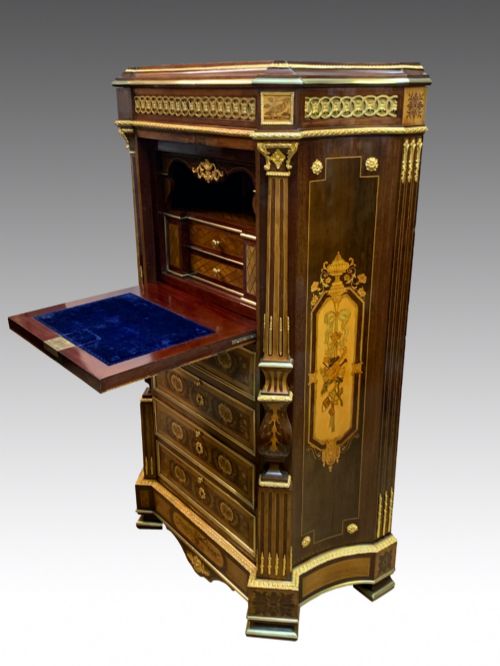
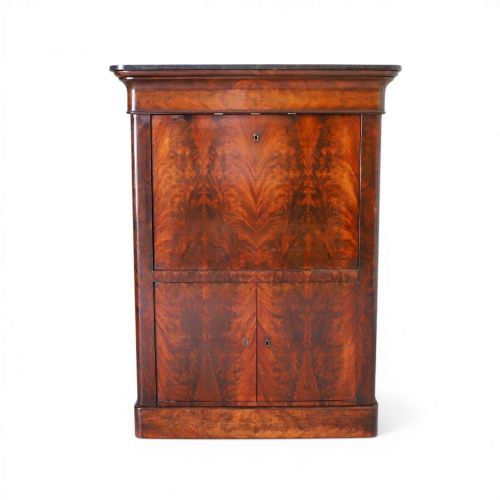
Originating to serve domestic writing needs without occupying the floor space of a dedicated bureau or desk, these items accommodated letters and ledgers. British, continental European, and campaign workshops adapted the secretaire drawer concept into diverse regional styles, including Biedermeier birch and French marquetry cabinets.
How They Were Made
Cabinetmakers constructed these pieces primarily using dense timbers such as mahogany, walnut, oak, and rosewood, often applying flame mahogany or burr veneers to accent primary surfaces. Secondary structural elements utilised pine and oak for drawer linings and internal dividers.
Interior fitments relied on precise joinery to house secret compartments, pigeonholes, and miniature drawers behind the drop-down writing flap, supported by specialised brass hinges, quadrant arms, and locking mechanisms.
Campaign versions utilised brass bound corners, inset carrying handles, and secure locking flaps to protect the contents during transport by officers across the British Empire.
Listings span the eighteenth, nineteenth, and early twentieth centuries, featuring mahogany, walnut, teak, camphor wood, and oak.
What Varies in Quality
The refinement of the internal arrangement dictates the upper tier of quality, distinguishing simple drop-front boxes from complex architectural pigeonholes complete with hidden compartments and satinwood crossbanding.
Timber selection and veneer matching across the drawer fronts show the maker's hand, where continuous flame mahogany or figured walnut grain aligns seamlessly across the closed chest.
The integrity of the structural mechanism, specifically the smooth action of the drop-front hinges, supporting lopers, and the original brass locks, separates master workshops from provincial production.
Gillows of Lancaster·Maison Krieger
The Antique Secretaire Drawer Glossary
- Secretaire drawer
- A cabinet drawer engineered with a hinged front that drops down to form a writing desk, concealing internal compartments.
- Campaign chest
- Portable furniture built in sections with inset brass hardware, designed for dismantling and transport by military officers.
- Wellington chest
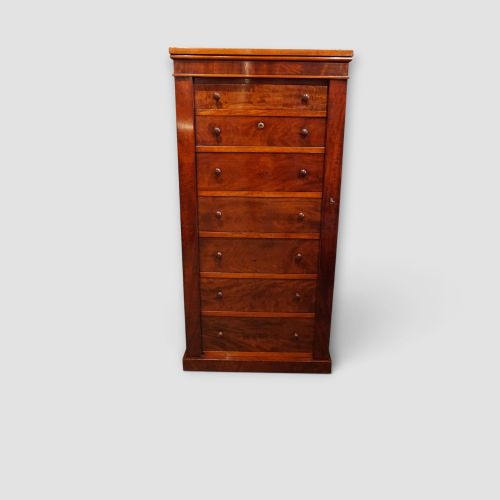
- A tall, narrow chest of drawers secured by a single vertical locking flap on one side.
- Tallboy
- A stacked chest on chest format providing high-capacity vertical storage.
- Loper
- A pull-out wooden arm or bracket that extends from the furniture carcase to support a heavy drop-down writing flap.
Antique Secretaire Drawer: Frequently Asked Questions
What is a secretaire drawer?
A secretaire drawer is an ingenious furniture element disguised as a standard chest drawer that pulls out and drops open to reveal a fitted writing desk.
Inside, you typically find a collection of pigeonholes, small stationery drawers, and a baize or leather writing surface.
How do you open the writing flap?
Most secretaire drawers require you to unlock the main drawer front using the original key, then release internal catches or pull the fall-front forward.
Support brackets or lopers often slide out automatically or manually from the cabinet frame to bear the weight of the writing surface.
Where were campaign secretaire chests used?
Campaign secretaire chests were commissioned by British military officers and colonial administrators who required durable, transportable furniture for overseas postings.
The sectional design allowed the chests to split apart for travel, reinforced with brass corners and handles to withstand rough transit.
How do Georgian and Victorian styles differ?
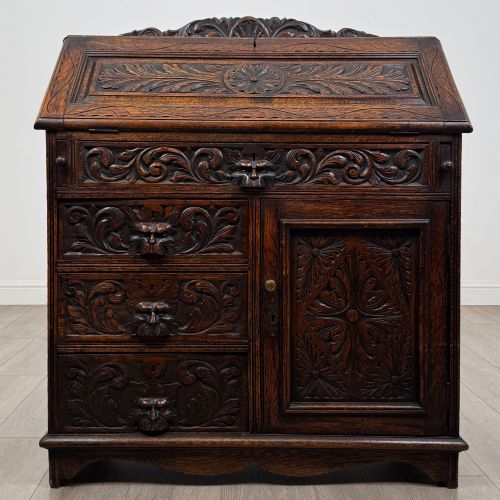
Georgian secretaire chests often feature clean classical proportions, bracket feet, and rich flame mahogany veneers with understated brass bail handles.
Victorian examples frequently introduce taller formats like Wellington chests, darker woods, heavier carved ornamentation, and integrated locking flap mechanisms.